
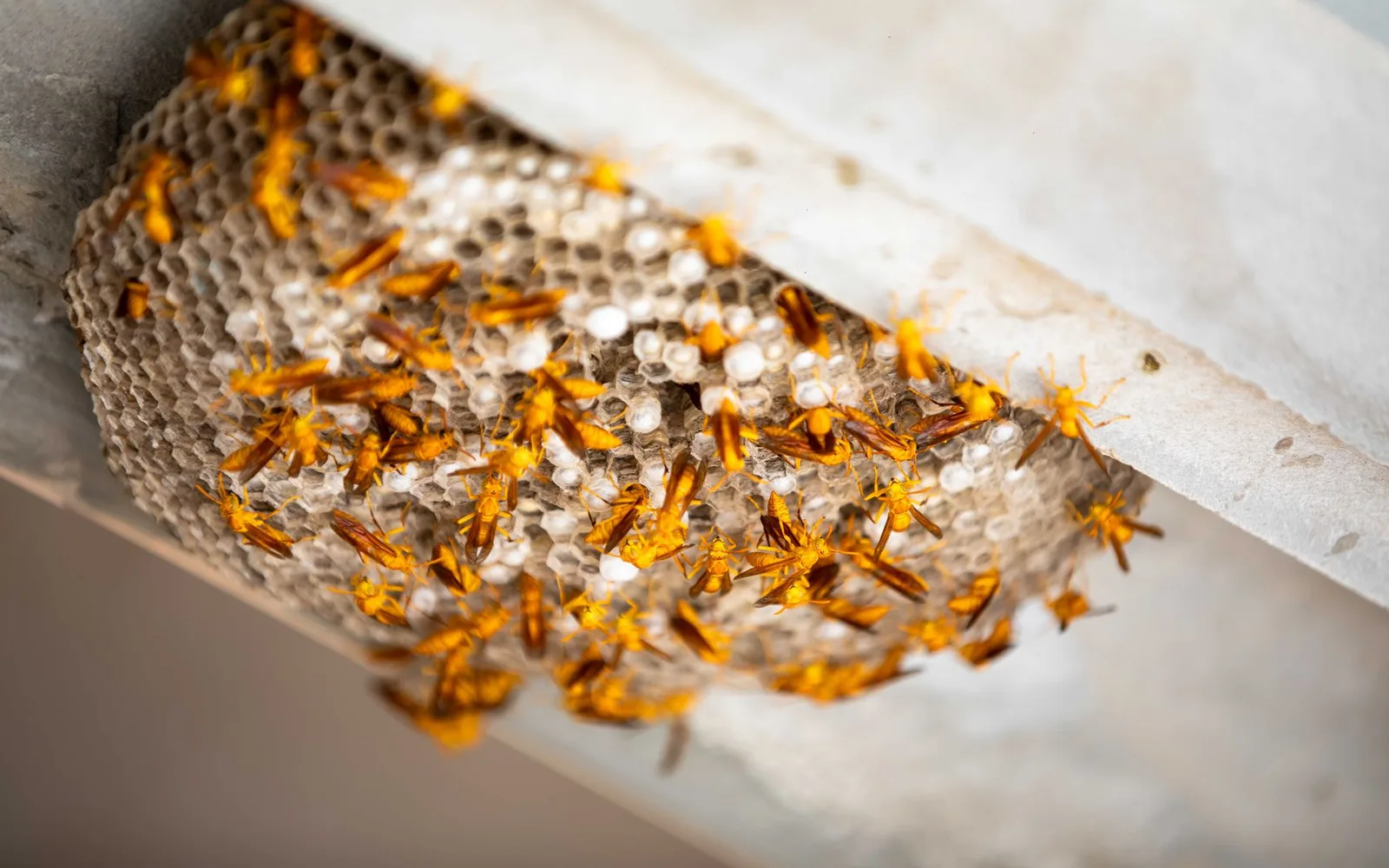
Schools and nurseries in Al Kaakiyah Makkah
Al Kaakiyah is a commercial district in southern Makkah on the Al Layth road, home to Souq Al Halaqa, one of the city's largest produce and livestock markets, alongside smaller vegetable and date markets. Schools here are surrounded by massive markets operating all day, generating enormous volumes of food waste and animal remains, creating continuous and severe insect pressure.
-
Targeted, not broadcast
Product goes into cracks and runways, never sprayed across open surfaces.
-
Told before we start
What we will use, where it goes, and what to cover or move before we arrive.
-
A follow-up visit
We return after the first treatment, because what survives it does not show on the day.
-
Homes and businesses
Apartments and villas, and kitchens and stores that need a record of each visit.
Why they keep coming back in Al Kaakiyah
Souq Al Halaqa operates every day producing millions of kilograms of produce, animal waste and offal, and insects and rodents breed there in enormous numbers that move towards nearby buildings. The method is set out in full on the full Schools and nurseries page.
Massive market and central produce zones surrounding the school
Souq Al Halaqa and the other central markets collect millions of kilograms of vegetables, fruit and animal remains every day. Waste, blood and bones pile up and attract insects and rodents in overwhelming numbers. The school sits only hundreds of metres from this enormous pressure.
Animal waste, vegetable offal and very high humidity
Markets wash produce and animals continuously through the day, creating standing water beneath stalls. Smells and waste attract flies, cockroaches, ants and rodents in masses. The humidity and heat create perfect breeding conditions for insect colonies.
Continuous movement and heavy trucks
Trucks arriving from farms, live animals and constant workers bring insects and dirt all day. The short distances between market and school create an easy pathway for insects and rodents to move between sources and the school building.
Al Kaakiyah on the map
What sets the shape of a school programme
The location on the main Al Layth commercial road beside Souq Al Halaqa and neighbouring central markets, where trucks and animals and waste accumulate daily on a massive scale.
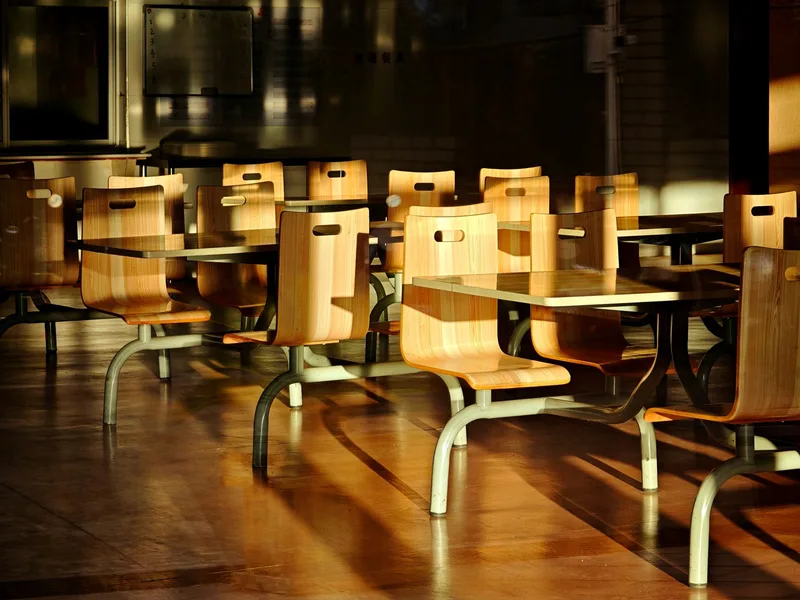
The canteen and the food store
The canteen here may be large and produces considerable waste. We focus on sewage care, refrigeration seals, tight closure and intensive daily cleaning.
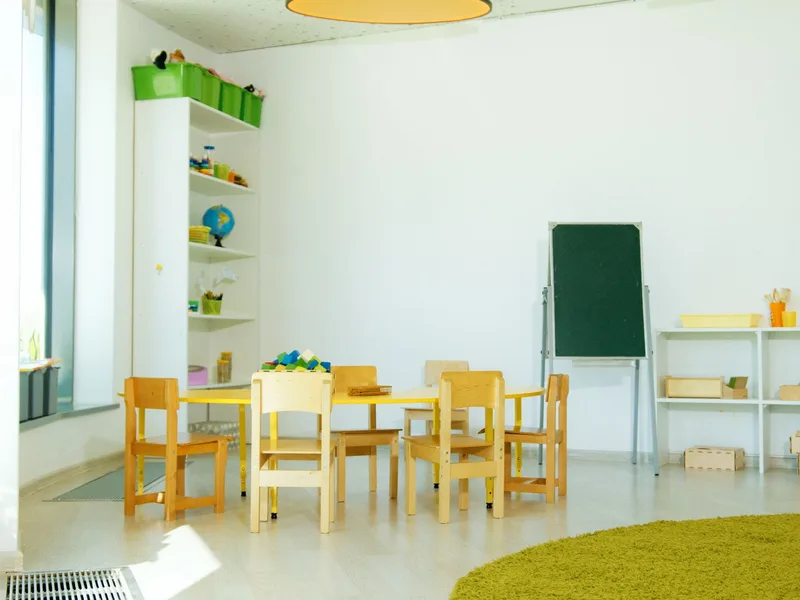
Floor level in a nursery
Nurseries in Al Kaakiyah may sit below or directly beside market level. We emphasise strong insulation, ventilation and humidity management.
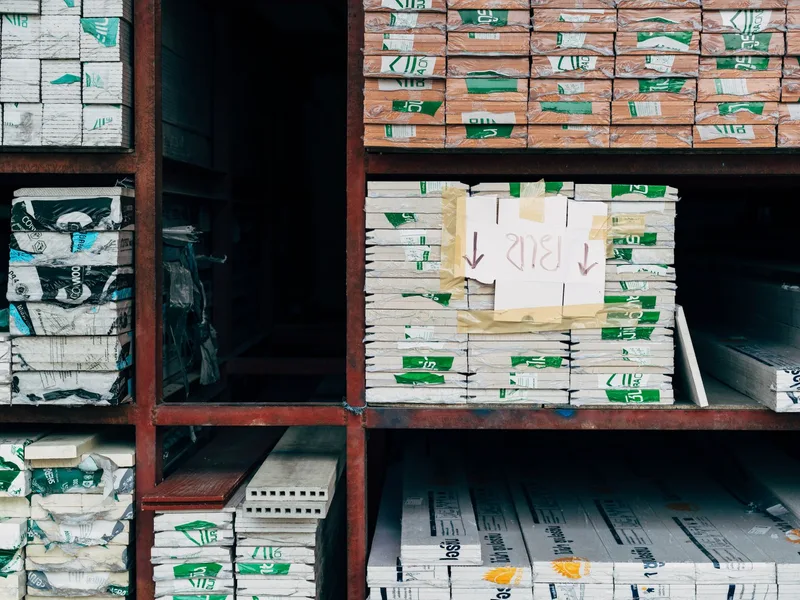
The paper and cardboard store
The paper and cardboard store may sit close to a supply intake point from the market. We treat it heavily and recommend storing cardboard well above floor level.
Standing water in the yard
The yard may sit below street level or directly beside the market. We focus on excellent drainage, daily cleaning and intensive treatment.
The gap under the service door
The service door gap may be large because market supplies enter rapidly. We seal it with a strong effective barrier strip.
The wall line, irrigation and planting
The boundary wall may sit directly adjacent to the market or commercial street. We concentrate treatment around the wall line and recommend removal of excess vegetation.
How we work
-
1
Survey the building and zone it
We walk from the service gate through the canteen, the stores, the classrooms, the washrooms and the yard, record the entry routes, the moisture and the species pressure, and grade every area by who occupies it and for how long.
-
2
Schedule it against the calendar
Work that needs an empty building, closing entry points, treating the drains and the perimeter, goes into the long breaks. Station reads and spot treatment happen after the students leave or at the weekend. We agree in advance who opens the building and which rooms are cleared and covered.
-
3
Targeted treatment, out of reach
Gel bait inside joints and cracks, dust into the dry voids, enclosed stations fixed where a child cannot reach them, and targeted spray on junctions and service areas, never on open surfaces or play flooring.
-
4
Follow up and record it
We come back on the date the life cycle sets, such as a visit timed to a cockroach hatch, re-read the points, treat whatever is still active, and hand over a report with the dates, the positions and what the building itself needs closed.
What a school and nursery programme includes
-

Building survey and zone plan
A walk that fixes the entry routes, the food areas and the child areas, and a plan with the monitoring positions numbered before anything is installed.
-

Enclosed bait and stations
Stations fixed in positions a child cannot get to, and gel bait inside joints and cracks rather than on any surface.
-

Treatment outside teaching hours
After the students leave, at the weekend or in a break, on junctions and service areas, with the surfaces wiped down before anyone comes back.
-

Drains, waste and standing water
Kitchen and washroom gullies, the ground around the containers, the yard drains and the air conditioning trays, on every visit.
-

Room preparation and aftercare
Which rooms are cleared and which surfaces are covered before we arrive, what is wiped down before the students come back, and the ventilation time we set for each case on the call.
-

Scheduled visits and a report each time
Dates agreed across the term, and a report carrying the dates, the positions, the findings and the state of every corrective action.
The character of Al Kaakiyah
Commercial area: offices, showrooms and small stores
In a massive commercial zone, the school sits surrounded by markets generating millions of kilograms of waste daily. Insects and rodents breed in overwhelming numbers in the markets and nearby areas. Our treatment emphasises very strong perimeter protection and intensive repeated applications.
Questions about this district
Souq Al Halaqa sits right next to us. Can we control the insects?
Full control is very difficult. We focus on protecting the school perimeter, gaps, doors and windows intensively. We increase classroom monitoring and recommend strict waste management.
We see flies and rodents constantly. Where do they come from?
From the massive neighbouring markets. Waste, blood and humidity create perfect conditions. Our control is limited because the insect source is beyond our reach.
The yard is small and faces the market. Is standing water common?
Yes, often. Water running from the market may enter the yard. We focus on drainage, daily cleaning and repeated treatment.
Does the humidity from washing produce affect the classrooms?
Yes, severely. High humidity creates ideal cockroach conditions. We emphasise ventilation, drying protocols and intensive regular treatment.
Live animals in the market bring dangerous insects. How do we protect the children?
We emphasise rapid door and window closure and avoid classrooms facing the market where possible. We treat the external perimeter heavily and recommend keeping windows away from market-facing directions.
Trucks come and go all day. Does this increase insects?
Yes, significantly. Trucks bring insects from farms and carry waste. We focus on traffic times and fitting effective door barriers.
How much does schools and nurseries in Al Kaakiyah cost?
It is set after the inspection, because the price follows the type of infestation, the size of the space, how far it has spread and the number of visits it needs. Send a photo and a description on WhatsApp and we will give you an estimate before we reach Al Kaakiyah.
Other services in Al Kaakiyah
Other services we provide to residents of Al Kaakiyah.
-
 Residential
Cockroach control
Residential
Cockroach control
-
 Residential
Bed bug control
Residential
Bed bug control
-
 Residential
Termite control
Residential
Termite control
-
 Residential
Rodents and mice
Residential
Rodents and mice
-
 Residential
Mosquito control
Residential
Mosquito control
-
 Residential
Fly control
Residential
Fly control
-
 Residential
Ant control
Residential
Ant control
-
 Residential
Gecko control
Residential
Gecko control
-
 Residential
Scorpion control
Residential
Scorpion control
-
 Residential
Snake control
Residential
Snake control
-
 Residential
Flea control
Residential
Flea control
-
 Residential
Bird and pigeon control
Residential
Bird and pigeon control
-
 Residential
Preventive treatment
Residential
Preventive treatment
-
 Residential
Disinfection
Residential
Disinfection
-
 Commercial
Annual contracts
Commercial
Annual contracts
-
 Commercial
Restaurants and cafes
Commercial
Restaurants and cafes
-
 Commercial
Hotels and apartments
Commercial
Hotels and apartments
-
 Commercial
Warehouses and factories
Commercial
Warehouses and factories
-
 Commercial
Retail and malls
Commercial
Retail and malls
-
 Commercial
Rest houses and farms
Commercial
Rest houses and farms
-
 Commercial
Fumigation
Commercial
Fumigation
-
 Water tanks
Water tank cleaning
Water tanks
Water tank cleaning
-
 Water tanks
Water tank sterilization
Water tanks
Water tank sterilization
-
 Water tanks
Water tank sealing
Water tanks
Water tank sealing
-
 Water tanks
Tank leak repair
Water tanks
Tank leak repair
Need schools and nurseries in Al Kaakiyah? Tell us what you saw and we will tell you what it needs
We reach Al Kaakiyah at a time we agree, and you get the full cost before we start.