
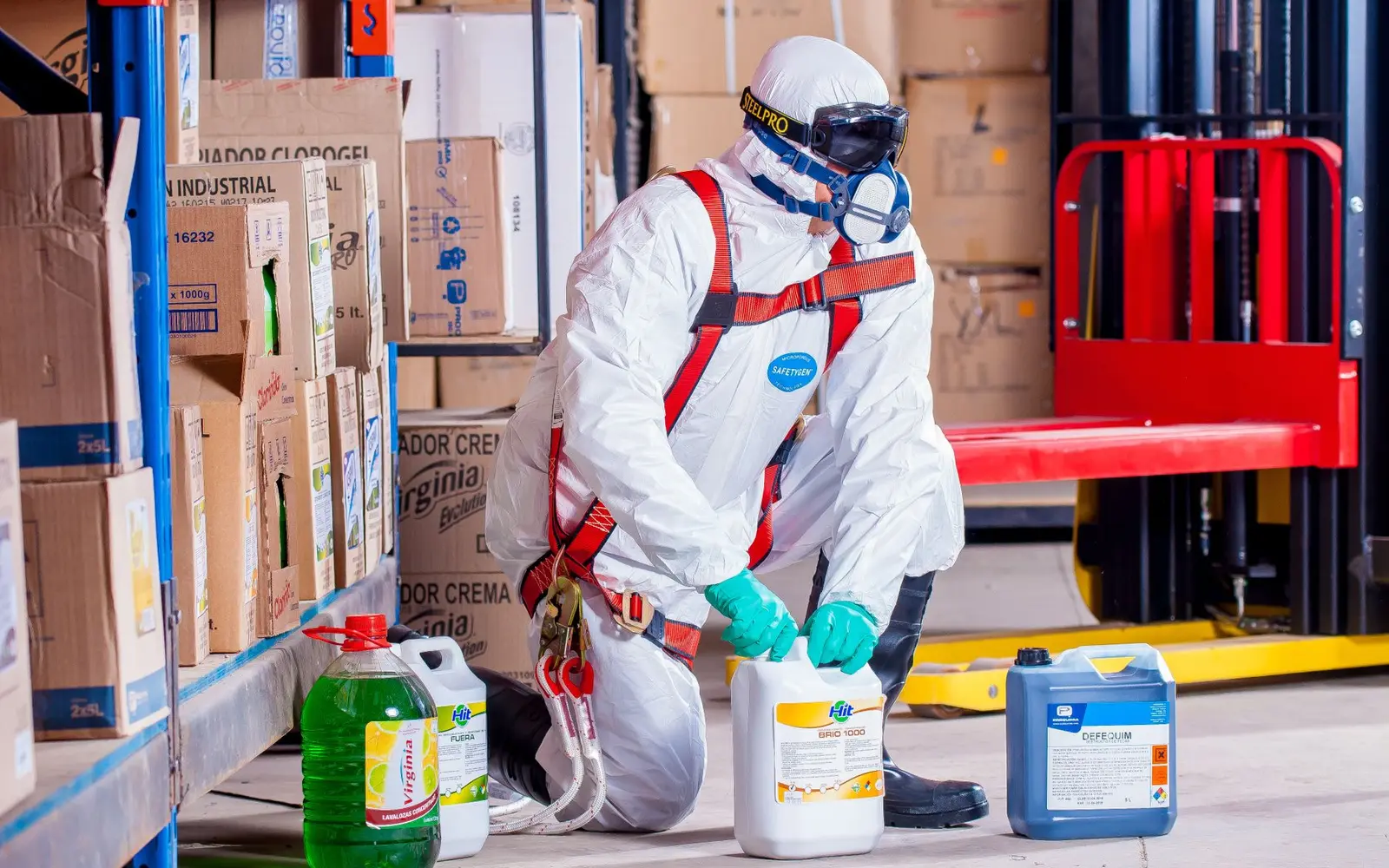
Warehouses and factories in Al Kaakiyah Makkah
Al Kaakiyah lies in southern Makkah on the Al Layth road, home to Souq Al Halaqa, one of the city's largest live markets for fruit, vegetables, livestock and poultry, alongside the Central Vegetable Market, Dates Market and Timber Market. Warehouses here do not store ordinary goods: they handle thousands of boxes of fresh produce and live animals daily, and every box nearly carries food pests from the fields and farms.
-
Targeted, not broadcast
Product goes into cracks and runways, never sprayed across open surfaces.
-
Told before we start
What we will use, where it goes, and what to cover or move before we arrive.
-
A follow-up visit
We return after the first treatment, because what survives it does not show on the day.
-
Homes and businesses
Apartments and villas, and kitchens and stores that need a record of each visit.
Why they keep coming back in Al Kaakiyah
The markets in Al Kaakiyah receive fresh produce, livestock and animal shipments at dawn each day, so insects travel to warehouses with living cargo from farms and fields. The method is set out in full on our Warehouses and factories service.
Live fruit and vegetable markets moving enormous daily volumes
Souq Al Halaqa and the surrounding markets receive thousands of boxes of produce and grain every day. This fresh cargo carries insects and pests from the fields and farms. Adjacent warehouses receive these pests with the goods, and grain beetles, ants and flying insects find ideal habitat in produce boxes.
Live animals and the flies and pests they attract in massive populations
Livestock auctions for sheep, camels and poultry in Al Kaakiyah mean live animals are shown and sold daily. Flies are drawn by the millions, and rodents hunt for food. Warehouses beside the livestock yard experience a different class of pest pressure entirely: flesh flies, cluster flies and rodents.
Moisture from fresh produce and the water used to wash it
Fresh vegetables are washed in copious amounts of water at the markets, and water spills onto floors and surrounding soil. This continuous dampness suits cockroaches, ants and fungi. Adjacent warehouses receive this moisture under their walls and through their floor slabs.
Al Kaakiyah on the map
What the first walk through the building reads
Al Kaakiyah sits on Al Layth Road south of the city, bounded to the east by the Third Ring Road, and carries very high commercial density with constant goods traffic from dawn to dusk.
The shutter line
The goods-in door in Al Kaakiyah opens onto busy Al Layth Road beside Souq Al Halaqa. Insects enter with merchandise from the market and the street. Trap density is highest around the door and on the market side.
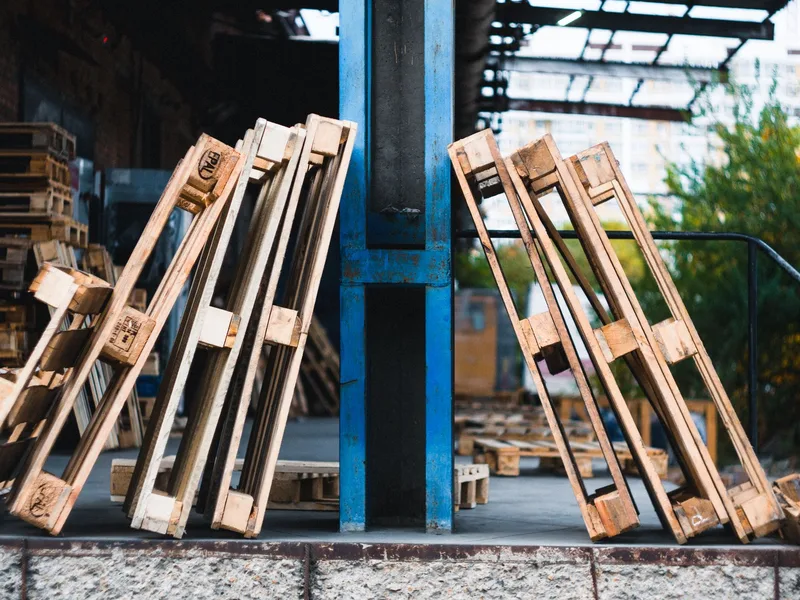
What comes in on the pallet
Pallets and boxes arrive directly from the market carrying fresh produce, fruit, grain and live animals. Every box may carry field insects. Inspections are rigorous, with detailed checks of a proportion for crop insects.
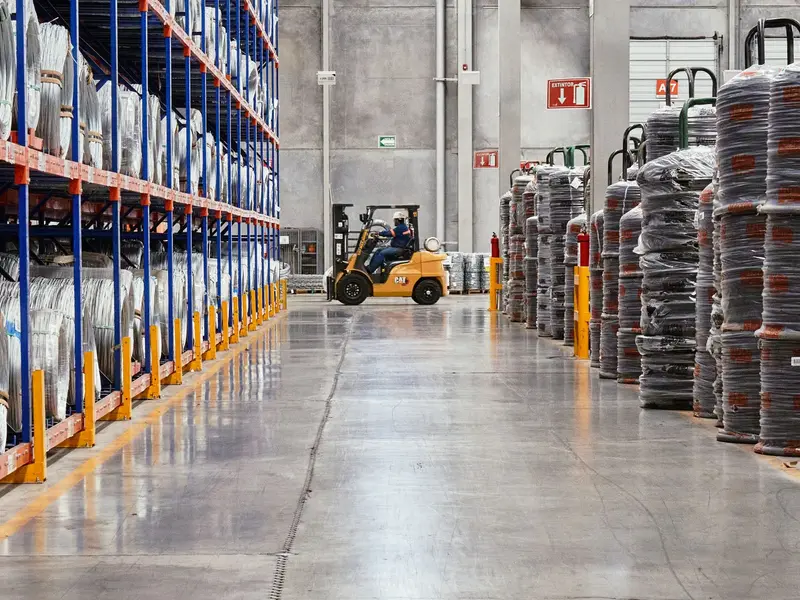
The strip along the wall
Warehouse walls in Al Kaakiyah are flush against the market and livestock yard. We deploy traps along the full wall length at high density, especially on the market and yard-facing side.
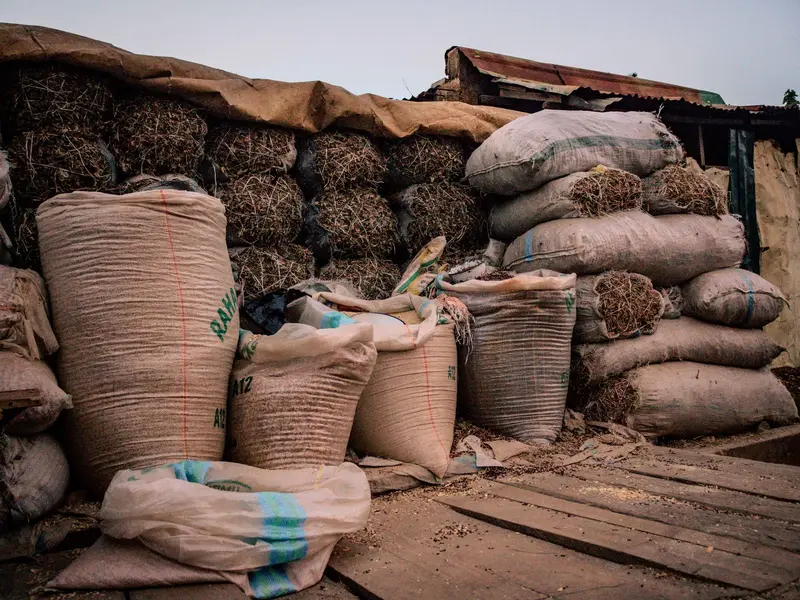
Spillage under the racking
Floor voids under the racking in Al Kaakiyah are very damp from water used to wash produce and seepage from the market. Cockroaches and ants find ideal conditions there. We inspect regularly and clear crumbs and standing moisture.
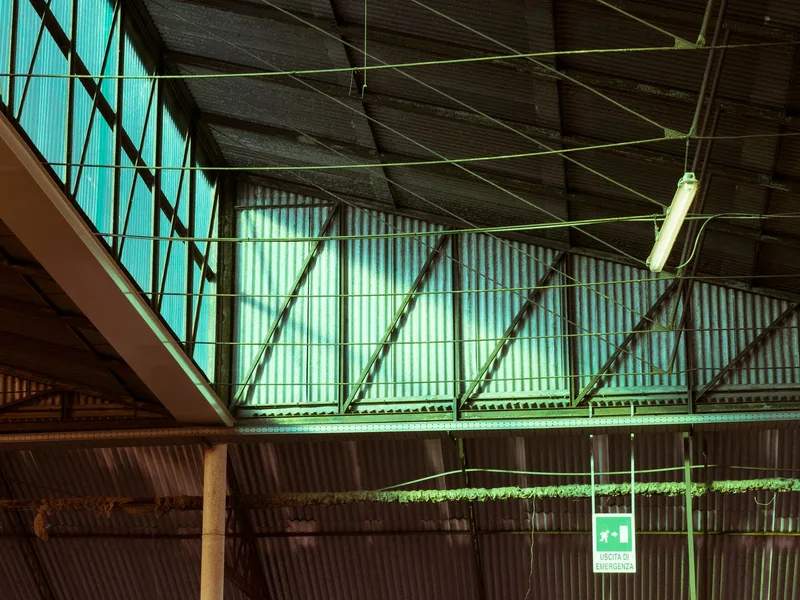
The roof and the openings above
The ceiling and upper openings in Al Kaakiyah are open to the air and moisture. Flies enter from above, especially from Souq Al Halaqa. Upper zones receive intensive treatment and gaps between ceiling and racking are cleaned regularly.
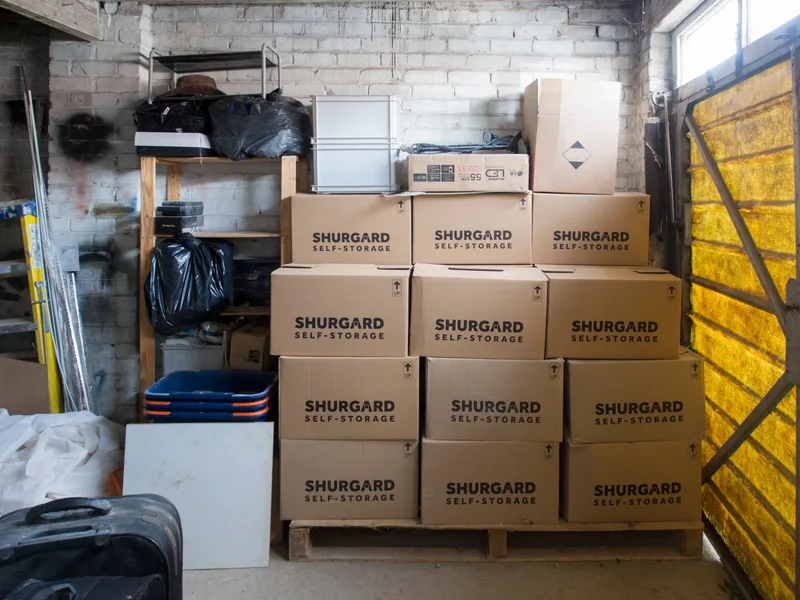
Stock that does not move
Stock in Al Kaakiyah moves fast, but grain and produce may remain in storage for longer periods. We inspect static boxes regularly and control humidity and temperature around stored goods to prevent insect breeding.
How we work
-
1
Survey the building and locate the source
We walk from the goods-in door through the racking, the production areas and the outside wall line, and establish whether the pressure is stored product pests inside the goods, rodents from the perimeter or flying insects from waste and doorways, because each of those is a different programme.
-
2
Pheromone traps and numbered points
Species-specific pheromone traps through the storage areas, and monitoring points on the external ring and along the internal walls, numbered on the racking plan. A trap treats nothing, it tells us which aisle the numbers are climbing in.
-
3
Targeted treatment and isolating the consignment
Spillage is lifted first, then empty racking, wall and floor junctions and voids are treated, and nothing is placed over open stock or a running line. A consignment showing activity is isolated where it stands rather than carried through the building.
-
4
Sealing, then the scheduled visits
We close door gaps, openings and pipe entries, then come back on an agreed schedule: the same traps and points are read each time, and a report goes over what was found, what was treated and what the building still needs closed.
What warehouse pest control includes
-

Site survey and racking plan
A walk from the goods-in door to the last aisle, and a plan with every monitoring position numbered before anything is installed.
-

Pheromone traps and numbered points
Species-specific traps through the storage areas and points along the perimeter line, read and logged on every visit.
-

Targeted treatment of racking and junctions
On empty racking, wall and floor junctions and voids, never over open stock or a running line.
-

Drains, waste and the perimeter
Floor gullies, the container area and the outside wall line, because that is the source which renews itself.
-

Proofing and building findings
Shutter gaps, brush seals and mesh over openings, with a list of what the site needs to repair.
-

Scheduled visits and a report each time
Agreed dates set by the pressure on the site, the same traps read again, and a report that records every visit.
The character of Al Kaakiyah
Commercial area: offices, showrooms and small stores
Al Kaakiyah is commercial because it holds markets, livestock auctions and small warehouses, but the pest load is entirely different: live goods, fresh produce and animals. Our programme focuses on rigorous inspection of live cargo, humidity control, and management of flies and rodents associated with agricultural and livestock operations.
Questions about this district
Souq Al Halaqa stands right beside the Al Kaakiyah warehouse. Is it a constant pressure source?
Souq Al Halaqa holds thousands of boxes of produce, fruit, livestock and animals. Pests arrive with every new shipment. A warehouse close to the souq experiences continuous pest pressure every day of the year. We need daily or twice-daily readings on warehouse walls facing the market.
Live animals in the livestock yard are very close. Do they send flies and rodents into the warehouse?
The livestock yard attracts flies by the million. Rodents hunt for food and animal feed. Warehouses beside the yard experience repeated fly attacks and severe rodent pressure. We need screens on every window and opening, and rodent traps deployed around the full warehouse perimeter.
Fresh produce is washed in heavy volumes of water. Does that affect the adjacent warehouse?
Yes, considerably. Water spills onto floors and surrounding soil. This moisture creates ideal conditions for cockroaches and ants. We need good drainage around the warehouse and regular cleaning of damp areas.
Does the warehouse need a separate programme from the adjacent market?
Yes, absolutely. Market and warehouse programmes differ. Market focuses on fresh produce, rodents and flies, warehouse focuses on stored pests. But readings from each programme are linked, so we need tight coordination between them.
Grain beetles and stored product insects in the warehouse: do they come from the market or from long storage?
Some arrive with fresh grain from the market, others breed in the warehouse under long storage conditions. We inspect grain at goods-in and store it under controlled humidity and temperature to prevent insect breeding.
The Al Kaakiyah report: should it link market pressure to warehouse readings?
Yes. The report must show that pest pressure originates from the adjacent market. We include a table linking market readings to warehouse readings, with a map showing market and warehouse locations and the different insect species recorded.
How much does warehouses and factories in Al Kaakiyah cost?
It is set after the inspection, because the price follows the type of infestation, the size of the space, how far it has spread and the number of visits it needs. Send a photo and a description on WhatsApp and we will give you an estimate before we reach Al Kaakiyah.
Other services in Al Kaakiyah
Other services we provide to residents of Al Kaakiyah.
-
 Residential
Cockroach control
Residential
Cockroach control
-
 Residential
Bed bug control
Residential
Bed bug control
-
 Residential
Termite control
Residential
Termite control
-
 Residential
Rodents and mice
Residential
Rodents and mice
-
 Residential
Mosquito control
Residential
Mosquito control
-
 Residential
Fly control
Residential
Fly control
-
 Residential
Ant control
Residential
Ant control
-
 Residential
Gecko control
Residential
Gecko control
-
 Residential
Scorpion control
Residential
Scorpion control
-
 Residential
Snake control
Residential
Snake control
-
 Residential
Flea control
Residential
Flea control
-
 Residential
Bird and pigeon control
Residential
Bird and pigeon control
-
 Residential
Preventive treatment
Residential
Preventive treatment
-
 Residential
Disinfection
Residential
Disinfection
-
 Commercial
Annual contracts
Commercial
Annual contracts
-
 Commercial
Restaurants and cafes
Commercial
Restaurants and cafes
-
 Commercial
Hotels and apartments
Commercial
Hotels and apartments
-
 Commercial
Schools and nurseries
Commercial
Schools and nurseries
-
 Commercial
Retail and malls
Commercial
Retail and malls
-
 Commercial
Rest houses and farms
Commercial
Rest houses and farms
-
 Commercial
Fumigation
Commercial
Fumigation
-
 Water tanks
Water tank cleaning
Water tanks
Water tank cleaning
-
 Water tanks
Water tank sterilization
Water tanks
Water tank sterilization
-
 Water tanks
Water tank sealing
Water tanks
Water tank sealing
-
 Water tanks
Tank leak repair
Water tanks
Tank leak repair
Need warehouses and factories in Al Kaakiyah? Tell us what you saw and we will tell you what it needs
We reach Al Kaakiyah at a time we agree, and you get the full cost before we start.