

Annual contracts in Al Maabdah Makkah
Al Maabdah is an established district where modern hotels and a major hospital sit among dense residential apartment blocks in Wadi Ibrahim. The shared flats, repeated floors, long corridors and common entrances create an environment unlike anywhere else. A properly shaped annual contract must track pest movement through this complex mix of residential and transient occupancy.
-
Targeted, not broadcast
Product goes into cracks and runways, never sprayed across open surfaces.
-
Told before we start
What we will use, where it goes, and what to cover or move before we arrive.
-
A follow-up visit
We return after the first treatment, because what survives it does not show on the day.
-
Homes and businesses
Apartments and villas, and kitchens and stores that need a record of each visit.
Why they keep coming back in Al Maabdah
Furnished temporary flats sit alongside hotel units and apartments. The constant turnover of occupants and the movement of luggage and furnishings between units makes pest control a continuous task, not a quarterly one. The method is set out in full on Annual contracts in detail.
Long shared corridors and multiple entry points
Al Maabdah blocks contain long corridors, multiple stairwells and external stairs that cannot be monitored from a single point. Monitoring points must cover every possible entry route: not just inside flats, but in shared corridors, stairwells, external doors and loading areas. A contract that monitors only inside your unit leaves the highways uncovered.
Hotels and hospital as continuous pest sources
King Faisal Hospital and multiple hotels create pressure that differs entirely from residential zones. The hospital demands special safety protocols for any treatments used nearby. Hotels bring pest sources daily through guest luggage, deliveries and the sheer volume of people. Your contract must account for this external pressure, not treat it as an internal problem alone.
Rapid turnover and furnished temporary lets
Furnished holiday flats and hotel apartments turn over guests daily or weekly. Each changeover moves luggage and furnishings that may carry pests. Empty units between bookings become breeding grounds without preventive treatment. A contract must track these units too, or the pest population rebounds between your own treatments.
Al Maabdah on the map
Al Maabdah sits about 1 km from Al Rawdah and about 1.5 km from Al Jumayzah.
Open in Google MapsWhat sets the shape of the contract
The district merges hotels with hundreds of staff, a major hospital with constant patient and visitor flow, and residential blocks serving permanent tenants. Movement through shared entrances and corridors is continuous, and every one of those routes is a pathway for pests.
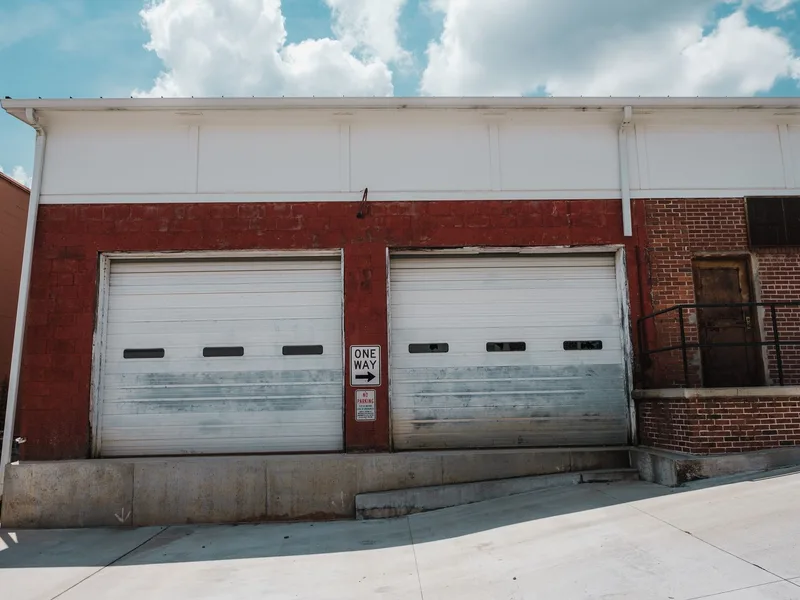
The goods-in door
The goods-in door for Al Maabdah blocks is the shared entrance and stairwell, not the individual flat door, because pests enter through constant movement of visitors, staff and delivery persons.
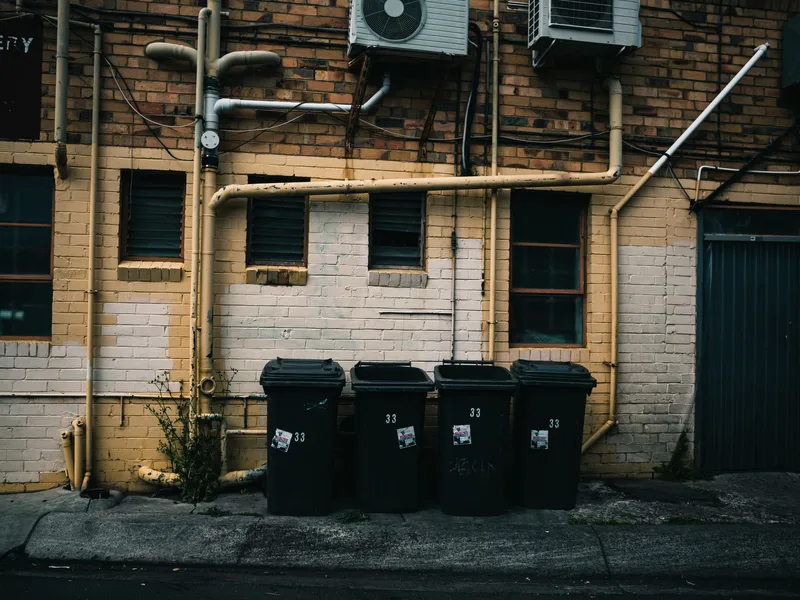
The waste area
The waste area in Al Maabdah receives refuse from hotel kitchens, flats and a hospital, creating a strong pest attractor that needs continuous monitoring because no single unit controls its contents.
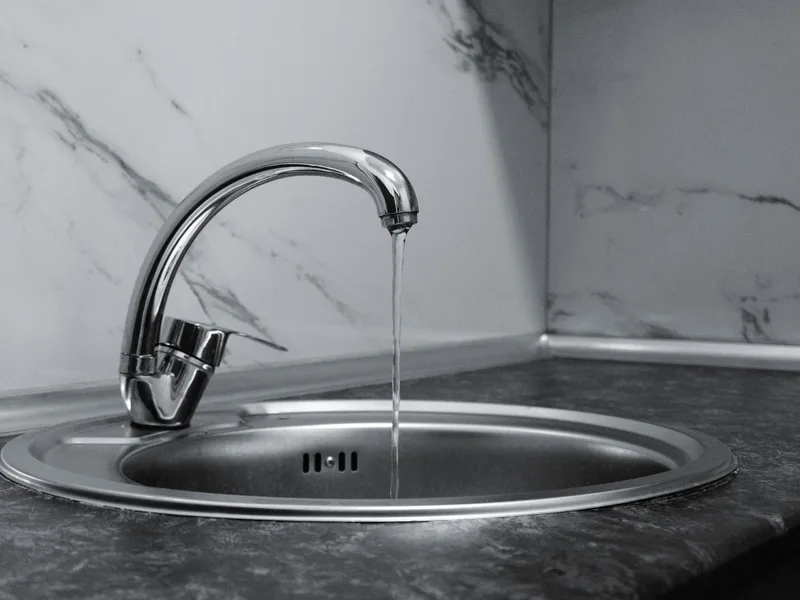
Drains and grease traps
Drains and grease traps in Al Maabdah blocks carry heavy load from hotel kitchen disposal, multiple kitchens and shared bathrooms, creating backed-up conditions that harbour pests if not actively managed.
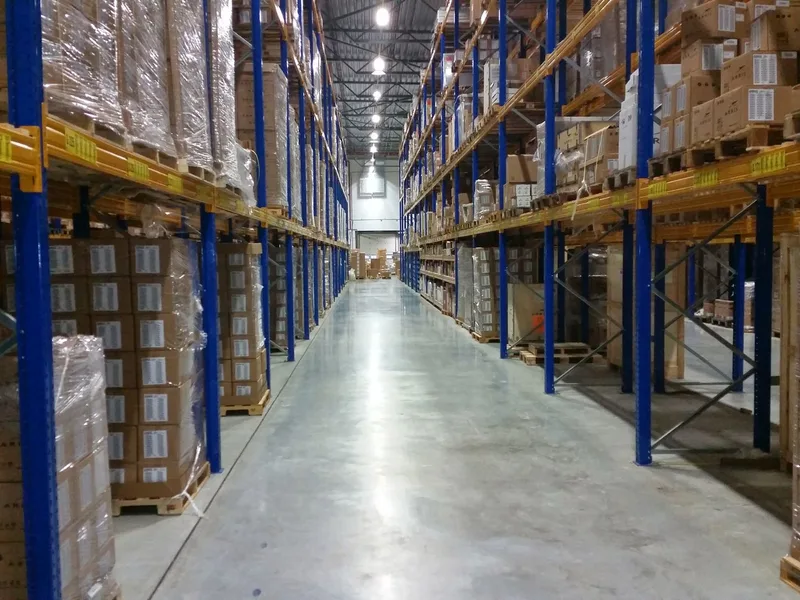
Dry store and pallets
Dry stores and pallets, if present, sit in shared basements or common spaces that are difficult to access and control; monitoring must cover these areas even though they sit outside individual flat boundaries.
Fixed, numbered points
Fixed numbered monitoring points in Al Maabdah must be placed in corridors, main entrances and shared spaces, not just inside units, because external pest sources from hotels and hospital create the main pressure.

The file itself
The annual file for Al Maabdah must track shared spaces too and must be available to building management and health inspections, since the zone contains a hospital and hotels that face regular compliance audits.
How we work
-
1
Survey and risk assessment
We walk the building from the goods-in door through preparation, stores and washrooms, and record the species pressure, the entry routes, the moisture and which areas carry which level of risk.
-
2
The plan, the map and the frequency
We number the monitoring positions on a plan of the site, agree the visit frequency from what each area handles and how open the building is, and agree who receives and signs the report.
-
3
The scheduled visits
Every visit reads the same route, point by point, records the reading even when it is nil, and treats the area the reading calls for rather than the whole building.
-
4
Review and reading the trend
We read the visits together rather than one at a time: where the readings climbed, which corrective actions are still open, and whether an area needs more points or closer visits.
What the annual contract includes
-

Opening survey and site plan
A walk that fixes the risk areas and the entry routes, and a plan with the monitoring positions numbered before anything is installed.
-
Numbered monitoring points
Fixed positions on a set route, opened, read and logged every visit, and replaced when damaged.
-

Targeted treatment when called for
On the cracks, junctions and service areas the reading points to, and outside operating hours where that is needed.
-

Drains and waste areas
Floor gullies, grease traps and the ground around the containers on every visit, because that is the source that renews itself.
-

Report and corrective actions
After every visit: what was found, what was applied and where, and what the site needs to fix, such as a door gap or a missing drain cover.
-

Scheduled visits and visits in between
A schedule agreed in the contract, plus a visit when activity appears between two dates, logged like any other.
Landmarks of Al Maabdah
Work in Al Maabdah is coordinated through Al Maabdah Street and Al Masjid Al Haram Road, where main entry points sit and where monitoring stations are installed. Buildings near the historic Al Saqqaf Palace and the old lanes need special planning because corridors and entrances are complex and numerous.
- Al Maabdah Street
- Al Masjid Al Haram Road
- Holy Capital Municipality
- King Faisal Hospital
- Al Saqqaf Palace
Questions about this district
Do the hotels and hospital nearby increase pest problems in our residential block?
Yes, significantly. The hospital and hotels provide continuous flow of visitors, luggage, deliveries and staff movement. Pests travel in luggage and via people. Your annual contract must include proactive monitoring points in shared corridors and main entrances, not just inside your flat, to intercept pests before they reach you.
Can we treat only our flat without treating the shared corridors and stairwell?
It is possible but ineffective. Pests enter constantly from shared spaces. A contract covering only your flat may protect it temporarily, but pests return from corridors and stairwells. Strategic treatment of entry points and shared routes prevents them entering in the first place, saving time and repeated calls.
Do furnished hotel flats in the same building make our pest problem worse?
Yes, significantly. Hotel flats see daily guest turnover; luggage and furnishings carry pests. Empty hotel flats between bookings become breeding grounds unless treated. Your contract should include these units too. Pests do not distinguish between hotel and residential; they move freely between them.
Are the pesticides safe to use near the hospital and patients?
Yes, approved products for use in occupied spaces are completely safe. Proximity to a hospital means extra care in documentation and coordination with building management. Your annual contract should include notification protocols and, if needed, coordination with the hospital to ensure safety near patient areas.
How often does Al Maabdah need visits, given the density and hotels?
Frequency is set by the actual pressure in the building. Hotels, hospital, and furnished flats create higher pest pressure than pure residential zones. The initial survey will set an appropriate schedule. Al Maabdah typically needs denser visit frequency than quieter districts, and the contract adjusts visits based on monitoring findings each time.
Is the treatment record important during health and municipal inspections?
Critical. The hospital, hotels and government buildings in Al Maabdah face regular inspections. A documented record proves commitment to public health standards. Your annual contract provides this record after every visit, ready for presentation to any inspection authority. Gaps in the record raise immediate questions during audits.
How much does annual contracts in Al Maabdah cost?
It is set after the inspection, because the price follows the type of infestation, the size of the space, how far it has spread and the number of visits it needs. Send a photo and a description on WhatsApp and we will give you an estimate before we reach Al Maabdah.
Nearby districts we cover
Other services in Al Maabdah
Other services we provide to residents of Al Maabdah.
-
 Commercial
Restaurants and cafes
-
 Commercial
Hotels and apartments
-
 Commercial
Warehouses and factories
-
 Commercial
Schools and nurseries
Need annual contracts in Al Maabdah? Tell us what you saw and we will tell you what it needs
We reach Al Maabdah at a time we agree, and you get the full cost before we start.