

Annual contracts in Al Rawdah Makkah
Al Rawdah clusters hotels and pilgrim residences on the east side of the Grand Mosque between King Fahd Road and the Al Faisaliyah tunnel, where occupancy swells ten-fold during Hajj and contracts to almost nothing afterwards. Old family houses still stand among the new tall blocks and the building boom continues, making pest populations volatile and requiring consistent reading points to distinguish noise from real trend.
-
Targeted, not broadcast
Product goes into cracks and runways, never sprayed across open surfaces.
-
Told before we start
What we will use, where it goes, and what to cover or move before we arrive.
-
A follow-up visit
We return after the first treatment, because what survives it does not show on the day.
-
Homes and businesses
Apartments and villas, and kitchens and stores that need a record of each visit.
Why they keep coming back in Al Rawdah
Waves of pilgrims, workers and tourists arrive carrying pests from their origins, and seasonal closure means months when hotels stand empty and pests settle undisturbed in damp timbers and sealed rooms before guests arrive again. The method is set out in full on how we approach Annual contracts.
Extreme seasonality and ongoing urban transformation
Al Rawdah is not a steady district but a Hajj-driven zone where occupancy swells and empties with dramatic swings. Old houses sit beneath modern hotel towers and new apartment blocks, with old pipes and new systems intertwined. Fixed monitoring points read through both occupancy and vacancy with consistency, so the record shows when pest numbers genuinely worsen versus when they merely track the occupancy cycle.
Vacant seasonal hotels become established pest colonies
Hotels and seasonal apartment blocks close for long stretches between high seasons, leaving interior spaces sealed and unmonitored for months. During vacancy pests settle freely into furniture, wall cavities and damp timber. The annual contract intensifies visits immediately before closure and before reopening to catch established colonies before guests arrive.
Constant construction reshapes pest pathways and refuge
Development and demolition run continuously in Al Rawdah, with old foundations exposed, old houses demolished and new blocks rising. Each building phase opens new gaps and redirects pest movement. Regular visits track each phase and document how pest routes shift when buildings are demolished or sealed.
Al Rawdah on the map
Al Rawdah sits about 1 km from Al Maabdah and about 1.5 km from Al Jumayzah.
Open in Google MapsWhat sets the shape of the contract
The district mixes hotels and seasonal pilgrim housing close to both the Grand Mosque and Mount Arafat access roads, with older family homes gradually replaced by tall seasonal apartment blocks for proximity to the sacred sites.
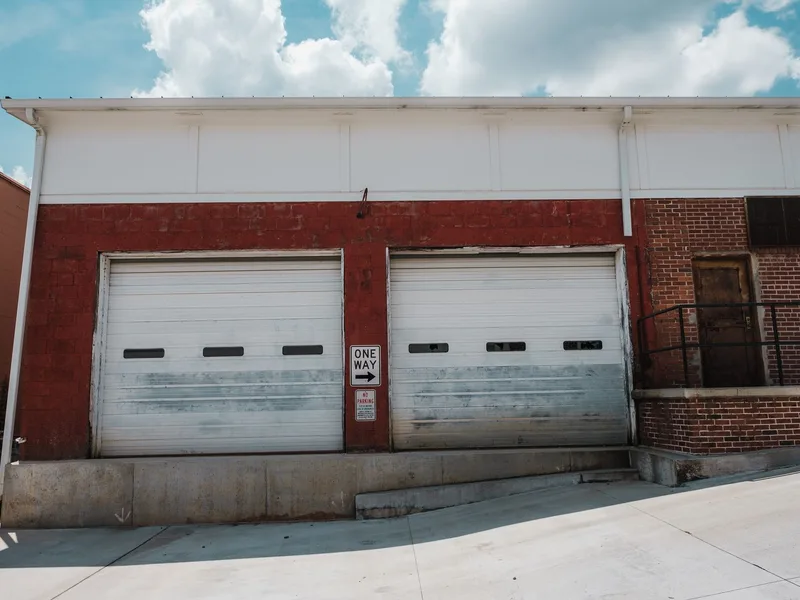
The goods-in door
Multiple goods-in doors differ radically between hotel, new apartment block and old house: hotels have front and service loading doors, apartments have shared entrance and delivery zones, old houses have single family doors. Each entry point needs dedicated monitoring because pests enter differently at each.
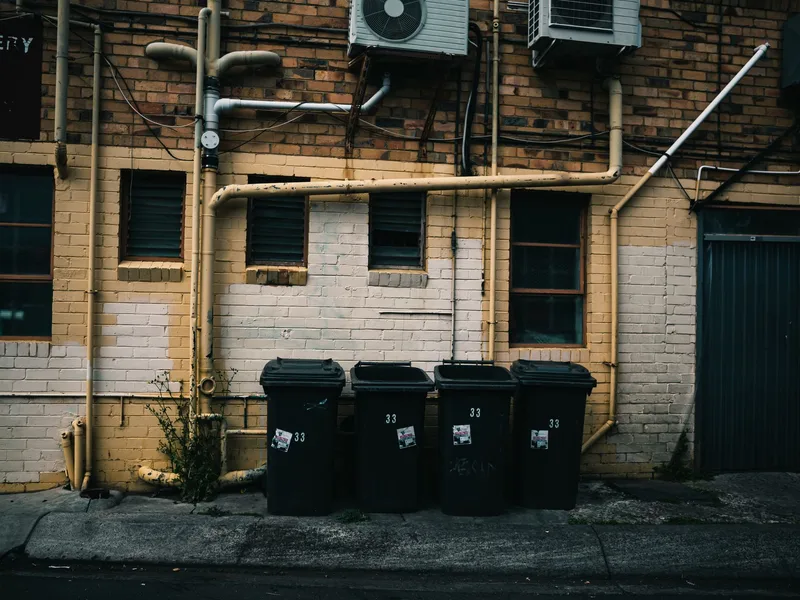
The waste area
Waste zones vary by occupancy state: hotels during Hajj generate intense food waste, seasonal apartments vary between full and empty, and old houses create steady background waste. Monitoring tracks whether waste buildup precedes or follows pest surge.
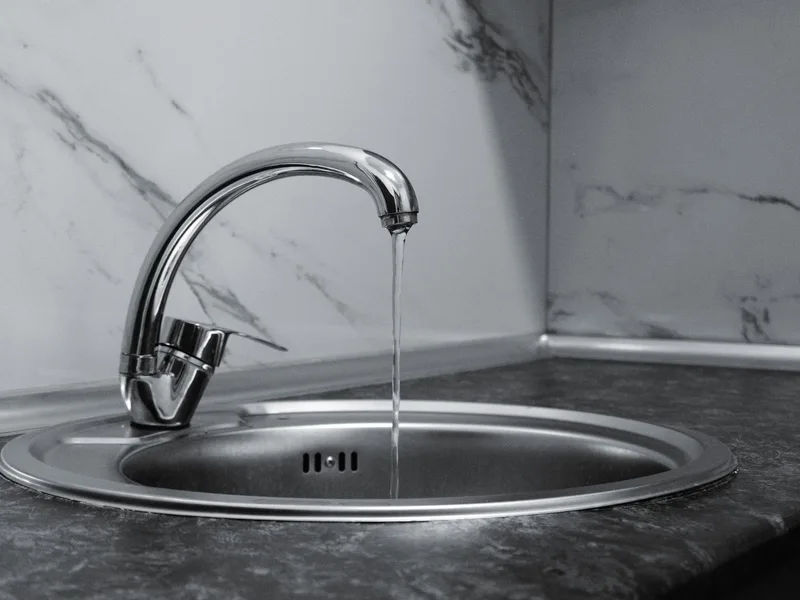
Drains and grease traps
Drains and grease traps shift from heavy flow during high occupancy to stagnant standing water during vacancy. Blockages and damp seepage change character between seasons and need monitoring matched to actual water movement, not to a fixed assumption.
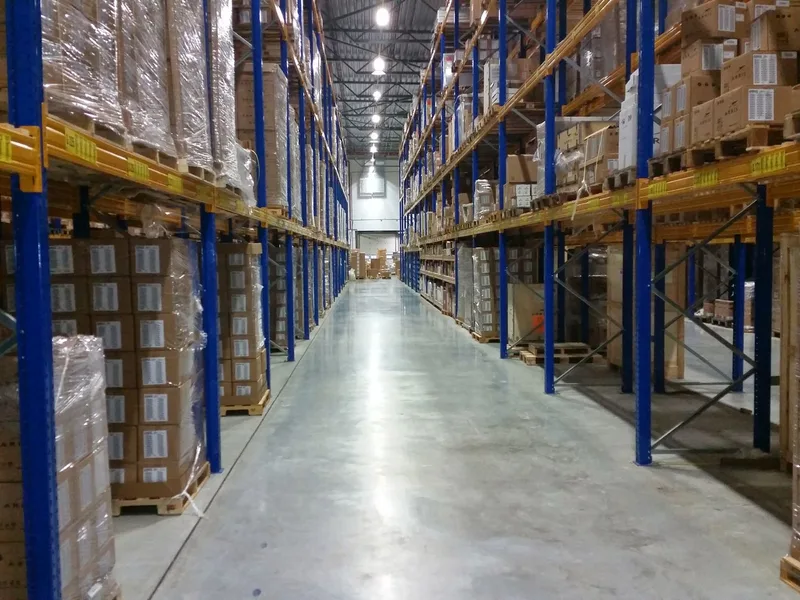
Dry store and pallets
Dry storage ranges from the hotel's central stores to flat-by-flat cupboards to old house cellars, each with different moisture and pest risk. Monitoring points adapt by building type rather than applying one standard.
Fixed, numbered points
Fixed numbered points circle the hotel, apartment blocks and remaining old houses, coded by use type and building age, read in sequence each visit so movement between the old and new infrastructure becomes visible.

The file itself
The annual file records how pest activity swings with occupancy and building phases, distinguishing pressure that arrives with guests from population that establishes during vacancy, and tracking whether new construction is disrupting or creating refuge.
How we work
-
1
Survey and risk assessment
We walk the building from the goods-in door through preparation, stores and washrooms, and record the species pressure, the entry routes, the moisture and which areas carry which level of risk.
-
2
The plan, the map and the frequency
We number the monitoring positions on a plan of the site, agree the visit frequency from what each area handles and how open the building is, and agree who receives and signs the report.
-
3
The scheduled visits
Every visit reads the same route, point by point, records the reading even when it is nil, and treats the area the reading calls for rather than the whole building.
-
4
Review and reading the trend
We read the visits together rather than one at a time: where the readings climbed, which corrective actions are still open, and whether an area needs more points or closer visits.
What the annual contract includes
-

Opening survey and site plan
A walk that fixes the risk areas and the entry routes, and a plan with the monitoring positions numbered before anything is installed.
-

Numbered monitoring points
Fixed positions on a set route, opened, read and logged every visit, and replaced when damaged.
-

Targeted treatment when called for
On the cracks, junctions and service areas the reading points to, and outside operating hours where that is needed.
-

Drains and waste areas
Floor gullies, grease traps and the ground around the containers on every visit, because that is the source that renews itself.
-

Report and corrective actions
After every visit: what was found, what was applied and where, and what the site needs to fix, such as a door gap or a missing drain cover.
-

Scheduled visits and visits in between
A schedule agreed in the contract, plus a visit when activity appears between two dates, logged like any other.
What is different about Al Maabdah Sub-Municipality
Al Maabdah sub municipality climbs from Al Abtah and Al Jumayzah beside the Al Mualla cemetery up through Al Khansa and Rai Adhakhir to Al Adl, Jabal Al Nour, Wadi Jaleel and Qurtubah on the outer ring roads. It mixes hotels and pilgrim housing near the Grand Mosque with old popular houses on hillside passes, new housing schemes on valley floors that carry flash floods after rain, and industrial plots, workshops and warehouses along Al Hajj Street in Qurtubah. Street widening and expropriation leave partly demolished frontages in Al Khansa.
Questions about this district
How do pest species change between Hajj season and the vacant season?
Species composition shifts dramatically. During Hajj, visitor and travel-related pests dominate full hotels; during vacancy, building and moisture-loving pests colonise empty sealed rooms. The report distinguishes these seasonal profiles to show when treatment intensity must change.
Do hotels need special treatment immediately before closure for the season?
Yes. Intensive treatment immediately before closure is essential because an empty sealed hotel becomes a protected haven for pests. We monitor monthly if possible during closure, then conduct a complete pre-opening survey before staff and guests return.
Does the mix of old houses and new modern blocks change your monitoring approach?
Significantly. Old houses have hidden cavities and gaps from centuries of use; modern blocks have sealed systems and mechanical ventilation. Monitoring points adapt to each building stock and track whether pests are moving between old and new infrastructure.
How does the ongoing building work affect the monitoring schedule?
Greatly. Each construction phase opens new pest pathways and closes others. We resurvey during each major building phase and add or relocate points based on the actual changes happening on the ground, not on assumptions.
How do you tell whether a pest problem is from building work or from seasonal occupancy?
The context in the report makes it clear: is construction ongoing? Is the hotel occupied or closed? The numbered points track pests relative to these events, revealing whether spikes are linked to building disturbance or to seasonal occupancy patterns.
Does the report need separate notes for the hotels, new blocks and old houses?
Yes. The record separates findings by building type because hotels, new apartments and old houses each have different refuge patterns and treatment needs. The complete picture shows the actual pressure on the district through each seasonal cycle.
How much does annual contracts in Al Rawdah cost?
It is set after the inspection, because the price follows the type of infestation, the size of the space, how far it has spread and the number of visits it needs. Send a photo and a description on WhatsApp and we will give you an estimate before we reach Al Rawdah.
Nearby districts we cover
Other services in Al Rawdah
Other services we provide to residents of Al Rawdah.
-
 Residential
Cockroach control
Residential
Cockroach control
-
 Residential
Bed bug control
Residential
Bed bug control
-
 Residential
Termite control
Residential
Termite control
-
 Residential
Rodents and mice
Residential
Rodents and mice
-
 Residential
Mosquito control
Residential
Mosquito control
-
 Residential
Fly control
Residential
Fly control
-
 Residential
Ant control
Residential
Ant control
-
 Residential
Gecko control
Residential
Gecko control
-
 Residential
Scorpion control
Residential
Scorpion control
-
 Residential
Snake control
Residential
Snake control
-
 Residential
Flea control
Residential
Flea control
-
 Residential
Bird and pigeon control
Residential
Bird and pigeon control
-
 Residential
Preventive treatment
Residential
Preventive treatment
-
 Residential
Disinfection
Residential
Disinfection
-
 Commercial
Restaurants and cafes
Commercial
Restaurants and cafes
-
 Commercial
Hotels and apartments
Commercial
Hotels and apartments
-
 Commercial
Warehouses and factories
Commercial
Warehouses and factories
-
 Commercial
Schools and nurseries
Commercial
Schools and nurseries
-
 Commercial
Retail and malls
Commercial
Retail and malls
-
 Commercial
Rest houses and farms
Commercial
Rest houses and farms
-
 Commercial
Fumigation
Commercial
Fumigation
-
 Water tanks
Water tank cleaning
Water tanks
Water tank cleaning
-
 Water tanks
Water tank sterilization
Water tanks
Water tank sterilization
-
 Water tanks
Water tank sealing
Water tanks
Water tank sealing
-
 Water tanks
Tank leak repair
Water tanks
Tank leak repair
Need annual contracts in Al Rawdah? Tell us what you saw and we will tell you what it needs
We reach Al Rawdah at a time we agree, and you get the full cost before we start.