
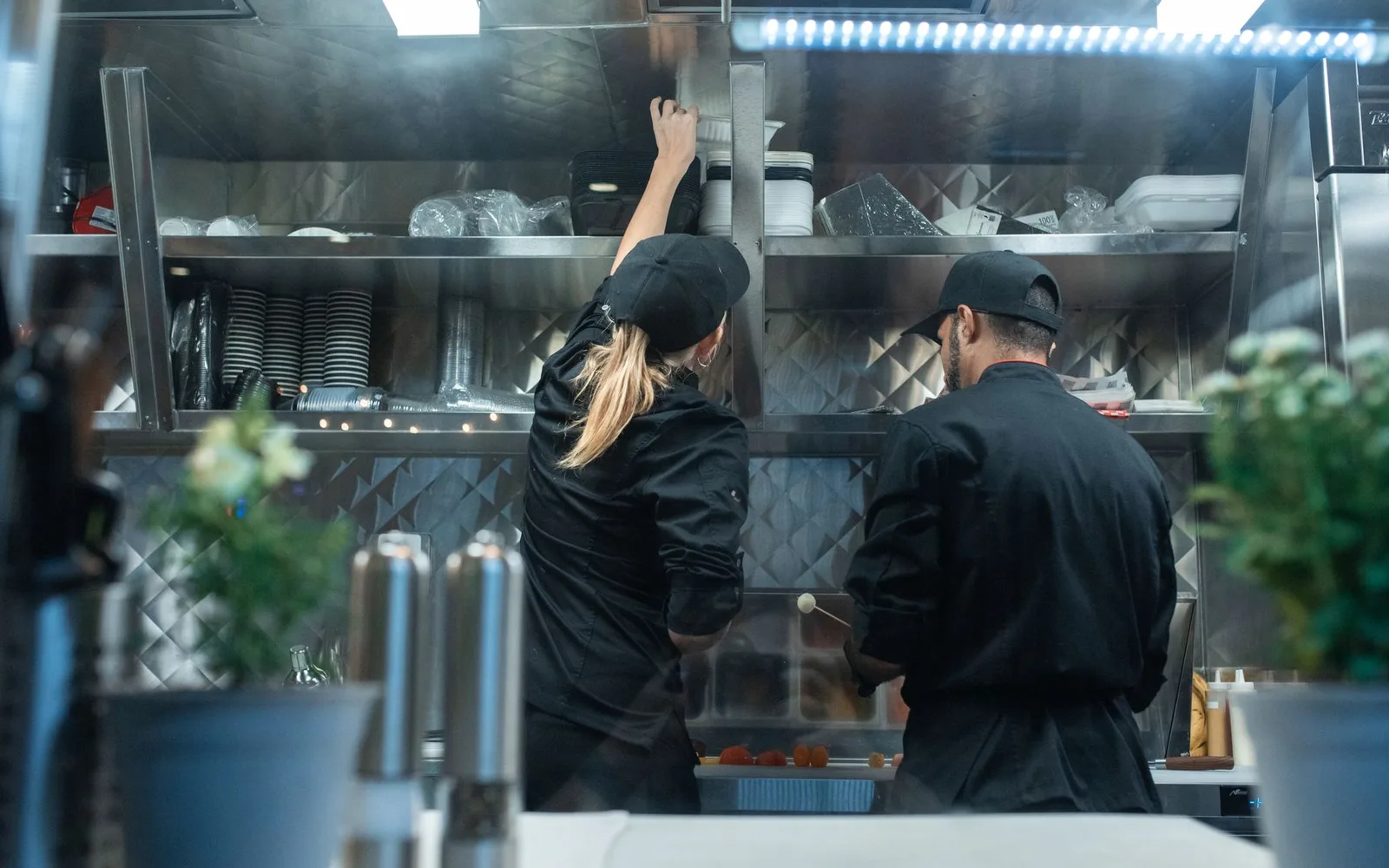
Restaurants and cafes in Al Maabdah Makkah
Al Maabdah sits in Wadi Ibrahim a short drive from the Grand Mosque, where old palaces and popular houses have become hotels, apartment blocks and pilgrim residences. Your restaurant here works amid dense residential housing, hospitals and hospitality buildings, which means layered pest pressure. The fabric is a mix of old foundations and new finishes, shared pipework and stacked flats. Treatment needs to account for this hybrid structure.
-
Targeted, not broadcast
Product goes into cracks and runways, never sprayed across open surfaces.
-
Told before we start
What we will use, where it goes, and what to cover or move before we arrive.
-
A follow-up visit
We return after the first treatment, because what survives it does not show on the day.
-
Homes and businesses
Apartments and villas, and kitchens and stores that need a record of each visit.
Why they keep coming back in Al Maabdah
Restaurants here serve pilgrims, tourists and residents, so kitchen pressure shifts sharply by season and holiday. Polished surfaces and hotel-standard finishes mask the pipe problems and sewer faults buried below them. What looks clean is often running on compromised infrastructure. The method is set out in full on Restaurants and cafes in detail.
Old structure clothed in modern renovation and fit-out
Heritage palaces and old family houses in Al Maabdah have had new storeys added or been converted to hotels. Original pipework may now run beneath new floors or pass through walls that were rebuilt and decorated. Cockroaches nest in the gaps between old building layers and new surfaces. The hybrid construction leaves hidden voids that hostel between unit and unit.
Seasonal occupancy swings and fluctuating pressure
Restaurants in hotels and seasonal pilgrim housing face sharp peaks during the Hajj and Umrah seasons and deep troughs in quieter months. This wild swing in guest numbers, food waste and kitchen load means a programme must flex seasonally. What works during Ramadan will not work in July, and a routine monthly visit misses the seasonal extremes.
Hospitals and hotels tower above smaller restaurants
King Faisal Hospital and nearby hotels run large buildings with centralised drainage networks and high footfall. Your restaurant sits close by, and insects and rodents can migrate from those larger populations into your kitchen. Success depends on understanding the pest traffic patterns of the whole precinct.
Al Maabdah on the map
Al Maabdah sits about 1 km from Al Rawdah and about 1.5 km from Al Jumayzah.
Open in Google MapsThe places that decide the programme
Al Maabdah mixes heritage family houses and palaces with modern hotels and apartment blocks along Al Maabdah Street and Al Masjid Al Haram Road. The building stock is old beneath the surfaces, with ageing foundations under newly renovated facades and modern interior fit-outs that have left gaps in the construction beneath.
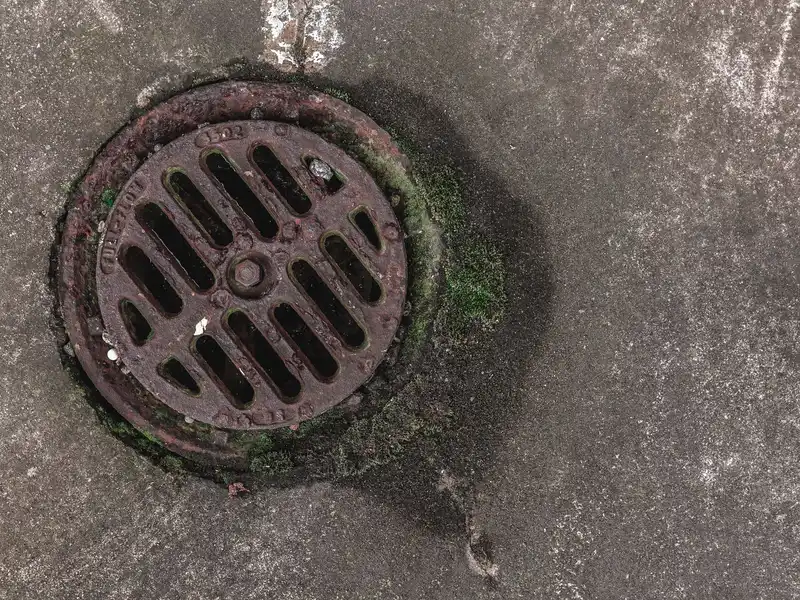
Gullies and the grease trap
Shared drain sumps between the hotel and your restaurant require a strong grease trap at every outflow point inside your kitchen, and regular checks to ensure the pipework does not clog.
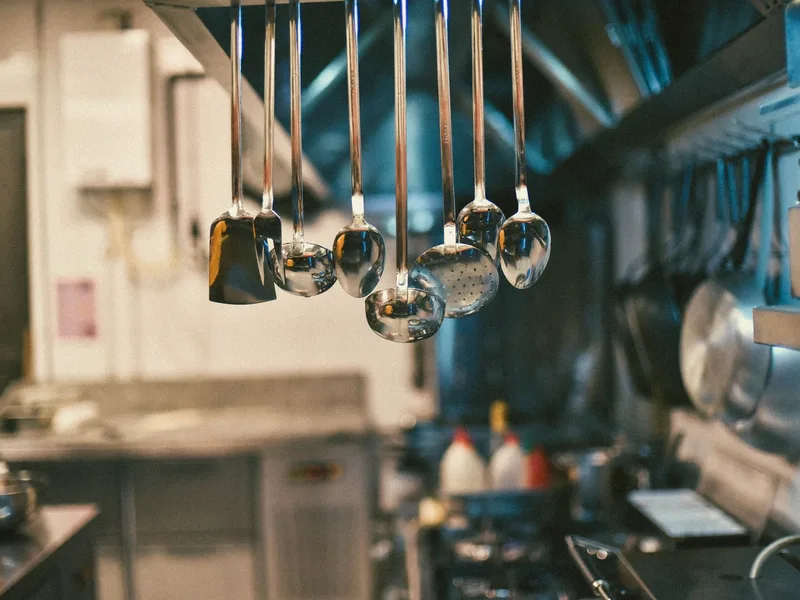
The cooking line and plinths
Hotel restaurant cooking lines are usually modern and visibly clean, but we inspect around equipment plinths and corners where insects hide in gaps between the machinery and walls.
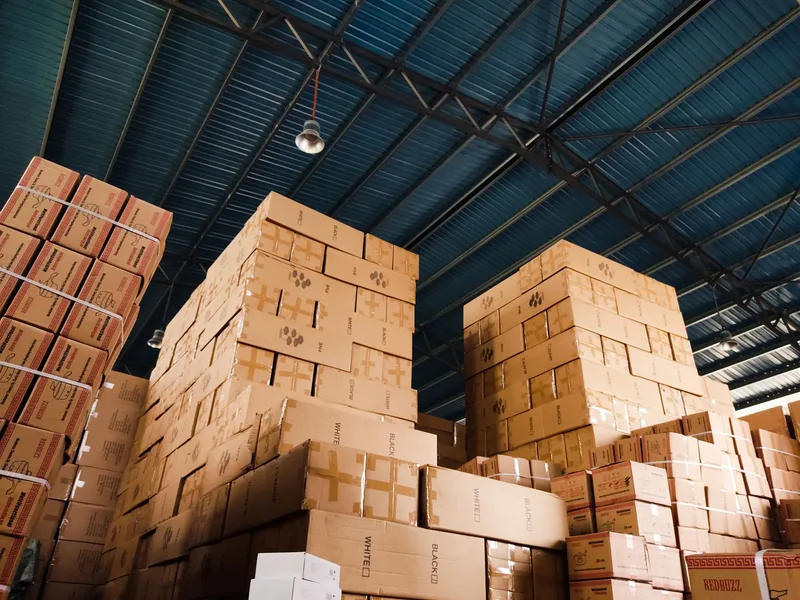
Cardboard at goods inwards
Cardboard arrives from multiple suppliers, so we inspect every delivery at the goods door and clear or treat it before it enters the dry store.
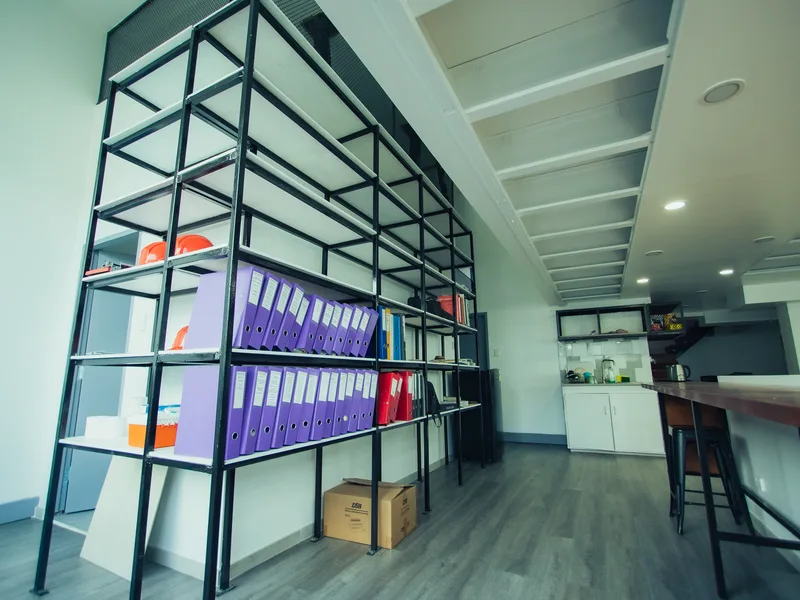
Dry store shelving
Dry store shelving in hotels is often in a locked storeroom or separate larder, so we check humidity and air flow and place monitoring points on each shelf tier.
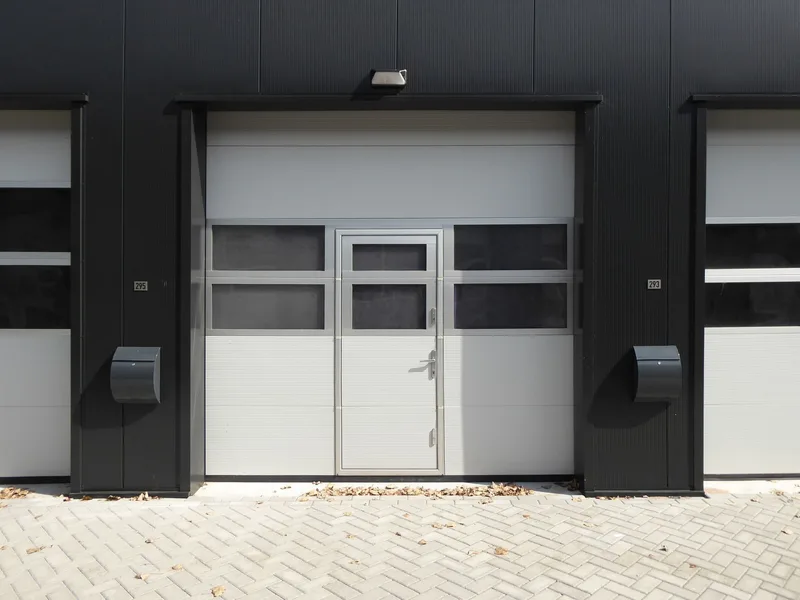
The back service door
The back service door often opens onto a shared hotel corridor or courtyard, so we fit a barrier at the threshold and inspect any shared passages from outside the kitchen.
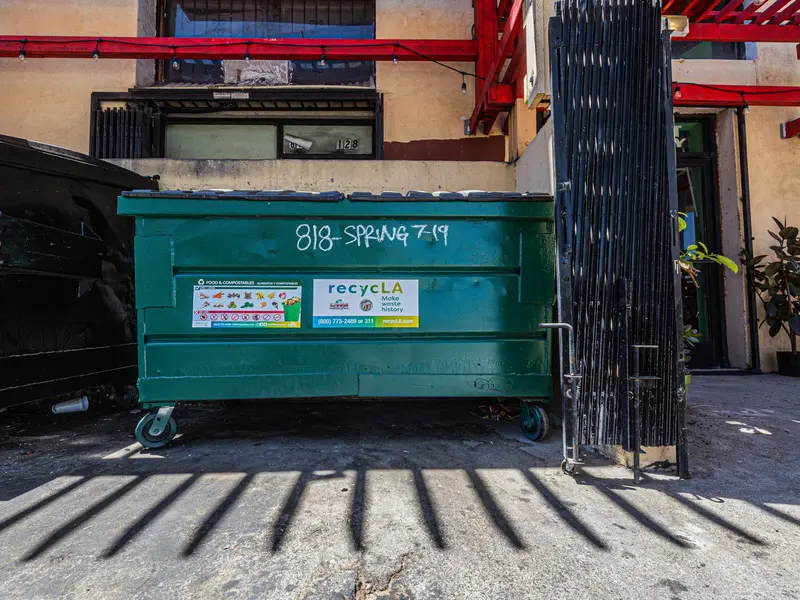
The bin area
The bin area may be centralised for the whole hotel, so we map its location precisely and treat the surrounding zone with clear monitoring points and safe distances from the kitchen door.
How we work
-
1
Survey and site plan
We follow the food route from delivery to waste, establish which species are present and where the moisture is, and mark the station positions on a plan of the kitchen and the store.
-
2
Install numbered monitoring points
Sealed, numbered stations in fixed positions, read in the same order every visit so the file shows a trend rather than an impression.
-
3
Treatment outside service hours
Gel bait into joints and voids, foam into the gullies and the grease trap, and nothing applied to preparation surfaces, with equipment covered and surfaces wiped down before service resumes.
-
4
Scheduled visits and the site file
Every visit reads the stations and records what was found, the corrective action needed, who owns it and by when, and the file stays on site to be shown at an inspection.
What a restaurant programme includes
-

Opening survey and site plan
Species, entry points and moisture sources, with a plan showing where every station sits.
-

Sealed, numbered stations
Bait held inside closed stations in food areas, never open product near preparation or storage.
-

Gully and grease trap treatment
Foam that contacts the pipe wall where small flies breed, which is the step most contracts skip.
-

Targeted application after closing
Into joints, voids and the store perimeter, at a time with no exposed food and no team in the kitchen.
-

Reopening instructions for the team
What to cover before, what to wipe after, and what not to wash so the treatment is not undone.
-

A visit report and a running log
Every station read, corrective actions with an owner and a date, and a continuous file to show at an inspection.
Landmarks of Al Maabdah
Work in Al Maabdah organises itself around its key locations. We use Al Maabdah Street as our main reference for eastern and northern approaches, and Al Masjid Al Haram Road to anchor the southern zones near Al Saqqaf Palace and King Faisal Hospital.
- Al Maabdah Street
- Al Masjid Al Haram Road
- Holy Capital Municipality
- King Faisal Hospital
- Al Saqqaf Palace
Questions about this district
My restaurant is inside a hotel. Do you visit at set times to avoid disturbing guests?
Yes, we schedule visits during late night hours or quiet periods between service times. We have worked with many Al Maabdah hotels and know the rhythm of peak hours and quiet spells.
Can you treat the shared hotel pipework that runs through the restaurant?
We focus on your own kitchen, but we provide the hotel management with a report on the condition of shared drains, the need for general sewer flushing and whether centralised treatment of common pipework would help.
During Hajj season pressure is much higher. Is a monthly programme enough?
No. During seasonal peaks we recommend weekly or twice-weekly treatment based on guest numbers and waste volume. We assess the actual load and create a seasonal schedule that rises during peak times and drops during quieter months.
Modern decor and polished floors mean no hidden pests, right?
Not at all. Modern decoration conceals old drainage problems and fissures beneath. We inspect below floor finishes and inside newly built walls because insects hide in the gaps between the old building core and its new exterior.
Can you also inspect the hospital kitchen next door?
No, we focus only on your restaurant. But you could suggest to the hospital that they arrange their own programme, because shared drainage networks may carry pest pressure from multiple sources.
Our regular cleaning is thorough. Do we really need a separate pest control programme?
Cleaning is essential but alone it is not enough, because insects hide in pipework, drains and structural fissures that cleaning cannot reach. A proper programme targets those hidden sites that general cleaning alone cannot address.
How much does restaurants and cafes in Al Maabdah cost?
It is set after the inspection, because the price follows the type of infestation, the size of the space, how far it has spread and the number of visits it needs. Send a photo and a description on WhatsApp and we will give you an estimate before we reach Al Maabdah.
Nearby districts we cover
Other services in Al Maabdah
Other services we provide to residents of Al Maabdah.
-
 Residential
Cockroach control
Residential
Cockroach control
-
 Residential
Bed bug control
Residential
Bed bug control
-
 Residential
Termite control
Residential
Termite control
-
 Residential
Rodents and mice
Residential
Rodents and mice
-
 Residential
Mosquito control
Residential
Mosquito control
-
 Residential
Fly control
Residential
Fly control
-
 Residential
Ant control
Residential
Ant control
-
 Residential
Gecko control
Residential
Gecko control
-
 Residential
Scorpion control
Residential
Scorpion control
-
 Residential
Snake control
Residential
Snake control
-
 Residential
Flea control
Residential
Flea control
-
 Residential
Bird and pigeon control
Residential
Bird and pigeon control
-
 Residential
Preventive treatment
Residential
Preventive treatment
-
 Residential
Disinfection
Residential
Disinfection
-
 Commercial
Annual contracts
Commercial
Annual contracts
-
 Commercial
Hotels and apartments
Commercial
Hotels and apartments
-
 Commercial
Warehouses and factories
Commercial
Warehouses and factories
-
 Commercial
Schools and nurseries
Commercial
Schools and nurseries
-
 Commercial
Retail and malls
Commercial
Retail and malls
-
 Commercial
Rest houses and farms
Commercial
Rest houses and farms
-
 Commercial
Fumigation
Commercial
Fumigation
-
 Water tanks
Water tank cleaning
Water tanks
Water tank cleaning
-
 Water tanks
Water tank sterilization
Water tanks
Water tank sterilization
-
 Water tanks
Water tank sealing
Water tanks
Water tank sealing
-
 Water tanks
Tank leak repair
Water tanks
Tank leak repair
Need restaurants and cafes in Al Maabdah? Tell us what you saw and we will tell you what it needs
We reach Al Maabdah at a time we agree, and you get the full cost before we start.