

Annual contracts in Al Ruwais Jeddah
Al Ruwais is an old district near the Corniche where 1960s and 1970s apartment blocks stand alongside new hotels and towers, with traditional quarters undergoing redevelopment scattered between them. Damp walls and broken drains characterise the older quarters, and an annual contract places fixed monitoring points through old and new buildings alike, because pests from the redeveloped quarters migrate into modern hotels via shared service passages and fractured underground drains.
-
Targeted, not broadcast
Product goes into cracks and runways, never sprayed across open surfaces.
-
Told before we start
What we will use, where it goes, and what to cover or move before we arrive.
-
A follow-up visit
We return after the first treatment, because what survives it does not show on the day.
-
Homes and businesses
Apartments and villas, and kitchens and stores that need a record of each visit.
Why they keep coming back in Al Ruwais
During development, excavation breaks old drains and exposes old buildings to open ground. Cockroaches and rats from demolished quarters migrate rapidly into new hotels and apartments along newly exposed service routes. The method is set out in full on how we approach Annual contracts.
Redevelopment mixes ageing and new construction side by side
Old quarters and 1960s blocks stand next to modern hotels and towers connected by shared service routes. Pests from the old, damp quarters enter new hotels via pipes and joint passages. The new hotel does not expect pests from the narrow street beside it and is unprepared for their scale.
Leaking water and construction site humidity
Foundation work and development break underground drains. Water leaks persist around both old and new building bases, maintaining high humidity that attracts mosquitoes and rodents seeking breeding and nesting sites.
Hail Street widens and old quarters are rebuilt
Redevelopment widens Hail Street and relocates old shops and homes, so residents move temporarily with their belongings and waste. Hungry pests searching for new dwellings multiply around the new buildings during this upheaval.
Al Ruwais on the map
Al Ruwais sits about 1.5 km from Al Sharafiyah and about 6 km from Al Naseem.
Open in Google MapsWhat sets the shape of the contract
Ongoing redevelopment leaves old quarters isolated next to new buildings. Water leaks from old drains beneath new foundations, creating permanently damp zones that are ideal for cockroach and rodent colonies.
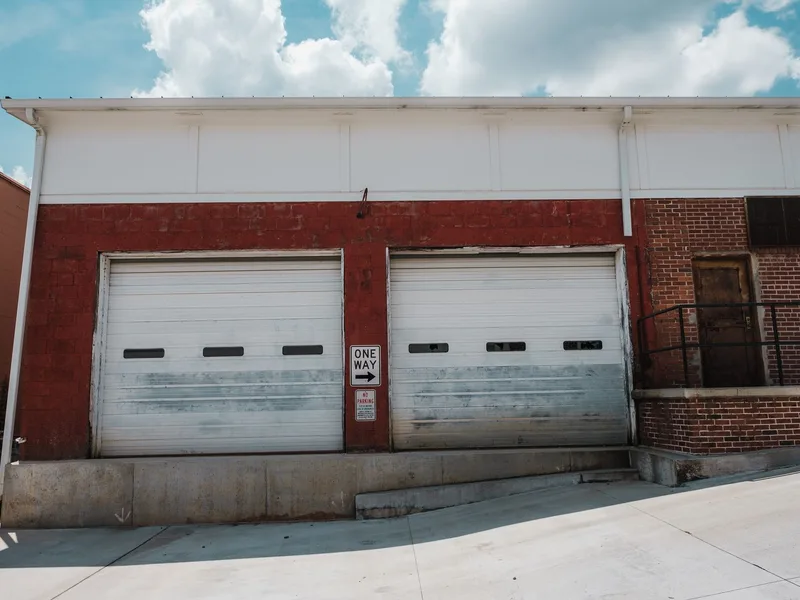
The goods-in door
The hotel or apartment entrance stands on Hail Street or the narrow passage beside old quarters, facing moisture and water from ongoing excavation.
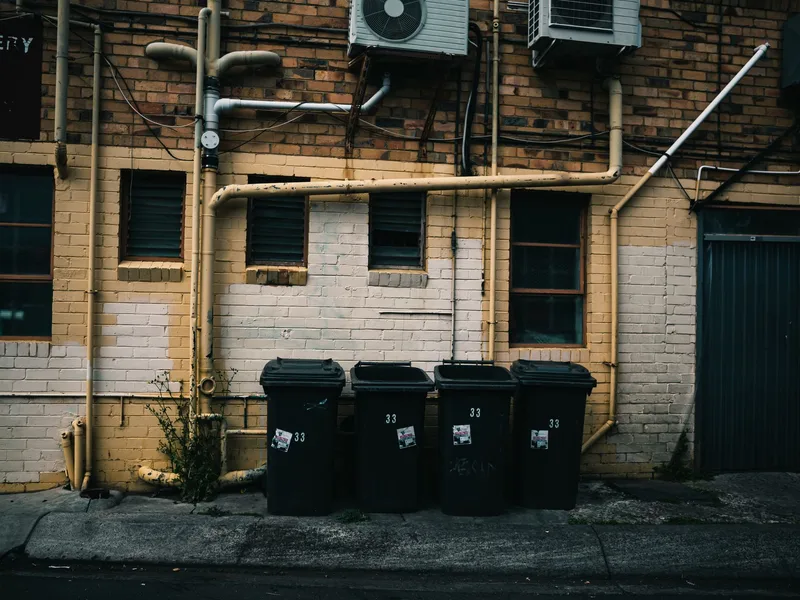
The waste area
Hotel, cafe and shop waste sits in bins near the entry. Old quarters beside you pile refuse openly, exposed on unpaved ground.
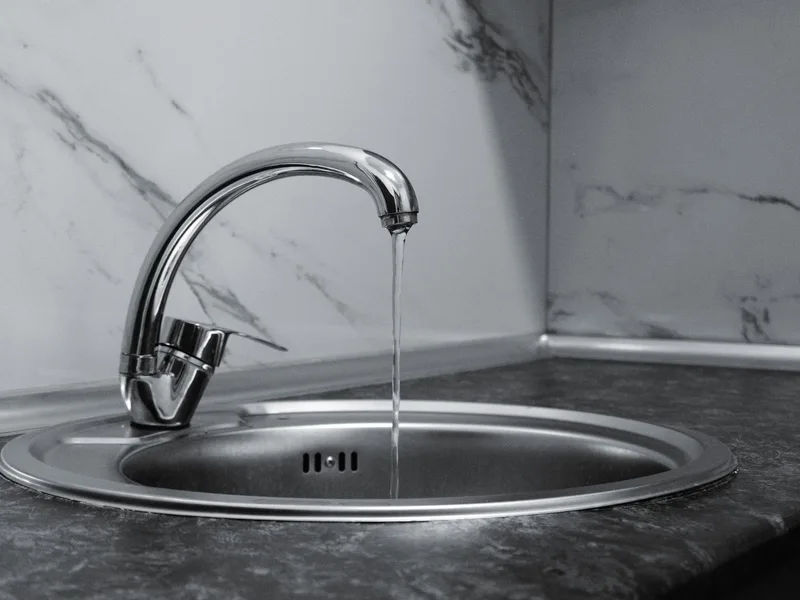
Drains and grease traps
Old drains beneath the site are shared; new drains are separate. Water leaks from old lines into new foundations and collects in development excavations.
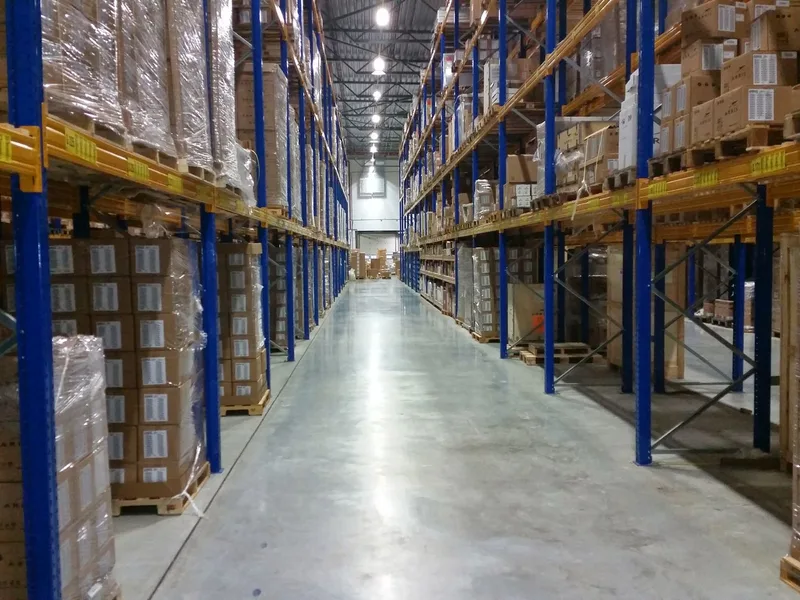
Dry store and pallets
Food and dry goods in the hotel sit on secure shelving. Fixed monitoring points track pest entry from service passages running towards old quarters.
Fixed, numbered points
Numbered points cover the hotel, apartment blocks, shared passages and the roof, all recorded on one plan updated as redevelopment progresses.

The file itself
The record holds monthly reports tracking infestation during redevelopment, and how new stability reduces pressure over time.
How we work
-
1
Survey and risk assessment
We walk the building from the goods-in door through preparation, stores and washrooms, and record the species pressure, the entry routes, the moisture and which areas carry which level of risk.
-
2
The plan, the map and the frequency
We number the monitoring positions on a plan of the site, agree the visit frequency from what each area handles and how open the building is, and agree who receives and signs the report.
-
3
The scheduled visits
Every visit reads the same route, point by point, records the reading even when it is nil, and treats the area the reading calls for rather than the whole building.
-
4
Review and reading the trend
We read the visits together rather than one at a time: where the readings climbed, which corrective actions are still open, and whether an area needs more points or closer visits.
What the annual contract includes
-

Opening survey and site plan
A walk that fixes the risk areas and the entry routes, and a plan with the monitoring positions numbered before anything is installed.
-

Numbered monitoring points
Fixed positions on a set route, opened, read and logged every visit, and replaced when damaged.
-

Targeted treatment when called for
On the cracks, junctions and service areas the reading points to, and outside operating hours where that is needed.
-

Drains and waste areas
Floor gullies, grease traps and the ground around the containers on every visit, because that is the source that renews itself.
-

Report and corrective actions
After every visit: what was found, what was applied and where, and what the site needs to fix, such as a door gap or a missing drain cover.
-

Scheduled visits and visits in between
A schedule agreed in the contract, plus a visit when activity appears between two dates, logged like any other.
What is different about Al Sharafiyah Sub-Municipality
The Al Sharafiyah sub municipality runs across central Jeddah from Al Ruwais near the Corniche eastwards through Al Sharafiyah, Al Wurud and Bani Malik to Al Naseem at the Haramain Road. It was among the first areas to grow beyond the old wall, and it is dominated by dense apartment blocks over shops along King Fahd Road and Palestine Street, with old popular quarters, the Bani Malik market, car workshops and storerooms. Ageing buildings, worn drainage and the refuse of restaurants and markets make cockroaches and rodents the most persistent pests, and humidity rises towards the sea.
Questions about this district
Our hotel is brand new and immaculate. Why do we need an annual contract amid old quarters?
Your new hotel receives pests via shared foundations, service passages and old drains connecting you to the quarters beside you. The annual contract monitors entry points and shared infrastructure even if your building itself is pristine.
Does redevelopment increase pests temporarily or permanently?
Dramatically and temporarily. Excavation displaces pests from old quarters and exposes them to buildings they have never colonised. The contract increases visit frequency during active redevelopment.
Do monitoring points watch shared service passages leading to old quarters?
Yes. Points go on the passage entrance and around pipe and drain exits. The report logs whether activity is entering from the adjacent side.
After redevelopment finishes, can we reduce visits and points?
Yes. Once old quarters are rebuilt and stable, frequency can drop. But if shared drains remain old, ongoing monitoring is still necessary.
Old residents move multiple times during redevelopment. Does that affect the contract?
Yes. Temporary residents leave waste and bring pests from new locations. The contract focuses on buildings and passages, not on residents' movements.
Haifa Mall and the International Medical Center are next to us. Are they on our contract?
No, each building has its own contract. But if drains run jointly beneath you, your monitoring points track the boundary.
How much does annual contracts in Al Ruwais cost?
It is set after the inspection, because the price follows the type of infestation, the size of the space, how far it has spread and the number of visits it needs. Send a photo and a description on WhatsApp and we will give you an estimate before we reach Al Ruwais.
Nearby districts we cover
Other services in Al Ruwais
Other services we provide to residents of Al Ruwais.
-
 Residential
Cockroach control
Residential
Cockroach control
-
 Residential
Bed bug control
Residential
Bed bug control
-
 Residential
Termite control
Residential
Termite control
-
 Residential
Rodents and mice
Residential
Rodents and mice
-
 Residential
Mosquito control
Residential
Mosquito control
-
 Residential
Fly control
Residential
Fly control
-
 Residential
Ant control
Residential
Ant control
-
 Residential
Gecko control
Residential
Gecko control
-
 Residential
Scorpion control
Residential
Scorpion control
-
 Residential
Snake control
Residential
Snake control
-
 Residential
Flea control
Residential
Flea control
-
 Residential
Bird and pigeon control
Residential
Bird and pigeon control
-
 Residential
Preventive treatment
Residential
Preventive treatment
-
 Residential
Disinfection
Residential
Disinfection
-
 Commercial
Restaurants and cafes
Commercial
Restaurants and cafes
-
 Commercial
Hotels and apartments
Commercial
Hotels and apartments
-
 Commercial
Warehouses and factories
Commercial
Warehouses and factories
-
 Commercial
Schools and nurseries
Commercial
Schools and nurseries
-
 Commercial
Retail and malls
Commercial
Retail and malls
-
 Commercial
Rest houses and farms
Commercial
Rest houses and farms
-
 Commercial
Fumigation
Commercial
Fumigation
-
 Water tanks
Water tank cleaning
Water tanks
Water tank cleaning
-
 Water tanks
Water tank sterilization
Water tanks
Water tank sterilization
-
 Water tanks
Water tank sealing
Water tanks
Water tank sealing
-
 Water tanks
Tank leak repair
Water tanks
Tank leak repair
Need annual contracts in Al Ruwais? Tell us what you saw and we will tell you what it needs
We reach Al Ruwais at a time we agree, and you get the full cost before we start.