

Annual contracts in Al Sharafiyah Jeddah
Al Sharafiyah is a dense commercial district along King Fahd Road where shops occupy the ground floors and apartment blocks rise above them, and an annual contract here means monitoring shops, offices and rented flats as one system, because insects move freely through shared hallways and vertical pipe runs.
-
Targeted, not broadcast
Product goes into cracks and runways, never sprayed across open surfaces.
-
Told before we start
What we will use, where it goes, and what to cover or move before we arrive.
-
A follow-up visit
We return after the first treatment, because what survives it does not show on the day.
-
Homes and businesses
Apartments and villas, and kitchens and stores that need a record of each visit.
Why they keep coming back in Al Sharafiyah
Shared passages between flats and offices see constant traffic from permanent residents and temporary workers, which makes it easy for insects to move between floors and spread quickly through the building. The method is set out in full on the full Annual contracts page.
Shops and flats in one structure
Commercial premises below occupied flats, some permanent and some rented to temporary residents, create a tension point: food waste from the shops raises moisture and odour, and empty flats above provide safe harbouring for insects between visits, making a single contract necessary.
Dense shared circulation
Passages and stairs shared between levels connect shops to flats, and insects do not respect the boundary between commercial and residential use. A single annual contract must monitor all entry points and principal junctions in both zones.
Unified drains and numbered points
Stormwater and foul drains run horizontally beneath all shops and flats together, which means the annual monitoring contract must place numbered points that serve the whole building, not separate contracts for each shop or flat.
The character of Al Sharafiyah
Commercial area: offices, showrooms and small stores
The commercial zone has shops that require strict checking because food waste accumulates there, and flats above need protection because residents report insects climbing from below. The annual contract must monitor shops, passages and flats together using numbered points across all zones.
What sets the shape of the contract
The ground floor shops and residential blocks above them on King Fahd Road create a single pest network: food waste from the shops raises moisture and odour that rises through the building into the flats above.
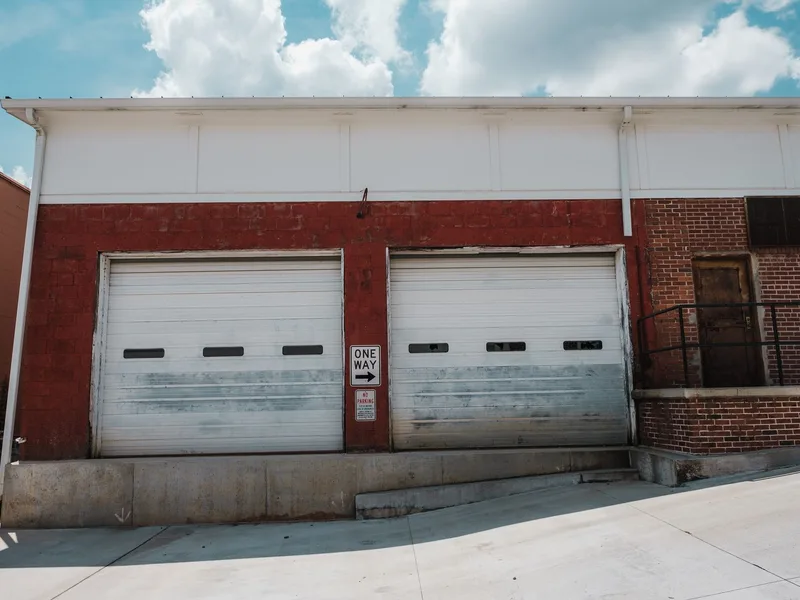
The goods-in door
The goods-in door at the shop must carry a dedicated monitoring point, especially if the shop receives daily deliveries of produce or packaged food that can carry insect stages.
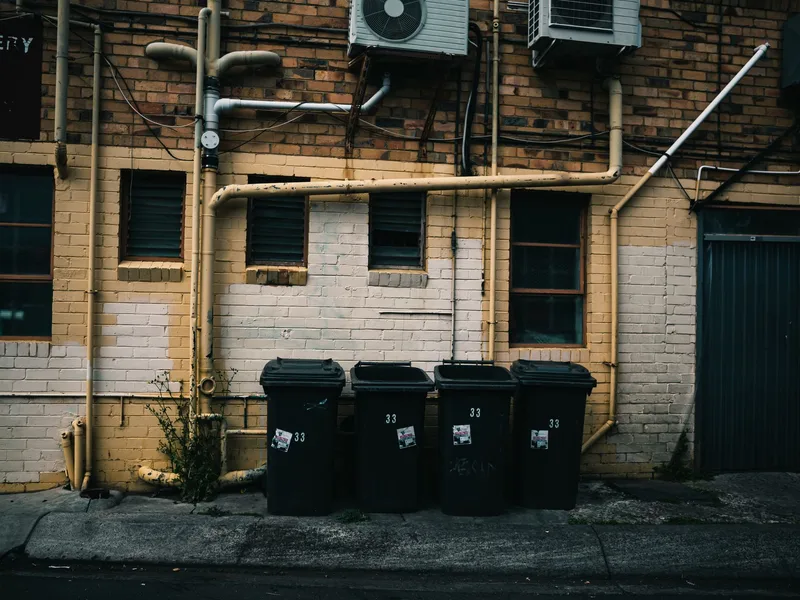
The waste area
The waste area at ground level collects debris from both shop and flats together, and the annual contract places a numbered point there because it is the gathering point before insects climb upward into the building.
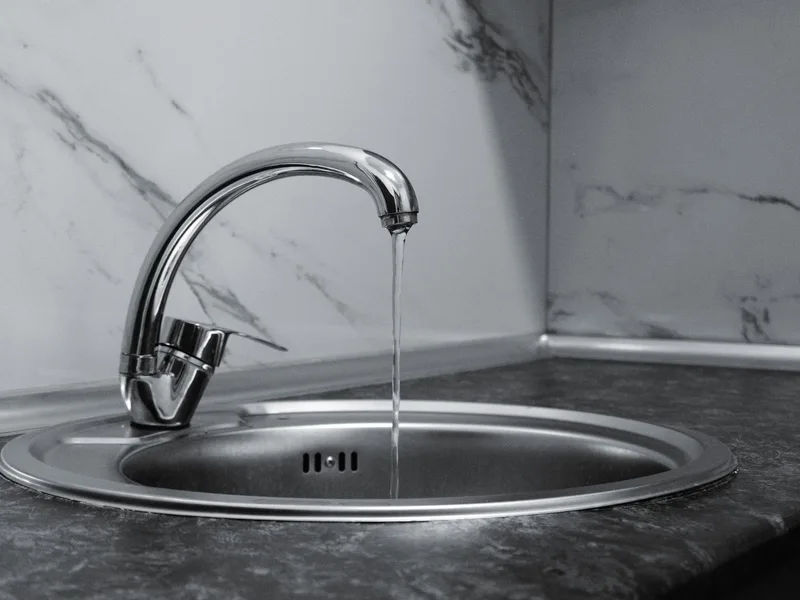
Drains and grease traps
Drains from shop and flats run through shared underground channels, and monitoring points cover these pathways to block insect spread between floors and prevent re-infestation from below.
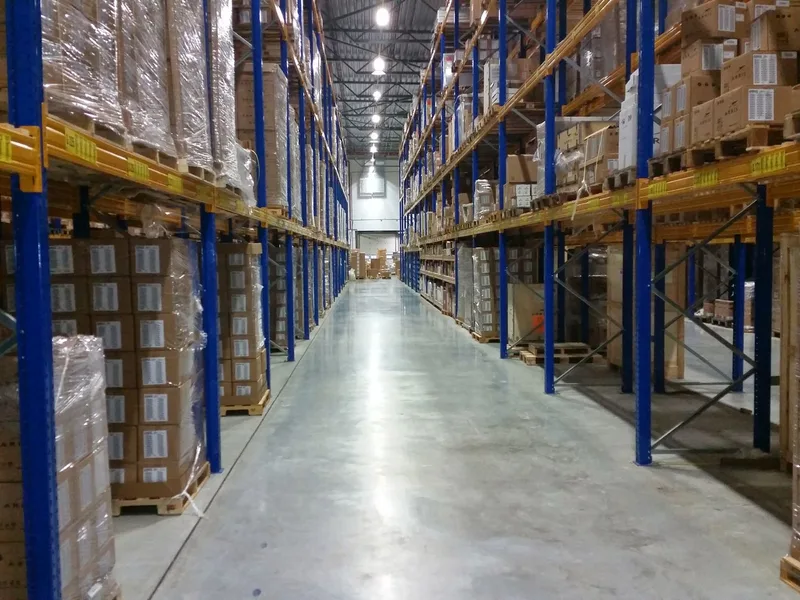
Dry store and pallets
The dry store in the shop may be cramped and the flats have no separate pantries, but numbered points in passages and bathrooms detect activity before insects reach food storage areas above.
Fixed, numbered points
Numbered points are positioned at the shop entrance, the main building door, passages and selected flats. Each point carries a number recorded in the monthly report so it is clear where problems occur.

The file itself
The file holds visit dates, the point map, a building plan and a list of monitored flats. If residents change or the shop owner changes, the file updates easily to reflect the new occupants.
How we work
-
1
Survey and risk assessment
We walk the building from the goods-in door through preparation, stores and washrooms, and record the species pressure, the entry routes, the moisture and which areas carry which level of risk.
-
2
The plan, the map and the frequency
We number the monitoring positions on a plan of the site, agree the visit frequency from what each area handles and how open the building is, and agree who receives and signs the report.
-
3
The scheduled visits
Every visit reads the same route, point by point, records the reading even when it is nil, and treats the area the reading calls for rather than the whole building.
-
4
Review and reading the trend
We read the visits together rather than one at a time: where the readings climbed, which corrective actions are still open, and whether an area needs more points or closer visits.
What the annual contract includes
-

Opening survey and site plan
A walk that fixes the risk areas and the entry routes, and a plan with the monitoring positions numbered before anything is installed.
-

Numbered monitoring points
Fixed positions on a set route, opened, read and logged every visit, and replaced when damaged.
-

Targeted treatment when called for
On the cracks, junctions and service areas the reading points to, and outside operating hours where that is needed.
-

Drains and waste areas
Floor gullies, grease traps and the ground around the containers on every visit, because that is the source that renews itself.
-

Report and corrective actions
After every visit: what was found, what was applied and where, and what the site needs to fix, such as a door gap or a missing drain cover.
-

Scheduled visits and visits in between
A schedule agreed in the contract, plus a visit when activity appears between two dates, logged like any other.
Landmarks of Al Sharafiyah
The annual contract in Al Sharafiyah is ordered by King Fahd Road running through the district. Numbered points are positioned near shops on King Saud Mosque, which marks the southern boundary, and Dr Bakhsh Hospital, which marks the eastern edge.
- King Fahd Road
- King Saud Mosque
- Dr Bakhsh Hospital
- Khalid ibn Al Walid Street
- Othman ibn Affan Street
- University of Jeddah (Al Sharafiyah campus)
Questions about this district
Do shops beneath occupied residential flats need an annual contract?
Yes, because food waste from the shops attracts insects that climb into the flats through shared hallways and vertical runs, and an annual contract places numbered monitoring points that protect the entire building together.
Do empty flats between visits provide shelter for insects to hide?
Closed flats and those rented to temporary workers provide safe harbour for insects during gaps between visits, so monitoring points must be inside flats and passages together, not outside the building only.
Can the shop contract be separated from the residential contract?
No, because insects travel freely between levels through drains, passages and cracks. A unified contract cuts off pathways and establishes multiple defensive lines at different heights throughout the building.
Do shops with direct street frontage on King Fahd Road need extra points?
Yes, shops open directly onto the road receive insects from street-level traffic and adjoining shops, so they need monitoring points at the entrance and added observation in back passages and service areas.
Can the shop remain open during the monthly inspection visit?
Operations usually continue, but shop staff and residents must be notified before each visit. The annual contract includes treatments during fixed times that do not disrupt commercial hours or residents' sleep.
Does the report explain whether insects came from the shop or the street?
The report records what was found at each numbered point. If shop points show higher activity than passage points, the problem originates in the shop; if the reverse is true, insects are entering from outside and climbing upward.
How much does annual contracts in Al Sharafiyah cost?
It is set after the inspection, because the price follows the type of infestation, the size of the space, how far it has spread and the number of visits it needs. Send a photo and a description on WhatsApp and we will give you an estimate before we reach Al Sharafiyah.
Other services in Al Sharafiyah
Other services we provide to residents of Al Sharafiyah.
-
 Residential
Cockroach control
Residential
Cockroach control
-
 Residential
Bed bug control
Residential
Bed bug control
-
 Residential
Termite control
Residential
Termite control
-
 Residential
Rodents and mice
Residential
Rodents and mice
-
 Residential
Mosquito control
Residential
Mosquito control
-
 Residential
Fly control
Residential
Fly control
-
 Residential
Ant control
Residential
Ant control
-
 Residential
Gecko control
Residential
Gecko control
-
 Residential
Scorpion control
Residential
Scorpion control
-
 Residential
Snake control
Residential
Snake control
-
 Residential
Flea control
Residential
Flea control
-
 Residential
Bird and pigeon control
Residential
Bird and pigeon control
-
 Residential
Preventive treatment
Residential
Preventive treatment
-
 Residential
Disinfection
Residential
Disinfection
-
 Commercial
Restaurants and cafes
Commercial
Restaurants and cafes
-
 Commercial
Hotels and apartments
Commercial
Hotels and apartments
-
 Commercial
Warehouses and factories
Commercial
Warehouses and factories
-
 Commercial
Schools and nurseries
Commercial
Schools and nurseries
-
 Commercial
Retail and malls
Commercial
Retail and malls
-
 Commercial
Rest houses and farms
Commercial
Rest houses and farms
-
 Commercial
Fumigation
Commercial
Fumigation
-
 Water tanks
Water tank cleaning
Water tanks
Water tank cleaning
-
 Water tanks
Water tank sterilization
Water tanks
Water tank sterilization
-
 Water tanks
Water tank sealing
Water tanks
Water tank sealing
-
 Water tanks
Tank leak repair
Water tanks
Tank leak repair
Need annual contracts in Al Sharafiyah? Tell us what you saw and we will tell you what it needs
We reach Al Sharafiyah at a time we agree, and you get the full cost before we start.