
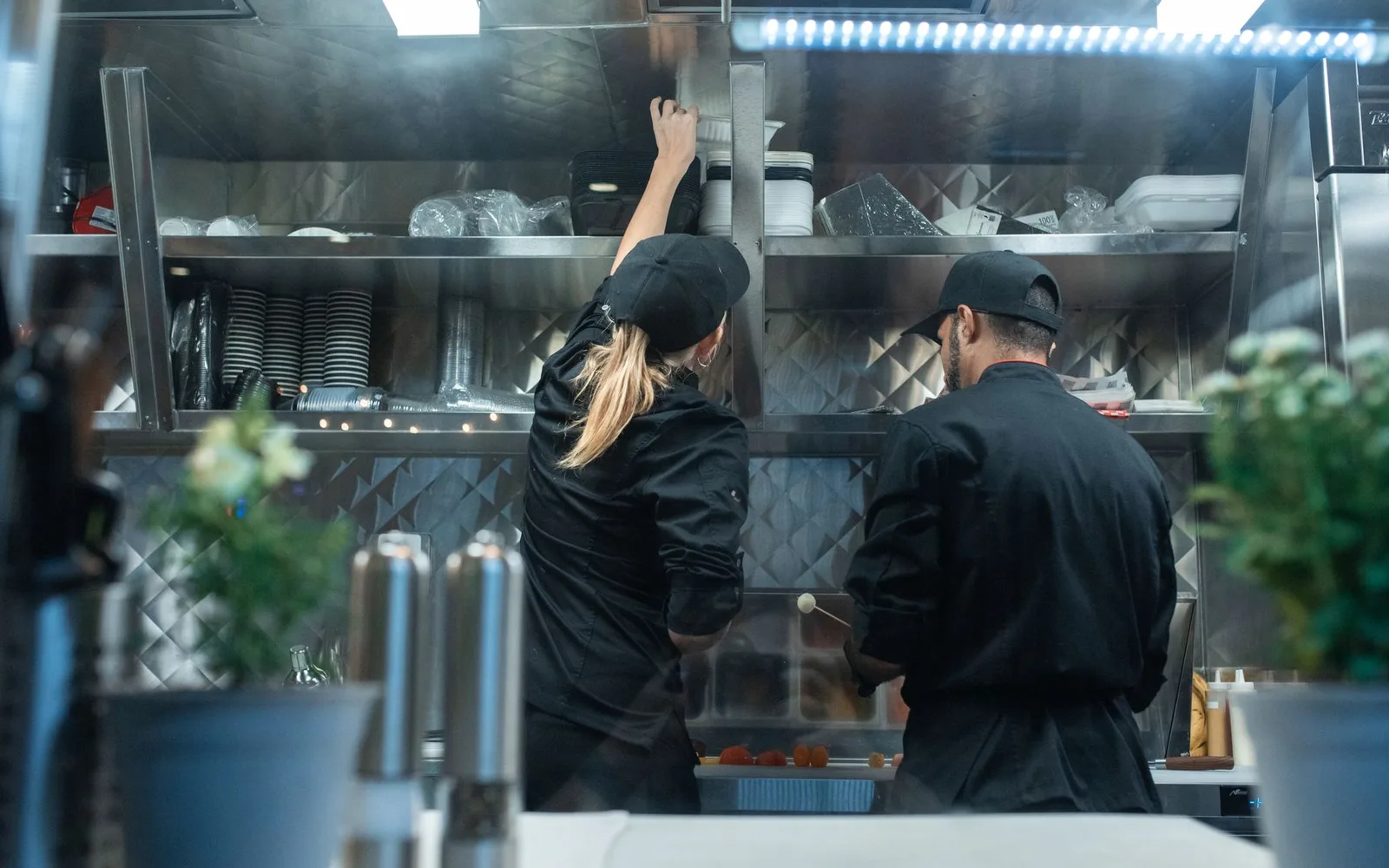
Restaurants and cafes in Al Ruwais Jeddah
Al Ruwais is an ageing district west of Madinah Road close to the Corniche, where decades old apartment blocks stand beside newer buildings and clinics. The mix of ages means cockroaches colonise very old pipes permanently, whilst newer restaurants may have modern plumbing. But proximity to the sea dominates: humidity is high year round and salt air penetrates every gap, making mosquito breeding possible even in winter.
-
Targeted, not broadcast
Product goes into cracks and runways, never sprayed across open surfaces.
-
Told before we start
What we will use, where it goes, and what to cover or move before we arrive.
-
A follow-up visit
We return after the first treatment, because what survives it does not show on the day.
-
Homes and businesses
Apartments and villas, and kitchens and stores that need a record of each visit.
Why they keep coming back in Al Ruwais
Restaurants here operate in a district under redevelopment, with some buildings dating back four decades and others recently built. Plumbing standards and construction quality vary sharply from one establishment to the next. The method is set out in full on Restaurants and cafes in detail.
Very old pipes provide permanent cockroach refuges
Parts of Al Ruwais were built forty years ago or longer. Original drainage pipes have never been replaced and cockroach colonies live inside them permanently, migrating to kitchens for food then returning to breed. External treatment cannot reach inside ageing pipes. The only solution is intensive monitoring and rigorous sealing of all entry points where pipes meet the building.
Coastal humidity sustains mosquito breeding year round
Al Ruwais is minutes from the Corniche. Sea humidity penetrates walls and ventilation shafts. Warm salt air creates conditions where mosquito larvae thrive in stagnant drains even in winter, when most inland areas see population decline. Mosquitoes here are not seasonal but present in varying numbers throughout the year.
Development and demolition create fresh cracks in adjoining buildings
Al Ruwais is under continuous redevelopment. Adjacent to construction sites, ground vibrations and excavation work fracture the walls and foundations of neighbouring buildings. Restaurants next to building works receive insect pressure directly from exposed soil and open trenches.
Al Ruwais on the map
Al Ruwais sits about 1.5 km from Al Sharafiyah and about 6 km from Al Naseem.
Open in Google MapsThe places that decide the programme
The district lies just minutes from the Corniche on low coastal ground. Sea humidity saturates the air and penetrates building fabric. Drainage on this flat terrain is slow and stagnant, creating permanent pools where insect larvae thrive.
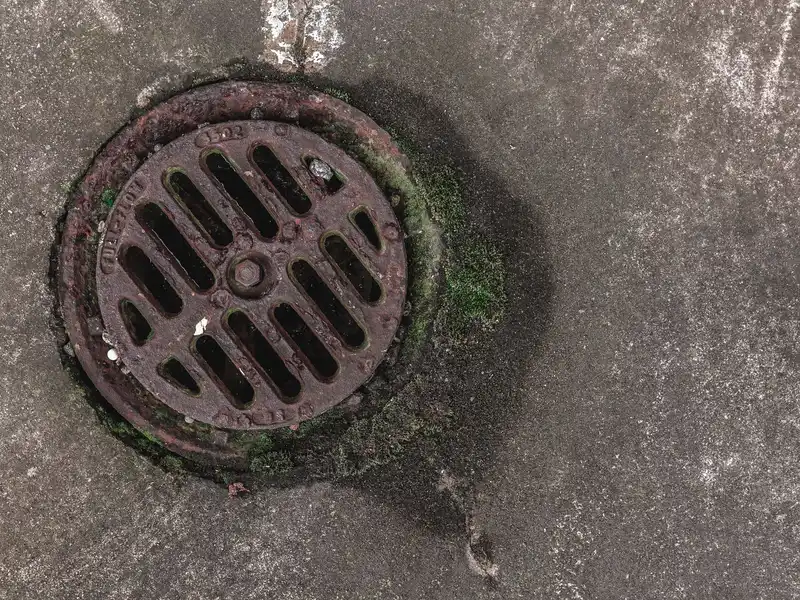
Gullies and the grease trap
The Corniche is close and salt air humidity remains high year round. Drain lines stay wet even in winter, and fly and mosquito breeding accelerates steadily.
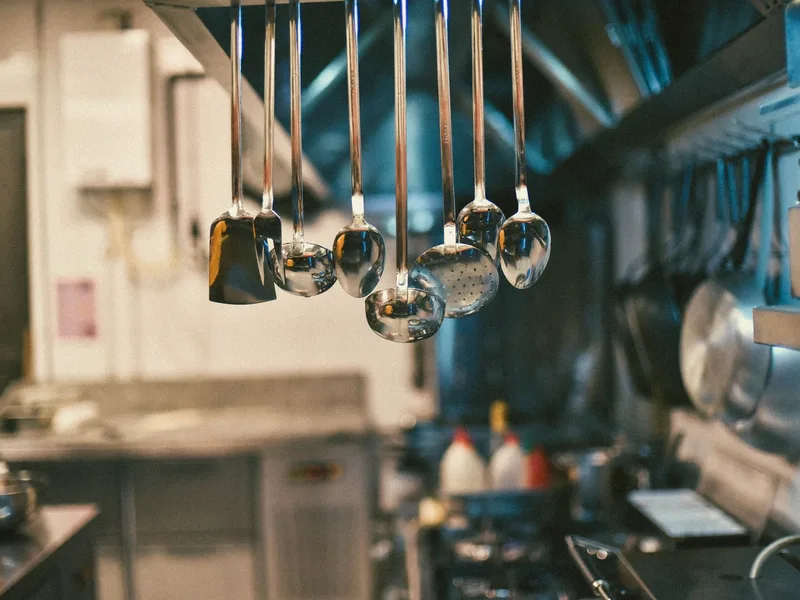
The cooking line and plinths
The cooking line suffers from permanent moisture. Old plinths and floor edges crack from continuous humidity exposure, requiring regular inspection, caulking and professional sealing with approved materials.
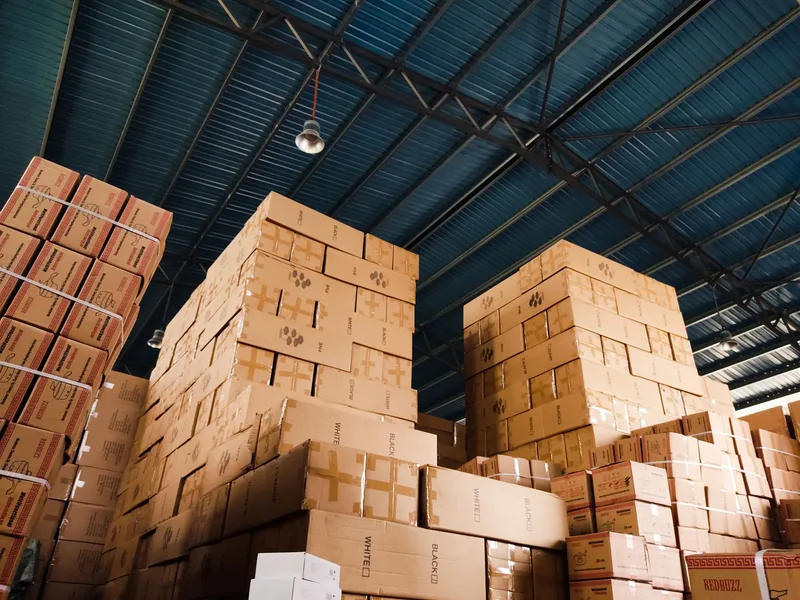
Cardboard at goods inwards
Stock boxes absorb sea moisture and visible inspection is insufficient. All boxes must be opened, inspected inside, and aired before storage to prevent hidden infestations.
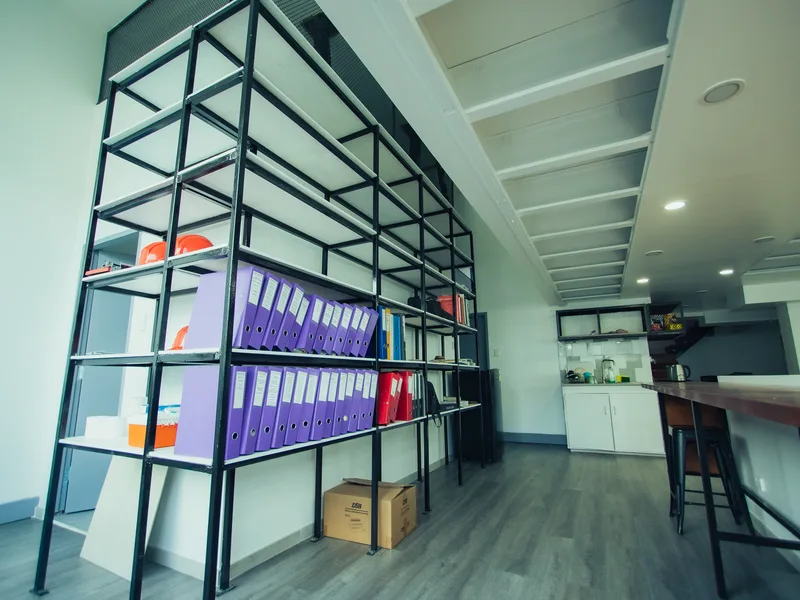
Dry store shelving
Dry stores require continuous ventilation because sea air penetrates the walls. A dry storeroom can remain wet for weeks if exterior humidity is not managed.
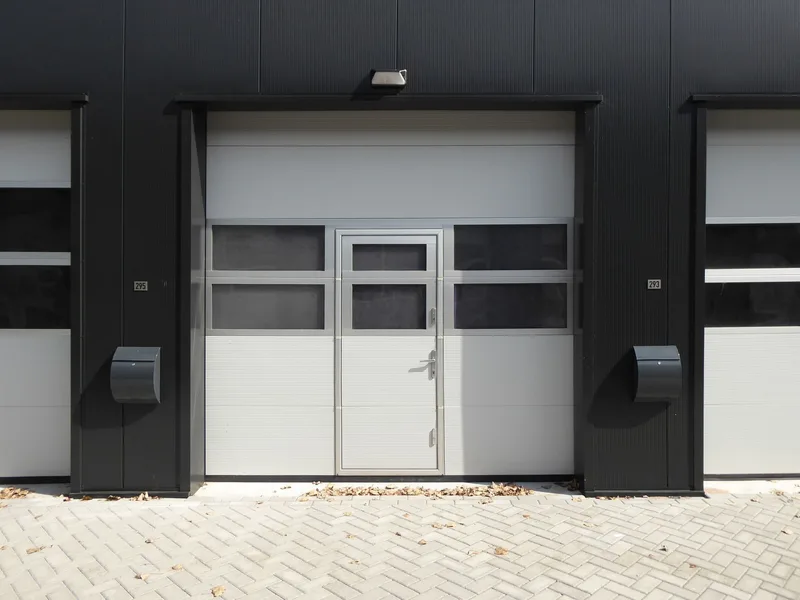
The back service door
The back service door needs daily inspection because coastal humidity attracts small mosquitoes and flies near the opening. A heavy duty fitted trap and daily visual checks are essential.
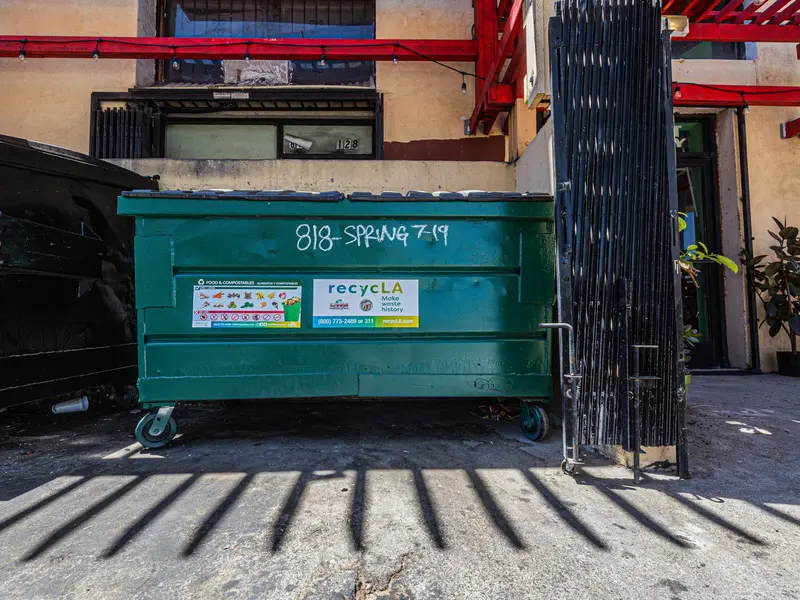
The bin area
Bins are close to the Corniche and humidity is always high. Smells disperse easily over longer distances in salt air, attracting insects from well beyond the immediate area. Daily washing, drying and covering of bins is the minimum standard.
How we work
-
1
Survey and site plan
We follow the food route from delivery to waste, establish which species are present and where the moisture is, and mark the station positions on a plan of the kitchen and the store.
-
2
Install numbered monitoring points
Sealed, numbered stations in fixed positions, read in the same order every visit so the file shows a trend rather than an impression.
-
3
Treatment outside service hours
Gel bait into joints and voids, foam into the gullies and the grease trap, and nothing applied to preparation surfaces, with equipment covered and surfaces wiped down before service resumes.
-
4
Scheduled visits and the site file
Every visit reads the stations and records what was found, the corrective action needed, who owns it and by when, and the file stays on site to be shown at an inspection.
What a restaurant programme includes
-

Opening survey and site plan
Species, entry points and moisture sources, with a plan showing where every station sits.
-

Sealed, numbered stations
Bait held inside closed stations in food areas, never open product near preparation or storage.
-

Gully and grease trap treatment
Foam that contacts the pipe wall where small flies breed, which is the step most contracts skip.
-

Targeted application after closing
Into joints, voids and the store perimeter, at a time with no exposed food and no team in the kitchen.
-

Reopening instructions for the team
What to cover before, what to wipe after, and what not to wash so the treatment is not undone.
-

A visit report and a running log
Every station read, corrective actions with an owner and a date, and a continuous file to show at an inspection.
What is different about Al Sharafiyah Sub-Municipality
The Al Sharafiyah sub municipality runs across central Jeddah from Al Ruwais near the Corniche eastwards through Al Sharafiyah, Al Wurud and Bani Malik to Al Naseem at the Haramain Road. It was among the first areas to grow beyond the old wall, and it is dominated by dense apartment blocks over shops along King Fahd Road and Palestine Street, with old popular quarters, the Bani Malik market, car workshops and storerooms. Ageing buildings, worn drainage and the refuse of restaurants and markets make cockroaches and rodents the most persistent pests, and humidity rises towards the sea.
Questions about this district
Do cockroaches live permanently in very old pipes or do they move in and out?
In Al Ruwais, the original pipework provides perfect year round habitat for cockroach colonies to live in continuously. They do not migrate in and out; they reside there, making brief foraging trips to the kitchen for food. Treatment must be continuous and monitoring traps at every pipe exit are non negotiable.
Can pipes be treated from inside or does internal application damage the plumbing?
Internal pipe treatment is impractical and risks damaging the plumbing. The solution is careful monitoring at pipe exit points, sealing of all apertures, and elimination of gaps around pipes where they enter the building. Treatment targets the entry points, not the pipes themselves.
Do mosquitoes come from the sea or breed in our own drains?
Both. Mosquitoes drift in from the Corniche on sea winds and also breed in the stagnant street sewers beneath you. Sea humidity accelerates breeding in both sources.
Does cleaning Al Ruwais Park reduce mosquitoes around our restaurant?
The park contains a pond and irrigated lawns where mosquitoes breed readily. Restaurants far from the park still receive mosquitoes from the street drains below. Park treatment is helpful but treating the drains directly beneath the restaurant is equally important.
Do nearby construction sites and excavations push insects toward our restaurant?
Yes, directly. Exposed soil and open trenches harbour rodents and insects. Vibration from pile driving and excavation forces them to seek shelter, and they often find it in adjacent restaurants with established food sources.
Are newly built restaurants in Al Ruwais better protected than older ones?
New builds have superior construction and modern pipework, but Al Ruwais itself is a coastal location where humidity and mosquitoes challenge every restaurant regardless of build age. Modern construction helps, but it does not eliminate the pressure imposed by the coastal setting.
How much does restaurants and cafes in Al Ruwais cost?
It is set after the inspection, because the price follows the type of infestation, the size of the space, how far it has spread and the number of visits it needs. Send a photo and a description on WhatsApp and we will give you an estimate before we reach Al Ruwais.
Nearby districts we cover
Other services in Al Ruwais
Other services we provide to residents of Al Ruwais.
-
 Residential
Cockroach control
Residential
Cockroach control
-
 Residential
Bed bug control
Residential
Bed bug control
-
 Residential
Termite control
Residential
Termite control
-
 Residential
Rodents and mice
Residential
Rodents and mice
-
 Residential
Mosquito control
Residential
Mosquito control
-
 Residential
Fly control
Residential
Fly control
-
 Residential
Ant control
Residential
Ant control
-
 Residential
Gecko control
Residential
Gecko control
-
 Residential
Scorpion control
Residential
Scorpion control
-
 Residential
Snake control
Residential
Snake control
-
 Residential
Flea control
Residential
Flea control
-
 Residential
Bird and pigeon control
Residential
Bird and pigeon control
-
 Residential
Preventive treatment
Residential
Preventive treatment
-
 Residential
Disinfection
Residential
Disinfection
-
 Commercial
Annual contracts
Commercial
Annual contracts
-
 Commercial
Hotels and apartments
Commercial
Hotels and apartments
-
 Commercial
Warehouses and factories
Commercial
Warehouses and factories
-
 Commercial
Schools and nurseries
Commercial
Schools and nurseries
-
 Commercial
Retail and malls
Commercial
Retail and malls
-
 Commercial
Rest houses and farms
Commercial
Rest houses and farms
-
 Commercial
Fumigation
Commercial
Fumigation
-
 Water tanks
Water tank cleaning
Water tanks
Water tank cleaning
-
 Water tanks
Water tank sterilization
Water tanks
Water tank sterilization
-
 Water tanks
Water tank sealing
Water tanks
Water tank sealing
-
 Water tanks
Tank leak repair
Water tanks
Tank leak repair
Need restaurants and cafes in Al Ruwais? Tell us what you saw and we will tell you what it needs
We reach Al Ruwais at a time we agree, and you get the full cost before we start.