

Annual contracts in Al Faisaliyah Jeddah
Al Faisaliyah is an older central district of north Jeddah with dense apartment blocks, villas squeezed between them and Sari Street as its commercial spine lined with restaurants, banks and furnished flats. King Fahd Road cuts through; decades-old water and sewer lines run under it all, and constant commercial cooking feeds a permanent cockroach and rodent population.
-
Targeted, not broadcast
Product goes into cracks and runways, never sprayed across open surfaces.
-
Told before we start
What we will use, where it goes, and what to cover or move before we arrive.
-
A follow-up visit
We return after the first treatment, because what survives it does not show on the day.
-
Homes and businesses
Apartments and villas, and kitchens and stores that need a record of each visit.
Why they keep coming back in Al Faisaliyah
High resident density, continuous commercial cooking and ageing pipes that leak create a permanent environment for cockroaches and rodents that cannot be eliminated by a single call-out but demands constant scheduled monitoring. The method is set out in full on how we approach Annual contracts.
Dense commercial kitchens feed constant pest pressure
Al Faisaliyah is not plain residential but a commercial district where streets such as Sari, Quraish and Sultan bin Salman swarm with restaurants, cafes, hotels and furnished flats. Multiple commercial kitchens, constant food waste and leaking drains provide perpetual food and water to cockroaches and rodents. The annual contract places numbered points in every kitchen and waste zone to track whether populations are stable or surging.
Ageing pipes and gaps between units spread pests horizontally and vertically
Buildings raised decades ago have exposed or hidden pipes running through walls and around fittings. Gaps between residential units and furnished flats mean a pest outbreak in one flat spreads rapidly to neighbours. Fixed monitoring points detect this cross-unit movement before a single building becomes infested.
High turnover and seasonal workers bring new infestations
Furnished flats and hotel units turn over constantly, with seasonal workers and visitors bringing pests from their origins. Visitation ramps up in high-turnover seasons and the record flags when new pest activity appears, distinguishing it from endemic populations to show whether infestations are external or internal.
Al Faisaliyah on the map
Al Faisaliyah sits about 3 km from Al Rabwah and about 3 km from Al Bawadi.
Open in Google MapsWhat sets the shape of the contract
The buildings date from decades ago, with much of the water and sewer infrastructure equally old. Commercial streets throng with restaurants, furnished flats and popular markets, all sharing ageing pipes and close quarters.
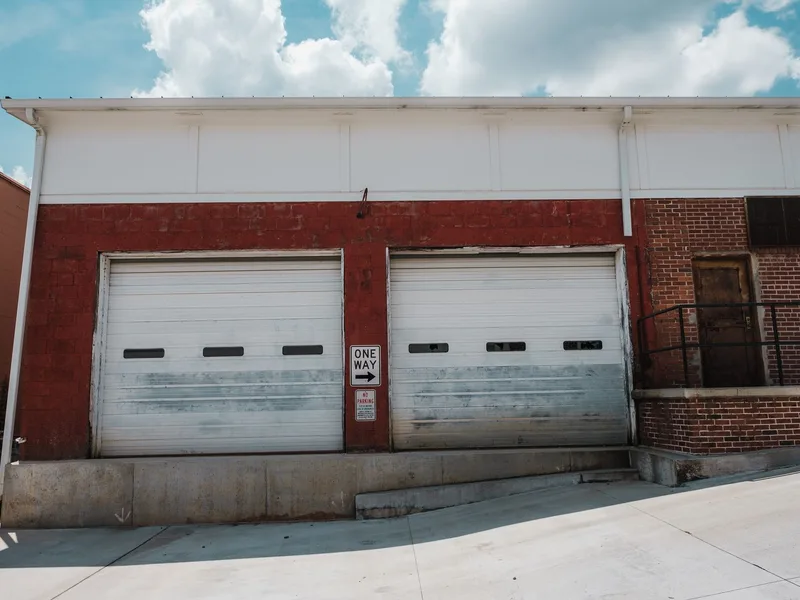
The goods-in door
Multiple goods-in doors serve restaurants, hotels and furnished flats, each receiving food deliveries, supplies or guest arrivals. Every door is an entry point where pests from the busy commercial street can gain indoor access.
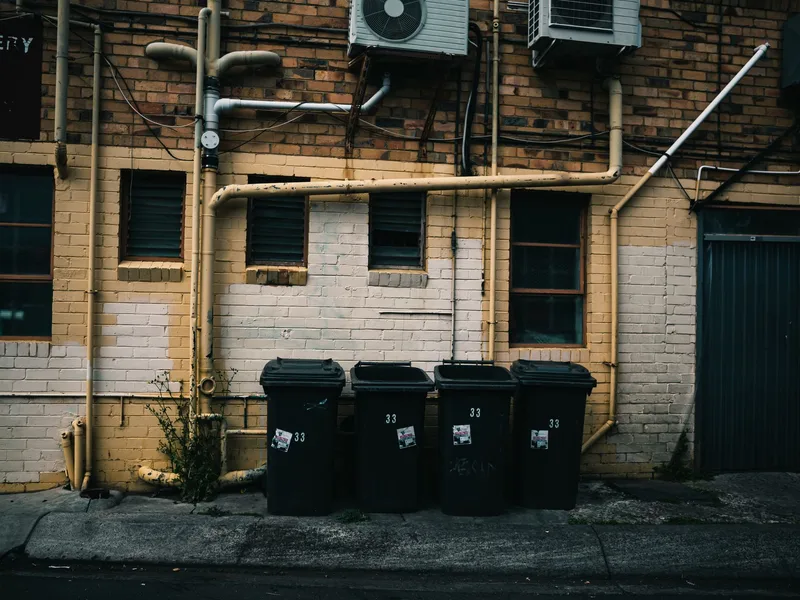
The waste area
Waste zones scatter across the restaurant, flat and hotel zones, each type attracting different pests based on waste composition. Moisture from shared drains makes every waste area ideal for pest breeding.
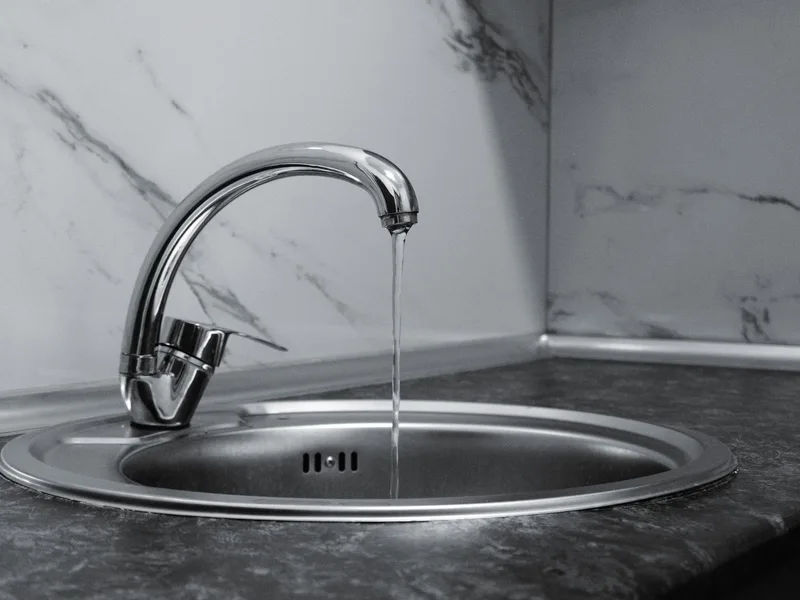
Drains and grease traps
Drains and grease traps from numerous commercial kitchens, many bathrooms and service areas provide constant flow of food and moisture, drawing cockroaches and insects in permanent numbers.
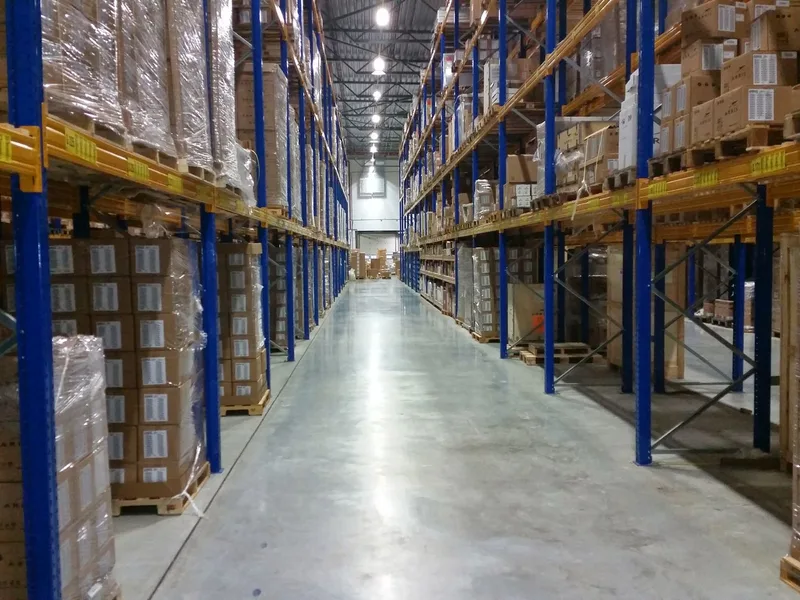
Dry store and pallets
Dry storage is limited in flats and restaurants, and moisture from adjacent old pipes and walls penetrates storage rooms, creating damp refuges for pests and mould.

Fixed, numbered points
Fixed numbered points run through every restaurant kitchen, residential floor, hotel corridor and service zone, coded by use type and read in the same sequence every visit to detect pest movement between different occupancy types.

The file itself
The annual file records pest seasonality and the contrast between peak and slack periods, movement between restaurants and flats, and the correlation between leaking pipes and rising pest activity.
How we work
-
1
Survey and risk assessment
We walk the building from the goods-in door through preparation, stores and washrooms, and record the species pressure, the entry routes, the moisture and which areas carry which level of risk.
-
2
The plan, the map and the frequency
We number the monitoring positions on a plan of the site, agree the visit frequency from what each area handles and how open the building is, and agree who receives and signs the report.
-
3
The scheduled visits
Every visit reads the same route, point by point, records the reading even when it is nil, and treats the area the reading calls for rather than the whole building.
-
4
Review and reading the trend
We read the visits together rather than one at a time: where the readings climbed, which corrective actions are still open, and whether an area needs more points or closer visits.
What the annual contract includes
-

Opening survey and site plan
A walk that fixes the risk areas and the entry routes, and a plan with the monitoring positions numbered before anything is installed.
-

Numbered monitoring points
Fixed positions on a set route, opened, read and logged every visit, and replaced when damaged.
-

Targeted treatment when called for
On the cracks, junctions and service areas the reading points to, and outside operating hours where that is needed.
-

Drains and waste areas
Floor gullies, grease traps and the ground around the containers on every visit, because that is the source that renews itself.
-

Report and corrective actions
After every visit: what was found, what was applied and where, and what the site needs to fix, such as a door gap or a missing drain cover.
-

Scheduled visits and visits in between
A schedule agreed in the contract, plus a visit when activity appears between two dates, logged like any other.
What is different about Airport Sub-Municipality
The Airport sub-municipality covers some of the oldest established districts of northern Jeddah, gathered around King Abdulaziz International Airport between Madinah Road, King Fahd Road and Prince Majid Road. The stock is villas, single family houses and apartment blocks built decades ago, many served by ageing water and sewer lines. Commercial streets such as Quraish, Sari and Sultan bin Salman are lined with restaurants, furnished flats and popular markets. Dense commercial kitchens, worn pipework and the gaps in older buildings give cockroaches and rodents steady food and shelter, and the high resident population keeps that pressure constant through the year.
Questions about this district
How do you manage restaurants and furnished flats that open and close rapidly?
Monitoring points are fixed in restaurants, common corridors and shared zones between flats. Regular visits catch new pest activity from transient occupants before it spreads to the permanent residential flats or adjacent restaurants.
Do ageing pipes need separate assessment from pest control?
The report documents pipe condition and moisture around drains because pests colonise leaking and wet pipes fast. If we find critical leaks, we recommend building repairs before pests become the larger problem.
How often does a dense commercial district like Al Faisaliyah need monitoring?
Monthly minimum, perhaps fortnightly during peak seasons. The initial survey sets the frequency based on actual building condition, restaurant density and resident turnover observed on site.
Do furnished flats need different treatment from permanent residential flats?
Yes. Furnished flats often contain second-hand furniture that may carry pests on arrival. Monitoring points in furnished units watch for new activity closely, and treatment needs coordinated timing because guests may check in at any time.
Can restaurants, flats and the hotel be covered in one schedule or do they need separate visits?
One unified circuit is best, because it shows the whole pattern of pest movement between restaurant, residential and hotel zones. Each zone has different monitoring points, but a single visit reads all points in the same order.
Does the report distinguish between restaurant pests and residential flat pests?
Yes, broken down by use type. It shows which pest species are in the restaurants, which in the flats and which in the shared corridors, helping identify the source and showing which zone needs the strongest treatment.
How much does annual contracts in Al Faisaliyah cost?
It is set after the inspection, because the price follows the type of infestation, the size of the space, how far it has spread and the number of visits it needs. Send a photo and a description on WhatsApp and we will give you an estimate before we reach Al Faisaliyah.
Other services in Al Faisaliyah
Other services we provide to residents of Al Faisaliyah.
-
 Residential
Cockroach control
Residential
Cockroach control
-
 Residential
Bed bug control
Residential
Bed bug control
-
 Residential
Termite control
Residential
Termite control
-
 Residential
Rodents and mice
Residential
Rodents and mice
-
 Residential
Mosquito control
Residential
Mosquito control
-
 Residential
Fly control
Residential
Fly control
-
 Residential
Ant control
Residential
Ant control
-
 Residential
Gecko control
Residential
Gecko control
-
 Residential
Scorpion control
Residential
Scorpion control
-
 Residential
Snake control
Residential
Snake control
-
 Residential
Flea control
Residential
Flea control
-
 Residential
Bird and pigeon control
Residential
Bird and pigeon control
-
 Residential
Preventive treatment
Residential
Preventive treatment
-
 Residential
Disinfection
Residential
Disinfection
-
 Commercial
Restaurants and cafes
Commercial
Restaurants and cafes
-
 Commercial
Hotels and apartments
Commercial
Hotels and apartments
-
 Commercial
Warehouses and factories
Commercial
Warehouses and factories
-
 Commercial
Schools and nurseries
Commercial
Schools and nurseries
-
 Commercial
Retail and malls
Commercial
Retail and malls
-
 Commercial
Rest houses and farms
Commercial
Rest houses and farms
-
 Commercial
Fumigation
Commercial
Fumigation
-
 Water tanks
Water tank cleaning
Water tanks
Water tank cleaning
-
 Water tanks
Water tank sterilization
Water tanks
Water tank sterilization
-
 Water tanks
Water tank sealing
Water tanks
Water tank sealing
-
 Water tanks
Tank leak repair
Water tanks
Tank leak repair
Need annual contracts in Al Faisaliyah? Tell us what you saw and we will tell you what it needs
We reach Al Faisaliyah at a time we agree, and you get the full cost before we start.