

Annual contracts in Al Taqwa Makkah
Al Taqwa is a newly developing district on Al Taqwa Street south of Al Misfalah, where a steep informal settlement was cleared under the slum redevelopment programme. Land grant housing and building works now cover the hillside alongside open excavated ground and construction sites. The annual contract places numbered monitoring points on access routes, openings and developing areas, with monthly reports tracking pests before they establish in newly completed homes.
-
Targeted, not broadcast
Product goes into cracks and runways, never sprayed across open surfaces.
-
Told before we start
What we will use, where it goes, and what to cover or move before we arrive.
-
A follow-up visit
We return after the first treatment, because what survives it does not show on the day.
-
Homes and businesses
Apartments and villas, and kitchens and stores that need a record of each visit.
Why they keep coming back in Al Taqwa
Development and excavation release pests from ancient soil. New homes are incomplete and the boundaries between inhabited and open ground are unclear. Insects enter from adjacent construction sites before building is finished and seals are complete. The method is set out in full on how we approach Annual contracts.
Active excavation and building creates new insect habitats
Development cleared an informal settlement, and now land lies excavated waiting for construction. Digging breaks open ancient soil and releases insects that lay dormant there. Rubble and exposed earth attract flies and beetles. New homes standing beside open construction sites face direct exposure. Numbered points are placed on the boundary between excavated ground and new buildings.
New homes have incomplete seals and unfinished fabric
Land grant housing is built quickly and seals and barriers may be imperfect. Small gaps and cracks develop with rain and temperature swings. Insects enter easily. The annual contract monitors these evolving weak points and treats before they become serious infestations.
The nearby popular market and garden refuse are continuous pest sources
The popular market on Al Taqwa Street is dense and waste accumulates there. Agricultural refuse and organic waste attract insects heavily. Air and dust carry insects from the market to neighbouring new homes. Numbered points along Al Taqwa Street track all this activity.
Al Taqwa on the map
Al Taqwa sits about 1.5 km from Al Misfalah and about 2.5 km from Kudai.
Open in Google MapsWhat sets the shape of the contract
The zone is under continuous development with excavated ground, construction tracks and active building work. New homes stand beside surviving older structures, popular street markets nearby, and Al Taqwa Street carries strong daily foot and vehicular traffic through the district.
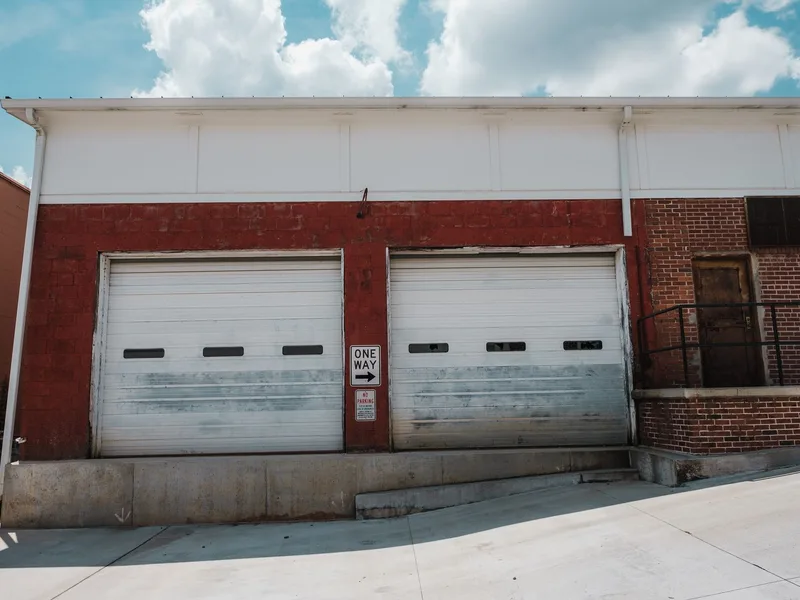
The goods-in door
The front door of the new home close to an open construction site is directly exposed to excavation pests and rubble, and the contract places a numbered monitoring point there to intercept pests before they enter.
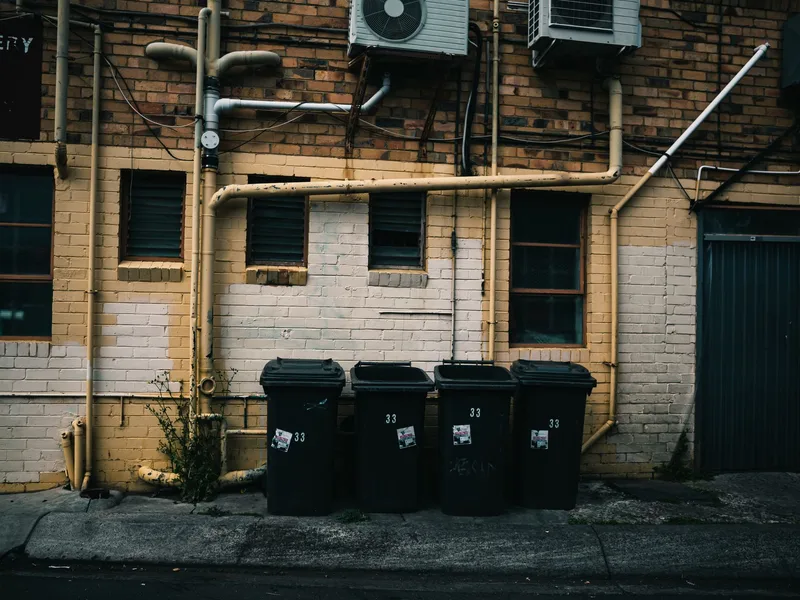
The waste area
The refuse zone of the new home may be bordered by construction debris and excavation spoil, and monitoring points are positioned away from refuse containers but track insects entering from the construction site.
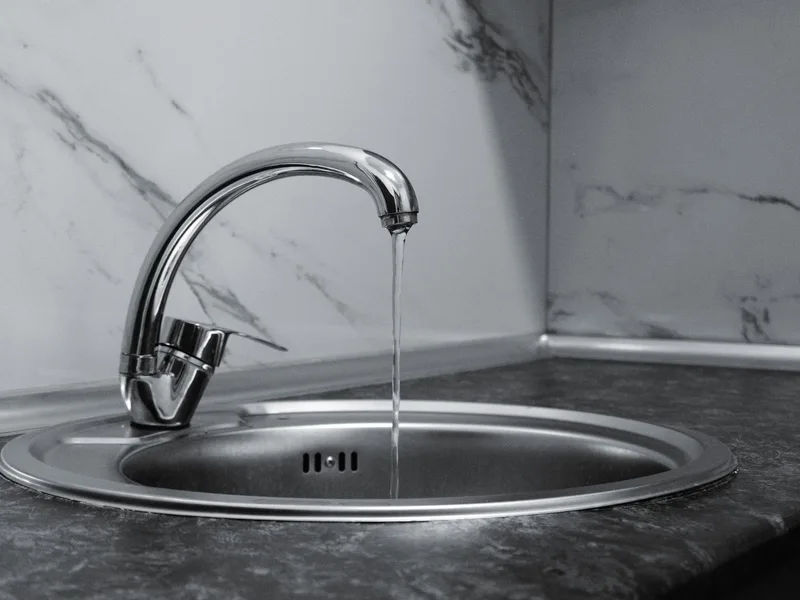
Drains and grease traps
Drains from the new home may run beside old abandoned pipes or open excavation trenches, and the contract marks and seals all new and old drain openings to prevent entry through them.
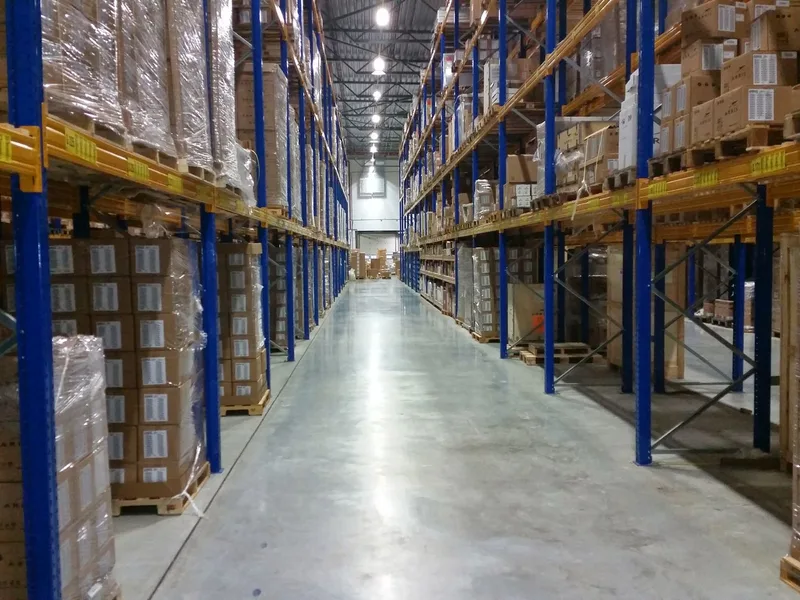
Dry store and pallets
The dry storage and kitchen of the new home may sit close to the foundation and external walls, and monitoring points are positioned there to catch insects entering from soil and exterior zones.
Fixed, numbered points
Numbered points are placed along the boundary of the home and construction site: at the foundation line, external corners, high level vents and approach passages, so movement from any direction is tracked.

The file itself
The file holds a site map showing the home, construction zone boundaries and the location and number of each monitoring point photographed in place, and monthly reports show which points recorded activity and which zones face heaviest pest exposure.
How we work
-
1
Survey and risk assessment
We walk the building from the goods-in door through preparation, stores and washrooms, and record the species pressure, the entry routes, the moisture and which areas carry which level of risk.
-
2
The plan, the map and the frequency
We number the monitoring positions on a plan of the site, agree the visit frequency from what each area handles and how open the building is, and agree who receives and signs the report.
-
3
The scheduled visits
Every visit reads the same route, point by point, records the reading even when it is nil, and treats the area the reading calls for rather than the whole building.
-
4
Review and reading the trend
We read the visits together rather than one at a time: where the readings climbed, which corrective actions are still open, and whether an area needs more points or closer visits.
What the annual contract includes
-

Opening survey and site plan
A walk that fixes the risk areas and the entry routes, and a plan with the monitoring positions numbered before anything is installed.
-

Numbered monitoring points
Fixed positions on a set route, opened, read and logged every visit, and replaced when damaged.
-

Targeted treatment when called for
On the cracks, junctions and service areas the reading points to, and outside operating hours where that is needed.
-

Drains and waste areas
Floor gullies, grease traps and the ground around the containers on every visit, because that is the source that renews itself.
-

Report and corrective actions
After every visit: what was found, what was applied and where, and what the site needs to fix, such as a door gap or a missing drain cover.
-

Scheduled visits and visits in between
A schedule agreed in the contract, plus a visit when activity appears between two dates, logged like any other.
Landmarks of Al Taqwa
New homes on Al Taqwa Street between Qawz Al Nakasah and open construction ground need special protection. Along the old Yemen Road, numbered monitoring points are positioned to intercept pests arriving from excavated zones and building debris and the nearby popular market, protecting the newly established boundaries of recently completed homes.
- Al Taqwa Street
- Qawz Al Nakasah
- Ibrahim Al Khalil Street
- Jabal Sharaf
Questions about this district
Our house is brand new with good seals. Why do insects enter from the construction site next door?
A new home cannot be completely insulated from pests pouring from an open construction site beside it. Seals may be sound but foundations, pipes and small openings always exist. The contract monitors these boundaries with dedicated numbered points and keeps treatment materials away from construction activity.
Does development and excavation increase pests temporarily or permanently?
Temporarily, while digging and building are active. After development completes and land becomes inhabited, pest pressure drops noticeably. But during excavation and construction, insects are abundant and need intensive monitoring. The contract accounts for this and increases visit frequency during the building phase.
Do monitoring points watch the construction site next to us or only our property?
Points are placed on the boundary between the construction site and your home so pests moving inbound are tracked. We cannot treat the construction site itself because it is outside your contract, but we monitor activity at the edge between site and home.
After development completes, can we reduce visits and monitoring points?
Yes. After construction finishes and vacant land becomes occupied housing, pest pressure drops markedly. The contract is adjustable. We re assess the new environment and reduce points and visit frequency to match the changed conditions.
The market nearby accumulates refuse. Can we report it to the municipality?
The municipality is responsible for the market. But pest pressure from a crowded market is predictable. The contract focuses on defending your home from this pressure through dedicated monitoring points and repeated treatment, not on fixing the market.
Does a new house need an annual contract during construction or after completion?
Ideally before you move in, especially if an open construction site remains beside the house. The contract begins when new threats appear. After building and development around the district conclude, you may need contract adjustments but not cancellation.
How much does annual contracts in Al Taqwa cost?
It is set after the inspection, because the price follows the type of infestation, the size of the space, how far it has spread and the number of visits it needs. Send a photo and a description on WhatsApp and we will give you an estimate before we reach Al Taqwa.
Nearby districts we cover
Other services in Al Taqwa
Other services we provide to residents of Al Taqwa.
-
 Residential
Cockroach control
Residential
Cockroach control
-
 Residential
Bed bug control
Residential
Bed bug control
-
 Residential
Termite control
Residential
Termite control
-
 Residential
Rodents and mice
Residential
Rodents and mice
-
 Residential
Mosquito control
Residential
Mosquito control
-
 Residential
Fly control
Residential
Fly control
-
 Residential
Ant control
Residential
Ant control
-
 Residential
Gecko control
Residential
Gecko control
-
 Residential
Scorpion control
Residential
Scorpion control
-
 Residential
Snake control
Residential
Snake control
-
 Residential
Flea control
Residential
Flea control
-
 Residential
Bird and pigeon control
Residential
Bird and pigeon control
-
 Residential
Preventive treatment
Residential
Preventive treatment
-
 Residential
Disinfection
Residential
Disinfection
-
 Commercial
Restaurants and cafes
Commercial
Restaurants and cafes
-
 Commercial
Hotels and apartments
Commercial
Hotels and apartments
-
 Commercial
Warehouses and factories
Commercial
Warehouses and factories
-
 Commercial
Schools and nurseries
Commercial
Schools and nurseries
-
 Commercial
Retail and malls
Commercial
Retail and malls
-
 Commercial
Rest houses and farms
Commercial
Rest houses and farms
-
 Commercial
Fumigation
Commercial
Fumigation
-
 Water tanks
Water tank cleaning
Water tanks
Water tank cleaning
-
 Water tanks
Water tank sterilization
Water tanks
Water tank sterilization
-
 Water tanks
Water tank sealing
Water tanks
Water tank sealing
-
 Water tanks
Tank leak repair
Water tanks
Tank leak repair
Need annual contracts in Al Taqwa? Tell us what you saw and we will tell you what it needs
We reach Al Taqwa at a time we agree, and you get the full cost before we start.