
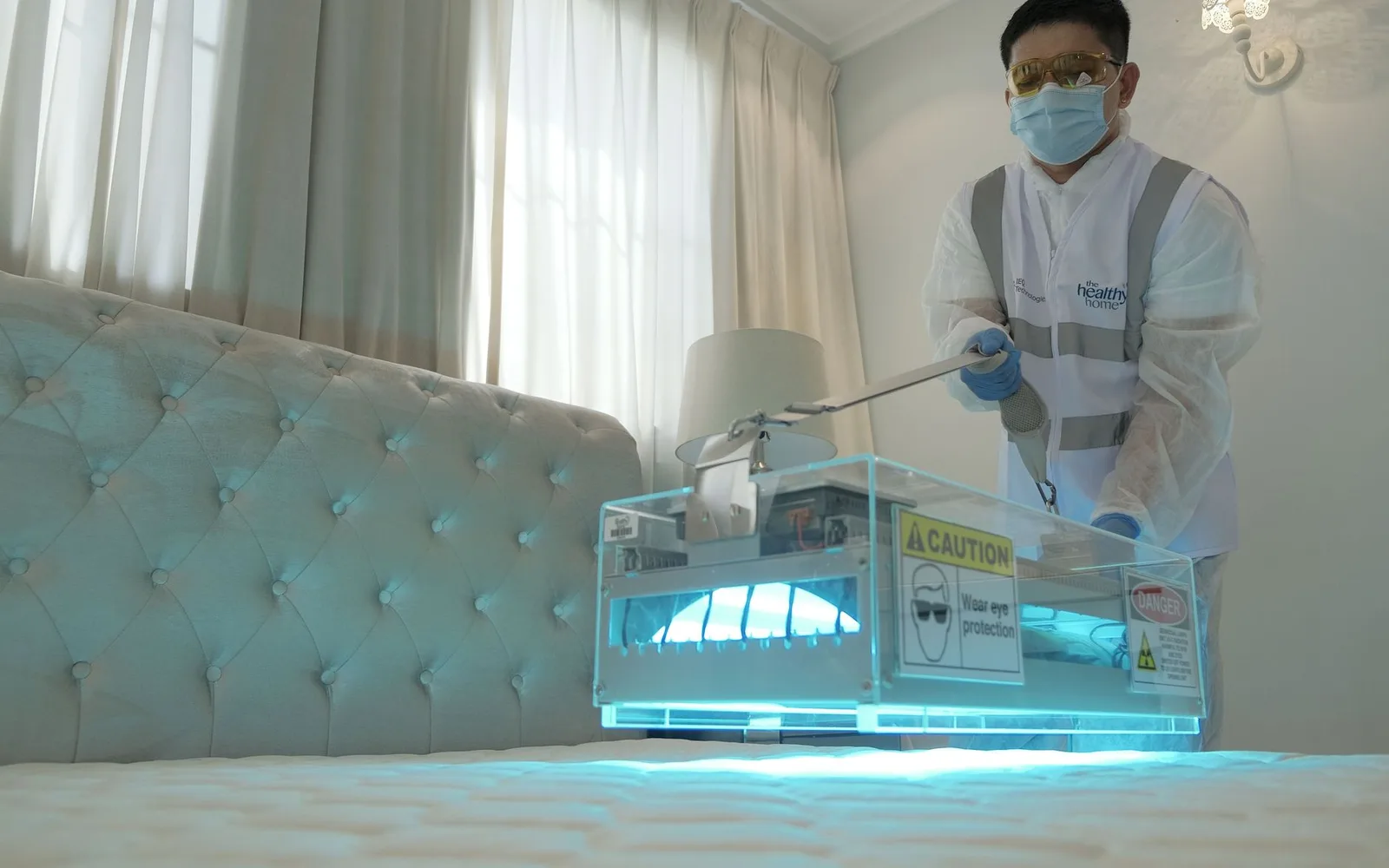
Hotels and apartments in Al Taqwa Makkah
Al Taqwa is a newly developing district on the slopes south of Al Misfalah around Qawz Al Nakasah, where land grant housing schemes and building work now stand after the clearance of informal settlement. A serviced flat or small hotel here faces the context of ongoing construction and vacant ground, conditions that create constantly changing insect and rodent pathways.
-
Targeted, not broadcast
Product goes into cracks and runways, never sprayed across open surfaces.
-
Told before we start
What we will use, where it goes, and what to cover or move before we arrive.
-
A follow-up visit
We return after the first treatment, because what survives it does not show on the day.
-
Homes and businesses
Apartments and villas, and kitchens and stores that need a record of each visit.
Why they keep coming back in Al Taqwa
Building work, excavations and exposed ground attract rodents and soil dwelling insects. A new flat may face insects from vacant neighbouring land. The method is set out in full on our Hotels and apartments service.
Excavation and ongoing building change insect pathways continuously
Building on the slope means excavation and settlement. Insect and rodent pathways change as development proceeds. Treatment must follow the evolution.
Sandy ground and vacant plots are a continuous source
Sandy soil and gaps between new homes are habitat for soil insects. A new flat may need strong foundation treatment from the start.
The popular market and temporary services brought pest pressure
Al Taqwa popular market near the flat is a source of cockroaches and rodents. Temporary services and unfinished buildings attract insects.
Al Taqwa on the map
Al Taqwa sits about 1.5 km from Al Misfalah and about 2.5 km from Kudai.
Open in Google MapsWhat we check in the room, and behind it
A newly built district on a hillside following a slum redevelopment project, with land grant schemes and ongoing construction, sandy floors and gaps between new homes.
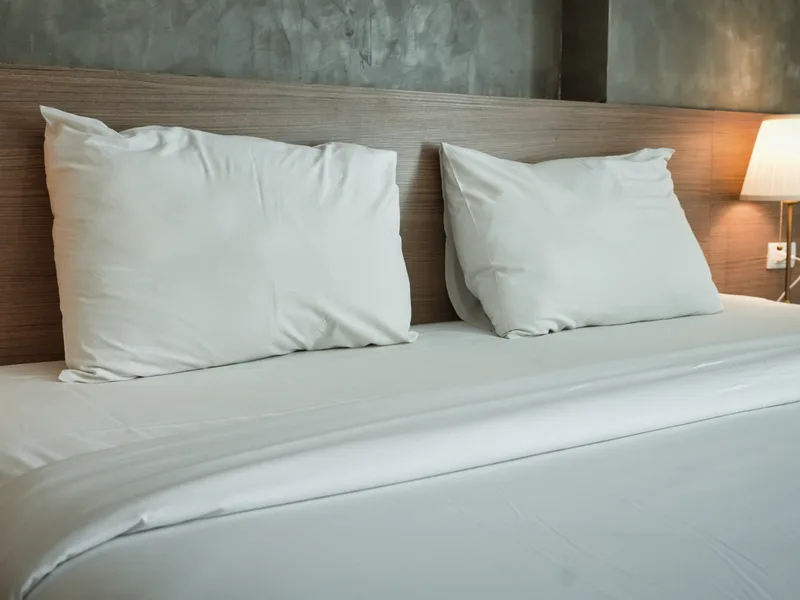
Mattress and base seams
Mattress seams in a new flat in Al Taqwa may hold soil insects from neighbouring ground before the first guest arrives.
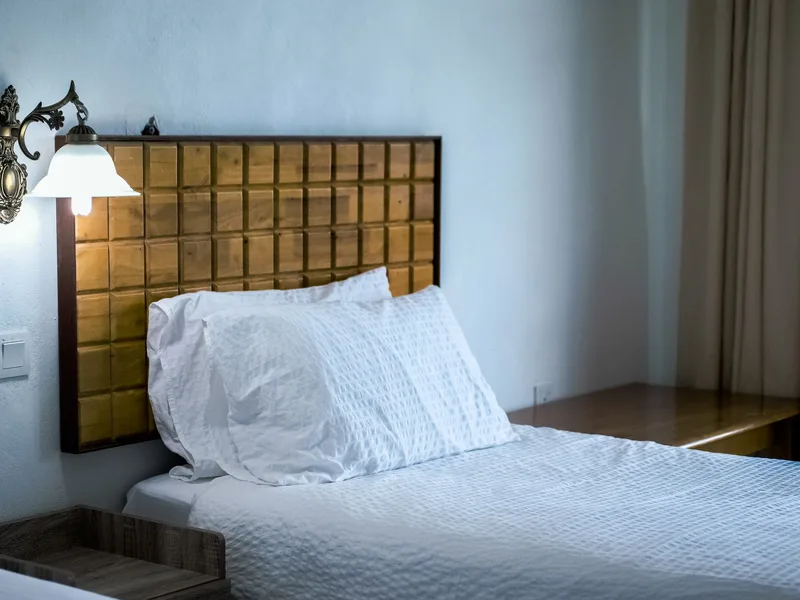
The headboard
A headboard in new construction may be clean at first but insects from foundations can reach it quickly.
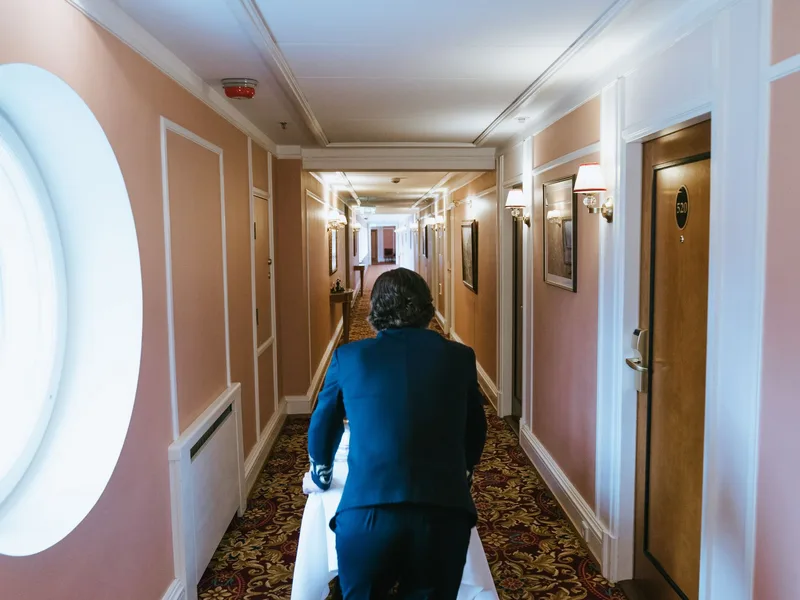
The rooms either side
Adjacent rooms may become infested from the floors themselves more than from room to room transfer in a newly built quarter.
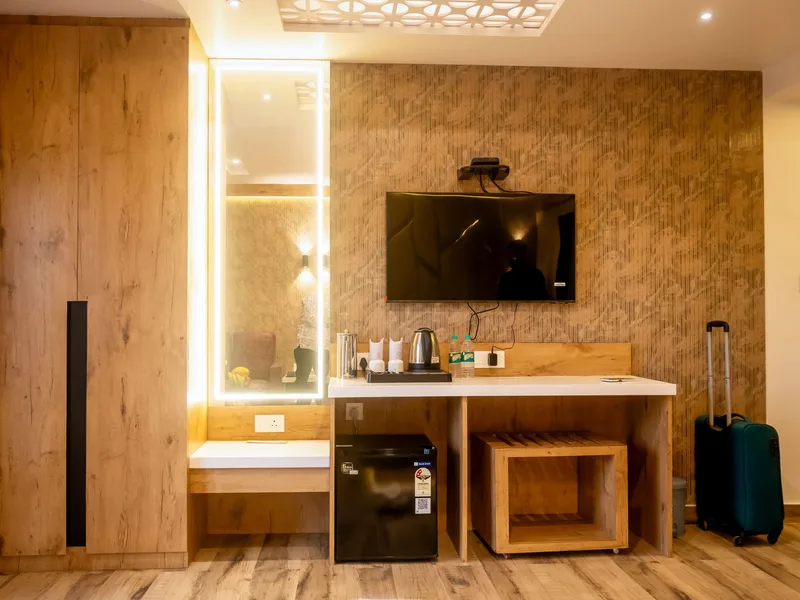
The luggage stand and wardrobe
Luggage stands and wardrobes may carry soil insects from the surrounding area and ongoing building work.
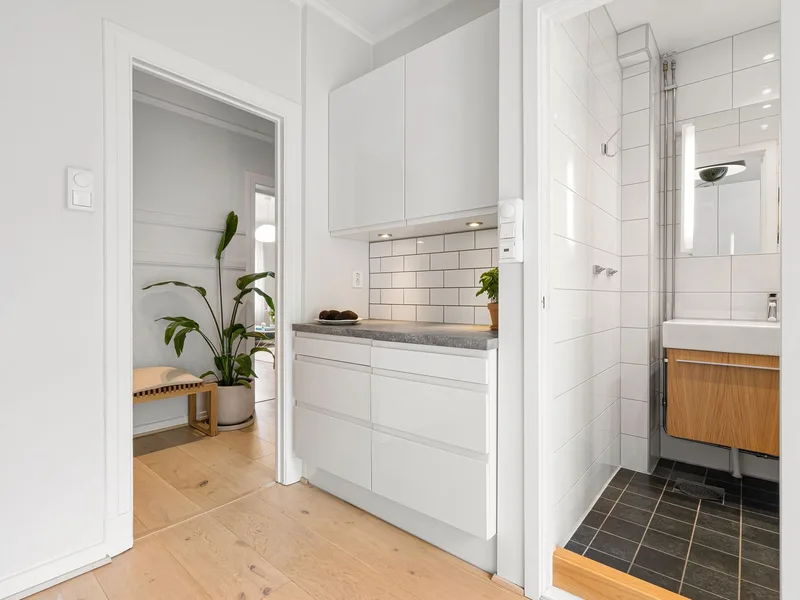
The kitchenette in a unit
A serviced apartment kitchenette in a new flat may need regular inspection to control soil insects entering from the foundation.
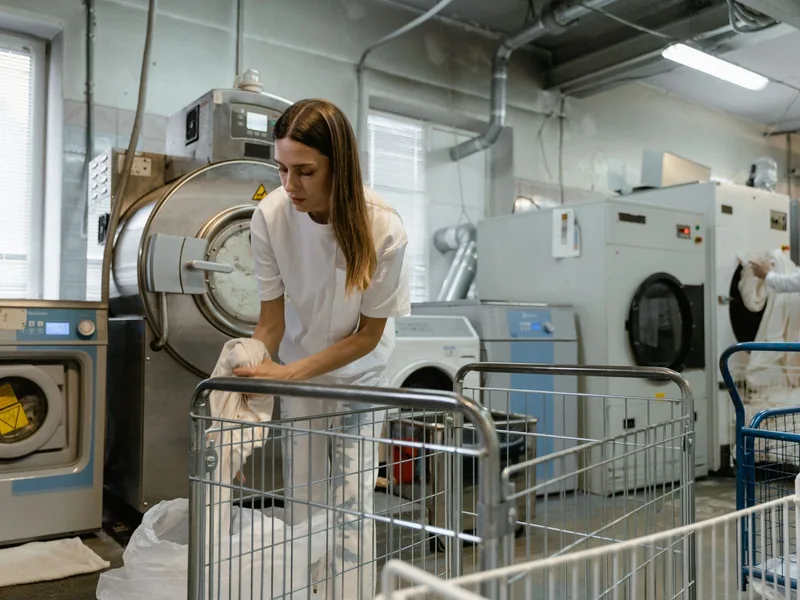
Laundry and the waste room
The laundry and waste room in a new building may be an entry point for insects from neighbouring sandy ground.
How we work
-
1
Walk the floor, room by room
We start from what the staff reported, open the beds, lift the headboards and check the rooms either side and the ones above and below, then mark each room as affected, adjacent or clear.
-
2
Treatment outside occupied hours
Seams are vacuumed first, then steam or a targeted application goes onto the seams and joints, dust into the frame voids and behind the skirting, and gel bait through the kitchens and service areas. Nothing is broadcast over soft furnishings.
-
3
Sealing, and the operating routine
We close the skirting gap, the pipe penetration and the gap under the service corridor door, then agree with the staff that linen is bagged inside the room itself, and what gets reported the moment it is seen.
-
4
Follow-up, and putting the room back
We come back once the remaining eggs have hatched, read the monitors and open the bed a second time. A room returns to service on the result of that inspection, and the room number and both dates go into the log.
What the hotel and apartment programme includes
-

A recorded room by room inspection
Beds opened, headboards lifted, neighbouring rooms checked, and the state of every room number recorded before anything is applied.
-

Treatment of the beds and seams
Vacuuming, then a targeted application on mattress and base seams, frame joints and behind the skirting, never across the open surfaces of the room.
-

Bait and points in the service areas
Gel bait and numbered monitoring positions through the kitchen, the stores and the service corridors, read and logged on every visit.
-

Drains, laundry and waste
Floor gullies, the grease trap, the laundry and the ground around the containers, because that is the source that renews itself daily.
-

Room release and staff guidance
What is covered and cleared before we go in, the ventilation time we set for each case, and what the staff look for when they strip a bed.
-

A timed follow-up and a room log
A second visit timed to the hatch, monitors read, and a record carrying the room number, the date of each visit and what was found.
Landmarks of Al Taqwa
Al Taqwa sits on Al Taqwa Street and Qawz Al Nakasah south of Al Misfalah, a newly developed district on slopes after slum clearance. The hillside location with old flood paths requires treatment that follows ongoing development and building.
- Al Taqwa Street
- Qawz Al Nakasah
- Ibrahim Al Khalil Street
- Jabal Sharaf
Questions about this district
Does ongoing construction next to the flat increase insects?
Yes. Excavation and exposed ground attract rodents and soil insects. The flat may need very strong foundation treatment.
How does treatment of a new flat in Al Taqwa differ from an old one?
A new flat may start insect free but neighbouring vacant ground brings them. We focus on external barriers and foundations.
Is the popular market near the flat a pest source?
Yes. A newly built popular market may be infested with rodents and cockroaches from the start.
What about soil insects and silverfish in the sandy ground?
Soil insects and silverfish live in sandy soil. Treatment of floors and foundations is essential.
How many times does a hotel or flat in a developing district need treatment?
Strong foundation treatment on entry, then monthly follow up at minimum while construction continues in the area.
Will insect numbers drop when construction finishes?
Yes. When building and development end, pest numbers will decline gradually. However prevention is necessary while construction continues.
How much does hotels and apartments in Al Taqwa cost?
It is set after the inspection, because the price follows the type of infestation, the size of the space, how far it has spread and the number of visits it needs. Send a photo and a description on WhatsApp and we will give you an estimate before we reach Al Taqwa.
Nearby districts we cover
Other services in Al Taqwa
Other services we provide to residents of Al Taqwa.
-
 Residential
Cockroach control
Residential
Cockroach control
-
 Residential
Bed bug control
Residential
Bed bug control
-
 Residential
Termite control
Residential
Termite control
-
 Residential
Rodents and mice
Residential
Rodents and mice
-
 Residential
Mosquito control
Residential
Mosquito control
-
 Residential
Fly control
Residential
Fly control
-
 Residential
Ant control
Residential
Ant control
-
 Residential
Gecko control
Residential
Gecko control
-
 Residential
Scorpion control
Residential
Scorpion control
-
 Residential
Snake control
Residential
Snake control
-
 Residential
Flea control
Residential
Flea control
-
 Residential
Bird and pigeon control
Residential
Bird and pigeon control
-
 Residential
Preventive treatment
Residential
Preventive treatment
-
 Residential
Disinfection
Residential
Disinfection
-
 Commercial
Annual contracts
Commercial
Annual contracts
-
 Commercial
Restaurants and cafes
Commercial
Restaurants and cafes
-
 Commercial
Warehouses and factories
Commercial
Warehouses and factories
-
 Commercial
Schools and nurseries
Commercial
Schools and nurseries
-
 Commercial
Retail and malls
Commercial
Retail and malls
-
 Commercial
Rest houses and farms
Commercial
Rest houses and farms
-
 Commercial
Fumigation
Commercial
Fumigation
-
 Water tanks
Water tank cleaning
Water tanks
Water tank cleaning
-
 Water tanks
Water tank sterilization
Water tanks
Water tank sterilization
-
 Water tanks
Water tank sealing
Water tanks
Water tank sealing
-
 Water tanks
Tank leak repair
Water tanks
Tank leak repair
Need hotels and apartments in Al Taqwa? Tell us what you saw and we will tell you what it needs
We reach Al Taqwa at a time we agree, and you get the full cost before we start.