

Annual contracts in Al Misfalah Makkah
Al Misfalah is the low ground that falls away south of the Grand Mosque along Ibrahim Al Khalil Street, where old apartment blocks stand shoulder to shoulder as dense lodgings for Hajj and Umrah visitors throughout the year. An annual contract here contends with very old drains and historic quarters such as Al Kakiyah and Qawz Al Nakasah that reach out towards Jabal Sharaf, with restaurants and shops beneath the apartment buildings.
-
Targeted, not broadcast
Product goes into cracks and runways, never sprayed across open surfaces.
-
Told before we start
What we will use, where it goes, and what to cover or move before we arrive.
-
A follow-up visit
We return after the first treatment, because what survives it does not show on the day.
-
Homes and businesses
Apartments and villas, and kitchens and stores that need a record of each visit.
Why they keep coming back in Al Misfalah
Drains in Al Misfalah are older than any other Haram district, with underground pipes made of ancient broken stone, and seepage and blockage recur every season in the southern end of the quarter. The method is set out in full on Annual contracts in detail.
Very ancient drains and broken pipework
Ibrahim Al Khalil Street sits atop drains laid nearly a century ago, made of broken stone and clay underground. Water seeps from cracked pipes into the soil and foundations, creating persistent damp that attracts insects.
Old narrow lanes without modern drainage
Al Kakiyah, Al Qudwah and Qawz Al Nakasah are very old cramped lanes with basic ancient drainage. Water collects in corners and cracks and moisture seeps from the walls.
Very high residential density and long continuous occupation
Al Misfalah has the highest population density of any Haram district, most blocks are rented out to pilgrims and visitors, restaurants and shops in ground floors run year-round, and waste and crowding make it very easy for insects to establish.
The character of Al Misfalah
Apartment district: residential blocks, repeated floors and shared entrances
Old residential apartment blocks in Al Misfalah with shared entrances, dense visitor rentals and very ancient drains, and the contract tracks persistent dampness, tight gaps and adjacent old quarters where insects establish easily.
What sets the shape of the contract
Old apartment blocks closely packed along Ibrahim Al Khalil Street renting rooms to pilgrims and visitors year-round, with narrow old lanes branching southward towards Jabal Sharaf.
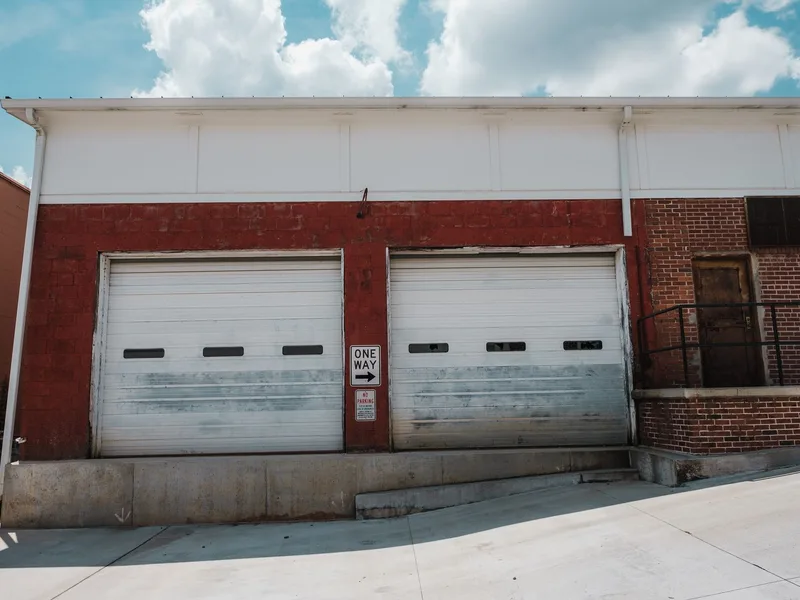
The goods-in door
Reception doors in the old blocks on Ibrahim Al Khalil Street stand open continuously, visitors enter and exit freely, and the monitoring point at the entrance records constant movement.
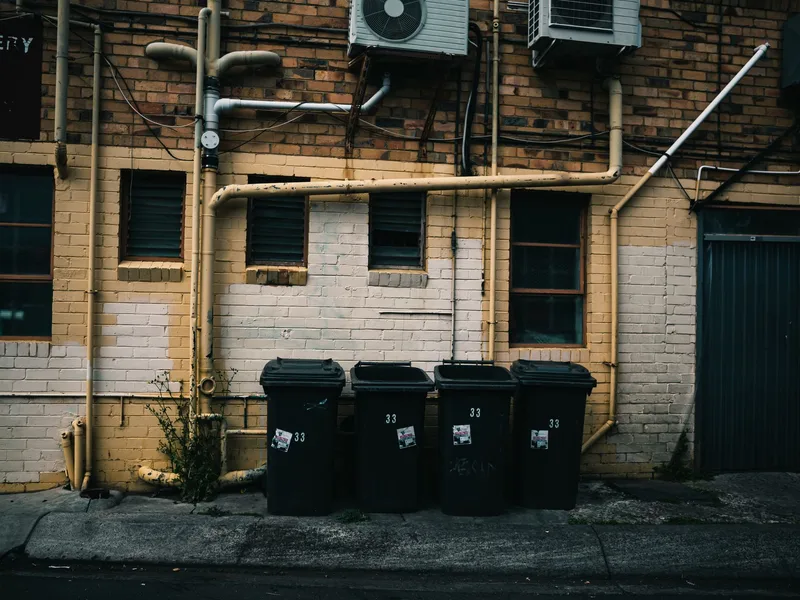
The waste area
Waste areas are very small in Al Misfalah, most restaurants and shops place bins beside the stairs or rear door.
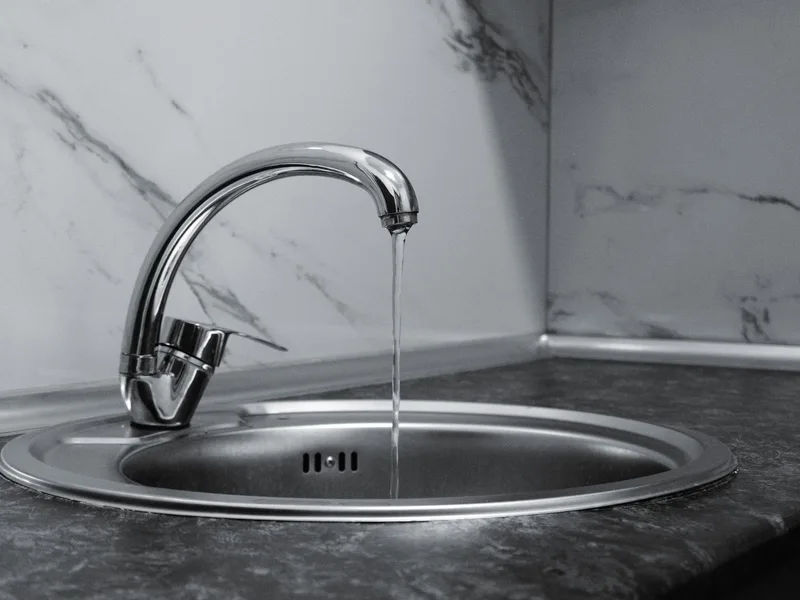
Drains and grease traps
Drains are extremely old underneath the street, water seeps from broken pipes, some restaurants discharge cooking oil directly causing repeated blockages.
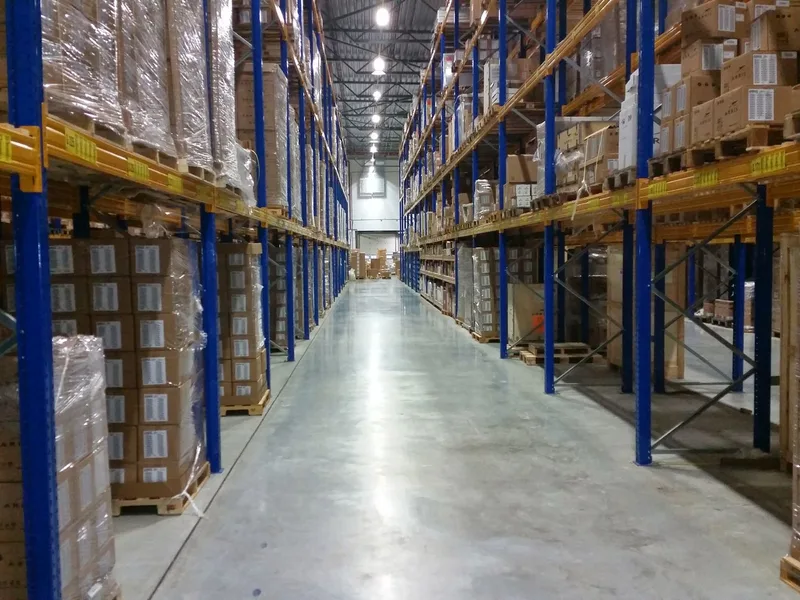
Dry store and pallets
Dry storage is rare, most goods are stored in cupboards below stairs or in damp kitchen corners.
Fixed, numbered points
Numbered points are placed in kitchens, shops, the main entrance, lower stairwell and sometimes in the drain if it is accessible for inspection.

The file itself
The file documents drain condition and dampness in more detail than other districts, and any new blockage or seepage is recorded immediately.
How we work
-
1
Survey and risk assessment
We walk the building from the goods-in door through preparation, stores and washrooms, and record the species pressure, the entry routes, the moisture and which areas carry which level of risk.
-
2
The plan, the map and the frequency
We number the monitoring positions on a plan of the site, agree the visit frequency from what each area handles and how open the building is, and agree who receives and signs the report.
-
3
The scheduled visits
Every visit reads the same route, point by point, records the reading even when it is nil, and treats the area the reading calls for rather than the whole building.
-
4
Review and reading the trend
We read the visits together rather than one at a time: where the readings climbed, which corrective actions are still open, and whether an area needs more points or closer visits.
What the annual contract includes
-

Opening survey and site plan
A walk that fixes the risk areas and the entry routes, and a plan with the monitoring positions numbered before anything is installed.
-

Numbered monitoring points
Fixed positions on a set route, opened, read and logged every visit, and replaced when damaged.
-

Targeted treatment when called for
On the cracks, junctions and service areas the reading points to, and outside operating hours where that is needed.
-

Drains and waste areas
Floor gullies, grease traps and the ground around the containers on every visit, because that is the source that renews itself.
-

Report and corrective actions
After every visit: what was found, what was applied and where, and what the site needs to fix, such as a door gap or a missing drain cover.
-

Scheduled visits and visits in between
A schedule agreed in the contract, plus a visit when activity appears between two dates, logged like any other.
What is different about Al Misfalah Sub-Municipality
Al Misfalah sub municipality runs downhill from the south of the Grand Mosque through Al Misfalah, Kudai and Al Rawabi to Al Taqwa, Al Hindawiyah, Al Khalidiyah and Al Rusayfah at the third ring road. The northern end is old apartment blocks and pilgrim hotels with restaurants along Ibrahim Al Khalil Street and the huge coach parks at Kudai. The south and west are dense popular districts with countless small shops and unplanned hillside housing, some of it already cleared for redevelopment, giving way to orderly land grant schemes in Al Rusayfah beside the railway station.
Questions about this district
The drains in Al Misfalah are very old. Can they be repaired or must they stay as they are?
The drains are old but still functional. We monitor fixed inspection points in the drain system and report any change, but major repairs are the municipality's responsibility.
Are the old lanes like Al Kakiyah and Al Qudwah included in the contract?
Yes, we move through these lanes and monitor the exterior walls and gaps. Old lanes carry insects from one area to another, so we monitor the boundaries.
The restaurants and shops in ground floors, do they need separate monitoring?
Yes, restaurants have dedicated points in the kitchen, store and rear door. Each shop has a separate reading point in the report.
Seepage from the drains dampens the apartment foundations. Does this make the problem worse?
Yes, considerably. Damp foundations provide ideal conditions for insects. We focus on foundation inspection points and record any new dampness.
Al Misfalah has the highest density of all. Does that mean more frequent visits?
Yes, Al Misfalah needs closer visit intervals than other districts. The density, ancient drains and poor conditions all increase the frequency.
Can we split the contract between the old lanes and the main street?
Yes, separate contracts are possible per section. However insects move easily from the lanes into the main street, so a unified contract is preferable.
How much does annual contracts in Al Misfalah cost?
It is set after the inspection, because the price follows the type of infestation, the size of the space, how far it has spread and the number of visits it needs. Send a photo and a description on WhatsApp and we will give you an estimate before we reach Al Misfalah.
Other services in Al Misfalah
Other services we provide to residents of Al Misfalah.
-
 Residential
Cockroach control
Residential
Cockroach control
-
 Residential
Bed bug control
Residential
Bed bug control
-
 Residential
Termite control
Residential
Termite control
-
 Residential
Rodents and mice
Residential
Rodents and mice
-
 Residential
Mosquito control
Residential
Mosquito control
-
 Residential
Fly control
Residential
Fly control
-
 Residential
Ant control
Residential
Ant control
-
 Residential
Gecko control
Residential
Gecko control
-
 Residential
Scorpion control
Residential
Scorpion control
-
 Residential
Snake control
Residential
Snake control
-
 Residential
Flea control
Residential
Flea control
-
 Residential
Bird and pigeon control
Residential
Bird and pigeon control
-
 Residential
Preventive treatment
Residential
Preventive treatment
-
 Residential
Disinfection
Residential
Disinfection
-
 Commercial
Restaurants and cafes
Commercial
Restaurants and cafes
-
 Commercial
Hotels and apartments
Commercial
Hotels and apartments
-
 Commercial
Warehouses and factories
Commercial
Warehouses and factories
-
 Commercial
Schools and nurseries
Commercial
Schools and nurseries
-
 Commercial
Retail and malls
Commercial
Retail and malls
-
 Commercial
Rest houses and farms
Commercial
Rest houses and farms
-
 Commercial
Fumigation
Commercial
Fumigation
-
 Water tanks
Water tank cleaning
Water tanks
Water tank cleaning
-
 Water tanks
Water tank sterilization
Water tanks
Water tank sterilization
-
 Water tanks
Water tank sealing
Water tanks
Water tank sealing
-
 Water tanks
Tank leak repair
Water tanks
Tank leak repair
Need annual contracts in Al Misfalah? Tell us what you saw and we will tell you what it needs
We reach Al Misfalah at a time we agree, and you get the full cost before we start.