

Annual contracts in Al Zahra Jeddah
Al Zahra is a district where hospitals, clinics, shops and residential apartments share walls, roofs and utility spaces, creating multiple pathways for pests to move between buildings without crossing open ground. An annual contract places fixed, numbered monitoring points in each building that are read on every visit, catching activity before it spreads from one floor or neighbour to the next.
-
Targeted, not broadcast
Product goes into cracks and runways, never sprayed across open surfaces.
-
Told before we start
What we will use, where it goes, and what to cover or move before we arrive.
-
A follow-up visit
We return after the first treatment, because what survives it does not show on the day.
-
Homes and businesses
Apartments and villas, and kitchens and stores that need a record of each visit.
Why they keep coming back in Al Zahra
Shops receive food deliveries several times a day and clinics handle contaminated waste in bins next to residential staircases. Shared walls mean the pest pressure flows between buildings faster than it would in a purely residential district. The method is set out in full on Annual contracts in detail.
Adjoining buildings and shared infrastructure
When a hospital or clinic shares a wall, roof space or service duct with your property, the pests you treat may re enter from next door before your next visit. The annual contract monitors the boundary itself, placing fixed points on shared passages, vents and the edges of joint drains.
Food deliveries and medical waste streams
Shops and clinics in Al Zahra receive and dispose of high volumes of food and contaminated materials throughout the day, attracting cockroaches and rodents far more persistently than a purely residential neighbourhood would. The contract concentrates on goods in doors and waste collection points.
Moisture from hospital and clinic operations
Sterilisation, laundry and wet clinical work in hospitals raise humidity throughout connected buildings. Damp surfaces encourage mosquito breeding and rodent nesting. Regular visits detect standing water and larval activity before warm seasons arrive.
The character of Al Zahra
Mixed district: shops at street level with homes above them
Mixed districts mean shop waste penetrates residential walls and hospital operations raise humidity in adjacent homes. The annual contract separates routine shop treatment from boundary monitoring, so each building sees the activity that concerns it.
What sets the shape of the contract
The Saudi German Hospital, Al Zahra Hospital, the University of Business and Technology and the shopping mall all back onto adjacent properties, sharing party walls, service passages and underground drains where pests travel and hide.
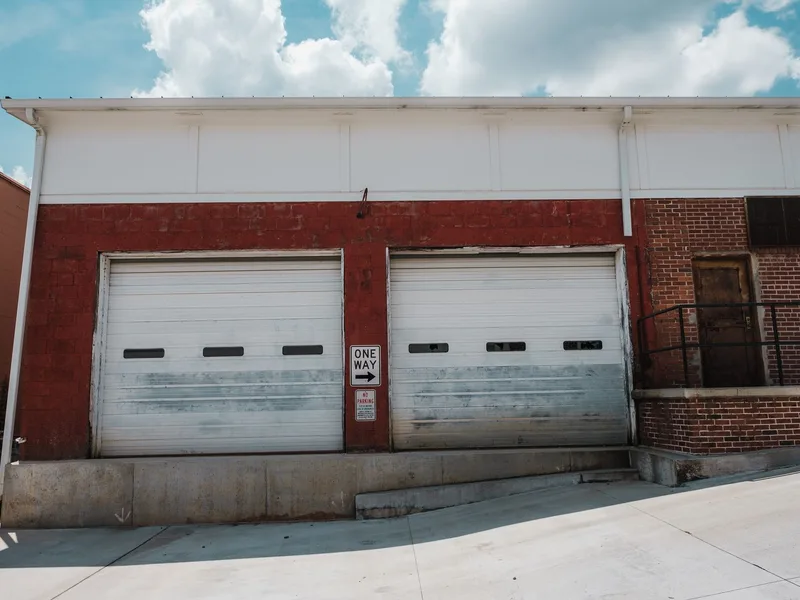
The goods-in door
The clinic or shop door receives both deliveries and patient traffic, and opens onto a service corridor or alley where pests from outside enter most easily and hide.
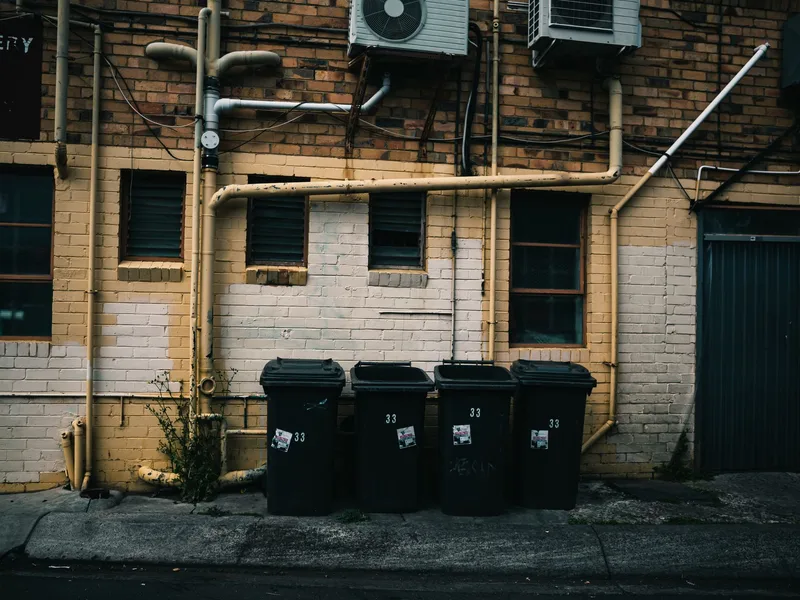
The waste area
Shops and clinics stack waste bins in the service passage or on the roof, where cockroaches and rodents gather before disposal rounds.
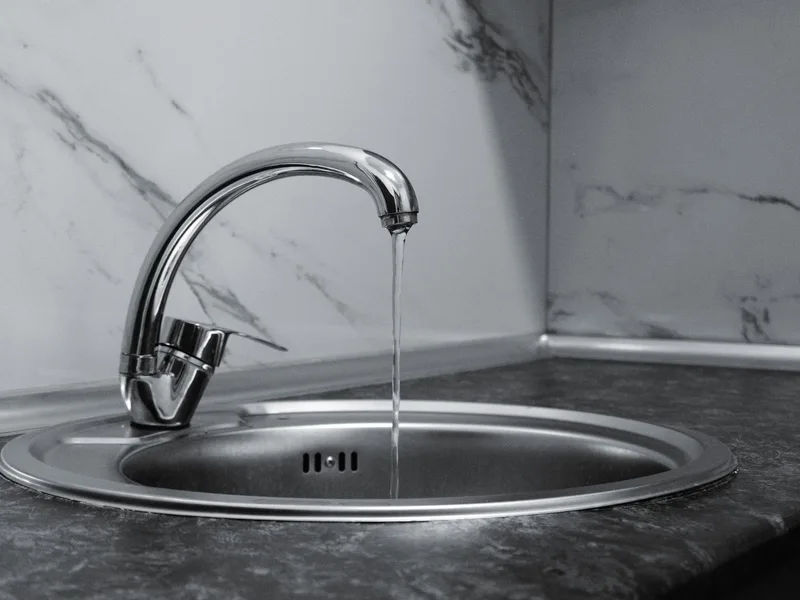
Drains and grease traps
Underground drains carry steriliser and soap residue between buildings, offering pests continuous water and a highway protected from open air predators.
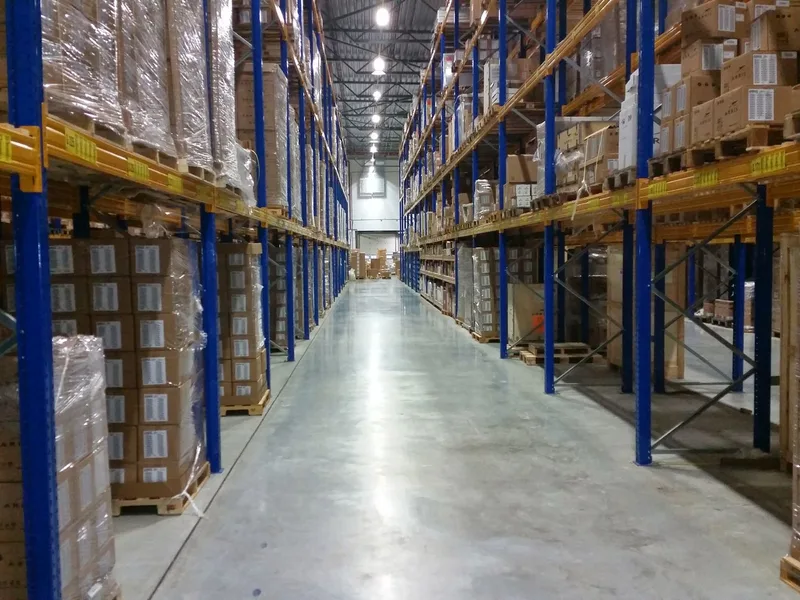
Dry store and pallets
Clinics and shops store medicines and food stocks on fixed shelving; monitoring points in dry stores track pest access to stored goods year round.
Fixed, numbered points
Each building selects fixed locations for its numbered points, recorded on a floor plan filed in the annual contract record. Every visit reads the same points in the same order.

The file itself
The record holds the building plan, all visit reports, temperature and humidity logs, and is presented at inspection or audit to prove continuous monitoring.
How we work
-
1
Survey and risk assessment
We walk the building from the goods-in door through preparation, stores and washrooms, and record the species pressure, the entry routes, the moisture and which areas carry which level of risk.
-
2
The plan, the map and the frequency
We number the monitoring positions on a plan of the site, agree the visit frequency from what each area handles and how open the building is, and agree who receives and signs the report.
-
3
The scheduled visits
Every visit reads the same route, point by point, records the reading even when it is nil, and treats the area the reading calls for rather than the whole building.
-
4
Review and reading the trend
We read the visits together rather than one at a time: where the readings climbed, which corrective actions are still open, and whether an area needs more points or closer visits.
What the annual contract includes
-

Opening survey and site plan
A walk that fixes the risk areas and the entry routes, and a plan with the monitoring positions numbered before anything is installed.
-

Numbered monitoring points
Fixed positions on a set route, opened, read and logged every visit, and replaced when damaged.
-

Targeted treatment when called for
On the cracks, junctions and service areas the reading points to, and outside operating hours where that is needed.
-

Drains and waste areas
Floor gullies, grease traps and the ground around the containers on every visit, because that is the source that renews itself.
-

Report and corrective actions
After every visit: what was found, what was applied and where, and what the site needs to fix, such as a door gap or a missing drain cover.
-

Scheduled visits and visits in between
A schedule agreed in the contract, plus a visit when activity appears between two dates, logged like any other.
Landmarks of Al Zahra
Hira Street approaches Al Zahra from the east and the Saudi German Hospital marks it from the south. Numbered monitoring points run along the perimeter that connects your building's entrances to these landmarks.
- King Abdulaziz Road
- Hira Street
- Al Zahra Hospital
- Saudi German Hospital
- University of Business and Technology
- Zahra Mall
Questions about this district
Can numbered monitoring points stay in a clinic with patient traffic?
Yes. Points go behind equipment and under surfaces where they are not visible to patients or staff. Fixed points are better than removable ones because they do not need dismantling on each visit.
We saw an insect between visits. Does the annual contract fail?
No. A single sighting outside the numbered points proves monitoring is working. The report logs it and visits increase at that point until activity ceases.
What if the warehouse next to us has a serious infestation?
Boundary points detect activity in shared passages and utility spaces. The report logs where it occurs. You will know from the pattern whether infestation is crossing from the neighbouring building into yours.
Can we add numbered points if we expand our shop?
Yes. New points are added and recorded on the updated building plan. The next visit incorporates them into the schedule and report.
Does the report tell us which neighbouring building has a pest problem?
The report identifies every point by number and location. You can see infestation on your shared boundary, but the report does not name the other property.
Are monitoring points safe around children and hospital patients?
Points are locked, sealed and placed where no one can reach them. Dead insects and their remains stay inside. Patients and visitors do not see them and cannot open them.
How much does annual contracts in Al Zahra cost?
It is set after the inspection, because the price follows the type of infestation, the size of the space, how far it has spread and the number of visits it needs. Send a photo and a description on WhatsApp and we will give you an estimate before we reach Al Zahra.
Nearby districts we cover
Other services in Al Zahra
Other services we provide to residents of Al Zahra.
-
 Residential
Cockroach control
Residential
Cockroach control
-
 Residential
Bed bug control
Residential
Bed bug control
-
 Residential
Termite control
Residential
Termite control
-
 Residential
Rodents and mice
Residential
Rodents and mice
-
 Residential
Mosquito control
Residential
Mosquito control
-
 Residential
Fly control
Residential
Fly control
-
 Residential
Ant control
Residential
Ant control
-
 Residential
Gecko control
Residential
Gecko control
-
 Residential
Scorpion control
Residential
Scorpion control
-
 Residential
Snake control
Residential
Snake control
-
 Residential
Flea control
Residential
Flea control
-
 Residential
Bird and pigeon control
Residential
Bird and pigeon control
-
 Residential
Preventive treatment
Residential
Preventive treatment
-
 Residential
Disinfection
Residential
Disinfection
-
 Commercial
Restaurants and cafes
Commercial
Restaurants and cafes
-
 Commercial
Hotels and apartments
Commercial
Hotels and apartments
-
 Commercial
Warehouses and factories
Commercial
Warehouses and factories
-
 Commercial
Schools and nurseries
Commercial
Schools and nurseries
-
 Commercial
Retail and malls
Commercial
Retail and malls
-
 Commercial
Rest houses and farms
Commercial
Rest houses and farms
-
 Commercial
Fumigation
Commercial
Fumigation
-
 Water tanks
Water tank cleaning
Water tanks
Water tank cleaning
-
 Water tanks
Water tank sterilization
Water tanks
Water tank sterilization
-
 Water tanks
Water tank sealing
Water tanks
Water tank sealing
-
 Water tanks
Tank leak repair
Water tanks
Tank leak repair
Need annual contracts in Al Zahra? Tell us what you saw and we will tell you what it needs
We reach Al Zahra at a time we agree, and you get the full cost before we start.