
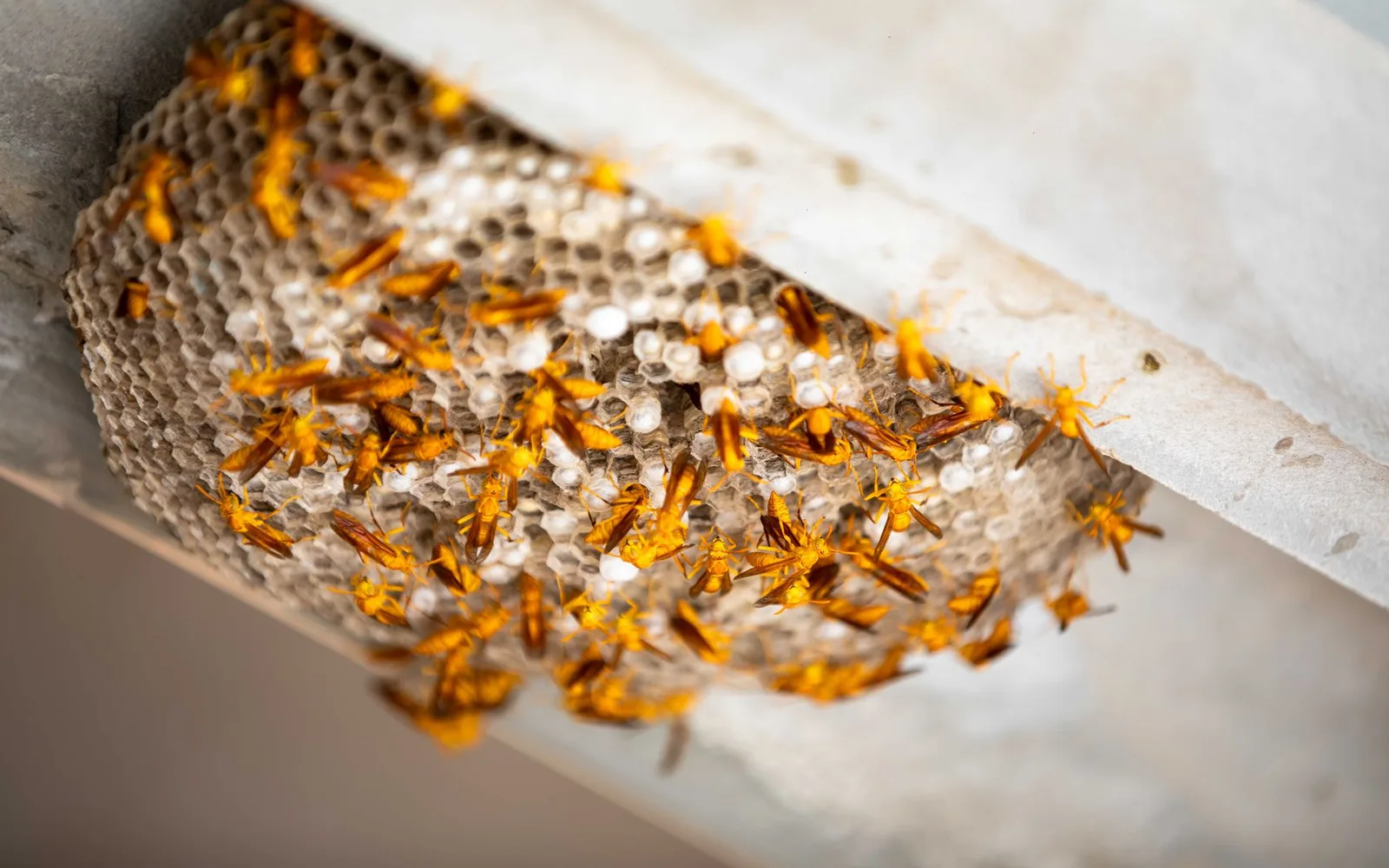
Schools and nurseries in Al Zahra Jeddah
Al Zahra is a mixed district in north western Jeddah that combines major hospitals, commercial centres and family homes, placing schools here under constant insect pressure from neighbouring buildings. We manage this pressure through targeted repeated treatments rather than seasonal programmes alone, addressing the flow of insects from clinics, shops and restaurants at property boundaries.
-
Targeted, not broadcast
Product goes into cracks and runways, never sprayed across open surfaces.
-
Told before we start
What we will use, where it goes, and what to cover or move before we arrive.
-
A follow-up visit
We return after the first treatment, because what survives it does not show on the day.
-
Homes and businesses
Apartments and villas, and kitchens and stores that need a record of each visit.
Why they keep coming back in Al Zahra
Schools in Al Zahra face a continuous flow of cockroaches and ants from adjoining hotels and commercial centres, particularly during busy trading periods and the full academic term. The method is set out in full on Schools and nurseries in detail.
Commercial centres and hospitals create constant pressure
The density of hospitals and commercial hubs surrounding schools creates relentless insect pressure. Insects migrate from these buildings to the school seeking food and shelter, especially when treatments intensify on the commercial side. Our programmes focus on boundaries and entry points rather than relying on seasonal treatment alone.
Residential flats above shops perpetuate the cycle
The mixed character of the district means schools sit between commerce and housing simultaneously. Flats above shops harbour insects through all seasons, and the school in the middle lies directly in the natural migration path. We focus on preventing entry from adjoining buildings rather than treating seasonal symptoms.
King Abdulaziz Road brings constant movement and pests
The main thoroughfare carrying heavy commercial traffic brings insects in vehicles, boxes and deliveries. Schools near the road face greater pressure during peak trading hours. Our treatment accounts for this continuous external pressure and emphasises internal barriers rather than cyclic application.
The character of Al Zahra
Mixed district: shops at street level with homes above them
In a mixed district, the school is not isolated but locked into continuous commercial and residential movement. This means seasonal treatment is insufficient. The programme must emphasise barriers, boundaries and entry points rather than relying on widely spaced treatment cycles.
What sets the shape of a school programme
The presence of Al Zahra Hospital, Saudi German Hospital, Zahra Mall and similar commercial hubs creates a steady food source for insects throughout the year, attracting them to school buildings nearby.
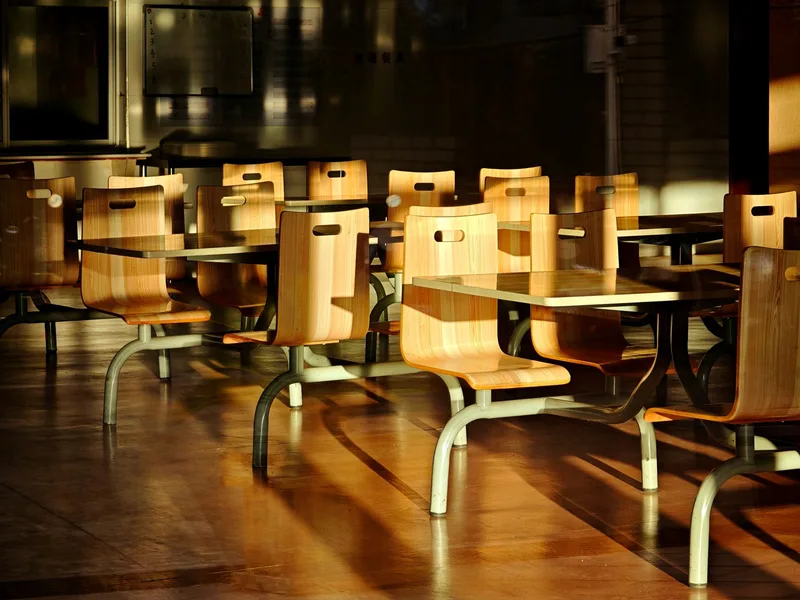
The canteen and the food store
The canteen and food store in mixed schools must remain closed between meals, with treatment focused on gaps under shelving and pipe lines, leaving food storage surfaces untouched.
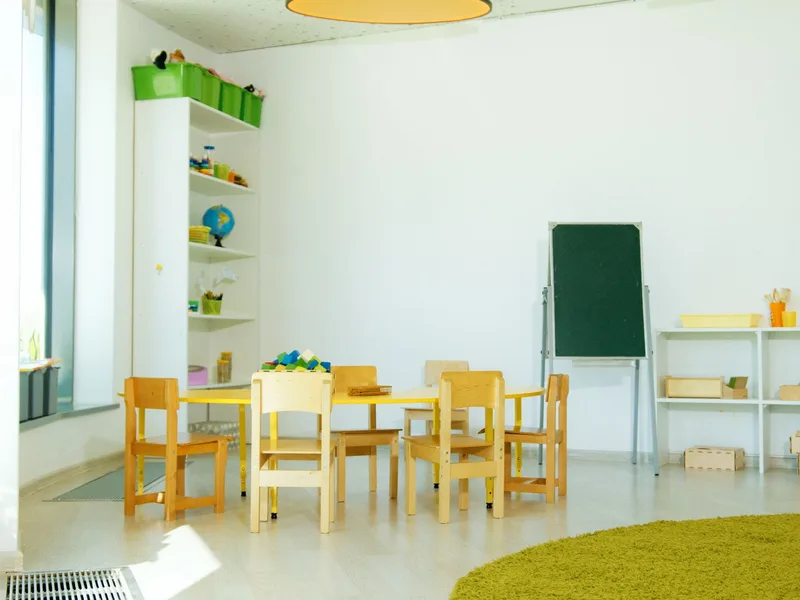
Floor level in a nursery
Nursery floors in Al Zahra sit slightly raised above yard level due to coastal humidity, leaving a gap under doors that lets small ants and cockroaches through.
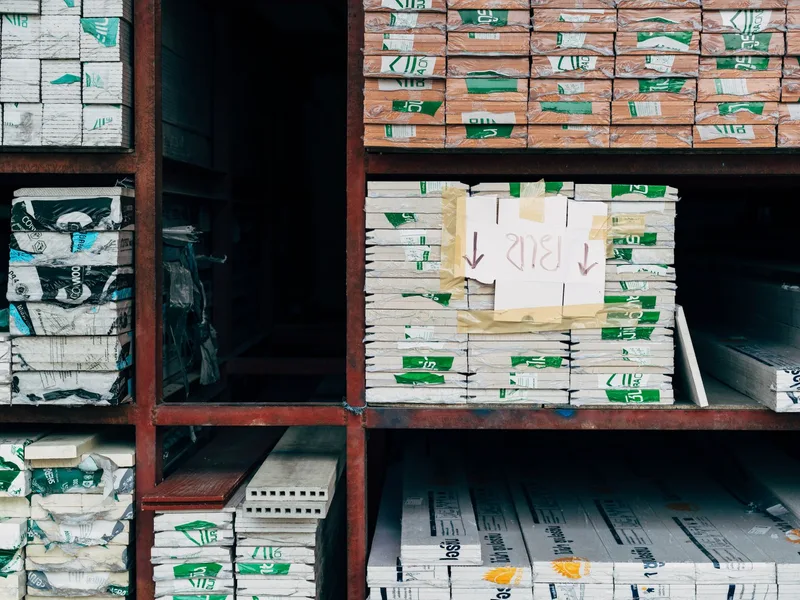
The paper and cardboard store
The paper and cardboard store receives daily deliveries from commercial centres and may carry insect eggs in packaging, so treatment targets entry points and gaps between boxes.
Standing water in the yard
The school yard is surrounded by commercial centres on two sides, drawing rainwater, food particles and insects from the street with every downpour.

The gap under the service door
The service door opens and closes dozens of times daily for canteen and supply deliveries, allowing insects easy entry with each opening.
The wall line, irrigation and planting
Walls, irrigation and planted areas must be set back from the service door, watering must be light and early morning to avoid evening moisture.
How we work
-
1
Survey the building and zone it
We walk from the service gate through the canteen, the stores, the classrooms, the washrooms and the yard, record the entry routes, the moisture and the species pressure, and grade every area by who occupies it and for how long.
-
2
Schedule it against the calendar
Work that needs an empty building, closing entry points, treating the drains and the perimeter, goes into the long breaks. Station reads and spot treatment happen after the students leave or at the weekend. We agree in advance who opens the building and which rooms are cleared and covered.
-
3
Targeted treatment, out of reach
Gel bait inside joints and cracks, dust into the dry voids, enclosed stations fixed where a child cannot reach them, and targeted spray on junctions and service areas, never on open surfaces or play flooring.
-
4
Follow up and record it
We come back on the date the life cycle sets, such as a visit timed to a cockroach hatch, re-read the points, treat whatever is still active, and hand over a report with the dates, the positions and what the building itself needs closed.
What a school and nursery programme includes
-

Building survey and zone plan
A walk that fixes the entry routes, the food areas and the child areas, and a plan with the monitoring positions numbered before anything is installed.
-

Enclosed bait and stations
Stations fixed in positions a child cannot get to, and gel bait inside joints and cracks rather than on any surface.
-

Treatment outside teaching hours
After the students leave, at the weekend or in a break, on junctions and service areas, with the surfaces wiped down before anyone comes back.
-

Drains, waste and standing water
Kitchen and washroom gullies, the ground around the containers, the yard drains and the air conditioning trays, on every visit.
-

Room preparation and aftercare
Which rooms are cleared and which surfaces are covered before we arrive, what is wiped down before the students come back, and the ventilation time we set for each case on the call.
-

Scheduled visits and a report each time
Dates agreed across the term, and a report carrying the dates, the positions, the findings and the state of every corrective action.
Landmarks of Al Zahra
Schools near Al Zahra Hospital and Saudi German Hospital need dedicated scheduling. We coordinate with school management to choose safe times away from King Abdulaziz Road's main flow, where heavy traffic brings insects in containers and deliveries throughout the day.
- King Abdulaziz Road
- Hira Street
- Al Zahra Hospital
- Saudi German Hospital
- University of Business and Technology
- Zahra Mall
Questions about this district
Does a school beside a hospital need different management?
Yes. Hospitals are ideal environments for bacteria and insects. Our programmes for schools nearby focus on shared boundaries, common entry points and pipelines between buildings, with closely spaced visits during quieter periods.
Does the commercial centre below the school keep reinfecting it?
Commercial centres are a continuous source. We focus on preventing insects rising from below by treating floor lines, gaps and vertical pipes. Seasonal treatment of the centre alone will not stop the pressure on the school above.
When is treatment done to avoid disrupting hospital operations?
We coordinate with the hospital and school to choose times outside visiting hours and when patient floors are less occupied. School treatment falls in partial breaks or after hours, while shared boundary work requires coordination with the hospital.
Cockroaches appear in the canteen right after treatment?
This occurs when insects from adjacent commercial centres arrive faster than treatment can suppress them. Our programme narrows intervals between canteen visits and targets supply lines and gaps between school and centre.
Does the commercial centre itself need separate treatment?
Yes, but treating the centre alone will not stop pressure on the school. We recommend a coordinated programme covering shared boundaries and the school itself, with regular centre treatment if the school remains vulnerable.
King Abdulaziz Road is busy. Does that shape the school programme?
Heavy traffic brings insects in containers and vehicles. Schools near the road need strong isolation at main entry points and closely timed treatments during commercial peak periods.
How much does schools and nurseries in Al Zahra cost?
It is set after the inspection, because the price follows the type of infestation, the size of the space, how far it has spread and the number of visits it needs. Send a photo and a description on WhatsApp and we will give you an estimate before we reach Al Zahra.
Nearby districts we cover
Other services in Al Zahra
Other services we provide to residents of Al Zahra.
-
 Residential
Cockroach control
Residential
Cockroach control
-
 Residential
Bed bug control
Residential
Bed bug control
-
 Residential
Termite control
Residential
Termite control
-
 Residential
Rodents and mice
Residential
Rodents and mice
-
 Residential
Mosquito control
Residential
Mosquito control
-
 Residential
Fly control
Residential
Fly control
-
 Residential
Ant control
Residential
Ant control
-
 Residential
Gecko control
Residential
Gecko control
-
 Residential
Scorpion control
Residential
Scorpion control
-
 Residential
Snake control
Residential
Snake control
-
 Residential
Flea control
Residential
Flea control
-
 Residential
Bird and pigeon control
Residential
Bird and pigeon control
-
 Residential
Preventive treatment
Residential
Preventive treatment
-
 Residential
Disinfection
Residential
Disinfection
-
 Commercial
Annual contracts
Commercial
Annual contracts
-
 Commercial
Restaurants and cafes
Commercial
Restaurants and cafes
-
 Commercial
Hotels and apartments
Commercial
Hotels and apartments
-
 Commercial
Warehouses and factories
Commercial
Warehouses and factories
-
 Commercial
Retail and malls
Commercial
Retail and malls
-
 Commercial
Rest houses and farms
Commercial
Rest houses and farms
-
 Commercial
Fumigation
Commercial
Fumigation
-
 Water tanks
Water tank cleaning
Water tanks
Water tank cleaning
-
 Water tanks
Water tank sterilization
Water tanks
Water tank sterilization
-
 Water tanks
Water tank sealing
Water tanks
Water tank sealing
-
 Water tanks
Tank leak repair
Water tanks
Tank leak repair
Need schools and nurseries in Al Zahra? Tell us what you saw and we will tell you what it needs
We reach Al Zahra at a time we agree, and you get the full cost before we start.