

Annual contracts in North Obhur Jeddah
North Obhur's seafront location presents a singular climate challenge: high humidity and salt air throughout the year accelerate building decay and create a habitat that draws rodents and cockroaches relentlessly. The waterfront villas and resorts here face infestation patterns that inland districts never see, making continuous monitoring essential rather than occasional.
-
Targeted, not broadcast
Product goes into cracks and runways, never sprayed across open surfaces.
-
Told before we start
What we will use, where it goes, and what to cover or move before we arrive.
-
A follow-up visit
We return after the first treatment, because what survives it does not show on the day.
-
Homes and businesses
Apartments and villas, and kitchens and stores that need a record of each visit.
Why they keep coming back in North Obhur
Modern resort compounds and seafront villas here experience faster pest cycles than new housing inland because the coastal environment sustains activity throughout the year, even in the cooler months. The method is set out in full on the full Annual contracts page.
Coastal humidity accelerates structural decay
Salt air and high humidity throughout the year weaken building frames and surfaces, opening cracks and gaps that become pest entry points. Regular monitoring uncovers these vulnerabilities before they mature into established routes. Structures on the waterfront face deterioration rates that require more frequent inspection than central Jeddah.
Irrigated gardens sustain year round activity
Villas and resorts depend on continuous irrigation to maintain gardens and landscaping, keeping soil and perimeter areas damp throughout the year. This persistent moisture creates ideal breeding conditions for cockroaches and ants, and supports the foraging behaviour of rodents seeking water sources that dry areas cannot provide.
Wadi Obhur and open ground harbour wild populations
The wadi and vacant plots between compounds serve as natural refuges for rodents, reptiles and large cockroach colonies that migrate toward buildings during dry periods. These mobile populations constantly probe the perimeter of neighbouring villas, making one season's clear site a source of re-infestation if monitoring lapses.
Landmarks of North Obhur
Work in North Obhur requires careful coordination due to ongoing development and major projects like the Economic City. We position monitoring points near North Obhur Beach where coastal pests concentrate, and use Jeddah Tower as a geographical reference to orient the northern seafront sector.
- Sharm Obhur
- North Obhur Beach
- Prince Abdullah Al Faisal Street
- Jeddah Tower
- Jeddah Economic City
What sets the shape of the contract
Villas and resorts on the coast hold moisture in their extensive gardens year round. Wadi Obhur and vacant plots between buildings shelter rodents and reptiles, whilst the irrigated landscaping attracts pests seeking water.
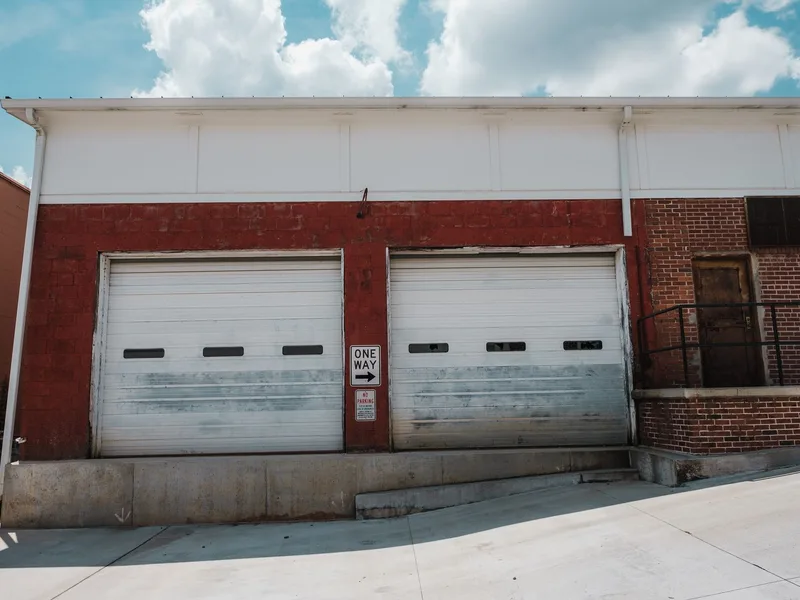
The goods-in door
Seafront villas typically have multiple entrances and boundary walls, so we set goods-in points at the main gate and any detached storage areas according to the compound layout.
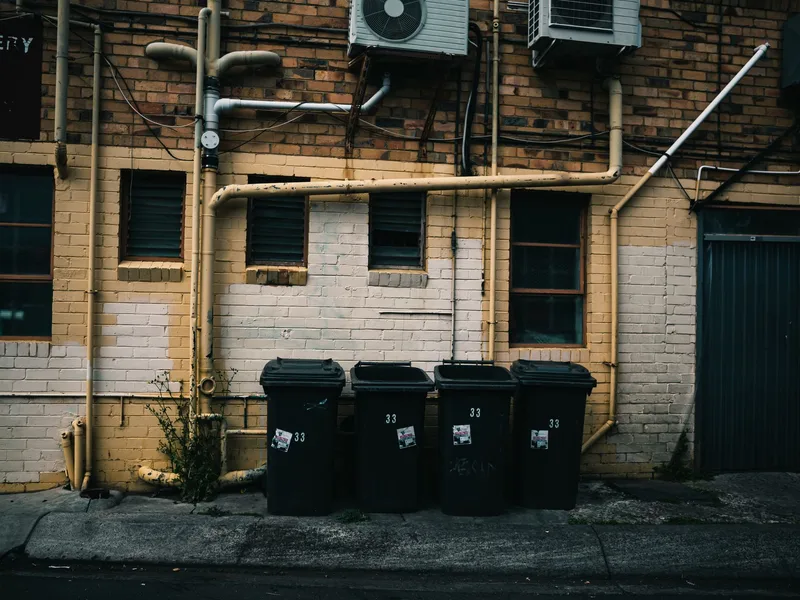
The waste area
Large resorts and villa complexes often maintain waste areas remote from the main building, so we place monitoring points around each waste zone to assess pressure independently.
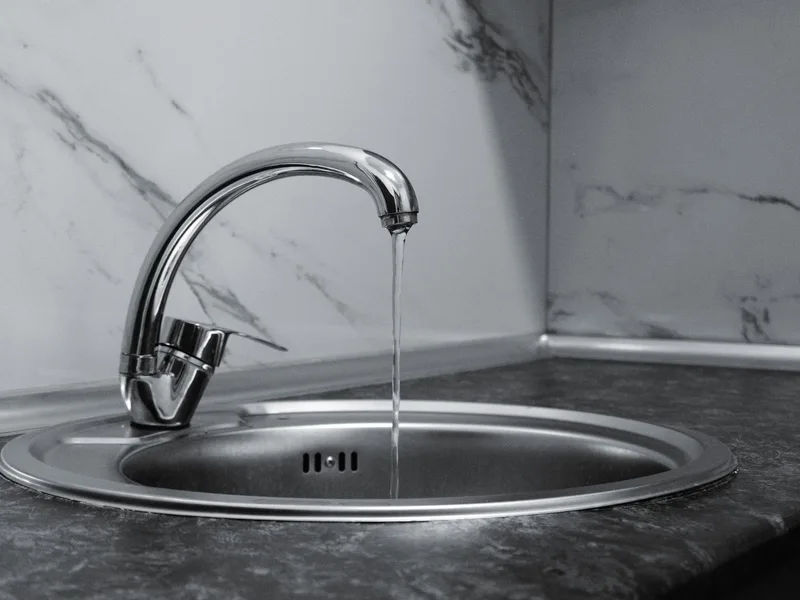
Drains and grease traps
Drainage in coastal buildings suffers from high humidity and salt corrosion, making points near drains and irrigated gardens sensitive indicators of pressure shifts throughout the year.
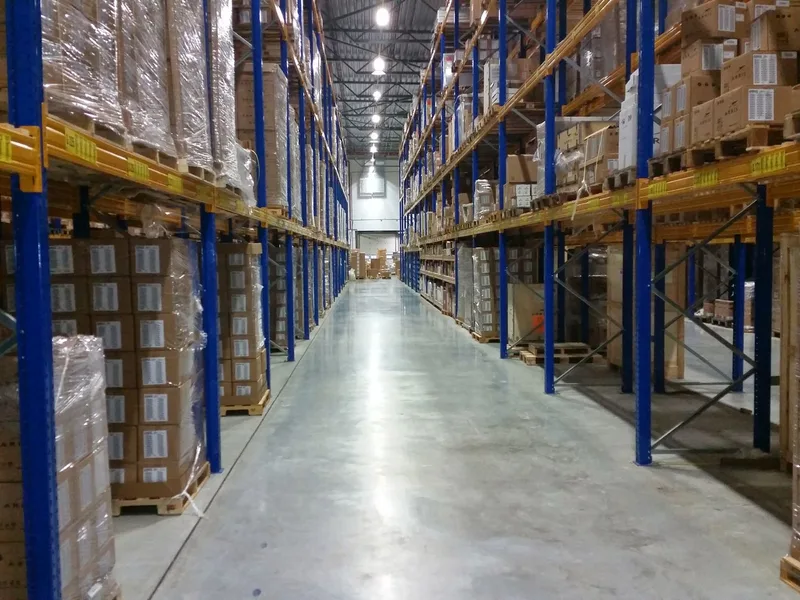
Dry store and pallets
Dry stores in villas and resorts are often air conditioned, reducing humidity and slowing pest reproduction, so we concentrate points in open areas and gardens where natural moisture persists.

Fixed, numbered points
We place numbered points around villa perimeters, gardens and major entrances, with emphasis on areas near landscaping and the vacant ground that surrounds the compounds.

The file itself
Reports include assessment of cracks and gaps caused by humidity and salt damage, with recommendations to repair structures that may become pest entry routes before they worsen.
How we work
-
1
Survey and risk assessment
We walk the building from the goods-in door through preparation, stores and washrooms, and record the species pressure, the entry routes, the moisture and which areas carry which level of risk.
-
2
The plan, the map and the frequency
We number the monitoring positions on a plan of the site, agree the visit frequency from what each area handles and how open the building is, and agree who receives and signs the report.
-
3
The scheduled visits
Every visit reads the same route, point by point, records the reading even when it is nil, and treats the area the reading calls for rather than the whole building.
-
4
Review and reading the trend
We read the visits together rather than one at a time: where the readings climbed, which corrective actions are still open, and whether an area needs more points or closer visits.
What the annual contract includes
-

Opening survey and site plan
A walk that fixes the risk areas and the entry routes, and a plan with the monitoring positions numbered before anything is installed.
-

Numbered monitoring points
Fixed positions on a set route, opened, read and logged every visit, and replaced when damaged.
-

Targeted treatment when called for
On the cracks, junctions and service areas the reading points to, and outside operating hours where that is needed.
-

Drains and waste areas
Floor gullies, grease traps and the ground around the containers on every visit, because that is the source that renews itself.
-

Report and corrective actions
After every visit: what was found, what was applied and where, and what the site needs to fix, such as a door gap or a missing drain cover.
-

Scheduled visits and visits in between
A schedule agreed in the contract, plus a visit when activity appears between two dates, logged like any other.
What is different about Dhahban Sub-Municipality
Dhahban sub municipality is the northern coastal strip of Jeddah, running from the north bank of Sharm Obhur up to the old village of Dhahban and Salman Bay. Its districts are recently built, with owner occupied villas and apartments, beach resorts and chalets on the shore, and land subdivisions still being developed. Nearness to the sea keeps humidity high all year, irrigated lawns in villas, resorts and district parks hold water, Wadi Obhur and the vacant plots between buildings give rodents and reptiles shelter, and the old fishing village of Dhahban gives the far north a rural edge.
Questions about this district
Does coastal humidity reduce how long treatments stay active on surfaces?
Yes, high humidity and salt air both shorten residual life. We use formulations designed to resist salt and moisture, and increase monitoring points in coastal areas beyond what interior districts need to compensate for the faster decay of treatments.
Do new build villas on the seafront need annual contracts as much as older ones?
Modern design improves some aspects, but coastal humidity affects new structures as much as old ones. Extensive gardens and irrigated landscaping attract pests regardless of building age, and the seafront environment accelerates both structural wear and pest activity.
What role does Wadi Obhur play in rodent problems at nearby villas?
The wadi houses large rodent populations year round. During dry seasons they migrate toward buildings seeking water, particularly villas that maintain moisture around their foundations through garden irrigation. The wadi acts as a permanent reservoir for re-infestation if monitoring lapses.
Are cockroach species different here than they are inland?
Species are the same, but coastal humidity and the thermal environment keep them far more active and reproductive through the entire year. Control here requires more frequent visits than inland districts achieve with the same monitoring points.
Do monitoring points need more frequent servicing in the coastal salt air?
Yes, salt spray and moisture affect components over time. We inspect points more closely on each visit in coastal areas and replace affected parts without additional cost, ensuring they remain reliable year round.
Can pest problems be controlled here without an annual contract?
Call out visits cannot track infestation cycles in an environment that shifts seasonally year round. An annual contract ensures continuous monitoring and lets us adjust strategy as the coastal climate changes through the seasons.
How much does annual contracts in North Obhur cost?
It is set after the inspection, because the price follows the type of infestation, the size of the space, how far it has spread and the number of visits it needs. Send a photo and a description on WhatsApp and we will give you an estimate before we reach North Obhur.
Other services in North Obhur
Other services we provide to residents of North Obhur.
-
 Residential
Cockroach control
Residential
Cockroach control
-
 Residential
Bed bug control
Residential
Bed bug control
-
 Residential
Termite control
Residential
Termite control
-
 Residential
Rodents and mice
Residential
Rodents and mice
-
 Residential
Mosquito control
Residential
Mosquito control
-
 Residential
Fly control
Residential
Fly control
-
 Residential
Ant control
Residential
Ant control
-
 Residential
Gecko control
Residential
Gecko control
-
 Residential
Scorpion control
Residential
Scorpion control
-
 Residential
Snake control
Residential
Snake control
-
 Residential
Flea control
Residential
Flea control
-
 Residential
Bird and pigeon control
Residential
Bird and pigeon control
-
 Residential
Preventive treatment
Residential
Preventive treatment
-
 Residential
Disinfection
Residential
Disinfection
-
 Commercial
Restaurants and cafes
Commercial
Restaurants and cafes
-
 Commercial
Hotels and apartments
Commercial
Hotels and apartments
-
 Commercial
Warehouses and factories
Commercial
Warehouses and factories
-
 Commercial
Schools and nurseries
Commercial
Schools and nurseries
-
 Commercial
Retail and malls
Commercial
Retail and malls
-
 Commercial
Rest houses and farms
Commercial
Rest houses and farms
-
 Commercial
Fumigation
Commercial
Fumigation
-
 Water tanks
Water tank cleaning
Water tanks
Water tank cleaning
-
 Water tanks
Water tank sterilization
Water tanks
Water tank sterilization
-
 Water tanks
Water tank sealing
Water tanks
Water tank sealing
-
 Water tanks
Tank leak repair
Water tanks
Tank leak repair
Need annual contracts in North Obhur? Tell us what you saw and we will tell you what it needs
We reach North Obhur at a time we agree, and you get the full cost before we start.