

Warehouses and factories in North Obhur Jeddah
North Obhur sits on the northern shore of Sharm Obhur, where resorts, rest houses and waterfront villas draw pests throughout the year. The proximity to sea and constant irrigation of landscaped grounds maintain high humidity within and around storage buildings, which shortens insect breeding cycles and raises baseline infestation pressure.
-
Targeted, not broadcast
Product goes into cracks and runways, never sprayed across open surfaces.
-
Told before we start
What we will use, where it goes, and what to cover or move before we arrive.
-
A follow-up visit
We return after the first treatment, because what survives it does not show on the day.
-
Homes and businesses
Apartments and villas, and kitchens and stores that need a record of each visit.
Why they keep coming back in North Obhur
Water pooled in the irrigated gardens and landscaped grounds around resorts creates permanent external shelters for rodents and insects throughout the year. The method is set out in full on our Warehouses and factories service.
Coastal humidity shortens the development cycle
Humidity in North Obhur never drops through the year, and consistent warmth means cockroach development cycles are faster than in inland districts. A warehouse read at several points may need treatment cycles closer together than the standard programme would suggest.
External shelters are close to the warehouse
Wadi Obhur and the vacant plots between resorts and villas shelter rodents and reptiles. These nearby sources raise external pressure, and any gap in a door or window increases the likelihood of entry and internal harbouring.
Irrigated landscaping feeds year round pressure
Resorts and leisure facilities maintain irrigated gardens that attract insects and rodents continuously. If the warehouse site adjoins these landscaped areas, the permanent moisture means steady pressure on any stored food or light goods.
Landmarks of North Obhur
Warehouses in North Obhur situated along Prince Abdullah Al Faisal Street and near Jeddah Economic City need careful inspection because proximity to North Obhur Beach means the permanent humidity that surrounds the entire site.
- Sharm Obhur
- North Obhur Beach
- Prince Abdullah Al Faisal Street
- Jeddah Tower
- Jeddah Economic City
What the first walk through the building reads
Salt air and coastal humidity accelerate corrosion of door seals and building edges, leaving gaps through which rodents and insects enter warehouses situated near the shoreline.

The shutter line
Goods-in doors in coastal areas suffer seal corrosion from salt and humidity, leaving gaps that let rodents enter from nearby Wadi Obhur and surrounding areas.

What comes in on the pallet
Incoming pallets may originate from coastal sources or other humid warehouses, so we focus inspection on consignments before they are unloaded into main storage.
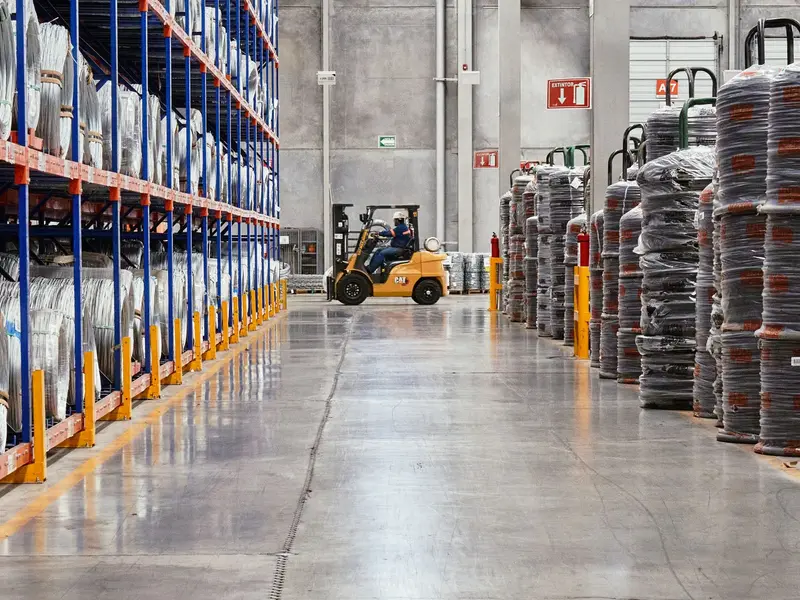
The strip along the wall
Racking in coastal warehouses needs careful inspection around joints because humidity causes corrosion faster, and pests exploit these deteriorating gaps.
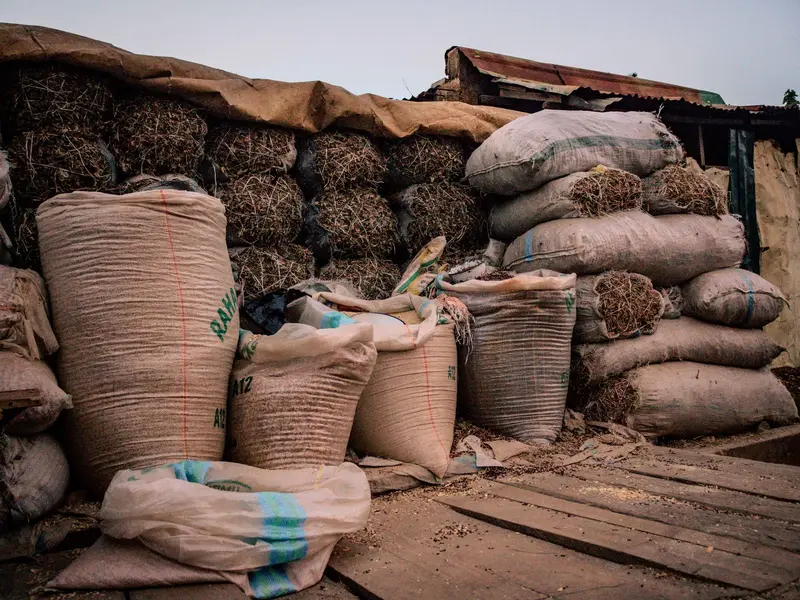
Spillage under the racking
Water spillage under racking happens faster due to coastal humidity, creating ideal cockroach and rodent habitat unless drainage is actively maintained.
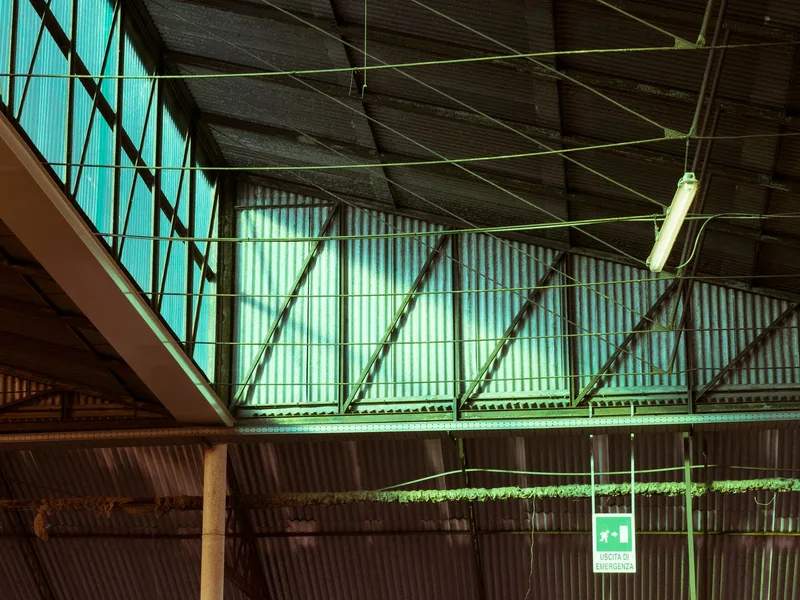
The roof and the openings above
The roof and upper openings leak moisture from salt air, maintaining a constant water source inside the warehouse even on dry-looking days.
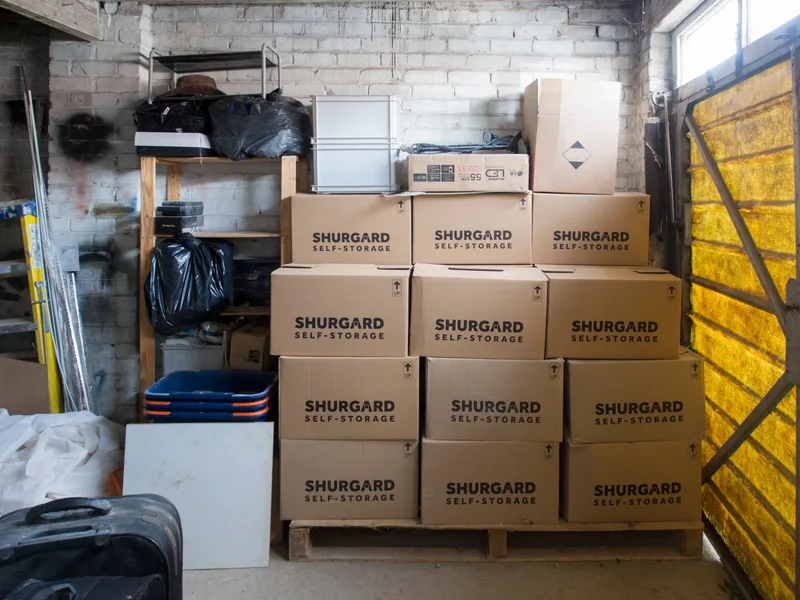
Stock that does not move
Static stock in coastal warehouses faces humidity that turns it into pest habitat unless it is covered or properly isolated from the surrounding air.
How we work
-
1
Survey the building and locate the source
We walk from the goods-in door through the racking, the production areas and the outside wall line, and establish whether the pressure is stored product pests inside the goods, rodents from the perimeter or flying insects from waste and doorways, because each of those is a different programme.
-
2
Pheromone traps and numbered points
Species-specific pheromone traps through the storage areas, and monitoring points on the external ring and along the internal walls, numbered on the racking plan. A trap treats nothing, it tells us which aisle the numbers are climbing in.
-
3
Targeted treatment and isolating the consignment
Spillage is lifted first, then empty racking, wall and floor junctions and voids are treated, and nothing is placed over open stock or a running line. A consignment showing activity is isolated where it stands rather than carried through the building.
-
4
Sealing, then the scheduled visits
We close door gaps, openings and pipe entries, then come back on an agreed schedule: the same traps and points are read each time, and a report goes over what was found, what was treated and what the building still needs closed.
What warehouse pest control includes
-

Site survey and racking plan
A walk from the goods-in door to the last aisle, and a plan with every monitoring position numbered before anything is installed.
-

Pheromone traps and numbered points
Species-specific traps through the storage areas and points along the perimeter line, read and logged on every visit.
-

Targeted treatment of racking and junctions
On empty racking, wall and floor junctions and voids, never over open stock or a running line.
-

Drains, waste and the perimeter
Floor gullies, the container area and the outside wall line, because that is the source which renews itself.
-

Proofing and building findings
Shutter gaps, brush seals and mesh over openings, with a list of what the site needs to repair.
-

Scheduled visits and a report each time
Agreed dates set by the pressure on the site, the same traps read again, and a report that records every visit.
What is different about Dhahban Sub-Municipality
Dhahban sub municipality is the northern coastal strip of Jeddah, running from the north bank of Sharm Obhur up to the old village of Dhahban and Salman Bay. Its districts are recently built, with owner occupied villas and apartments, beach resorts and chalets on the shore, and land subdivisions still being developed. Nearness to the sea keeps humidity high all year, irrigated lawns in villas, resorts and district parks hold water, Wadi Obhur and the vacant plots between buildings give rodents and reptiles shelter, and the old fishing village of Dhahban gives the far north a rural edge.
Questions about this district
Does the high coastal humidity change how we treat the warehouse?
Yes, humidity accelerates insect development, so pheromone traps and monitoring points need reading more frequently than standard protocols. The treatment approach stays the same but monitoring density must increase through warm and humid seasons.
The warehouse sits next to a resort landscape. Does that matter?
Significantly. Water in landscaped soil and irrigated grounds creates permanent external pest habitat. When we inspect the warehouse we focus heavily on gaps around doors and windows that face these green areas.
What is different between a coastal warehouse and an inland one?
Coastal warehouses face permanent humidity and salt air that corrodes seals and joints faster. This means more frequent inspection of weak points, tighter seal maintenance and stronger preventive treatment around all openings.
Do goods arriving from coastal ports need special handling?
Goods from ports or coastal sources often carry marine pests and hitchhiker insects. We inspect incoming shipments carefully and place reception traps before stock enters the main warehouse.
When is pest pressure highest through the year?
Peak pressure runs from March through November when heat and humidity combine. In North Obhur, pressure never truly drops because proximity to water maintains favourable conditions even in the cooler months.
Is sealing the building better than regular treatment?
Sealing is necessary but insufficient on its own because external humidity stays high. Successful programmes combine improved sealing with regular monitoring and targeted treatment based on what we read.
How much does warehouses and factories in North Obhur cost?
It is set after the inspection, because the price follows the type of infestation, the size of the space, how far it has spread and the number of visits it needs. Send a photo and a description on WhatsApp and we will give you an estimate before we reach North Obhur.
Other services in North Obhur
Other services we provide to residents of North Obhur.
-
 Residential
Cockroach control
Residential
Cockroach control
-
 Residential
Bed bug control
Residential
Bed bug control
-
 Residential
Termite control
Residential
Termite control
-
 Residential
Rodents and mice
Residential
Rodents and mice
-
 Residential
Mosquito control
Residential
Mosquito control
-
 Residential
Fly control
Residential
Fly control
-
 Residential
Ant control
Residential
Ant control
-
 Residential
Gecko control
Residential
Gecko control
-
 Residential
Scorpion control
Residential
Scorpion control
-
 Residential
Snake control
Residential
Snake control
-
 Residential
Flea control
Residential
Flea control
-
 Residential
Bird and pigeon control
Residential
Bird and pigeon control
-
 Residential
Preventive treatment
Residential
Preventive treatment
-
 Residential
Disinfection
Residential
Disinfection
-
 Commercial
Annual contracts
Commercial
Annual contracts
-
 Commercial
Restaurants and cafes
Commercial
Restaurants and cafes
-
 Commercial
Hotels and apartments
Commercial
Hotels and apartments
-
 Commercial
Schools and nurseries
Commercial
Schools and nurseries
-
 Commercial
Retail and malls
Commercial
Retail and malls
-
 Commercial
Rest houses and farms
Commercial
Rest houses and farms
-
 Commercial
Fumigation
Commercial
Fumigation
-
 Water tanks
Water tank cleaning
Water tanks
Water tank cleaning
-
 Water tanks
Water tank sterilization
Water tanks
Water tank sterilization
-
 Water tanks
Water tank sealing
Water tanks
Water tank sealing
-
 Water tanks
Tank leak repair
Water tanks
Tank leak repair
Need warehouses and factories in North Obhur? Tell us what you saw and we will tell you what it needs
We reach North Obhur at a time we agree, and you get the full cost before we start.