
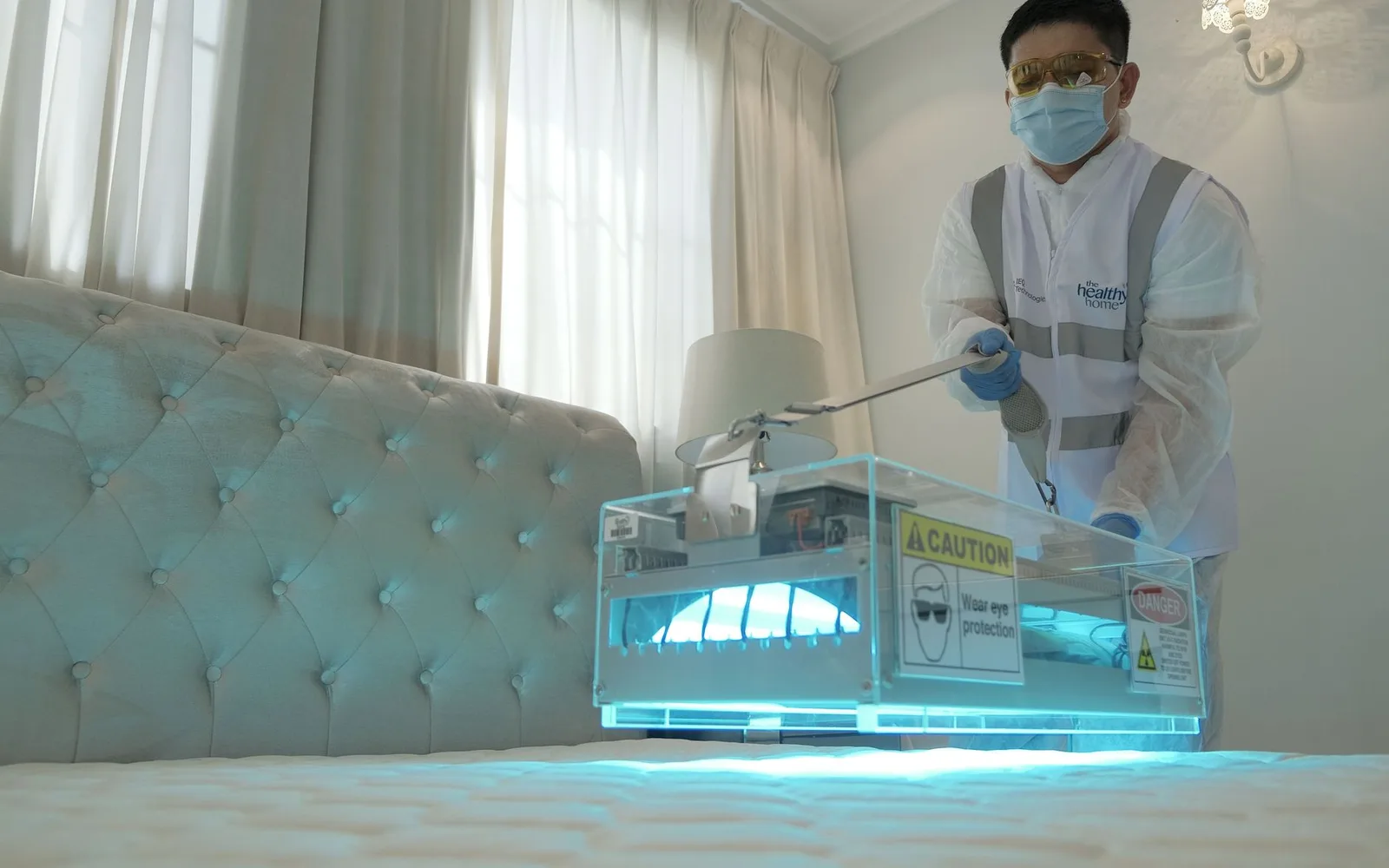
Hotels and apartments in North Obhur Jeddah
North Obhur is a coastal district, and its hotels and beach resorts face high humidity and salt air year round, which speeds the life cycles of bed bugs and cockroaches. Treatment here demands precision timing and protection against salt corrosion to hold a room between visits.
-
Targeted, not broadcast
Product goes into cracks and runways, never sprayed across open surfaces.
-
Told before we start
What we will use, where it goes, and what to cover or move before we arrive.
-
A follow-up visit
We return after the first treatment, because what survives it does not show on the day.
-
Homes and businesses
Apartments and villas, and kitchens and stores that need a record of each visit.
Why they keep coming back in North Obhur
Continuous humidity shortens bed bug cycles. Salt air affects chemical choices and spray scheduling in ways that do not apply further inland. The method is set out in full on Hotels and apartments in detail.
Coastal humidity and compressed hatch cycles
Damp air and seafront exposure speed bed bug and cockroach reproduction. Hatch visits must come sooner here than inland. Pesticides are chosen to resist salt spray and marine degradation, and retreatment intervals are tighter.
Resorts and rest houses with rapid guest turnover
Insects spread fast through resort luggage and borrowed furnishings. Inspection covers service rooms, commercial kitchens and shared areas between guest wings, not just individual units.
Wadi Obhur and vacant plots as rodent sources
The wadi and undeveloped land between resort complexes give rodents and reptiles steady transit routes. Full property protection includes the perimeter and any underground utilities or service runs.
Landmarks of North Obhur
Hotels and resorts on Sharm Obhur and North Obhur Beach operate under tight scheduling. We reach units along Prince Abdullah Al Faisal Street and coordinate entry through each property's management to align treatment with guest movements.
- Sharm Obhur
- North Obhur Beach
- Prince Abdullah Al Faisal Street
- Jeddah Tower
- Jeddah Economic City
What we check in the room, and behind it
The northern seafront and Sharm Obhur drive humidity through every season. Irrigated landscaping and modern buildings provide permanent shelter for rodents and insects in equal measure.
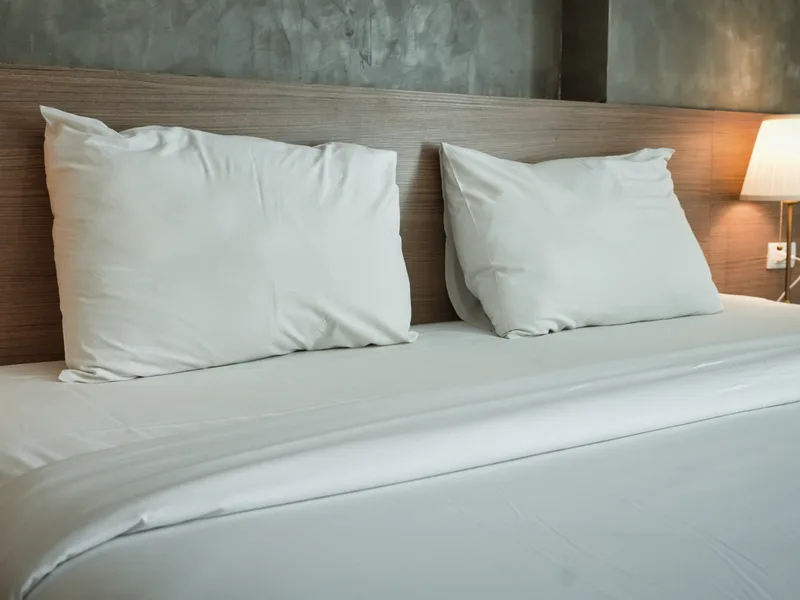
Mattress and base seams
Coastal humidity keeps mattress seams wet. Inspect carefully and treat even where no visible signs appear, because moisture holds eggs longer and makes them harder to spot.
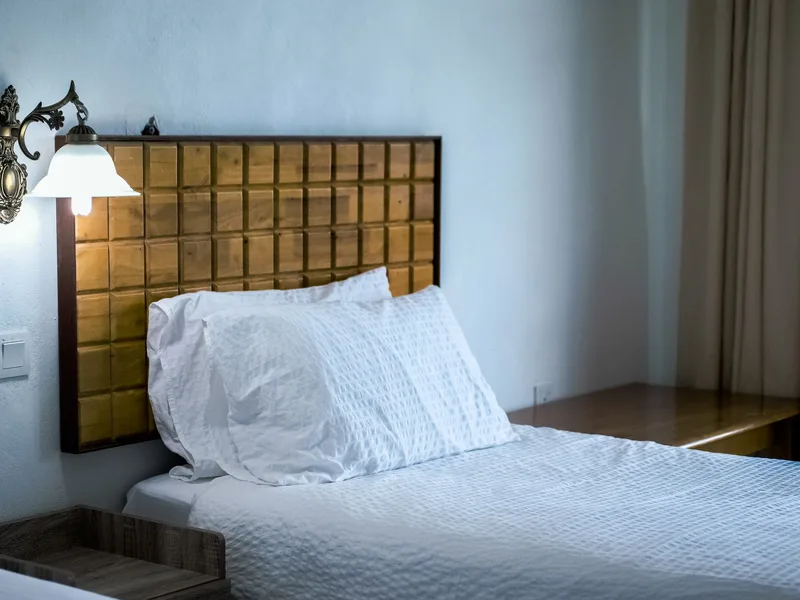
The headboard
The headboard sits close to windows and outside walls where salt air and moisture penetrate. Gaps between wood and upholstery need strong application because humidity keeps them damp.
The rooms either side
Shared air handling and connecting corridors mean neighbouring rooms are treated together regardless of complaints. Humidity moves insects sideways between units faster than in drier zones.
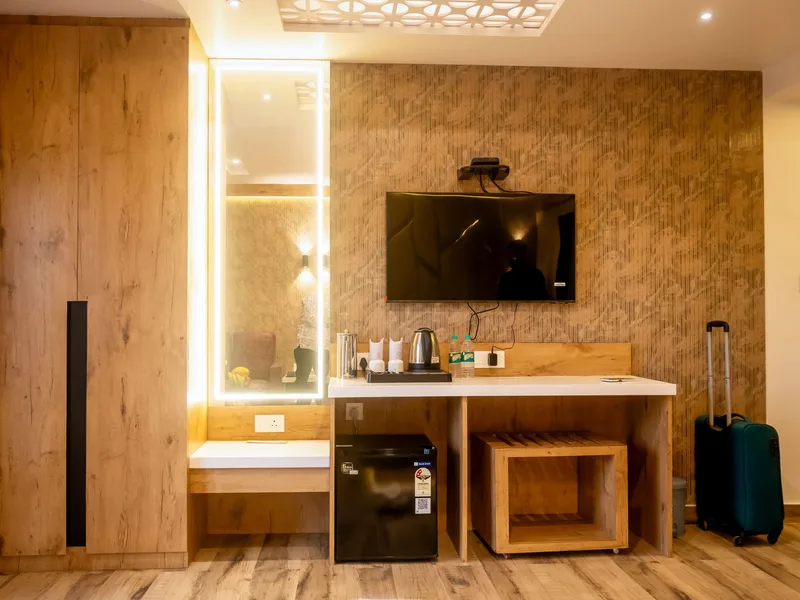
The luggage stand and wardrobe
Luggage stands sit where guest bags rest and where staff move wet towels. This area is a transfer point and gets full treatment including spray and sealing of seams and hinges.
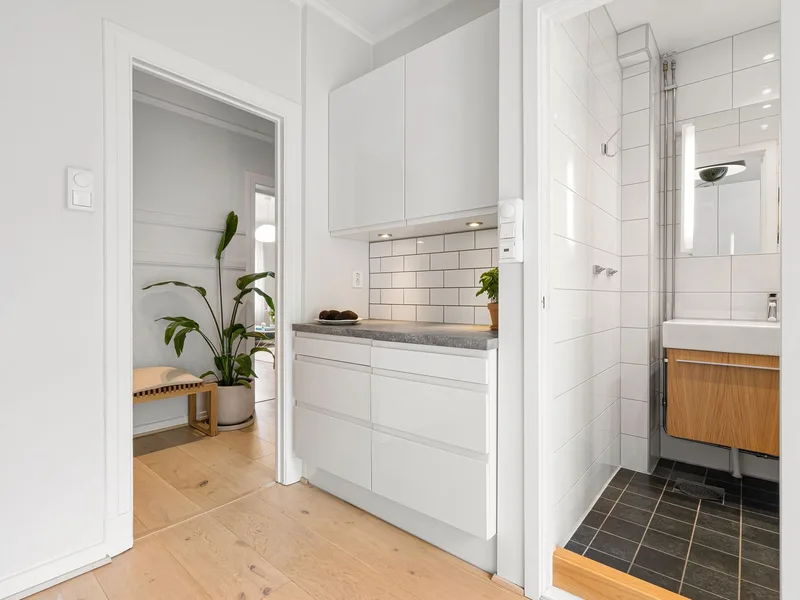
The kitchenette in a unit
Kitchenettes in resort suites heat up and trap steam. They are inspected thoroughly because cockroaches thrive where temperature and food waste meet, and salt air blocks some ventilation.

Laundry and the waste room
The laundry and waste room work under high humidity with linens and scraps. They are treated separately in every cycle because moisture keeps them alive longer and because they are where staff work.
How we work
-
1
Walk the floor, room by room
We start from what the staff reported, open the beds, lift the headboards and check the rooms either side and the ones above and below, then mark each room as affected, adjacent or clear.
-
2
Treatment outside occupied hours
Seams are vacuumed first, then steam or a targeted application goes onto the seams and joints, dust into the frame voids and behind the skirting, and gel bait through the kitchens and service areas. Nothing is broadcast over soft furnishings.
-
3
Sealing, and the operating routine
We close the skirting gap, the pipe penetration and the gap under the service corridor door, then agree with the staff that linen is bagged inside the room itself, and what gets reported the moment it is seen.
-
4
Follow-up, and putting the room back
We come back once the remaining eggs have hatched, read the monitors and open the bed a second time. A room returns to service on the result of that inspection, and the room number and both dates go into the log.
What the hotel and apartment programme includes
-

A recorded room by room inspection
Beds opened, headboards lifted, neighbouring rooms checked, and the state of every room number recorded before anything is applied.
-

Treatment of the beds and seams
Vacuuming, then a targeted application on mattress and base seams, frame joints and behind the skirting, never across the open surfaces of the room.
-

Bait and points in the service areas
Gel bait and numbered monitoring positions through the kitchen, the stores and the service corridors, read and logged on every visit.
-

Drains, laundry and waste
Floor gullies, the grease trap, the laundry and the ground around the containers, because that is the source that renews itself daily.
-

Room release and staff guidance
What is covered and cleared before we go in, the ventilation time we set for each case, and what the staff look for when they strip a bed.
-

A timed follow-up and a room log
A second visit timed to the hatch, monitors read, and a record carrying the room number, the date of each visit and what was found.
What is different about Dhahban Sub-Municipality
Dhahban sub municipality is the northern coastal strip of Jeddah, running from the north bank of Sharm Obhur up to the old village of Dhahban and Salman Bay. Its districts are recently built, with owner occupied villas and apartments, beach resorts and chalets on the shore, and land subdivisions still being developed. Nearness to the sea keeps humidity high all year, irrigated lawns in villas, resorts and district parks hold water, Wadi Obhur and the vacant plots between buildings give rodents and reptiles shelter, and the old fishing village of Dhahban gives the far north a rural edge.
Questions about this district
Why are resort bed bugs harder to control on the coast?
Humidity accelerates breeding cycles. Hatch visits here come 7-10 days apart, not 14. Salt degrades some treatments, so we choose chemicals resistant to marine air and increase coverage on coastal facing walls.
Do commercial kitchens in resort wings need separate treatment?
Resort kitchens are large, multi-storey operations with complex plumbing and thick pest populations. They are inspected and treated on a separate schedule from guest rooms because they hold food, staff and heat.
How does salt air change which pesticides you use?
We choose broad spectrum products that resist weathering and saline degradation. Application rates are higher on exposed surfaces, and follow up visits are scheduled tighter than in town centre hotels.
Are vacant plots and wadis the property owner's problem or yours?
Full inspection assesses external harbourage. If rodents are arriving from neighbouring land, we propose external barriers as part of the programme. Ongoing monitoring is then part of the service.
Can a room go back on service after one treatment?
No. In North Obhur the hatch visit is critical because humidity speeds egg development. A room returns to service only after inspection confirms no live eggs or nymphs remain.
What about the laundry and waste room behind the scenes?
Back of house areas are treated in every cycle. High humidity means linens can harbour eggs, so laundry inspection is thorough and waste rooms are sealed from the guest side.
How much does hotels and apartments in North Obhur cost?
It is set after the inspection, because the price follows the type of infestation, the size of the space, how far it has spread and the number of visits it needs. Send a photo and a description on WhatsApp and we will give you an estimate before we reach North Obhur.
Other services in North Obhur
Other services we provide to residents of North Obhur.
-
 Residential
Cockroach control
Residential
Cockroach control
-
 Residential
Bed bug control
Residential
Bed bug control
-
 Residential
Termite control
Residential
Termite control
-
 Residential
Rodents and mice
Residential
Rodents and mice
-
 Residential
Mosquito control
Residential
Mosquito control
-
 Residential
Fly control
Residential
Fly control
-
 Residential
Ant control
Residential
Ant control
-
 Residential
Gecko control
Residential
Gecko control
-
 Residential
Scorpion control
Residential
Scorpion control
-
 Residential
Snake control
Residential
Snake control
-
 Residential
Flea control
Residential
Flea control
-
 Residential
Bird and pigeon control
Residential
Bird and pigeon control
-
 Residential
Preventive treatment
Residential
Preventive treatment
-
 Residential
Disinfection
Residential
Disinfection
-
 Commercial
Annual contracts
Commercial
Annual contracts
-
 Commercial
Restaurants and cafes
Commercial
Restaurants and cafes
-
 Commercial
Warehouses and factories
Commercial
Warehouses and factories
-
 Commercial
Schools and nurseries
Commercial
Schools and nurseries
-
 Commercial
Retail and malls
Commercial
Retail and malls
-
 Commercial
Rest houses and farms
Commercial
Rest houses and farms
-
 Commercial
Fumigation
Commercial
Fumigation
-
 Water tanks
Water tank cleaning
Water tanks
Water tank cleaning
-
 Water tanks
Water tank sterilization
Water tanks
Water tank sterilization
-
 Water tanks
Water tank sealing
Water tanks
Water tank sealing
-
 Water tanks
Tank leak repair
Water tanks
Tank leak repair
Need hotels and apartments in North Obhur? Tell us what you saw and we will tell you what it needs
We reach North Obhur at a time we agree, and you get the full cost before we start.