

Annual contracts in West Al Baghdadiyah Jeddah
West Al Baghdadiyah is a coastal district that fronts the Arbaeen lagoon and sits a short distance from Al Hamra Corniche. High humidity and salt air accelerate pest breeding and make insects more active year round. The annual contract places numbered monitoring points tuned to these coastal conditions, catching infestation in older apartment blocks before pests establish colonies in damp walls.
-
Targeted, not broadcast
Product goes into cracks and runways, never sprayed across open surfaces.
-
Told before we start
What we will use, where it goes, and what to cover or move before we arrive.
-
A follow-up visit
We return after the first treatment, because what survives it does not show on the day.
-
Homes and businesses
Apartments and villas, and kitchens and stores that need a record of each visit.
Why they keep coming back in West Al Baghdadiyah
Older flats have cracks and seepage on their sea-facing walls, and moisture penetrates behind tiles and decorative finishes. Insects find warm, humid refuges there that look clean and dry from inside the flat. Treatment in one room fails because the colony remains hidden in the dampness next door. The method is set out in full on how we approach Annual contracts.
Coastal humidity cuts the pest breeding cycle
In dry climates an insect takes weeks to develop. In West Al Baghdadiyah, sustained humidity and stable temperatures compress the cycle to days. The annual contract cannot wait a month between visits here. Reports are made more frequently if needed, and monitoring points are set to higher sensitivity thresholds so infestations are caught before populations explode.
Cracks and seepage harbour hidden colonies
Old external walls crack and weep from salt and damp. Water seeps behind plasterwork and tiles. Insects colonise these wet cavities and remain out of reach of desiccant traps. Numbered monitoring points in the contract focus on these weak zones in the structure, not just the visible interior of the flat.
Salt air corrodes the barriers that keep pests out
Seals around windows and doors degrade far faster in coastal zones. Salt eats rubber and silicone. New gaps open and insects enter through them. The annual contract inspects these barriers regularly and marks monitoring points at every weakened entry so the team can see where pests are using the gaps.
The character of West Al Baghdadiyah
Coastal area: high humidity and salt air through the year
Constant coastal humidity accelerates pest development and weakens the physical barriers of older flats. The contract must increase monitoring frequency and concentrate on damp zones and hidden cavities that show no problems in inland districts.
What sets the shape of the contract
The area is low lying and flat, exposed directly to sea air and suspended salt that corrodes external surfaces and seeps through older masonry. Standing moisture and cracked plasterwork create permanent habitats for insects seeking humidity and shelter.
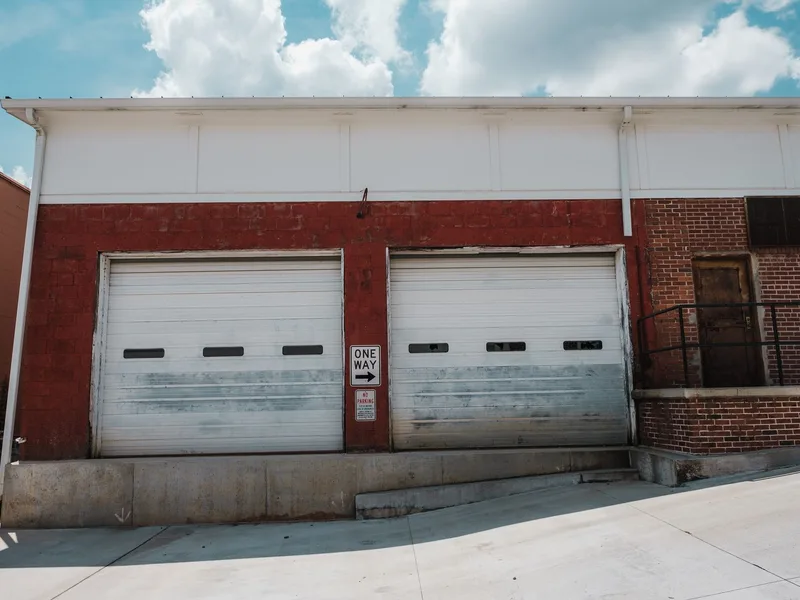
The goods-in door
The goods-in door on the seaward side experiences salt spray and high moisture directly, and the contract monitors this zone with higher sensitivity because it is the point where outside insects enter the flat most easily.
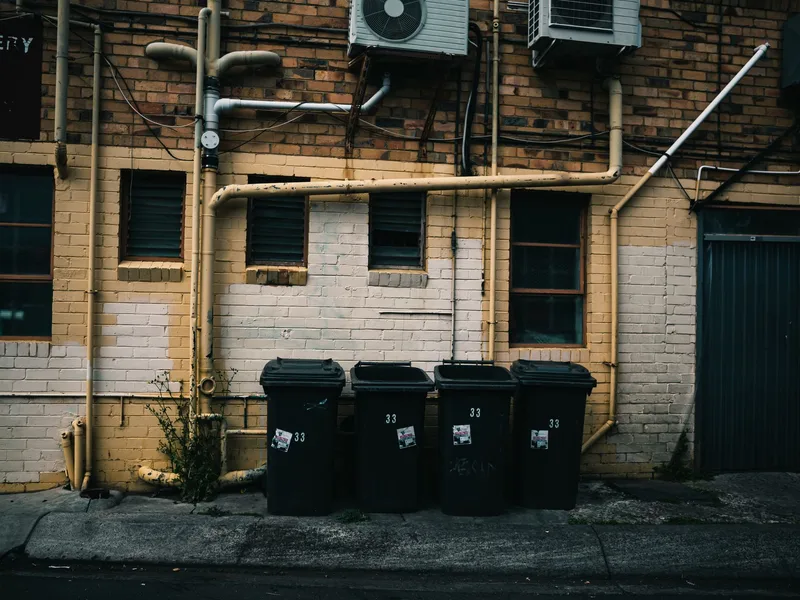
The waste area
The waste area sits exposed to coastal damp and salt, conditions that speed bacterial and fungal growth and attract flies and crawling insects. Monitoring points concentrate on this zone because refuse areas are pest magnets in humid climates.
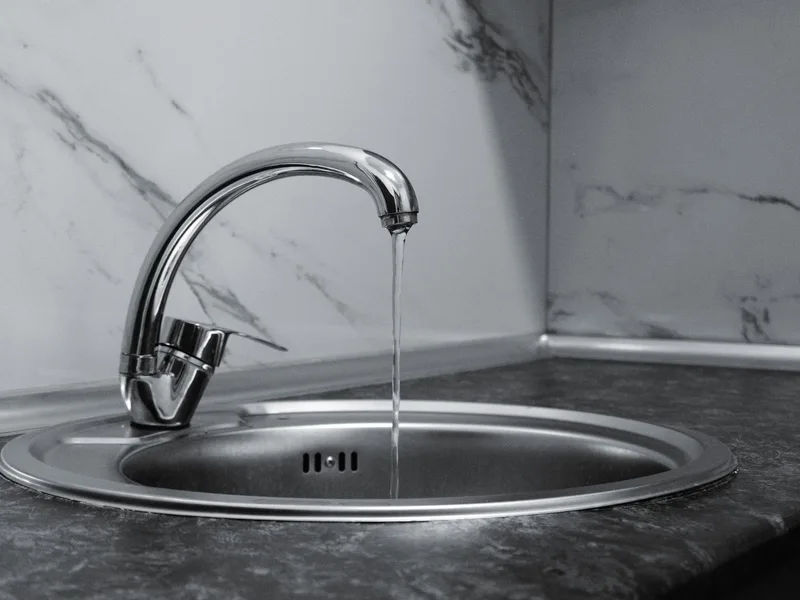
Drains and grease traps
Drains from old flats run through corroded and deteriorating pipes, and salt spray hastens their failure. The contract places sealed traps at strategic junctions on the drain line to prevent insects climbing from the sewer into the flat.
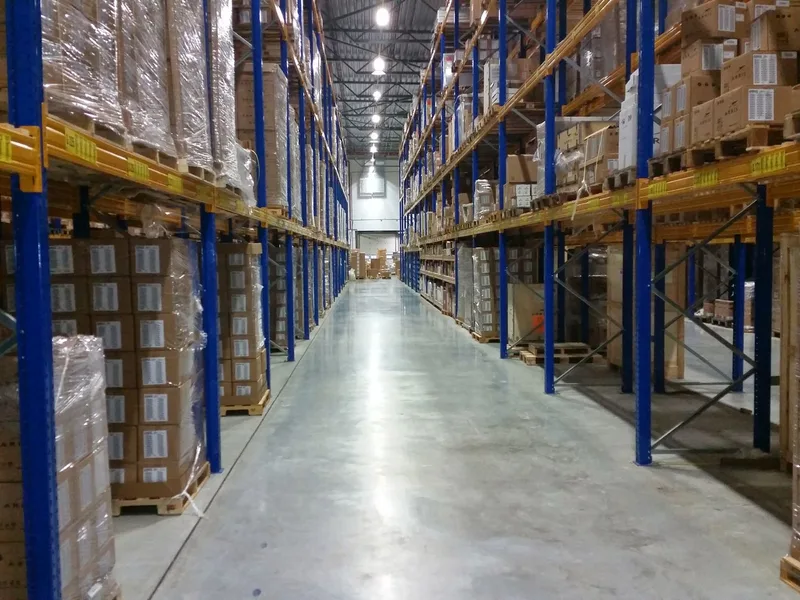
Dry store and pallets
Dry storage needs strong ventilation in West Al Baghdadiyah because coastal moisture penetrates easily. Monitoring points record both damp levels and pest activity so food stores are kept habitable.
Fixed, numbered points
Numbered points are placed at visible cracks on external walls and behind furniture that sits against seaward facing surfaces, where insects colonise most heavily in humid conditions.

The file itself
The file holds moisture maps, records of seepage zones, documented cracks and the location of each numbered point, and monthly reports tie findings to the state of physical barriers and seals to track ongoing structural degradation.
How we work
-
1
Survey and risk assessment
We walk the building from the goods-in door through preparation, stores and washrooms, and record the species pressure, the entry routes, the moisture and which areas carry which level of risk.
-
2
The plan, the map and the frequency
We number the monitoring positions on a plan of the site, agree the visit frequency from what each area handles and how open the building is, and agree who receives and signs the report.
-
3
The scheduled visits
Every visit reads the same route, point by point, records the reading even when it is nil, and treats the area the reading calls for rather than the whole building.
-
4
Review and reading the trend
We read the visits together rather than one at a time: where the readings climbed, which corrective actions are still open, and whether an area needs more points or closer visits.
What the annual contract includes
-

Opening survey and site plan
A walk that fixes the risk areas and the entry routes, and a plan with the monitoring positions numbered before anything is installed.
-

Numbered monitoring points
Fixed positions on a set route, opened, read and logged every visit, and replaced when damaged.
-

Targeted treatment when called for
On the cracks, junctions and service areas the reading points to, and outside operating hours where that is needed.
-

Drains and waste areas
Floor gullies, grease traps and the ground around the containers on every visit, because that is the source that renews itself.
-

Report and corrective actions
After every visit: what was found, what was applied and where, and what the site needs to fix, such as a door gap or a missing drain cover.
-

Scheduled visits and visits in between
A schedule agreed in the contract, plus a visit when activity appears between two dates, logged like any other.
Landmarks of West Al Baghdadiyah
Flats between the Arbaeen Lagoon and interior housing need a unified contract but with distinct coastal considerations. Along Madinah Road and Al Hamra Corniche, numbered monitoring points are positioned to track the distance between the sea and the building and intercept insects entering through air exposure and wind driven salt spray at every opening.
- Arbaeen Lagoon
- Al Hamra Corniche
- Madinah Road
- Port Bridge Road
- Al Juffali Mosque
Questions about this district
Our old flat smells of damp. Do insects prefer wet or dry places?
Most insects thrive when humidity and warmth combine. In West Al Baghdadiyah, humidity is constant and temperature stays moderate, so insects develop faster and stay active throughout the year even in winter. The contract prevents populations building by scheduling closer intervals between visits.
Some flats in the district stay pest free. Why is ours so affected?
Modern refurbished flats have sound seals and working ventilation, so pests find nowhere to settle. Your older flat has cracks, seepage and poor air circulation, creating ideal conditions for insects to breed. The contract compensates with intensive monitoring tailored to your building's age and state.
Does salt in the air weaken the strength of pesticides?
Yes. Salt reduces the efficacy of some formulations and damp speeds their breakdown. The annual contract uses products formulated specifically for coastal environments and transports them in sealed containers to prevent degradation. The report notes any environmental factors that affected treatment results.
How often will visits come to a flat like ours?
In West Al Baghdadiyah, visits occur more frequently than inland zones because breeding rates are faster. The contract starts with a base schedule then adjusts based on monthly reports. If monitoring points record continuous activity, visit frequency increases automatically.
Will monitoring points rust or corrode from salt spray?
Points are made from salt and moisture resistant materials, but they need more frequent maintenance than indoor installations. The contract includes replacement of affected points and condition checks at every visit.
If we move to a newer flat in the same area, does the contract change?
Yes. A newer or refurbished flat may need a different schedule. We survey the new location, assess its exposure and condition, then issue a fresh contract matched to that building's age, sealing quality and proximity to the lagoon.
How much does annual contracts in West Al Baghdadiyah cost?
It is set after the inspection, because the price follows the type of infestation, the size of the space, how far it has spread and the number of visits it needs. Send a photo and a description on WhatsApp and we will give you an estimate before we reach West Al Baghdadiyah.
Nearby districts we cover
Other services in West Al Baghdadiyah
Other services we provide to residents of West Al Baghdadiyah.
-
 Residential
Cockroach control
Residential
Cockroach control
-
 Residential
Bed bug control
Residential
Bed bug control
-
 Residential
Termite control
Residential
Termite control
-
 Residential
Rodents and mice
Residential
Rodents and mice
-
 Residential
Mosquito control
Residential
Mosquito control
-
 Residential
Fly control
Residential
Fly control
-
 Residential
Ant control
Residential
Ant control
-
 Residential
Gecko control
Residential
Gecko control
-
 Residential
Scorpion control
Residential
Scorpion control
-
 Residential
Snake control
Residential
Snake control
-
 Residential
Flea control
Residential
Flea control
-
 Residential
Bird and pigeon control
Residential
Bird and pigeon control
-
 Residential
Preventive treatment
Residential
Preventive treatment
-
 Residential
Disinfection
Residential
Disinfection
-
 Commercial
Restaurants and cafes
Commercial
Restaurants and cafes
-
 Commercial
Hotels and apartments
Commercial
Hotels and apartments
-
 Commercial
Warehouses and factories
Commercial
Warehouses and factories
-
 Commercial
Schools and nurseries
Commercial
Schools and nurseries
-
 Commercial
Retail and malls
Commercial
Retail and malls
-
 Commercial
Rest houses and farms
Commercial
Rest houses and farms
-
 Commercial
Fumigation
Commercial
Fumigation
-
 Water tanks
Water tank cleaning
Water tanks
Water tank cleaning
-
 Water tanks
Water tank sterilization
Water tanks
Water tank sterilization
-
 Water tanks
Water tank sealing
Water tanks
Water tank sealing
-
 Water tanks
Tank leak repair
Water tanks
Tank leak repair
Need annual contracts in West Al Baghdadiyah? Tell us what you saw and we will tell you what it needs
We reach West Al Baghdadiyah at a time we agree, and you get the full cost before we start.