
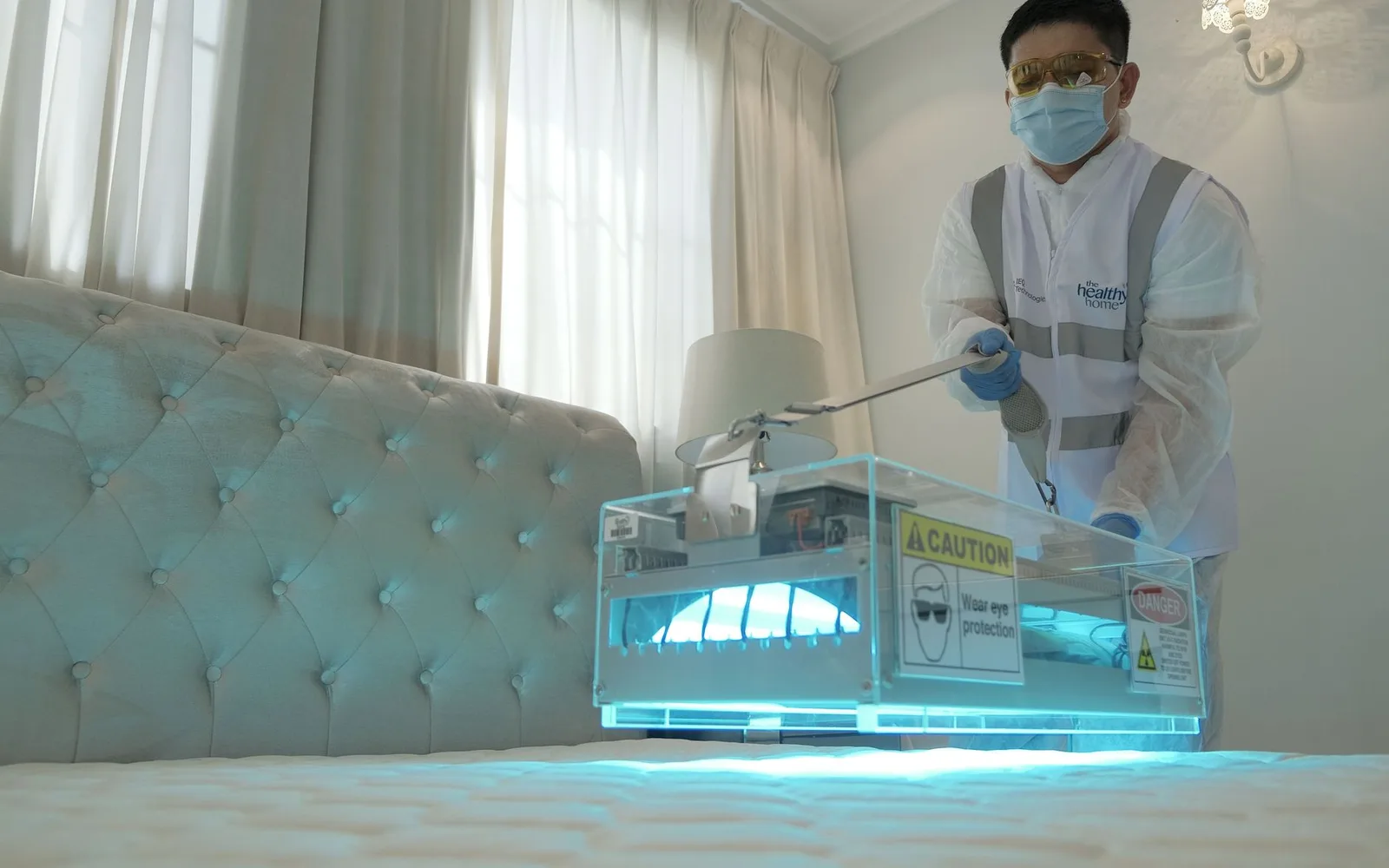
Hotels and apartments in West Al Baghdadiyah Jeddah
West Al Baghdadiyah sits on low coastal ground directly beside the Arbaeen Lagoon, and high year-round humidity and salt air fundamentally change how insects behave and spread between rooms and how pesticides perform on damp walls.
-
Targeted, not broadcast
Product goes into cracks and runways, never sprayed across open surfaces.
-
Told before we start
What we will use, where it goes, and what to cover or move before we arrive.
-
A follow-up visit
We return after the first treatment, because what survives it does not show on the day.
-
Homes and businesses
Apartments and villas, and kitchens and stores that need a record of each visit.
Why they keep coming back in West Al Baghdadiyah
Insects here move through damp walls far more readily than in dry neighbourhoods elsewhere, and pesticides require more frequent reapplication because damp walls reduce adhesion and penetration. The method is set out in full on how we approach Hotels and apartments.
High humidity changes insect behaviour
Permanent humidity from the lagoon and sea makes insects spread horizontally through walls and foundations rather than vertically, and they hide in deep damp cracks instead of the dry gaps they prefer inland. This changes where treatment is applied and how often.
Saltwater air degrades pesticides faster
Salt air speeds the breakdown of pesticides on exposed surfaces and building bases. Humidity reduces adhesion of the pesticide film to the wall, which means treatment visits must come closer together and chemical concentrations must be higher or applied differently.
Mid-century buildings on low coast
The apartment blocks here from the 1950s and 1960s suffer chronic water ingress into foundations and ground floor slabs. This creates an ideal breeding ground where insects and mould flourish together in walls that never fully dry.
The character of West Al Baghdadiyah
Coastal area: high humidity and salt air through the year
A coastal area means humidity is not just in the air: it is chronic seepage from foundations, walls and pipe chases. This makes insects more active and mobile, and less affected by traditional pesticides that rely on dry surfaces and stable chemical films to work.
What we check in the room, and behind it
Low flat coastal land with direct frontage onto the Arbaeen Lagoon and Al Hamra Corniche. Permanent humidity penetrates walls, foundations and pipework in both old mid-century blocks and modern apartment buildings alike.
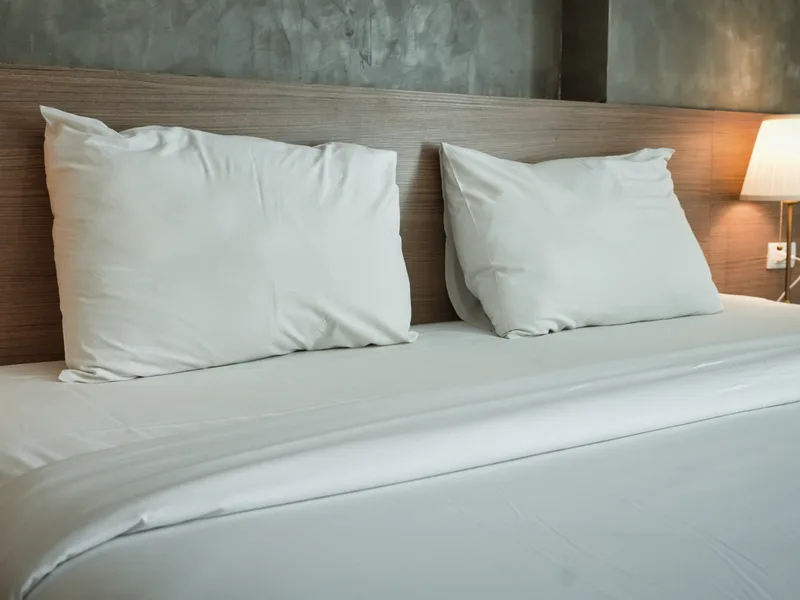
Mattress and base seams
Mattress and base seams here hold permanent damp, and even dead bugs in the seam stay wet for weeks. Inspection needs bright light and magnification, and the seams must be dried after inspection.
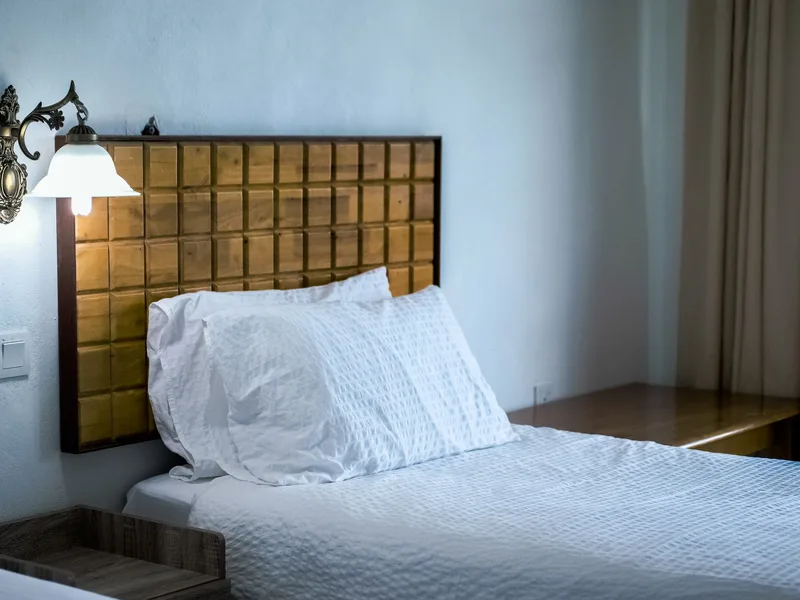
The headboard
The headboard in this coastal climate may harbour mould underneath, and the voids behind it trap humid air and become an incubator for both insects and fungal growth.
The rooms either side
Rooms either side may share humidity through thin or old party walls. If the walls are not treated or infestation returns from untreated neighbours, moisture creates highways for insects to travel between units.
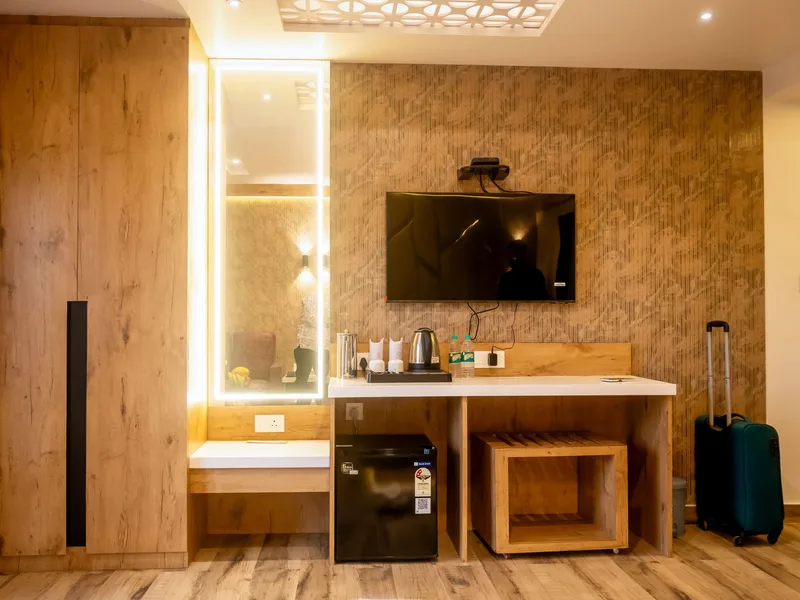
The luggage stand and wardrobe
Luggage stands and wardrobes must be dried and inspected every second day here, because humidity speeds mould growth that attracts soil-dwelling insects and flies that are difficult to control.
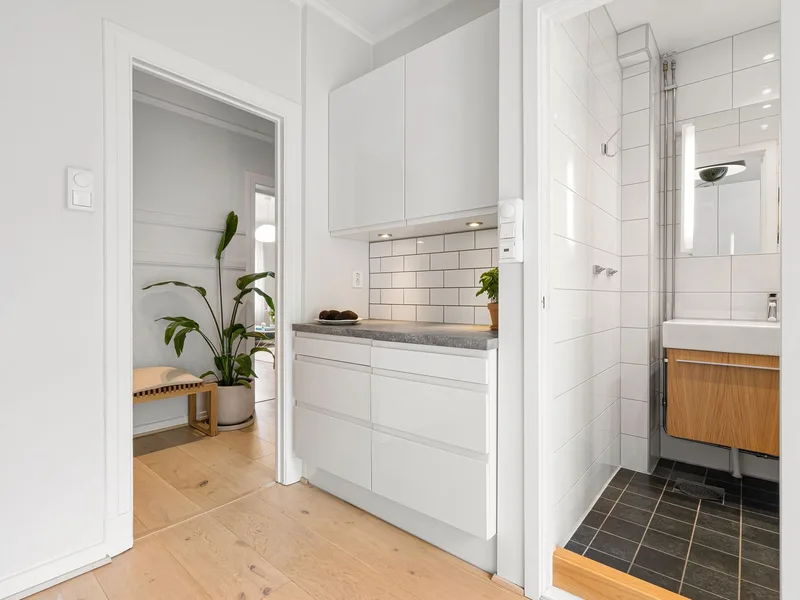
The kitchenette in a unit
The kitchenette in a unit needs constant ventilation because humidity collects under appliances and beneath pipe runs, creating an ideal cockroach environment inside the cabinetry where pesticide cannot reach easily.

Laundry and the waste room
The laundry and waste room may be partially flooded after heavy rain. The area around the drain requires ongoing treatment to prevent it becoming a rodent source or harbouring live insects that re-infest the upper rooms.
How we work
-
1
Walk the floor, room by room
We start from what the staff reported, open the beds, lift the headboards and check the rooms either side and the ones above and below, then mark each room as affected, adjacent or clear.
-
2
Treatment outside occupied hours
Seams are vacuumed first, then steam or a targeted application goes onto the seams and joints, dust into the frame voids and behind the skirting, and gel bait through the kitchens and service areas. Nothing is broadcast over soft furnishings.
-
3
Sealing, and the operating routine
We close the skirting gap, the pipe penetration and the gap under the service corridor door, then agree with the staff that linen is bagged inside the room itself, and what gets reported the moment it is seen.
-
4
Follow-up, and putting the room back
We come back once the remaining eggs have hatched, read the monitors and open the bed a second time. A room returns to service on the result of that inspection, and the room number and both dates go into the log.
What the hotel and apartment programme includes
-

A recorded room by room inspection
Beds opened, headboards lifted, neighbouring rooms checked, and the state of every room number recorded before anything is applied.
-

Treatment of the beds and seams
Vacuuming, then a targeted application on mattress and base seams, frame joints and behind the skirting, never across the open surfaces of the room.
-

Bait and points in the service areas
Gel bait and numbered monitoring positions through the kitchen, the stores and the service corridors, read and logged on every visit.
-

Drains, laundry and waste
Floor gullies, the grease trap, the laundry and the ground around the containers, because that is the source that renews itself daily.
-

Room release and staff guidance
What is covered and cleared before we go in, the ventilation time we set for each case, and what the staff look for when they strip a bed.
-

A timed follow-up and a room log
A second visit timed to the hatch, monitors read, and a record carrying the room number, the date of each visit and what was found.
Landmarks of West Al Baghdadiyah
Hotels and furnished apartments in West Al Baghdadiyah are positioned between Madinah Road and Port Bridge Road, close to the Arbaeen Lagoon and Al Hamra Corniche. This coastal position defines the climatic challenge: how humidity and salt corrosion affect which treatment products work and how often they must be reapplied.
- Arbaeen Lagoon
- Al Hamra Corniche
- Madinah Road
- Port Bridge Road
- Al Juffali Mosque
Questions about this district
Does the high humidity reduce how well pesticides work in West Al Baghdadiyah?
Yes. Humidity reduces pesticide adhesion, and the chemical smell spreads faster in damp air. Application must be heavier, applied directly into cracks rather than sprayed onto wet surfaces where it runs or evaporates.
Are ground floor apartments more at risk than upper floors here?
Much more so. Low coastal ground puts the ground floor close to lagoon level, water seeps constantly through the base, and this brings ground-dwelling insects and rodents that do not climb high-rise buildings elsewhere.
Do we need separate treatment for the foundation and the lower metre of every wall?
Yes. The foundation and the first metre of every wall need separate seasonal treatment, particularly before the rainy season when humidity peaks and ingress worsens.
Do the pipes and drains beneath the furnished apartment hold lagoon water and salt water at high tide?
Yes. Old pipes and channels under the buildings collect stagnant salt water at high tide times, causing chronic internal seepage and creating a breeding ground within the walls and under floor slabs.
Does the salt in the air change the colour or smell of the pesticide, or does it react?
Yes. Salt reacts with some pesticides and discolours them or leaves residue. Formulations must be tested before use, and injection must go deep into cracks away from the salt air where it is protected.
How many times per year must a hotel or furnished apartment be treated in West Al Baghdadiyah?
Monthly baseline treatment plus extra applications in the humid season, with daily visual checks of the foundation and ground floor areas if rodent activity appears.
How much does hotels and apartments in West Al Baghdadiyah cost?
It is set after the inspection, because the price follows the type of infestation, the size of the space, how far it has spread and the number of visits it needs. Send a photo and a description on WhatsApp and we will give you an estimate before we reach West Al Baghdadiyah.
Nearby districts we cover
Other services in West Al Baghdadiyah
Other services we provide to residents of West Al Baghdadiyah.
-
 Residential
Cockroach control
Residential
Cockroach control
-
 Residential
Bed bug control
Residential
Bed bug control
-
 Residential
Termite control
Residential
Termite control
-
 Residential
Rodents and mice
Residential
Rodents and mice
-
 Residential
Mosquito control
Residential
Mosquito control
-
 Residential
Fly control
Residential
Fly control
-
 Residential
Ant control
Residential
Ant control
-
 Residential
Gecko control
Residential
Gecko control
-
 Residential
Scorpion control
Residential
Scorpion control
-
 Residential
Snake control
Residential
Snake control
-
 Residential
Flea control
Residential
Flea control
-
 Residential
Bird and pigeon control
Residential
Bird and pigeon control
-
 Residential
Preventive treatment
Residential
Preventive treatment
-
 Residential
Disinfection
Residential
Disinfection
-
 Commercial
Annual contracts
Commercial
Annual contracts
-
 Commercial
Restaurants and cafes
Commercial
Restaurants and cafes
-
 Commercial
Warehouses and factories
Commercial
Warehouses and factories
-
 Commercial
Schools and nurseries
Commercial
Schools and nurseries
-
 Commercial
Retail and malls
Commercial
Retail and malls
-
 Commercial
Rest houses and farms
Commercial
Rest houses and farms
-
 Commercial
Fumigation
Commercial
Fumigation
-
 Water tanks
Water tank cleaning
Water tanks
Water tank cleaning
-
 Water tanks
Water tank sterilization
Water tanks
Water tank sterilization
-
 Water tanks
Water tank sealing
Water tanks
Water tank sealing
-
 Water tanks
Tank leak repair
Water tanks
Tank leak repair
Need hotels and apartments in West Al Baghdadiyah? Tell us what you saw and we will tell you what it needs
We reach West Al Baghdadiyah at a time we agree, and you get the full cost before we start.