

Restaurants and cafes in West Al Baghdadiyah Jeddah
West Al Baghdadiyah is an old coastal district on the waterfront where high humidity and salt air accelerate insect breeding year round. Restaurants here face constant pressure from mosquitoes and cockroaches that thrive in the damp air and aging mid century buildings that line the seaward edge.
-
Targeted, not broadcast
Product goes into cracks and runways, never sprayed across open surfaces.
-
Told before we start
What we will use, where it goes, and what to cover or move before we arrive.
-
A follow-up visit
We return after the first treatment, because what survives it does not show on the day.
-
Homes and businesses
Apartments and villas, and kitchens and stores that need a record of each visit.
Why they keep coming back in West Al Baghdadiyah
Coastal humidity keeps insects active in summer and winter alike, unlike inland areas where pest pressure drops dramatically in the cold months. The method is set out in full on the full Restaurants and cafes page.
Coastal humidity eliminates the dormant season
West Al Baghdadiyah has no true cold break that stops insects breeding. The damp air and salt spray create an active insect season year round. Mosquitoes breed faster in high humidity, and cockroaches remain mobile in the warm, wet conditions.
Mid century buildings harbour interconnected old drains
The apartment blocks from the district's heyday contain tangled drain networks and ancient stone foundations that provide permanent cockroach shelters. Treating these pipes demands a plan that protects the plumbing while breaking the harbouring cycle.
Sea salt corrodes barriers faster than inland wear
Salts penetrate the materials used in seals and barriers, opening small gaps that let insects in. Restaurants here need more frequent inspections of entry points and structural weakness that salt air accelerates.
The character of West Al Baghdadiyah
Coastal area: high humidity and salt air through the year
Coastal means that humidity and salt accelerate insect breeding and corrode barriers faster, so treatment must focus harder on seals, gaps and drain systems, with shorter intervals between visits and higher active ingredient concentrations.
The places that decide the programme
The district is low lying and coastal, fronting the Arbaeen Lagoon and just short distance from Al Hamra Corniche. Old drains and damp foundations create ideal conditions for insects to establish and breed.
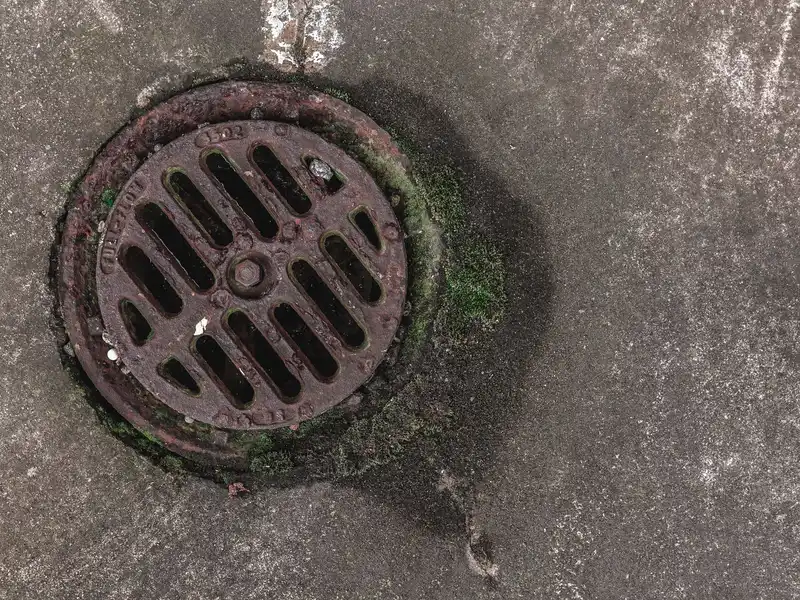
Gullies and the grease trap
The Arbaeen Lagoon nearby raises groundwater, keeping the gullies damp and grease trap accumulation faster than in inland areas, so trap inspection needs closer attention.

The cooking line and plinths
The cooking line near the Corniche faces salt spray that speeds equipment rust and opens tiny fissures that serve as insect harbours and are harder to spot.

Cardboard at goods inwards
Cardboard arriving from port storage and coastal routes may carry insect eggs embedded in the damp packaging, demanding closer inspection than inland deliveries.
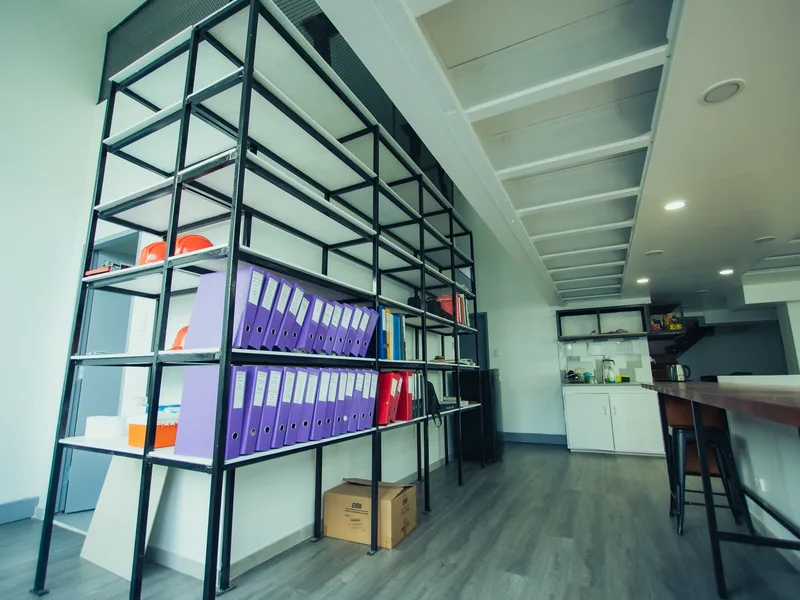
Dry store shelving
Dry store shelving in West Al Baghdadiyah needs strong ventilation because coastal humidity encourages mould and dampness that attract insects and aid breeding.
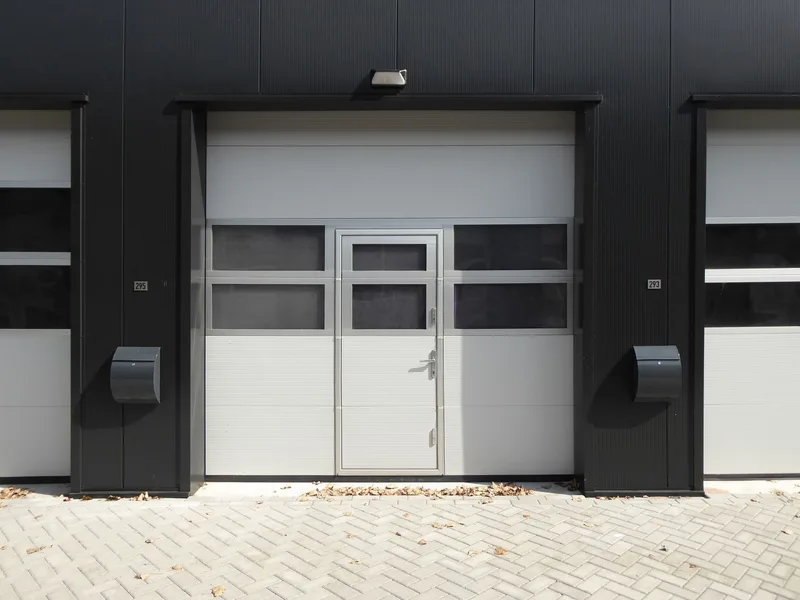
The back service door
The back service door near the Corniche sits exposed to salt air that corrodes seals faster, so it needs frequent inspection and re sealing to prevent mosquito entry.
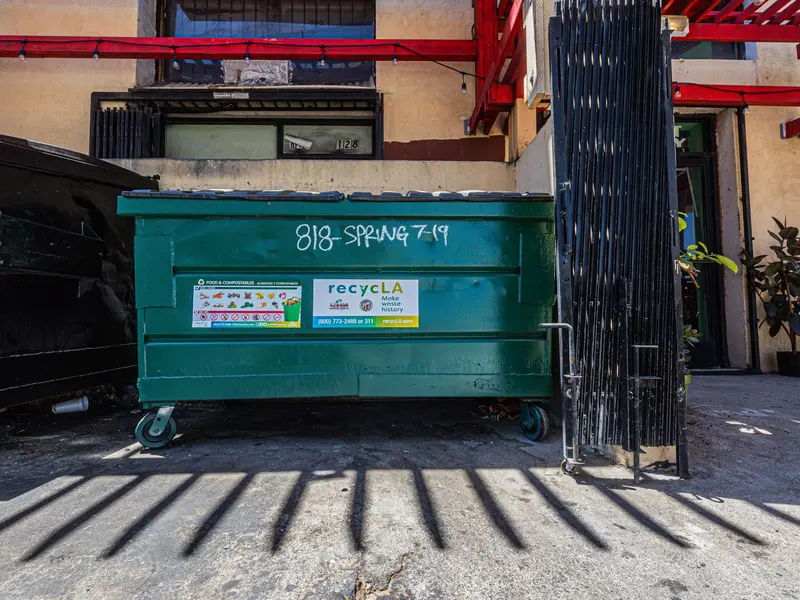
The bin area
The bin area near the Arbaeen Lagoon collects standing water in the humidity, becoming an ideal breeding site for mosquitoes and flies that migrate back indoors.
How we work
-
1
Survey and site plan
We follow the food route from delivery to waste, establish which species are present and where the moisture is, and mark the station positions on a plan of the kitchen and the store.
-
2
Install numbered monitoring points
Sealed, numbered stations in fixed positions, read in the same order every visit so the file shows a trend rather than an impression.
-
3
Treatment outside service hours
Gel bait into joints and voids, foam into the gullies and the grease trap, and nothing applied to preparation surfaces, with equipment covered and surfaces wiped down before service resumes.
-
4
Scheduled visits and the site file
Every visit reads the stations and records what was found, the corrective action needed, who owns it and by when, and the file stays on site to be shown at an inspection.
What a restaurant programme includes
-

Opening survey and site plan
Species, entry points and moisture sources, with a plan showing where every station sits.
-
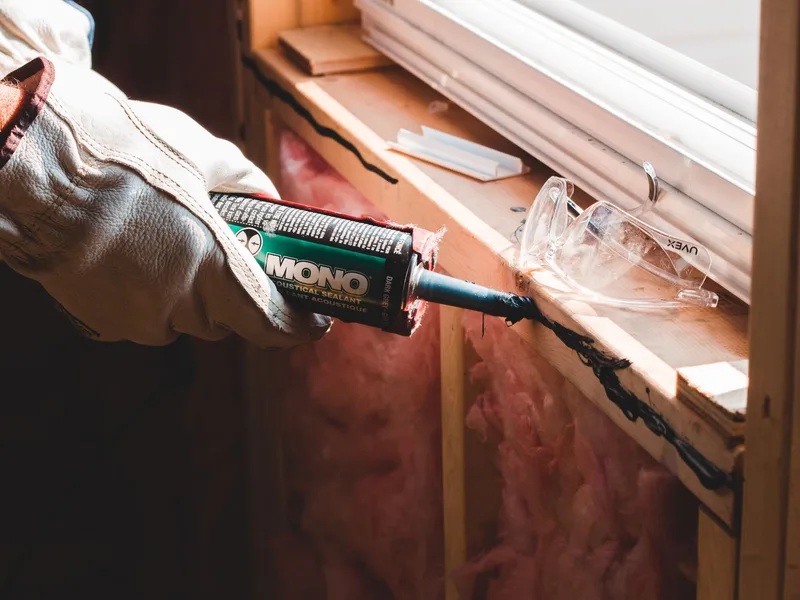
Sealed, numbered stations
Bait held inside closed stations in food areas, never open product near preparation or storage.
-

Gully and grease trap treatment
Foam that contacts the pipe wall where small flies breed, which is the step most contracts skip.
-

Targeted application after closing
Into joints, voids and the store perimeter, at a time with no exposed food and no team in the kitchen.
-

Reopening instructions for the team
What to cover before, what to wipe after, and what not to wash so the treatment is not undone.
-

A visit report and a running log
Every station read, corrective actions with an owner and a date, and a continuous file to show at an inspection.
Landmarks of West Al Baghdadiyah
Restaurants in West Al Baghdadiyah sit between Madinah Road and Port Bridge Road, near the Arbaeen Lagoon and Al Hamra Corniche, where coastal humidity and proximity to the sea demand a stronger and more frequent treatment schedule than inland districts.
- Arbaeen Lagoon
- Al Hamra Corniche
- Madinah Road
- Port Bridge Road
- Al Juffali Mosque
Questions about this district
Does high humidity make treatment less effective here?
High humidity actually increases insect activity, but it shortens how long the treatment chemical stays on surfaces. Treatment needs higher doses and shorter intervals between visits to overcome the constant activity.
Do mosquitoes here breed from the sea or from our drains?
Both. Mosquitoes breed from small pools of standing water created by the humidity, and from the old drain system beneath the building. Effective treatment must cover every known source.
The flat above has pests. How do we manage the shared risk?
Insects move between floors through shared pipes and gaps. Treating the restaurant helps, but co ordinating with neighbours upstairs cuts the risk of re infestation significantly.
Should we treat the yard or garden as hard as the kitchen?
Yes, especially near the Corniche where humidity lets insects live outdoors longer. External floors and yard areas need treatment matching the kitchen coverage.
Is one monthly visit enough in a coastal zone like this?
In West Al Baghdadiyah, monthly visits alone may fall short in peak season. A three week cycle through summer offers better protection and fewer callback problems.
Does cleaning Al Hamra Corniche reduce mosquitoes near our restaurant?
Corniche cleaning helps, but mosquitoes also breed from indoor sources and the drain system. Exterior and interior treatment together breaks the cycle more effectively.
How much does restaurants and cafes in West Al Baghdadiyah cost?
It is set after the inspection, because the price follows the type of infestation, the size of the space, how far it has spread and the number of visits it needs. Send a photo and a description on WhatsApp and we will give you an estimate before we reach West Al Baghdadiyah.
Nearby districts we cover
Other services in West Al Baghdadiyah
Other services we provide to residents of West Al Baghdadiyah.
-
 Commercial
Annual contracts
-
 Commercial
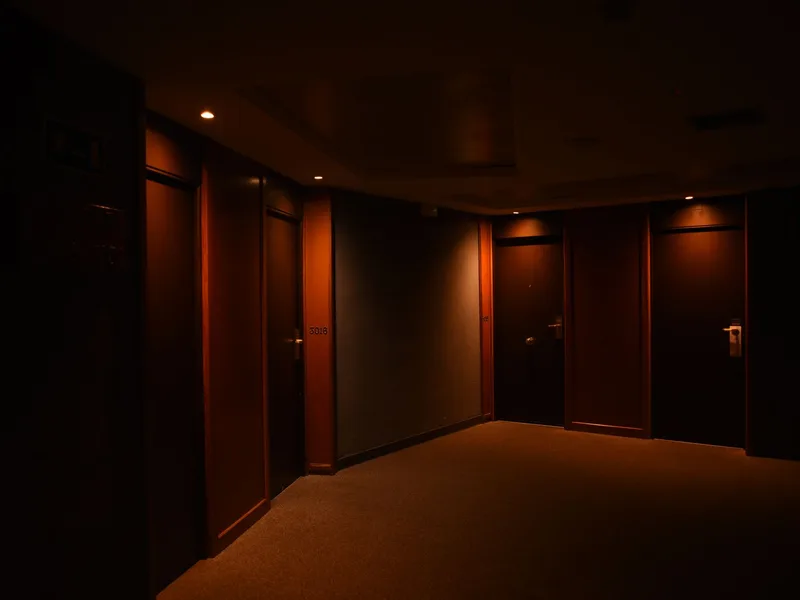
Hotels and apartments
-
 Commercial
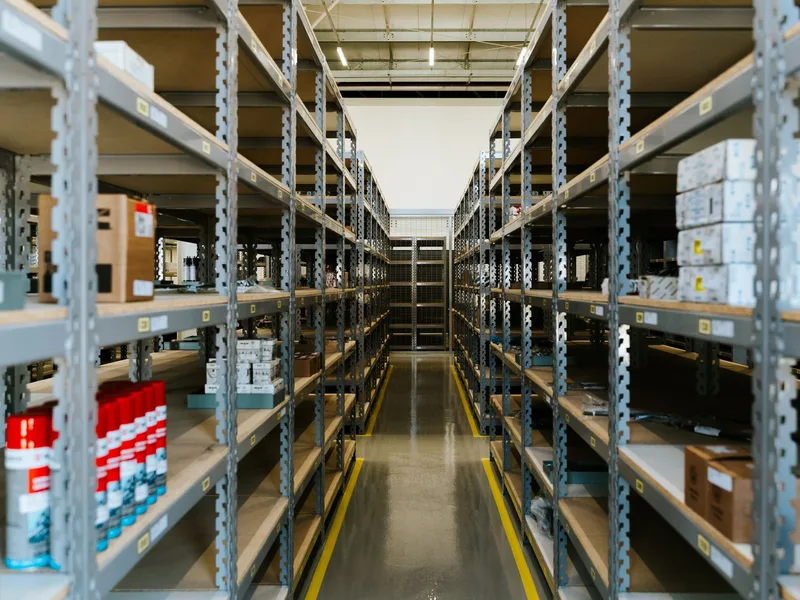
Warehouses and factories
-
 Commercial
Schools and nurseries
Need restaurants and cafes in West Al Baghdadiyah? Tell us what you saw and we will tell you what it needs
We reach West Al Baghdadiyah at a time we agree, and you get the full cost before we start.