
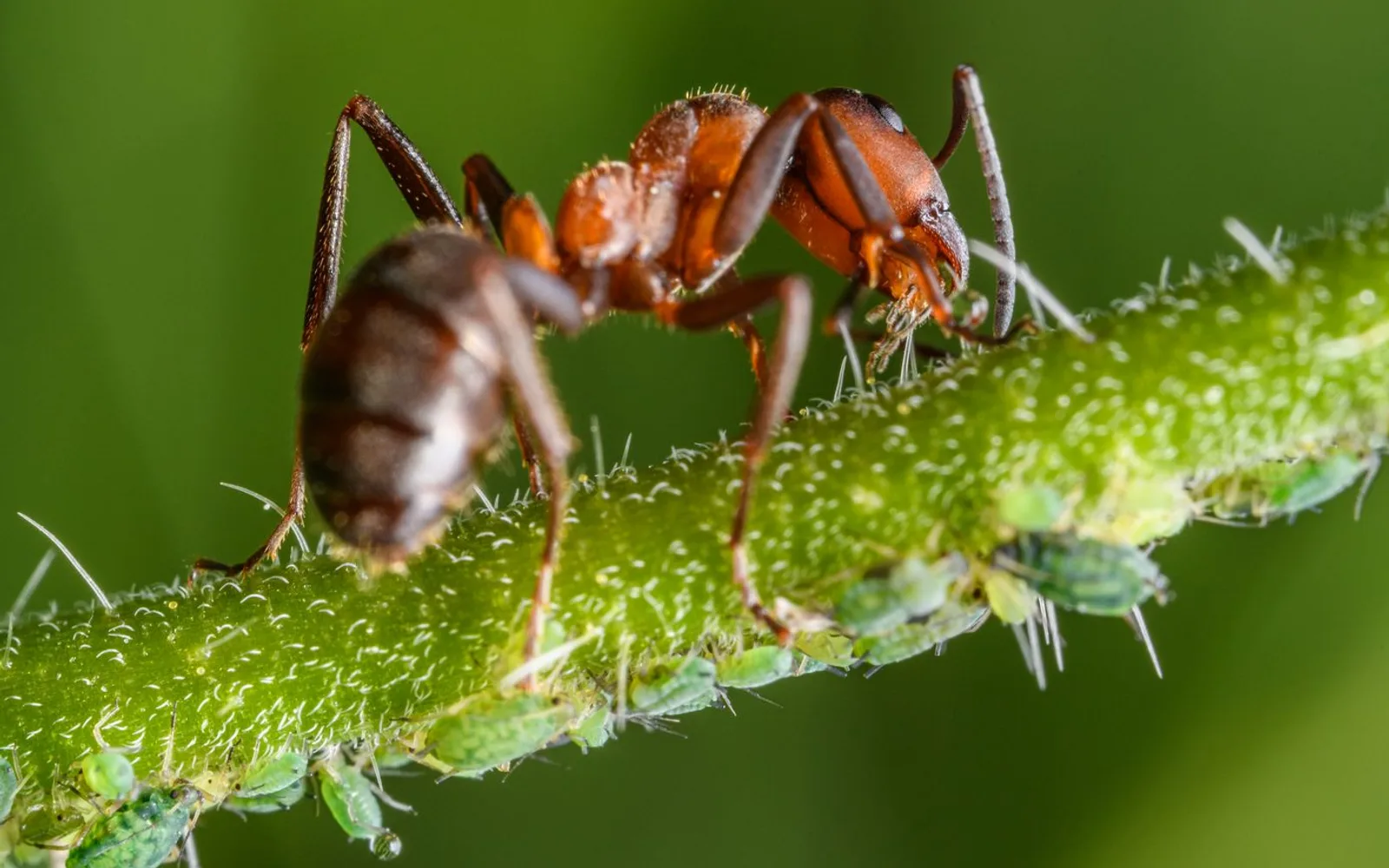
Ant control in Al Ajawid Jeddah
Al Ajawid is a mixed district where apartment buildings and commercial shops share the same structure, meaning ants move freely between homes and shops through common passages and adjoining foundations. Treating this area requires coordination: an ant trail that starts in a shop below can reach flats above through shared plumbing and electrical runs that honeycomb the entire building.
-
Targeted, not broadcast
Product goes into cracks and runways, never sprayed across open surfaces.
-
Told before we start
What we will use, where it goes, and what to cover or move before we arrive.
-
A follow-up visit
We return after the first treatment, because what survives it does not show on the day.
-
Homes and businesses
Apartments and villas, and kitchens and stores that need a record of each visit.
Why they keep coming back in Al Ajawid
Ants concentrate in the voids beneath shop floors and flat foundations where old electrical conduits and ancient plumbing create direct highways, with colonies nesting in the dark spaces between levels that connect the whole block. The method is set out in full on Ant control in detail.
Ants move between shops and flats as one building
In a mixed district, ants do not distinguish between a shop and a home; they enter a shop through shared utilities and climb to the flats through the single passage. Treating one flat will not stop them if the adjoining shop remains untreated, because both draw from the same parent colony below.
Common passages and foundations are highways
Shared foundations, passages, stairwells and service ducts link every unit to every other. The ant trail does not break unless we treat every passage, yard and dark corner where it rests. A single untreated zone becomes a refuge that repopulates the whole building within days.
Shared utilities are constant entry points
Water pipes, drains and conduits run through floors and between units; a tiny leak from aged piping is enough to draw dozens of colonies. Bait must reach these pipes, not just floor edges, or the problem simply relocates without dying.
The character of Al Ajawid
Mixed district: shops at street level with homes above them
In a mixed district like Al Ajawid, ants mean treatment cannot stop at one flat or shop. You need coordination between residents and shopkeepers to break every route the ants take through shared passages, foundations and utility conduits that link the whole block together.
The species and the trail decide the bait
Higher ground with good natural drainage and the green expanse of Al Ajawid Park nearby means ants here search harder for moisture inside the buildings themselves, following water leaks and condensation trails upwards.

The sweet feeders
Sweet feeders concentrate around bakeries and food shops on the ground floor, hunting for breadcrumbs and sweets that fall during delivery and storage in the shops below the flats.
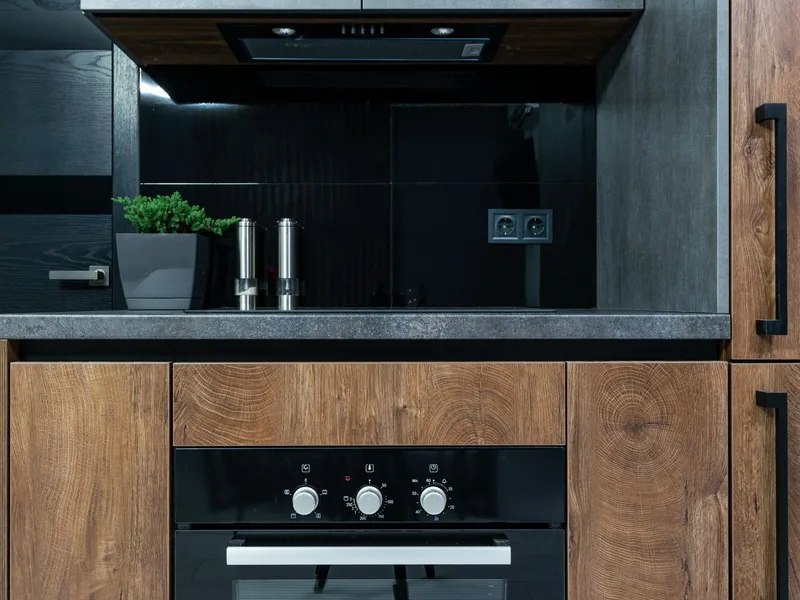
The grease and protein feeders
Grease and protein draw ants from restaurant kitchens and frying stalls upward into flats through cracks and shared utility runs that perforate the building envelope.
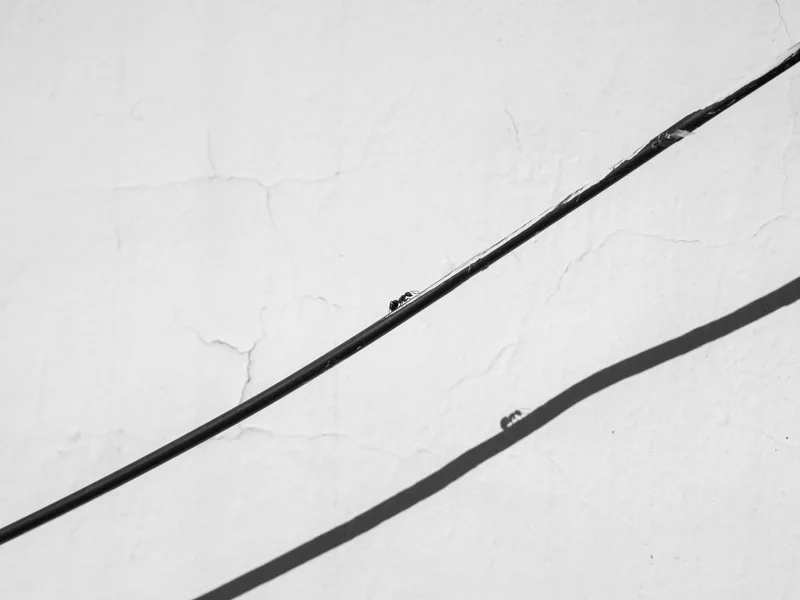
The trail and its direction
The trail here begins beneath shared foundations and climbs vertically through pipes and wall voids before spreading horizontally across flats and shop floors, following moisture and electric heat.
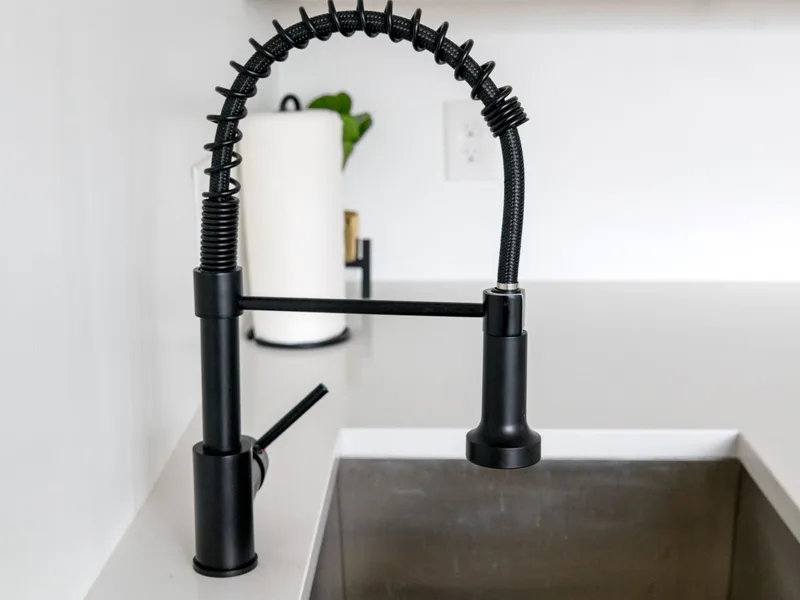
Moisture before food
Moisture from leaking air conditioners and shop refrigeration creates ideal settlement zones deep in the building where ants shelter before fanning out to forage each morning.
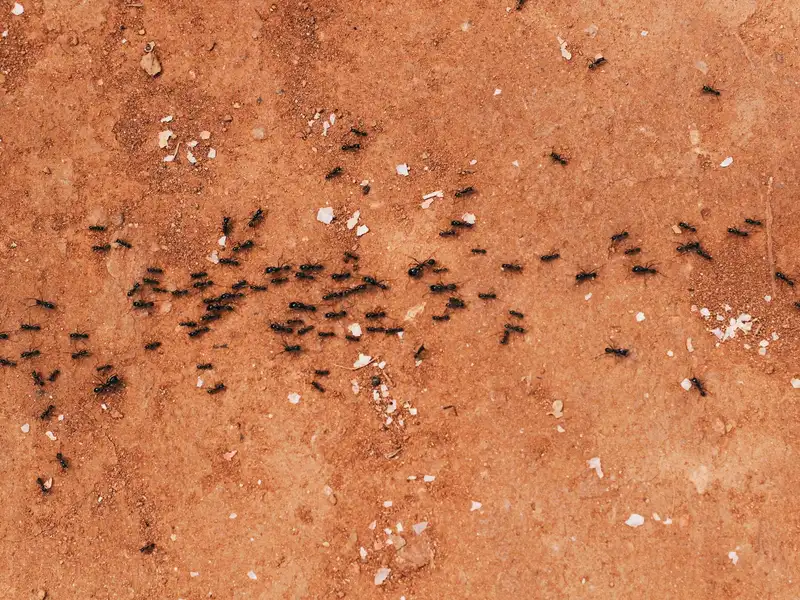
The nest outside the building
The main nest usually sits outside the building beneath the shared yard or under ornamental plant roots; from there, workers are sent inward at dawn and evening to forage in every unit.
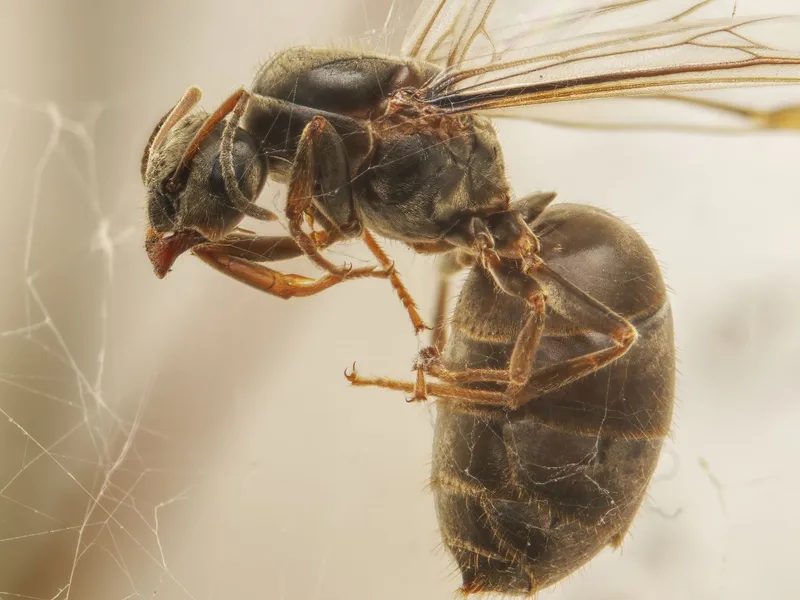
Winged ants
Winged ants emerge from deep foundation voids when moisture improves, signalling a large established nest beneath the block that needs powerful external treatment to collapse it at the source.
How we work
-
1
Inspect and follow the trail
We follow the line from where you see it to where it enters, and establish the species, what it is feeding on and the moisture keeping the nest close.
-
2
Matched bait placed on the trail
We choose the matrix from the feeding preference and place it on the trail itself, leaving the trail intact so the workers carry it to the queen and the brood.
-
3
Treat the perimeter and close the ways in
An external treatment at the wall base and the openings, and we point out the cracks, pipe entries and any branch touching the building.
-
4
The follow-up visit
We come back once the bait has worked through the nest, check the trail is gone, and look for a satellite nest if a new line has appeared.
What ant control includes
-

Following the trail to its source
Species, entry point and the direction of the nest, established before anything is applied.
-

Bait matched to the colony
Sugar or protein according to what the workers are carrying, placed on the trail rather than near it.
-

An external perimeter treatment
A band at the wall base and the outside openings, with the indoor trail left unsprayed so it keeps carrying bait.
-

Moisture points and entries
Condensate lines, sink surrounds, weep holes and pipe entries, which are what keeps a nest against the building.
-

Aftercare instructions
What not to wipe until the bait has been taken, what to cover, and when normal cleaning can resume.
-

A scheduled follow-up
A set date to check the nest and re-bait anywhere still active.
Landmarks of Al Ajawid
Treatment in Al Ajawid begins at your landmarks: we start by treating the perimeter of Al Ajawid Park and the green spaces where the main nest often sits, then work through the shared passages and yards linking shops and flats along Al Ajawid Street.
- Jeddah Makkah Expressway
- Al Ajawid Street
- Al Salihin Mosque
- Al Ajawid Park
- Hyper Panda Al Ajawid
Questions about this district
Will treating my flat stop ants coming from the shop underneath?
No, because the ants belong to one colony that likely nests beneath the shop or in the shared yard. If we treat only your flat, the parent colony under the building keeps sending new workers every week.
Why do ants reappear weeks after we treated the shared passage?
The passage is a route, not a nest. If we do not find and treat the main colony beneath the foundations or in the outer yard, the same colony simply rebuilds its trail within days.
Must I seal my flat completely before treating the common passage?
Yes, because passage treatment uses a directed spray that can enter flats through tiny gaps. Closing doors and windows protects your interior from unintended exposure.
Should we also treat the shared yard and small garden areas?
Yes, the shared yard and any planted patches are likely nest sites. We treat them with a different bait than we use inside buildings, placed where water collects and roots hold soil moisture.
Do more shops in the district mean a worse ant problem in Al Ajawid?
Shops attract ants through food scraps and moisture from fridges and air conditioners, but the real problem is the shared foundation that funnels ants from the shops into every flat above them.
If we treat all the shops and flats together, will the ants not return?
Co-ordinated treatment of the whole building greatly reduces the problem, but new ants from neighbouring plots or newly built homes nearby may arrive. We may need simple follow-up visits.
How much does ant control in Al Ajawid cost?
It is set after the inspection, because the price follows the type of infestation, the size of the space, how far it has spread and the number of visits it needs. Send a photo and a description on WhatsApp and we will give you an estimate before we reach Al Ajawid.
Nearby districts we cover
Other services in Al Ajawid
Other services we provide to residents of Al Ajawid.
-
 Residential
Cockroach control
Residential
Cockroach control
-
 Residential
Bed bug control
Residential
Bed bug control
-
 Residential
Termite control
Residential
Termite control
-
 Residential
Rodents and mice
Residential
Rodents and mice
-
 Residential
Mosquito control
Residential
Mosquito control
-
 Residential
Fly control
Residential
Fly control
-
 Residential
Gecko control
Residential
Gecko control
-
 Residential
Scorpion control
Residential
Scorpion control
-
 Residential
Snake control
Residential
Snake control
-
 Residential
Flea control
Residential
Flea control
-
 Residential
Bird and pigeon control
Residential
Bird and pigeon control
-
 Residential
Preventive treatment
Residential
Preventive treatment
-
 Residential
Disinfection
Residential
Disinfection
-
 Commercial
Annual contracts
Commercial
Annual contracts
-
 Commercial
Restaurants and cafes
Commercial
Restaurants and cafes
-
 Commercial
Hotels and apartments
Commercial
Hotels and apartments
-
 Commercial
Warehouses and factories
Commercial
Warehouses and factories
-
 Commercial
Schools and nurseries
Commercial
Schools and nurseries
-
 Commercial
Retail and malls
Commercial
Retail and malls
-
 Commercial
Rest houses and farms
Commercial
Rest houses and farms
-
 Commercial
Fumigation
Commercial
Fumigation
-
 Water tanks
Water tank cleaning
Water tanks
Water tank cleaning
-
 Water tanks
Water tank sterilization
Water tanks
Water tank sterilization
-
 Water tanks
Water tank sealing
Water tanks
Water tank sealing
-
 Water tanks
Tank leak repair
Water tanks
Tank leak repair
Need ant control in Al Ajawid? Tell us what you saw and we will tell you what it needs
We reach Al Ajawid at a time we agree, and you get the full cost before we start.