
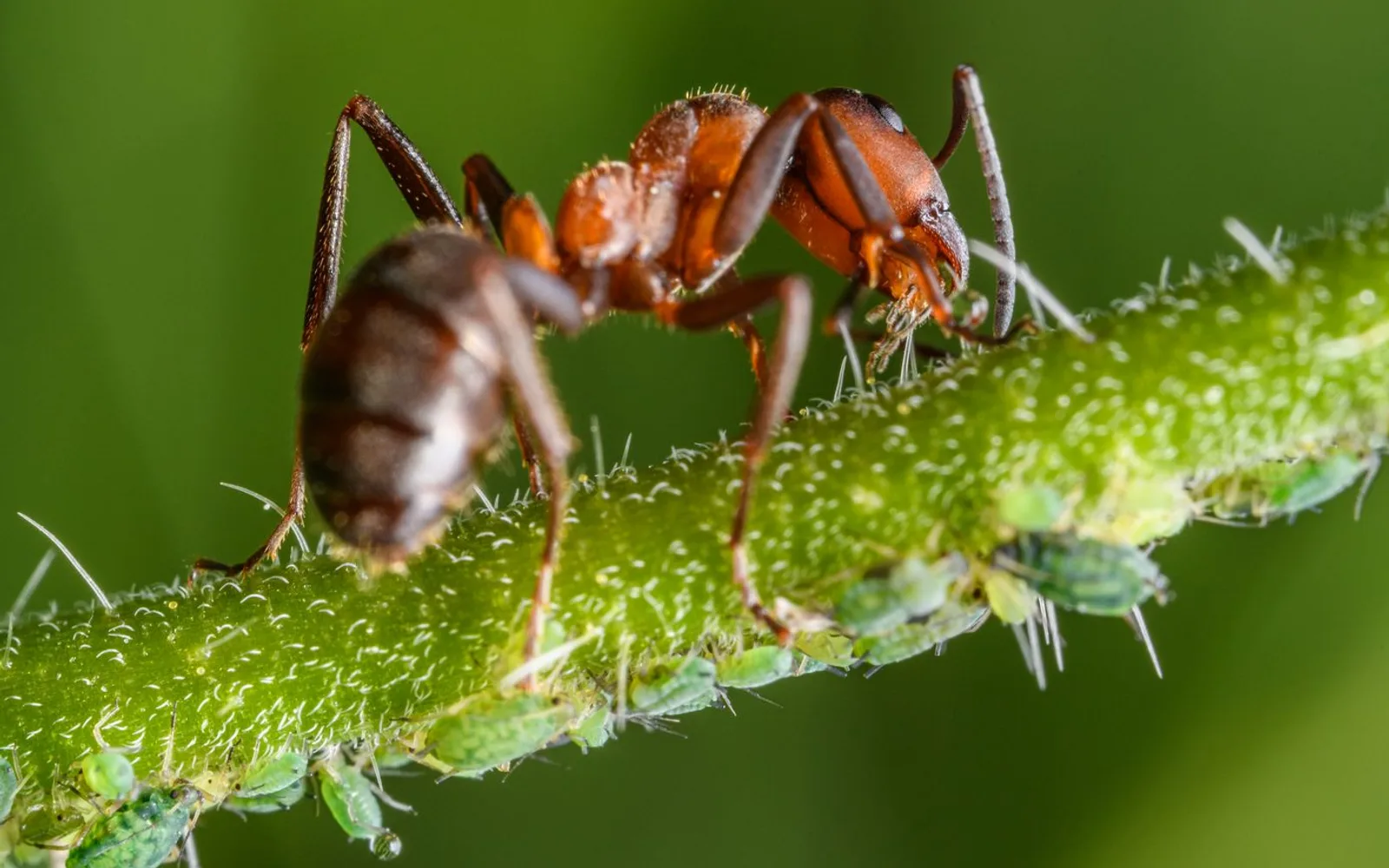
Ant control in Al Farouq Jeddah
Al Farouq is a mixed district that blends apartment buildings, vacant land and shops at street level, bounded by the ring road, Old Makkah Road and Haramain Road. Ants find multiple food sources in the shops, warehouses on the edges and the homes scattered between them, moving easily across vacant plots that bridge these sources.
-
Targeted, not broadcast
Product goes into cracks and runways, never sprayed across open surfaces.
-
Told before we start
What we will use, where it goes, and what to cover or move before we arrive.
-
A follow-up visit
We return after the first treatment, because what survives it does not show on the day.
-
Homes and businesses
Apartments and villas, and kitchens and stores that need a record of each visit.
Why they keep coming back in Al Farouq
Commercial shops at ground level are a constant ant source, and ants spread from there to the flats above and the vacant plots beside them with little resistance. The method is set out in full on Ant control in detail.
Shops at street level supply permanent food sources
Shops in Al Farouq stock goods, food and materials with cleaning schedules that are often sporadic. Ants are drawn to these shops then climb to the flats above via pipes and cable gaps. Unless shops are treated separately and regularly, the flats above them remain a constant infestation source from below.
Vacant plots harbour stable, large colonies
Vacant land in Al Farouq is undeveloped and offers damp soil rich in organic matter. Established nests here are large and stable, sending thousands of ants daily to forage in neighbouring homes and shops. Sealing a flat's entry does not reduce the ant pressure from outside.
Main roads open routes between food sources
Haramain Road, Al Falah Road and Old Makkah Road cut through the district and create open corridors between shops, vacant plots and residences. These routes allow ants to spread quickly when seeking new food sources or when nests are disturbed.
The character of Al Farouq
Mixed district: shops at street level with homes above them
The mix of shops, homes and vacant plots means treating the home alone is insufficient because the shop below it and the land beside it are constant ant sources that feed returning foragers.
The species and the trail decide the bait
The jumble of commercial shops, residential blocks, vacant land and warehouse storage on the district's fringes creates a rich environment with many ant food sources that sustain large colonies.
The sweet feeders
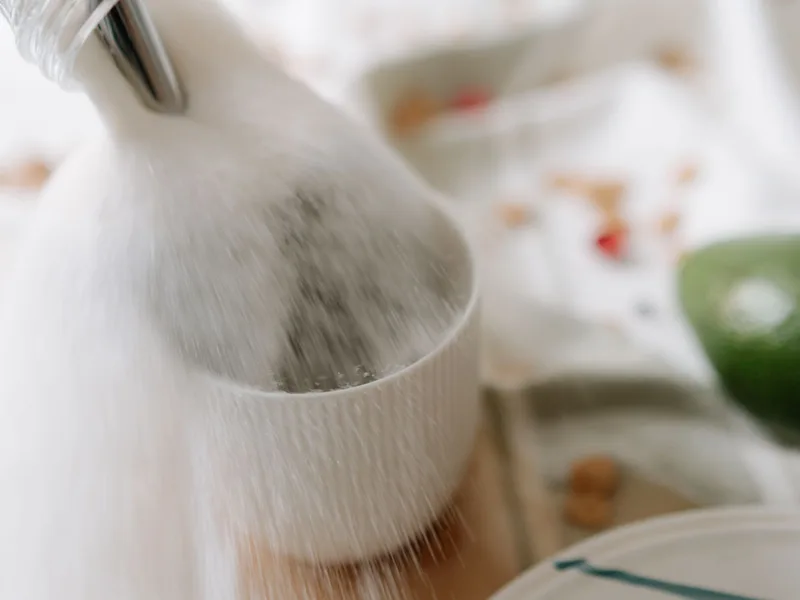
Sugar seeking ants are drawn from ground floor shops that store food items, baked goods and sweets without daily oversight or rodent control.
The grease and protein feeders
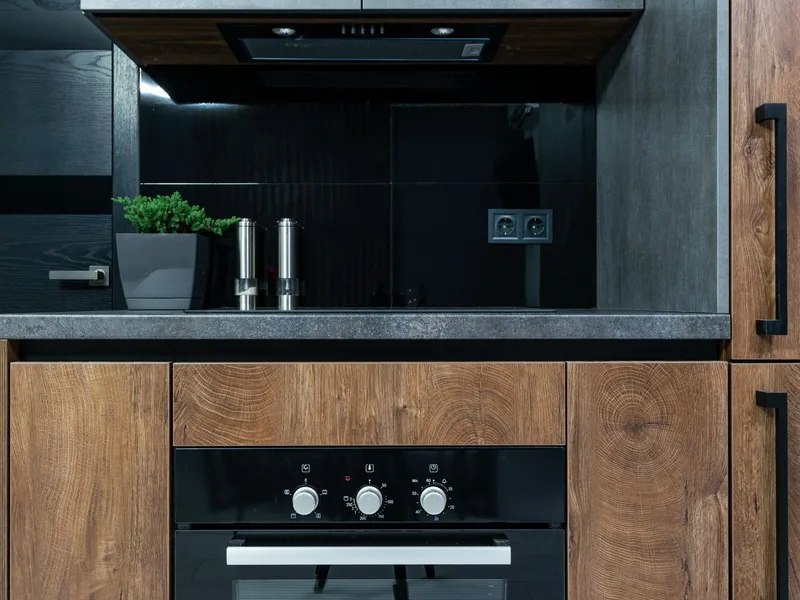
Grease and protein feeders congregate at small restaurants and shops that store oils and food waste, particularly on the district fringes where commercial activity is heaviest.
The trail and its direction
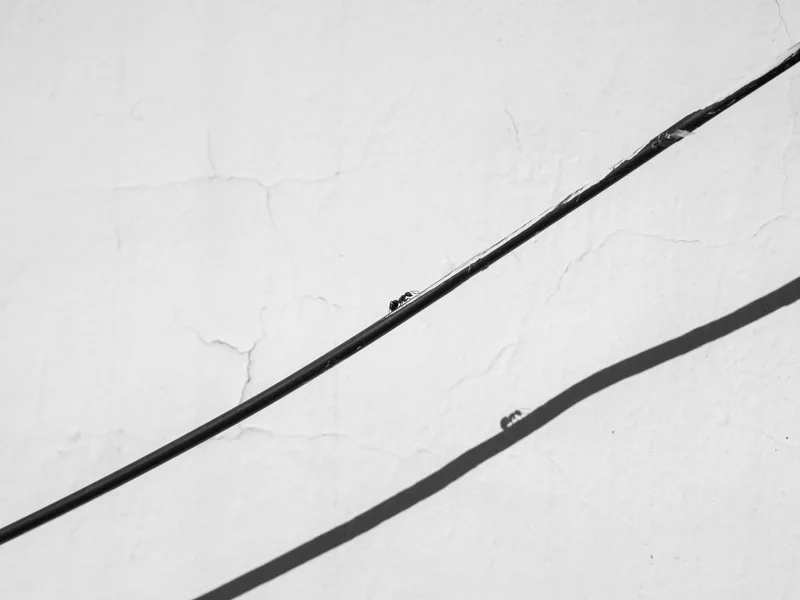
The trail in Al Farouq branches from vacant plots to shops then to flats above, making the primary nest route complex and hard to follow to its origin.
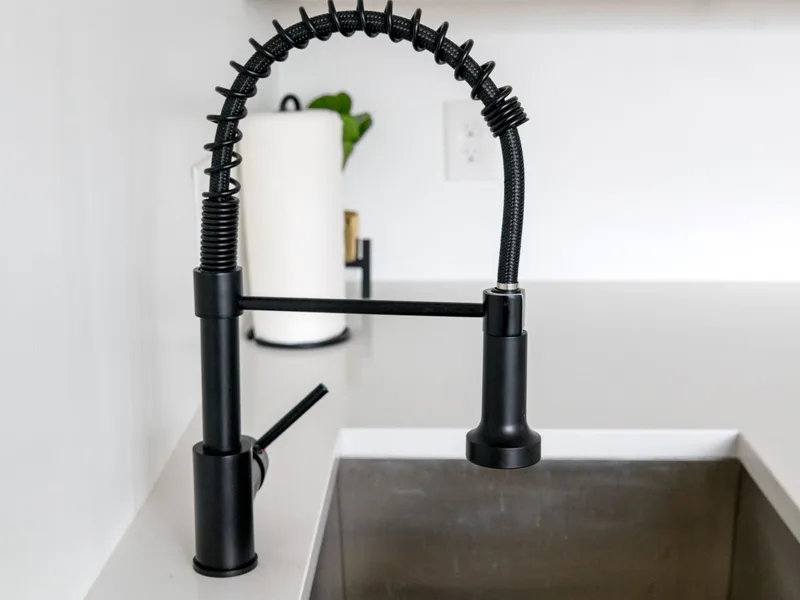
Moisture before food
Moisture from old foundations and drainage systems supplies water to ants, especially in flats beside vacant land and warehouses where damp is constant.
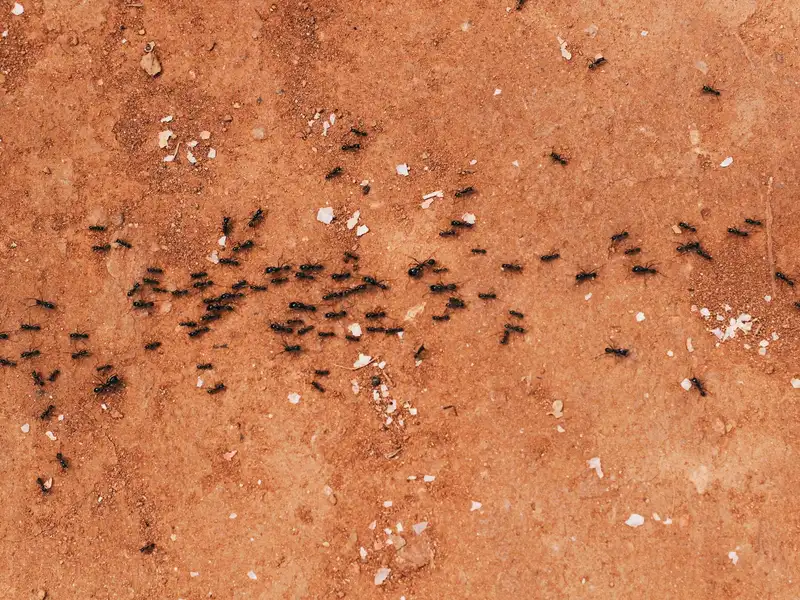
The nest outside the building
Nests in vacant plots lie just under the soil surface and are well protected by clay and sand, invisible to direct inspection and simple to enlarge as the colony grows.
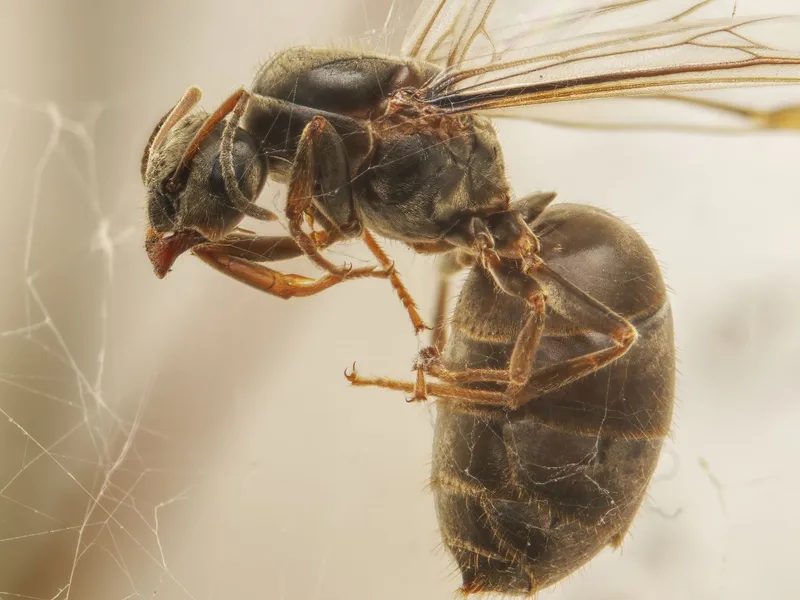
Winged ants
Winged ants emerge in spring and autumn, especially when seasonal rains increase the moisture in vacant plots, signalling the colony is preparing to split and establish new nests.
How we work
-
1
Inspect and follow the trail
We follow the line from where you see it to where it enters, and establish the species, what it is feeding on and the moisture keeping the nest close.
-
2
Matched bait placed on the trail
We choose the matrix from the feeding preference and place it on the trail itself, leaving the trail intact so the workers carry it to the queen and the brood.
-
3
Treat the perimeter and close the ways in
An external treatment at the wall base and the openings, and we point out the cracks, pipe entries and any branch touching the building.
-
4
The follow-up visit
We come back once the bait has worked through the nest, check the trail is gone, and look for a satellite nest if a new line has appeared.
What ant control includes
-

Following the trail to its source
Species, entry point and the direction of the nest, established before anything is applied.
-

Bait matched to the colony
Sugar or protein according to what the workers are carrying, placed on the trail rather than near it.
-

An external perimeter treatment
A band at the wall base and the outside openings, with the indoor trail left unsprayed so it keeps carrying bait.
-

Moisture points and entries
Condensate lines, sink surrounds, weep holes and pipe entries, which are what keeps a nest against the building.
-

Aftercare instructions
What not to wipe until the bait has been taken, what to cover, and when normal cleaning can resume.
-

A scheduled follow-up
A set date to check the nest and re-bait anywhere still active.
Landmarks of Al Farouq
Al Farouq is cut by Haramain Road and Al Falah Road, which connect shops, vacant plots and apartment blocks. Treatment follows these roads to identify the main ant sources feeding the district.
- Old Makkah Road
- Haramain Road
- Al Falah Road
- Abdullah ibn Rawahah Mosque
- Imam Ahmad ibn Hanbal Mosque
- Al Farouq Park
Questions about this district
Is treating my home enough or must the shop below be treated too?
The shop below is the main ant source. Treating your home alone means ants return within days from the shop. The shop needs separate coordinated treatment because it is the entry point for ground floor infestations to climb upward.
Are the vacant plots nearby the main source of ants here?
Yes. Vacant land provides the ideal environment for large established nests. Ants move from there daily to forage in surrounding homes and shops. If vacant land is yours, its perimeter should be treated along with the home.
Should treatment be coordinated with neighbours in a mixed district?
Coordination helps but is not essential. Each home and shop can be treated separately, but sealing boundaries and entry points benefits everyone and slows re infestation.
Do the warehouses on the district edges send ants to our homes?
Yes. Warehouses and industrial shops on Al Farouq's fringes store goods and cover waste poorly. Ants migrate from these when storage fills up or during seasonal shifts in activity.
Will preventive treatment of the flat before moving in stop ants from the start?
Preventive treatment slows gradual establishment but does not stop ants entirely, because ground floor shops and vacant plots around the flat are constant new sources.
How often does Al Farouq need retreatment given the mixed sources here?
First treatment eliminates what is present. Retreatment intervals depend on food source density around the home, on sealing gaps and entry points, and on whether the nearby shop is also being managed.
How much does ant control in Al Farouq cost?
It is set after the inspection, because the price follows the type of infestation, the size of the space, how far it has spread and the number of visits it needs. Send a photo and a description on WhatsApp and we will give you an estimate before we reach Al Farouq.
Nearby districts we cover
Other services in Al Farouq
Other services we provide to residents of Al Farouq.
-
 Residential
Cockroach control
Residential
Cockroach control
-
 Residential
Bed bug control
Residential
Bed bug control
-
 Residential
Termite control
Residential
Termite control
-
 Residential
Rodents and mice
Residential
Rodents and mice
-
 Residential
Mosquito control
Residential
Mosquito control
-
 Residential
Fly control
Residential
Fly control
-
 Residential
Gecko control
Residential
Gecko control
-
 Residential
Scorpion control
Residential
Scorpion control
-
 Residential
Snake control
Residential
Snake control
-
 Residential
Flea control
Residential
Flea control
-
 Residential
Bird and pigeon control
Residential
Bird and pigeon control
-
 Residential
Preventive treatment
Residential
Preventive treatment
-
 Residential
Disinfection
Residential
Disinfection
-
 Commercial
Annual contracts
Commercial
Annual contracts
-
 Commercial
Restaurants and cafes
Commercial
Restaurants and cafes
-
 Commercial
Hotels and apartments
Commercial
Hotels and apartments
-
 Commercial
Warehouses and factories
Commercial
Warehouses and factories
-
 Commercial
Schools and nurseries
Commercial
Schools and nurseries
-
 Commercial
Retail and malls
Commercial
Retail and malls
-
 Commercial
Rest houses and farms
Commercial
Rest houses and farms
-
 Commercial
Fumigation
Commercial
Fumigation
-
 Water tanks
Water tank cleaning
Water tanks
Water tank cleaning
-
 Water tanks
Water tank sterilization
Water tanks
Water tank sterilization
-
 Water tanks
Water tank sealing
Water tanks
Water tank sealing
-
 Water tanks
Tank leak repair
Water tanks
Tank leak repair
Need ant control in Al Farouq? Tell us what you saw and we will tell you what it needs
We reach Al Farouq at a time we agree, and you get the full cost before we start.