
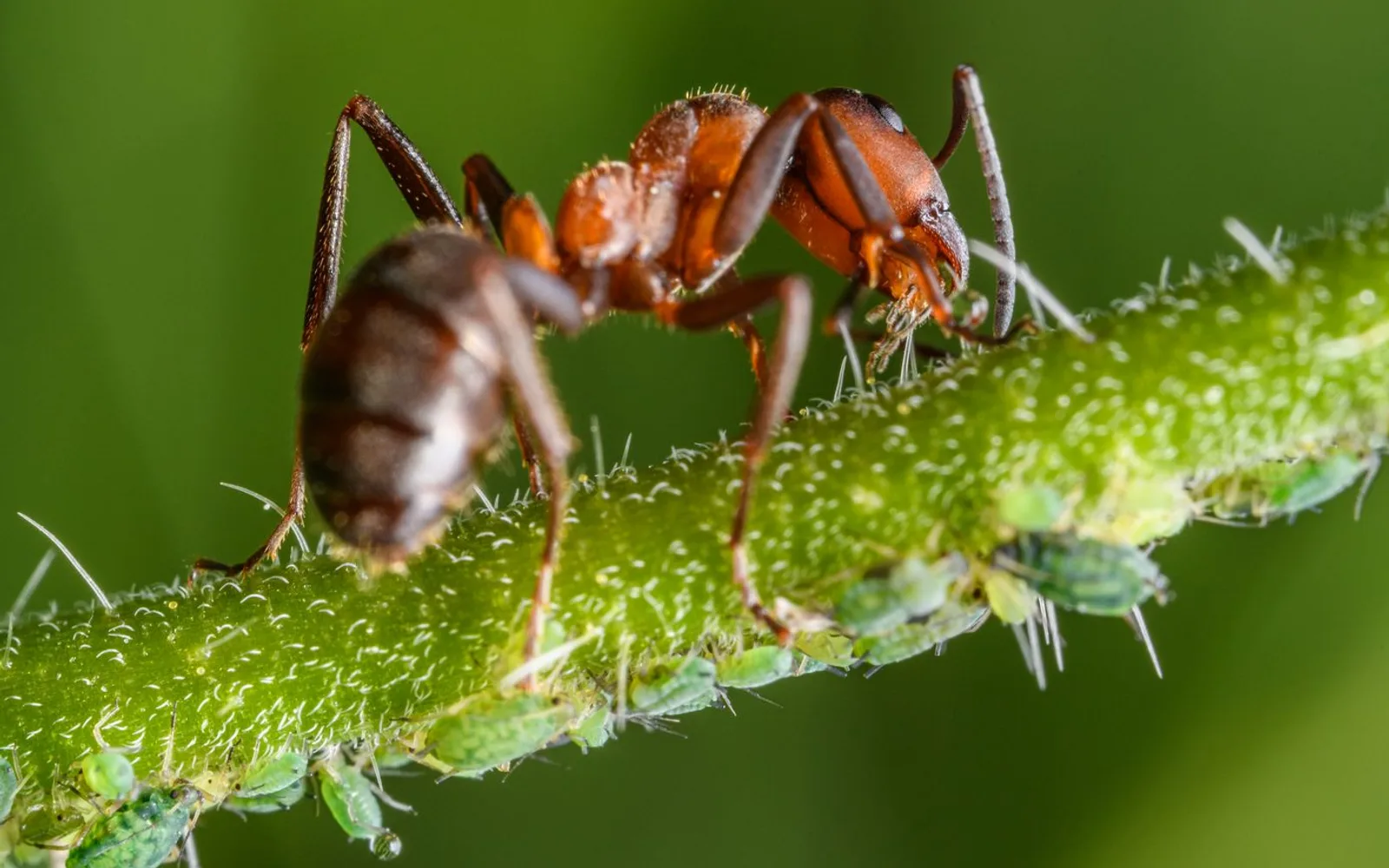
Ant control in Al Fayha Makkah
Al Fayha is a new expansion zone north west of Makkah laid out in wide schemes with many vacant plots and a public park and walkway. Irrigated gardens, lawns and a mixed residential-commercial character make ants seasonally active. Treatment here focuses on moisture control and the gardens.
-
Targeted, not broadcast
Product goes into cracks and runways, never sprayed across open surfaces.
-
Told before we start
What we will use, where it goes, and what to cover or move before we arrive.
-
A follow-up visit
We return after the first treatment, because what survives it does not show on the day.
-
Homes and businesses
Apartments and villas, and kitchens and stores that need a record of each visit.
Why they keep coming back in Al Fayha
Active ants here track the gardens and continuous irrigation of lawns, with seasonal peaks in spring and summer when growth and moisture are highest. The method is set out in full on the full Ant control page.
Al Fayha Park and irrigated lawns
The public park and lawn areas around villas provide constant moisture and water, which attracts ants. Ants live in the garden and enter homes foraging for food.
Continuous irrigation and damp soil
Automatic irrigation in gardens keeps soil damp most of the time. Moisture supports large ant colonies in the garden, and ants enter the house foraging.
Modern district and scattered villas
Villas are spread across wide plots with private gardens, and the new district still has vacant land. Ants move easily between villas because distances are short and gardens are contiguous.
The character of Al Fayha
New development: ongoing construction and vacant plots between the homes
A new district with irrigated gardens means treating the villa alone is not enough. Your private garden and the public garden nearby are the steady ant source. Effective treatment requires a strong barrier around the villa and reduced irrigation near the foundation.
The species and the trail decide the bait
Al Fayha lies on Old Makkah Road between As Salamah, Al Hamra and Al Buhayrat, with the northern Haram boundary crossing Umm Al Mumineen Road, and features a shopping centre and public gardens.
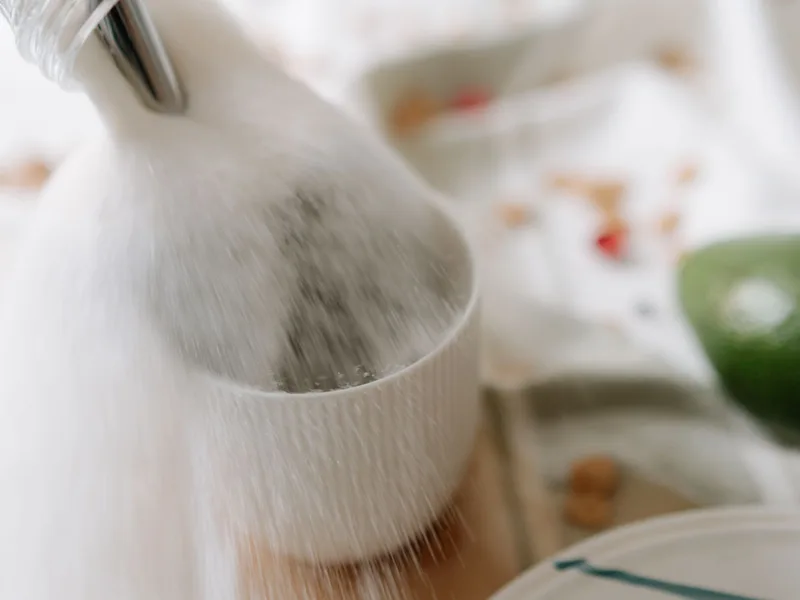
The sweet feeders
Sugars from fruit and confectionery in the villa and garden attract fast moving sugar-seeking ants.
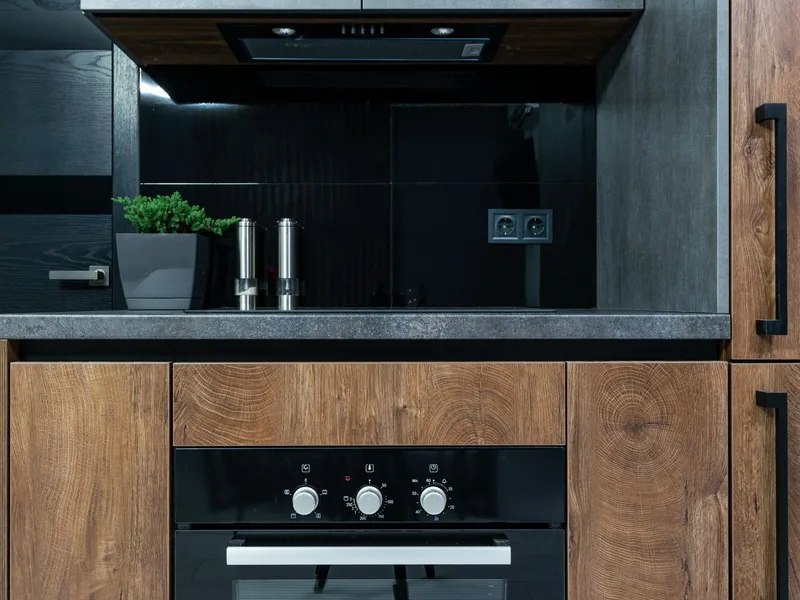
The grease and protein feeders
Cooking grease and food waste in the house and garden feed the fat-feeding type steadily.
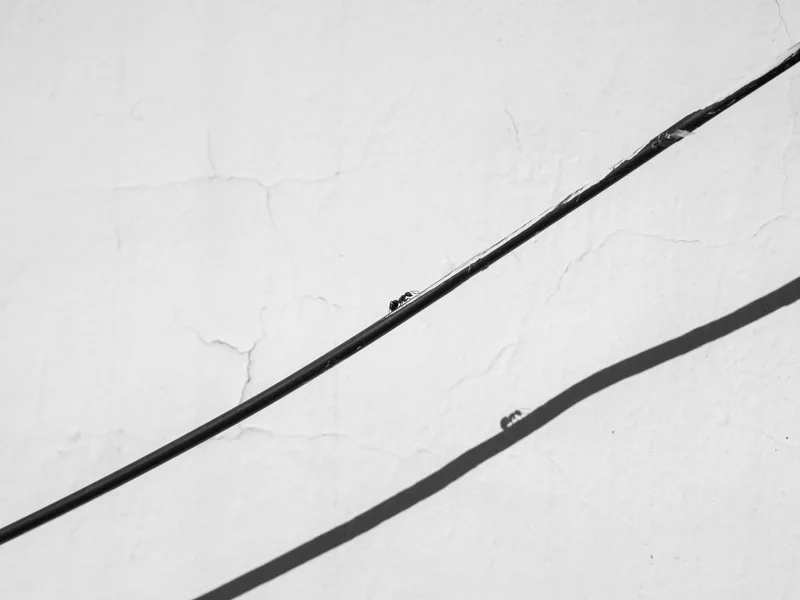
The trail and its direction
The trail starts from the public garden or your own garden, enters via the foundation or doors, then spreads through the rooms.
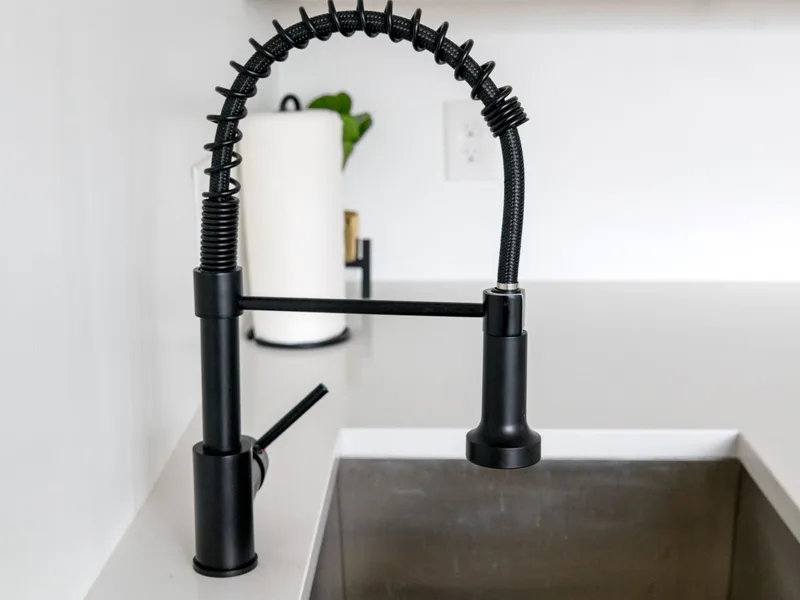
Moisture before food
Moisture from continuous garden irrigation and lawn watering draws ants to the foundations and below-slab voids.
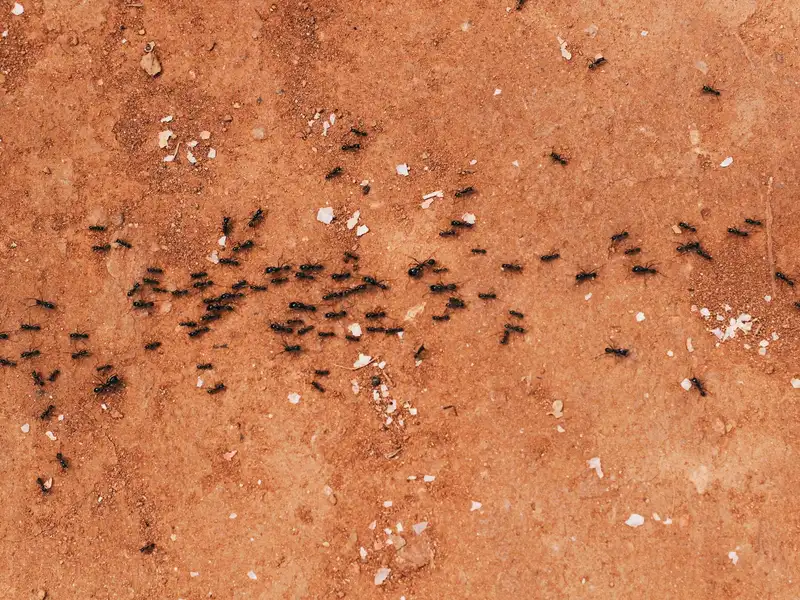
The nest outside the building
Nests lie in the damp soil of your garden and in the neighbouring public garden, and a barrier around your villa cuts off ant entry.
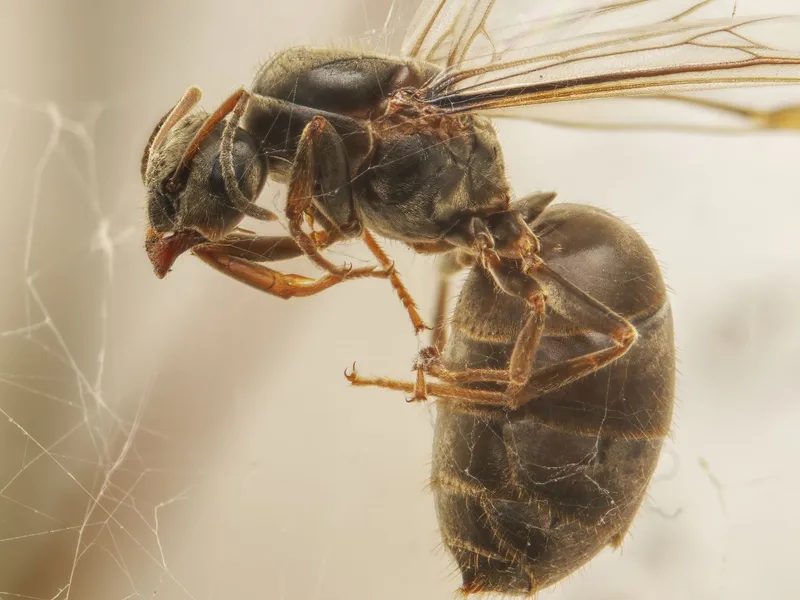
Winged ants
Winged ants emerge in spring and summer especially around gardens, indicating nest maturity nearby.
How we work
-
1
Inspect and follow the trail
We follow the line from where you see it to where it enters, and establish the species, what it is feeding on and the moisture keeping the nest close.
-
2
Matched bait placed on the trail
We choose the matrix from the feeding preference and place it on the trail itself, leaving the trail intact so the workers carry it to the queen and the brood.
-
3
Treat the perimeter and close the ways in
An external treatment at the wall base and the openings, and we point out the cracks, pipe entries and any branch touching the building.
-
4
The follow-up visit
We come back once the bait has worked through the nest, check the trail is gone, and look for a satellite nest if a new line has appeared.
What ant control includes
-

Following the trail to its source
Species, entry point and the direction of the nest, established before anything is applied.
-

Bait matched to the colony
Sugar or protein according to what the workers are carrying, placed on the trail rather than near it.
-

An external perimeter treatment
A band at the wall base and the outside openings, with the indoor trail left unsprayed so it keeps carrying bait.
-

Moisture points and entries
Condensate lines, sink surrounds, weep holes and pipe entries, which are what keeps a nest against the building.
-

Aftercare instructions
What not to wipe until the bait has been taken, what to cover, and when normal cleaning can resume.
-

A scheduled follow-up
A set date to check the nest and re-bait anywhere still active.
What is different about Al Umrah Sub-Municipality
Al Umrah sub municipality covers the north west of Makkah along the Madinah road and the old Jeddah road, from At Tanim and Masjid Aisha to An Nawwariyah. Its districts are the city's newest, villas and apartment blocks raised on wide schemes where large tracts in Al Umrah Al Jadidah, Al Fayha and Al Buhayrat remain vacant or under construction. Wadi Saraf and Wadi At Tanim run through it and rainwater gathers on unfinished schemes, ihram shops, restaurants and coach stops along the Madinah road serve a constant flow of pilgrims, and villas fill Al Hamra and Umm Al Jud.
Questions about this district
Is the public park the main ant source for the neighbouring villas?
Yes, the park is a large source, but ants in your villa may come from the park, your own garden, or a neighbouring villa. Treating your villa and a barrier around your private garden stops most entry.
Does automatic garden irrigation increase ant activity?
Yes, irrigation keeps soil damp, which supports colonies. If your garden is irrigated automatically, treating the soil and placing a barrier around your villa helps significantly.
Will treating just my villa stop ants coming from the neighbouring garden?
No, the neighbouring garden is a continuous source. Treatment inside the villa stops ants indoors, and a barrier around your garden reduces entry from outside. Both are needed.
I see red ants in the garden and black ants in the villa. Are they the same type or different types?
They may be two types. Red ones favour damp and gardens, black ones favour indoors and stored food. Treatment must address both at once.
In summer, do ants move from the garden into the villa more than in winter?
Yes, summer increases activity. Heat and continuous irrigation make the garden a strong source. Summer treatment is more important than winter.
Does treating neighbouring villas reduce ant return to mine?
It may help a little, but the public park is the primary source. Treating your villa and placing a barrier around your own garden matters more than treating neighbouring properties.
How much does ant control in Al Fayha cost?
It is set after the inspection, because the price follows the type of infestation, the size of the space, how far it has spread and the number of visits it needs. Send a photo and a description on WhatsApp and we will give you an estimate before we reach Al Fayha.
Nearby districts we cover
Other services in Al Fayha
Other services we provide to residents of Al Fayha.
-
 Residential
Cockroach control
Residential
Cockroach control
-
 Residential
Bed bug control
Residential
Bed bug control
-
 Residential
Termite control
Residential
Termite control
-
 Residential
Rodents and mice
Residential
Rodents and mice
-
 Residential
Mosquito control
Residential
Mosquito control
-
 Residential
Fly control
Residential
Fly control
-
 Residential
Gecko control
Residential
Gecko control
-
 Residential
Scorpion control
Residential
Scorpion control
-
 Residential
Snake control
Residential
Snake control
-
 Residential
Flea control
Residential
Flea control
-
 Residential
Bird and pigeon control
Residential
Bird and pigeon control
-
 Residential
Preventive treatment
Residential
Preventive treatment
-
 Residential
Disinfection
Residential
Disinfection
-
 Commercial
Annual contracts
Commercial
Annual contracts
-
 Commercial
Restaurants and cafes
Commercial
Restaurants and cafes
-
 Commercial
Hotels and apartments
Commercial
Hotels and apartments
-
 Commercial
Warehouses and factories
Commercial
Warehouses and factories
-
 Commercial
Schools and nurseries
Commercial
Schools and nurseries
-
 Commercial
Retail and malls
Commercial
Retail and malls
-
 Commercial
Rest houses and farms
Commercial
Rest houses and farms
-
 Commercial
Fumigation
Commercial
Fumigation
-
 Water tanks
Water tank cleaning
Water tanks
Water tank cleaning
-
 Water tanks
Water tank sterilization
Water tanks
Water tank sterilization
-
 Water tanks
Water tank sealing
Water tanks
Water tank sealing
-
 Water tanks
Tank leak repair
Water tanks
Tank leak repair
Need ant control in Al Fayha? Tell us what you saw and we will tell you what it needs
We reach Al Fayha at a time we agree, and you get the full cost before we start.