
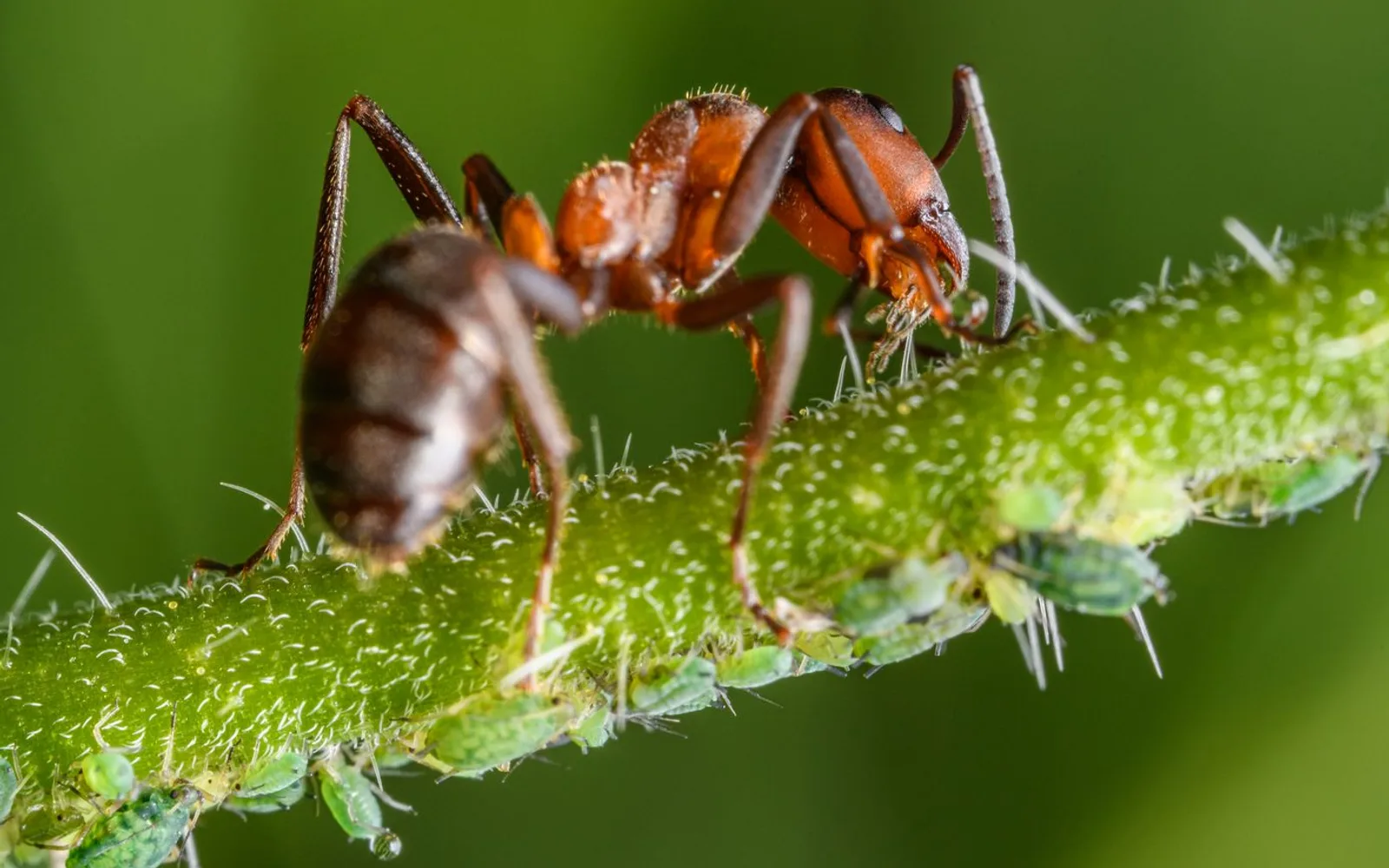
Ant control in Al Hindawiyah Jeddah
Al Hindawiyah is a congested old quarter beside Jeddah Islamic Port dating from the nineteenth century, its dense ageing blocks stacked above more than two hundred small ground floor shops. Ants thrive here on failing pipes, deep cracks, persistent damp and the daily food debris scattered by retail trade.
-
Targeted, not broadcast
Product goes into cracks and runways, never sprayed across open surfaces.
-
Told before we start
What we will use, where it goes, and what to cover or move before we arrive.
-
A follow-up visit
We return after the first treatment, because what survives it does not show on the day.
-
Homes and businesses
Apartments and villas, and kitchens and stores that need a record of each visit.
Why they keep coming back in Al Hindawiyah
Ants here are tougher and more diverse than in new districts, and reinfestation is faster because food sources and moisture are refreshed daily from the street and shops. The method is set out in full on our Ant control service.
Ageing, cracked and leaking pipes
The district is nearly two centuries old and its original pipework still runs underground with cracks and seeps. Persistent dampness around foundations and walls creates ideal nesting for colonies, and greasy sewage lines from restaurants drip food steadily. Underground moisture is constant.
Small shops and daily waste streams
Over two hundred small shops on the ground floor discharge waste, food scraps and debris daily. Pavements are coated with food traces and grease, and ants find inexhaustible supplies on the pavement and under doorways. Waste is generated and discarded continuously.
Deep cracks and tight stone masonry
Old buildings were constructed in close packed stone courses that resist outer penetration. Deep cracks in walls and footings provide protected highways for ants, and gaps between ancient stones work better than modern cement cracks. The older the building, the better the tunnels.
Al Hindawiyah on the map
Al Hindawiyah sits about 1.5 km from Al Balad and about 1.5 km from Al Sahifah.
Open in Google MapsThe species and the trail decide the bait
The ancient neighbourhood has ageing water and sewage pipes that leak constant moisture below ground, and the ground floor shops shed food waste, offal and refuse onto the streets without pause.
The sweet feeders
Sugar ants in old districts are attracted to sweet waste and spilled drinks on pavements and scraps left by small retail shops, with trails descending into pavement cracks.
The grease and protein feeders
Grease ants focus on fatty sewage from small restaurants and oily residue under doorways and waste piled in corners, thriving in the organic rich rubble below ancient streets.
The trail and its direction
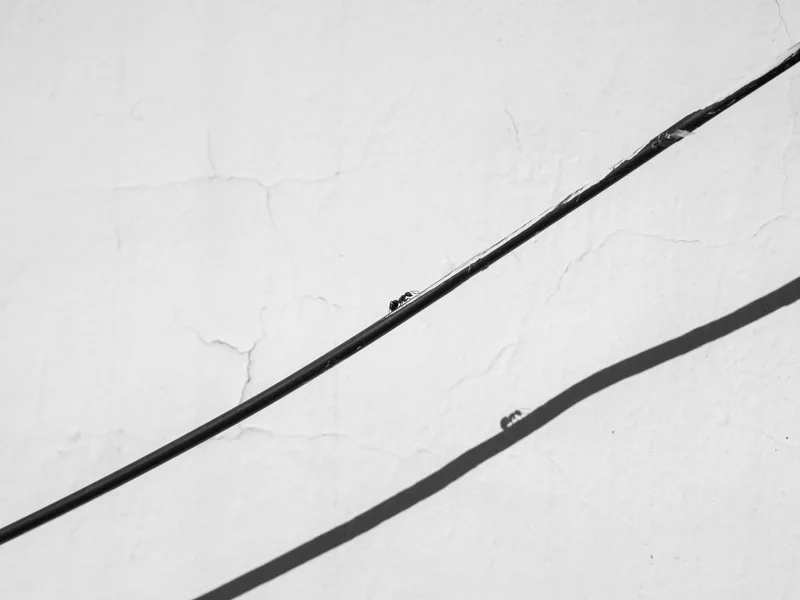
The trail starts at a ground floor shop and climbs vertical pipes and inter-flat cavities, or may travel horizontally under ancient floors through carved passages between units.
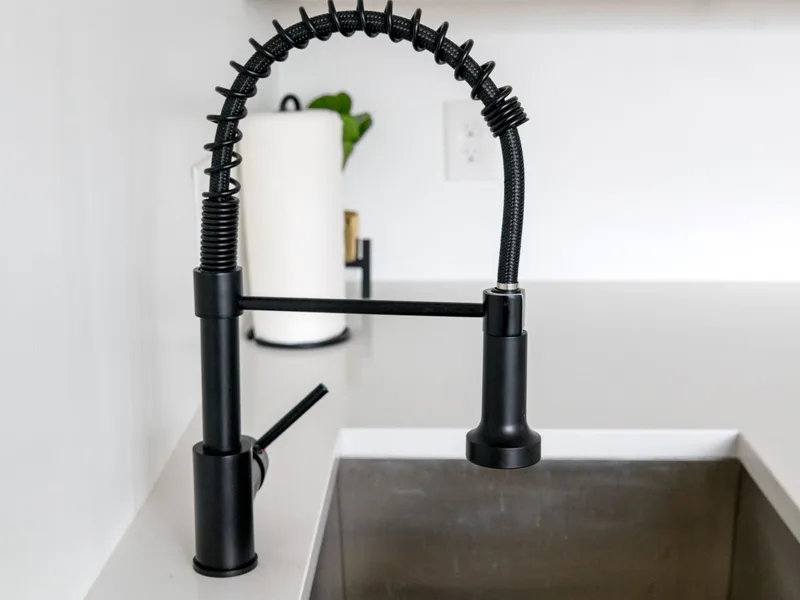
Moisture before food
Moisture from failing pipes, poor drainage and weak sewers supplies water constantly, making it more critical to ants than food in deciding where colonies nest.
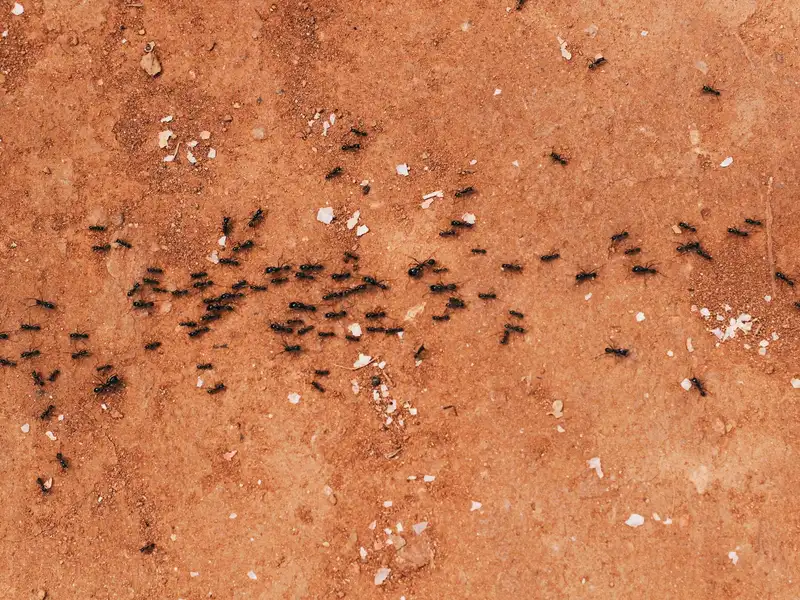
The nest outside the building
The nest may lie under ancient foundations or in cavities between original stone blocks or inside hollow walls, and depth can exceed one metre below ground level.
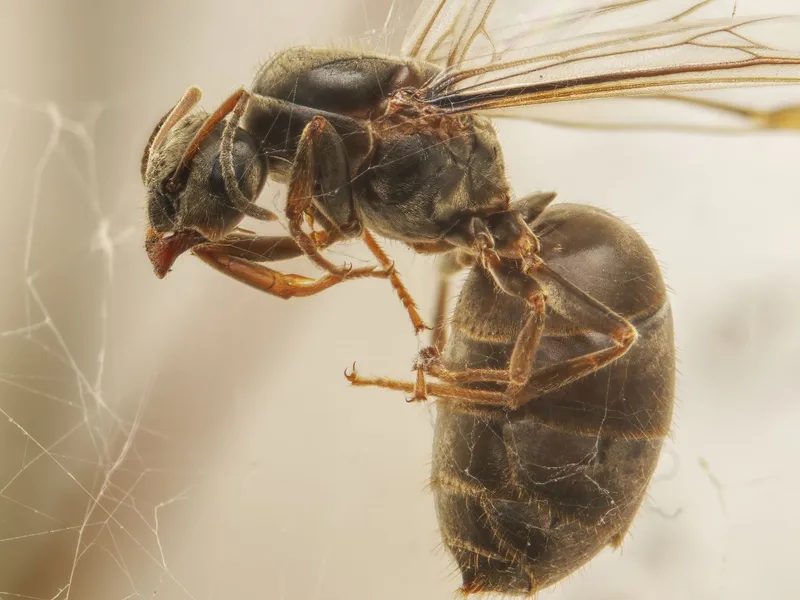
Winged ants
Winged ants in crowded old districts are a sign of a large mature colony very close by, and their appearance means the nest has reached the growth and expansion stage.
How we work
-
1
Inspect and follow the trail
We follow the line from where you see it to where it enters, and establish the species, what it is feeding on and the moisture keeping the nest close.
-
2
Matched bait placed on the trail
We choose the matrix from the feeding preference and place it on the trail itself, leaving the trail intact so the workers carry it to the queen and the brood.
-
3
Treat the perimeter and close the ways in
An external treatment at the wall base and the openings, and we point out the cracks, pipe entries and any branch touching the building.
-
4
The follow-up visit
We come back once the bait has worked through the nest, check the trail is gone, and look for a satellite nest if a new line has appeared.
What ant control includes
-

Following the trail to its source
Species, entry point and the direction of the nest, established before anything is applied.
-

Bait matched to the colony
Sugar or protein according to what the workers are carrying, placed on the trail rather than near it.
-

An external perimeter treatment
A band at the wall base and the outside openings, with the indoor trail left unsprayed so it keeps carrying bait.
-

Moisture points and entries
Condensate lines, sink surrounds, weep holes and pipe entries, which are what keeps a nest against the building.
-

Aftercare instructions
What not to wipe until the bait has been taken, what to cover, and when normal cleaning can resume.
-

A scheduled follow-up
A set date to check the nest and re-bait anywhere still active.
Landmarks of Al Hindawiyah
In Al Hindawiyah, service reaches homes and flats through Al Dhahab Street and Port Street, where the old district spreads its narrow passages between tightly packed ageing structures.
- Jeddah Islamic Port
- Port Street
- Al Dhahab Street (Abdullah Hashim Street)
- Zawiyat Al Hunud Mosque
- Umar ibn Al Khattab Mosque
Questions about this district
Are ants in Al Hindawiyah harder to treat than in newer districts?
Yes, old quarters host multiple ant species and very deep nests under foundations. Treatment needs longer follow up and may require several visits before a lasting result appears.
Why do ants return so quickly after the first treatment in old districts?
Food sources never run dry from shops, streets and sewers. Fresh ants arrive from nearby untreated colonies, and leaking pipes supply the moisture that calls them.
Does leaking old pipework make the ant problem worse?
Dramatically yes. Moisture matters more to ants than food. Repairing major leaks significantly reduces the pull ants feel to the site.
Can a flat in an old Al Hindawiyah building ever be fully free of ants?
With continued treatment and good housekeeping, yes. But ongoing effort may be needed because the entire district holds potential ant sources.
How do ground floor shops connect to ants appearing in the upper flats?
Shops provide endless food and water. Ants spread vertically from the ground level through shared pipes and cavities into the flats above.
Will keeping a flat completely clean stop ants coming up from the shop below?
Cleanliness is essential but may not be enough. Ants may come seeking moisture and water even from a spotless flat if shared pipes are leaking.
How much does ant control in Al Hindawiyah cost?
It is set after the inspection, because the price follows the type of infestation, the size of the space, how far it has spread and the number of visits it needs. Send a photo and a description on WhatsApp and we will give you an estimate before we reach Al Hindawiyah.
Nearby districts we cover
Other services in Al Hindawiyah
Other services we provide to residents of Al Hindawiyah.
-
 Residential
Cockroach control
Residential
Cockroach control
-
 Residential
Bed bug control
Residential
Bed bug control
-
 Residential
Termite control
Residential
Termite control
-
 Residential
Rodents and mice
Residential
Rodents and mice
-
 Residential
Mosquito control
Residential
Mosquito control
-
 Residential
Fly control
Residential
Fly control
-
 Residential
Gecko control
Residential
Gecko control
-
 Residential
Scorpion control
Residential
Scorpion control
-
 Residential
Snake control
Residential
Snake control
-
 Residential
Flea control
Residential
Flea control
-
 Residential
Bird and pigeon control
Residential
Bird and pigeon control
-
 Residential
Preventive treatment
Residential
Preventive treatment
-
 Residential
Disinfection
Residential
Disinfection
-
 Commercial
Annual contracts
Commercial
Annual contracts
-
 Commercial
Restaurants and cafes
Commercial
Restaurants and cafes
-
 Commercial
Hotels and apartments
Commercial
Hotels and apartments
-
 Commercial
Warehouses and factories
Commercial
Warehouses and factories
-
 Commercial
Schools and nurseries
Commercial
Schools and nurseries
-
 Commercial
Retail and malls
Commercial
Retail and malls
-
 Commercial
Rest houses and farms
Commercial
Rest houses and farms
-
 Commercial
Fumigation
Commercial
Fumigation
-
 Water tanks
Water tank cleaning
Water tanks
Water tank cleaning
-
 Water tanks
Water tank sterilization
Water tanks
Water tank sterilization
-
 Water tanks
Water tank sealing
Water tanks
Water tank sealing
-
 Water tanks
Tank leak repair
Water tanks
Tank leak repair
Need ant control in Al Hindawiyah? Tell us what you saw and we will tell you what it needs
We reach Al Hindawiyah at a time we agree, and you get the full cost before we start.