
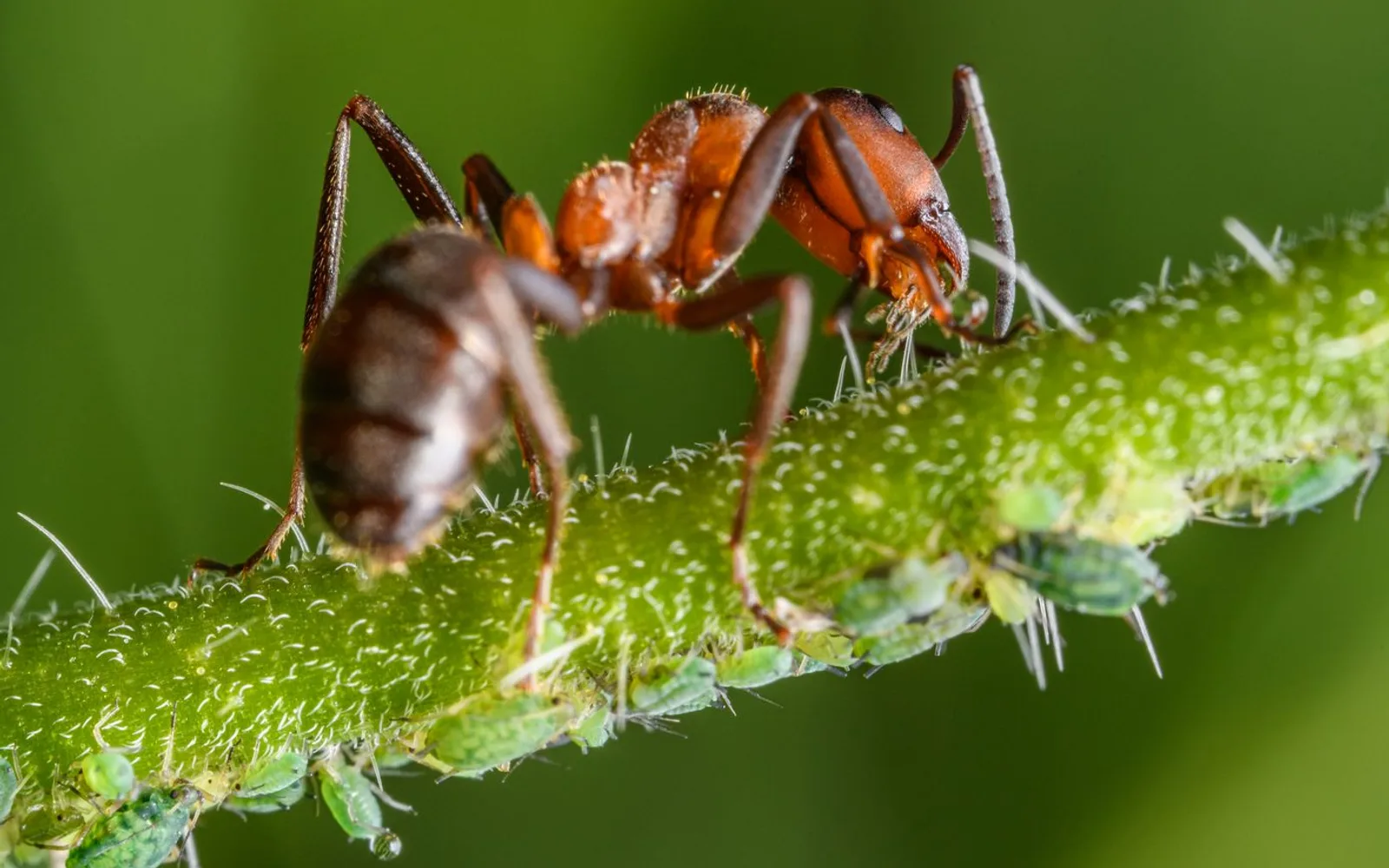
Ant control in Al Jamiah Jeddah
Al Jamiah is a densely packed established district where apartment buildings rise above shops and restaurants, and ants exploit the shared entrances, drainage risers and utility shafts to move between flats. Treatment here demands coordination with residents and access to multiple points within each building to be effective.
-
Targeted, not broadcast
Product goes into cracks and runways, never sprayed across open surfaces.
-
Told before we start
What we will use, where it goes, and what to cover or move before we arrive.
-
A follow-up visit
We return after the first treatment, because what survives it does not show on the day.
-
Homes and businesses
Apartments and villas, and kitchens and stores that need a record of each visit.
Why they keep coming back in Al Jamiah
In the oldest blocks, ants climb directly up the riser pipes rather than foraging horizontally, which means a single flat treatment leaves the building still infested from the shared infrastructure. The method is set out in full on Ant control in detail.
Shared risers link flats vertically
Every flat connects to the one above and below it through drainage and water risers, and ants use these as direct routes. A single flat treatment fails if the nest lies in the basement or under the ground floor shop. The building's external entry points and the common perimeter must be treated as one zone.
Ground floor shops feed pressure from below
Restaurants, bakeries and retail outlets attract ants with fats and sugars, and poorly sealed gaps between the shop and the flats above give ants a passage upwards. If the base of the building is not treated, ants simply climb from the food source in the shop to the flats and repeat the cycle.
Shared entrances are collection points
The lobby, stairwell and lift shaft are communal spaces where ants pass every hour. Each flat cannot be treated in isolation and these passages ignored. Bait must be placed at the base of the stairs and at the main drain openings where ants congregate.
The character of Al Jamiah
Apartment district: residential blocks, repeated floors and shared entrances
Flats packed together mean ants in one unit are not that unit's problem alone. Treating one flat will not end the infestation if pipes link the whole building. Treatment must be coordinated across residents and deployed comprehensively at the building's external base.
The species and the trail decide the bait
Buildings cluster around Al Jamiah Roundabout and Andalusia Hospital. Drainage and water pipes connect floors vertically, providing the ants with vertical highways. The mix of restaurants, bakeries and shops at street level creates a food source that feeds pressure from below.
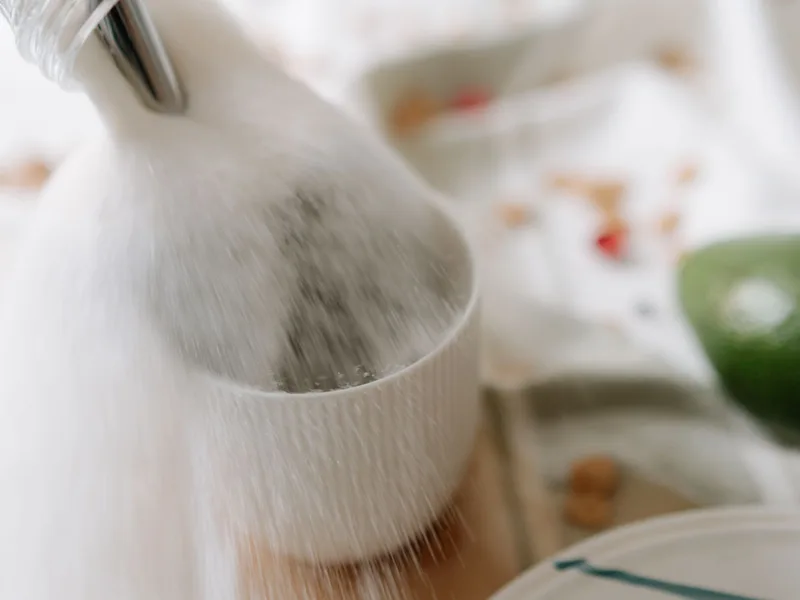
The sweet feeders
Sweet feeders come from the shops and bakeries below and climb straight up shared walls to find sugary food in the flats.
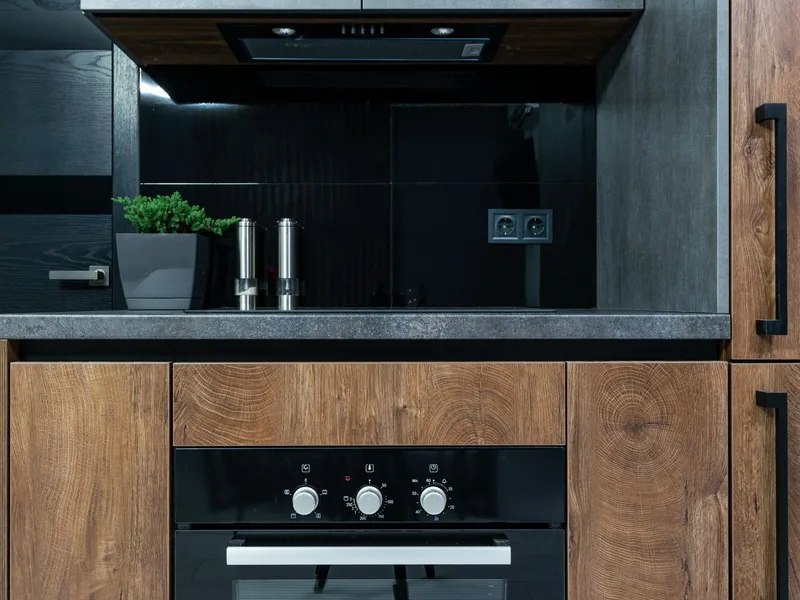
The grease and protein feeders
Grease and protein feeders concentrate in the restaurants and bakeries at street level, and their vertical movement through the building means every flat gets visited quickly.
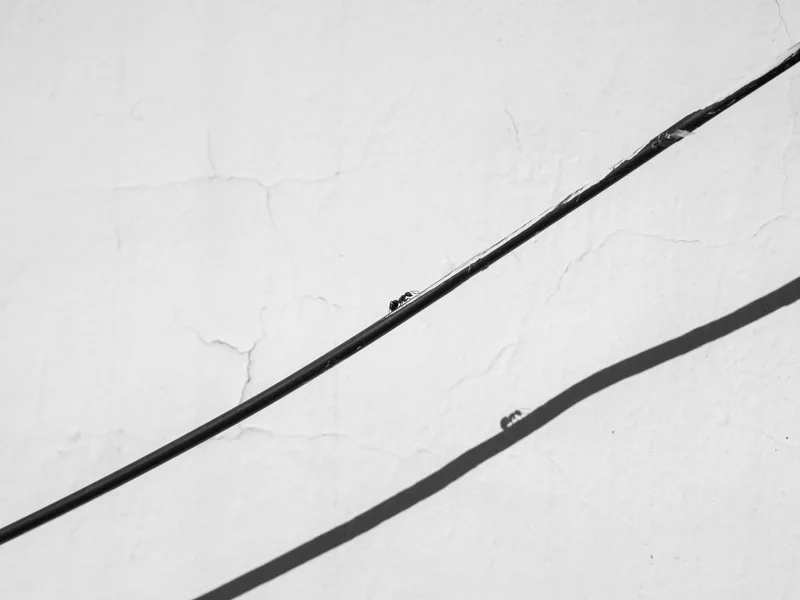
The trail and its direction
The trail starts at the building's base where cracks meet the soil or drainage exits, then climbs vertically inside the walls towards food sources in upper flats.
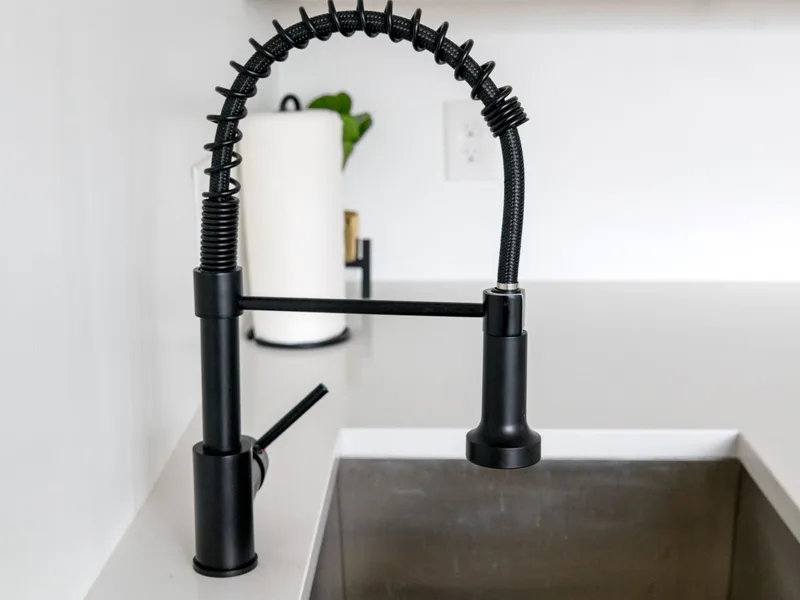
Moisture before food
Moisture in the shared risers provides standing water and keeps the ants' highways humid, making certain floors more accessible than others.
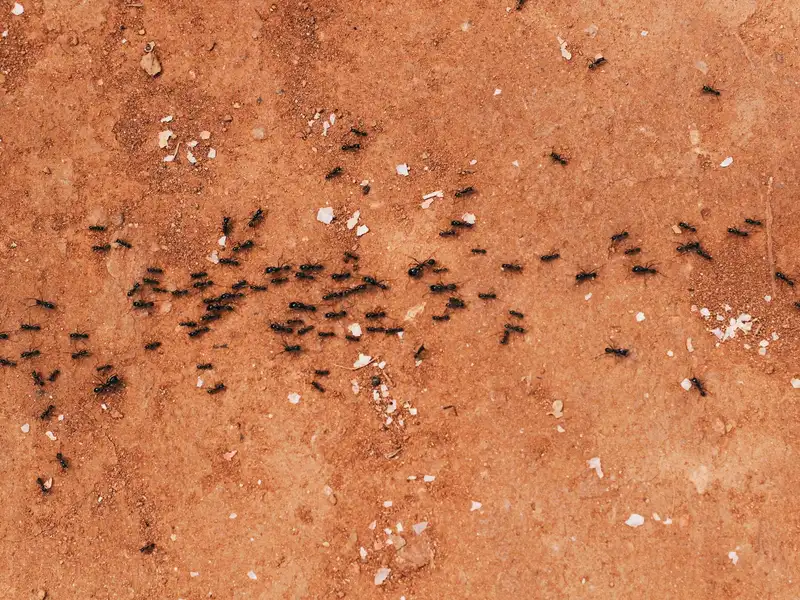
The nest outside the building
The nest usually lies beneath the building foundation or in voids under the ground floor, or embedded in the ground floor shop walls where food is richest.
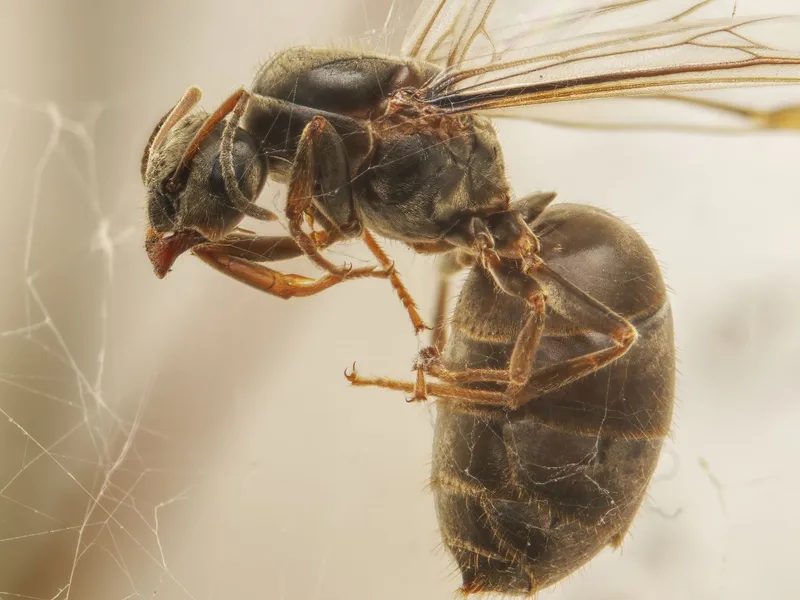
Winged ants
Winged ants emerge in the mating season and move horizontally to find new nesting sites, often settling in a different flat from where they came from.
How we work
-
1
Inspect and follow the trail
We follow the line from where you see it to where it enters, and establish the species, what it is feeding on and the moisture keeping the nest close.
-
2
Matched bait placed on the trail
We choose the matrix from the feeding preference and place it on the trail itself, leaving the trail intact so the workers carry it to the queen and the brood.
-
3
Treat the perimeter and close the ways in
An external treatment at the wall base and the openings, and we point out the cracks, pipe entries and any branch touching the building.
-
4
The follow-up visit
We come back once the bait has worked through the nest, check the trail is gone, and look for a satellite nest if a new line has appeared.
What ant control includes
-

Following the trail to its source
Species, entry point and the direction of the nest, established before anything is applied.
-

Bait matched to the colony
Sugar or protein according to what the workers are carrying, placed on the trail rather than near it.
-

An external perimeter treatment
A band at the wall base and the outside openings, with the indoor trail left unsprayed so it keeps carrying bait.
-

Moisture points and entries
Condensate lines, sink surrounds, weep holes and pipe entries, which are what keeps a nest against the building.
-

Aftercare instructions
What not to wipe until the bait has been taken, what to cover, and when normal cleaning can resume.
-

A scheduled follow-up
A set date to check the nest and re-bait anywhere still active.
Landmarks of Al Jamiah
Access to Al Jamiah's buildings runs through Al Jamiah Road and Old Makkah Road near the roundabout and the hospital, and treatment depends on reaching the building foundations from the outer perimeter to cut off ants at their entry points.
- Old Makkah Road
- Al Jamiah Road
- Al Jamiah Roundabout
- Andalusia Hospital Al Jamiah
- Al Fath Park
- Stadium Road
Questions about this district
Will closing my flat door stop ants getting inside?
A closed door may slow them briefly, but ants will find cracks around windows, gaps in render, or routes through the pipes inside the walls. The actual nest may already be behind the walls or beneath the foundation, not outside at all.
Why does ant activity spread so fast through one building?
Because the risers and gaps join every flat easily, and ants exploit this to move. Once they find food in any single flat, they signal the colony and you see activity spike across multiple units within days.
Is treating just the shop enough if the ants came from there?
Treating the shop alone may reduce activity temporarily, but if the nest lies under the ground floor or in shared walls, ants will return quickly. Full control includes the shop, the flats above and the building exterior.
Is the lift shaft somewhere we can easily treat for ants?
Ants pass through the shaft but the shaft is not the nest. Bait goes on the ground near the lift and stairwell, not inside the lift itself, because the ants are using it as a highway, not nesting in it.
How many visits do we need for a district like Al Jamiah?
Depending on severity, a second visit after two or three weeks is often needed. The shared risers may bring ants from an adjacent building, so ongoing monitoring and follow up treatment keeps pressure under control.
Will better ventilation and open windows reduce ants?
Good ventilation lowers humidity that ants prefer, but it will not stop them entering through open windows. Ants will climb through any gap. Chemical treatment alongside ventilation is what actually ends the problem.
How much does ant control in Al Jamiah cost?
It is set after the inspection, because the price follows the type of infestation, the size of the space, how far it has spread and the number of visits it needs. Send a photo and a description on WhatsApp and we will give you an estimate before we reach Al Jamiah.
Nearby districts we cover
Other services in Al Jamiah
Other services we provide to residents of Al Jamiah.
-
 Residential
Cockroach control
Residential
Cockroach control
-
 Residential
Bed bug control
Residential
Bed bug control
-
 Residential
Termite control
Residential
Termite control
-
 Residential
Rodents and mice
Residential
Rodents and mice
-
 Residential
Mosquito control
Residential
Mosquito control
-
 Residential
Fly control
Residential
Fly control
-
 Residential
Gecko control
Residential
Gecko control
-
 Residential
Scorpion control
Residential
Scorpion control
-
 Residential
Snake control
Residential
Snake control
-
 Residential
Flea control
Residential
Flea control
-
 Residential
Bird and pigeon control
Residential
Bird and pigeon control
-
 Residential
Preventive treatment
Residential
Preventive treatment
-
 Residential
Disinfection
Residential
Disinfection
-
 Commercial
Annual contracts
Commercial
Annual contracts
-
 Commercial
Restaurants and cafes
Commercial
Restaurants and cafes
-
 Commercial
Hotels and apartments
Commercial
Hotels and apartments
-
 Commercial
Warehouses and factories
Commercial
Warehouses and factories
-
 Commercial
Schools and nurseries
Commercial
Schools and nurseries
-
 Commercial
Retail and malls
Commercial
Retail and malls
-
 Commercial
Rest houses and farms
Commercial
Rest houses and farms
-
 Commercial
Fumigation
Commercial
Fumigation
-
 Water tanks
Water tank cleaning
Water tanks
Water tank cleaning
-
 Water tanks
Water tank sterilization
Water tanks
Water tank sterilization
-
 Water tanks
Water tank sealing
Water tanks
Water tank sealing
-
 Water tanks
Tank leak repair
Water tanks
Tank leak repair
Need ant control in Al Jamiah? Tell us what you saw and we will tell you what it needs
We reach Al Jamiah at a time we agree, and you get the full cost before we start.