
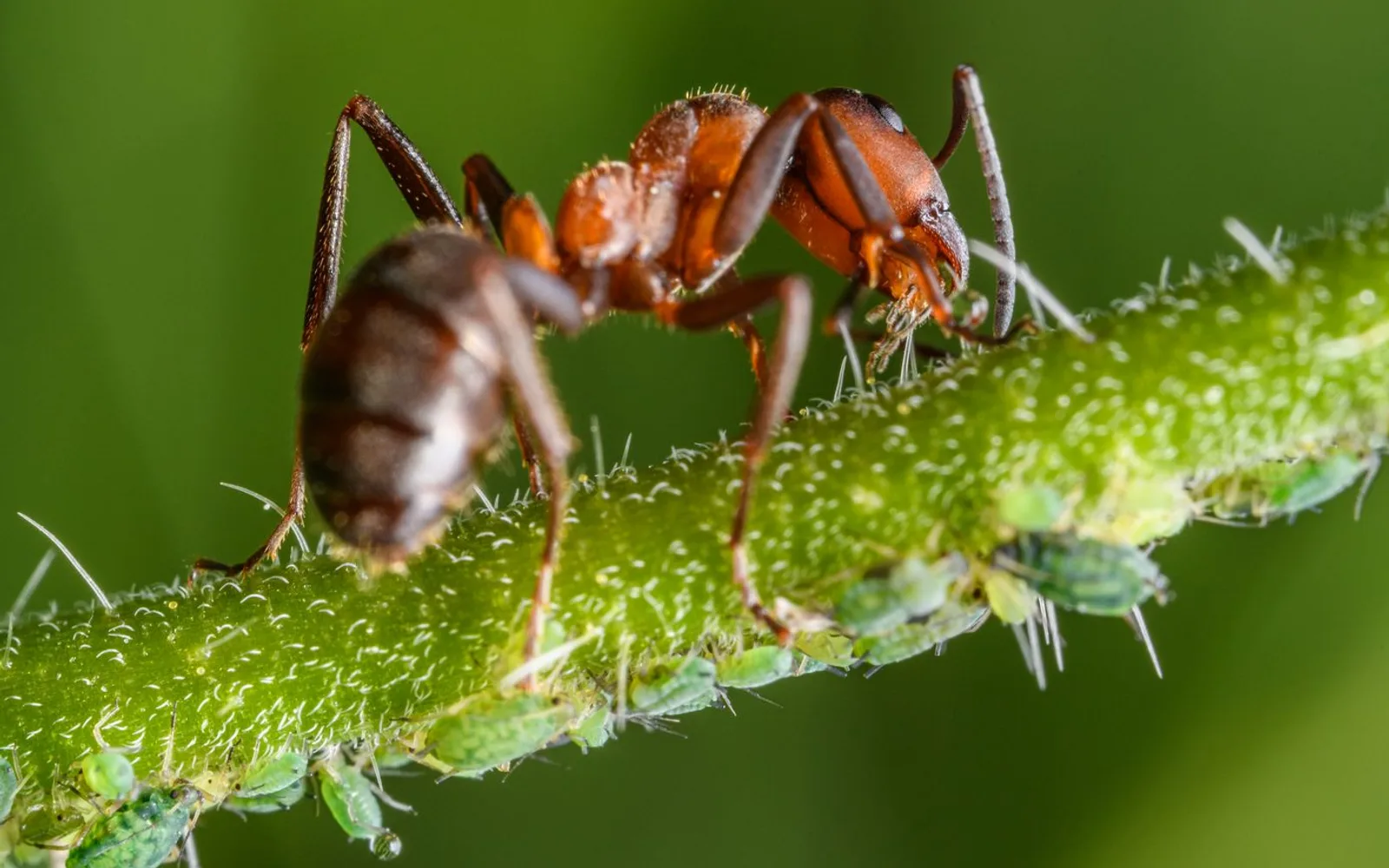
Ant control in Al Rawabi Jeddah
Al Rawabi is densely packed with apartment buildings and shops stacked along Old Makkah Road and Bin Laden Road, and ants here move vertically between floors and from shops to homes far faster than in other districts. We must track the trail from the shop into the flat and back again, treating the shared entry and not just one door.
-
Targeted, not broadcast
Product goes into cracks and runways, never sprayed across open surfaces.
-
Told before we start
What we will use, where it goes, and what to cover or move before we arrive.
-
A follow-up visit
We return after the first treatment, because what survives it does not show on the day.
-
Homes and businesses
Apartments and villas, and kitchens and stores that need a record of each visit.
Why they keep coming back in Al Rawabi
Ants here build complex pathways between floors through shared cracks and communal pipes, and we often find nests inside the shop walls themselves rather than simply passing through. The method is set out in full on how we approach Ant control.
Close-set apartment blocks ease the ant's passage
Neighbouring flats and adjacent shops create a weak barrier between nest and food. The ants move from shop to shop and flat to flat without effort, and treatment must cover every shared entrance and communal pipe, not just one door or one crack.
Shared plumbing and unified drainage networks
Flats in Al Rawabi share drainage and pipes mounted on the outer walls, and ants use them as walkways. Food waste reaches your kitchen through your neighbour's waste line before you see a single ant.
Restaurants and cafes attract multiple species
Sugar-feeding and protein-feeding ants both thrive here because of the dense food outlets, meaning you may face two or three different ant species each requiring different baits and different treatment approaches.
Landmarks of Al Rawabi
The resident density around Old Makkah Road and Bin Laden Road requires precise planning, so we focus on the shared entrance, the visible pipes on the outer walls and the communal drainage points. Bin Laden Park nearby can be a source of winged ants in breeding season, so perimeter treatment extends to the building's street-facing edge.
- Old Makkah Road
- Bin Laden Road
- Bin Laden Park
- Ibn Al Qayyim Mosque
- Al Rawabi Shopping Centre
The species and the trail decide the bait
High resident density and numerous food outlets and restaurants supply the ants with abundant food sources, while humid sea air from the port encourages rapid breeding and colony growth throughout the year.
The sweet feeders
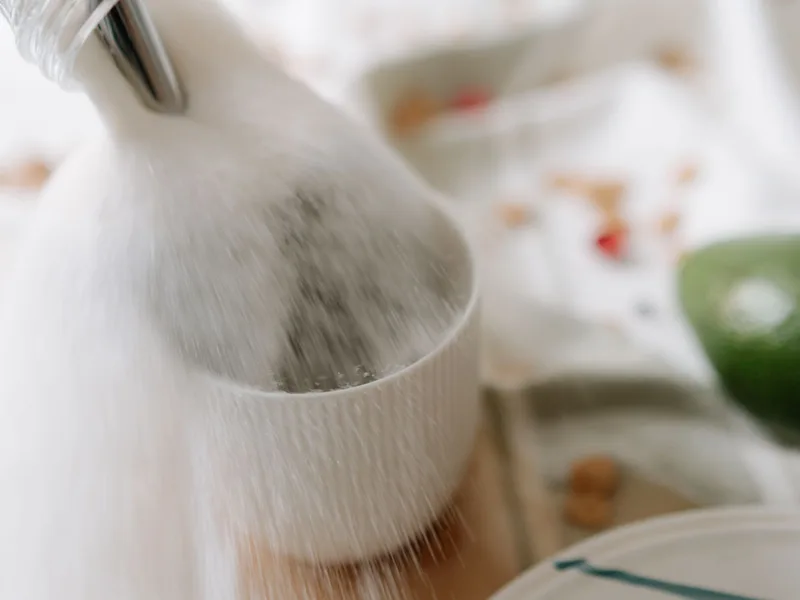
Sugar seeking ants intensify here in late afternoon and evening after the shops close, climbing into flats to search for kitchens and food stores shared between units.
The grease and protein feeders
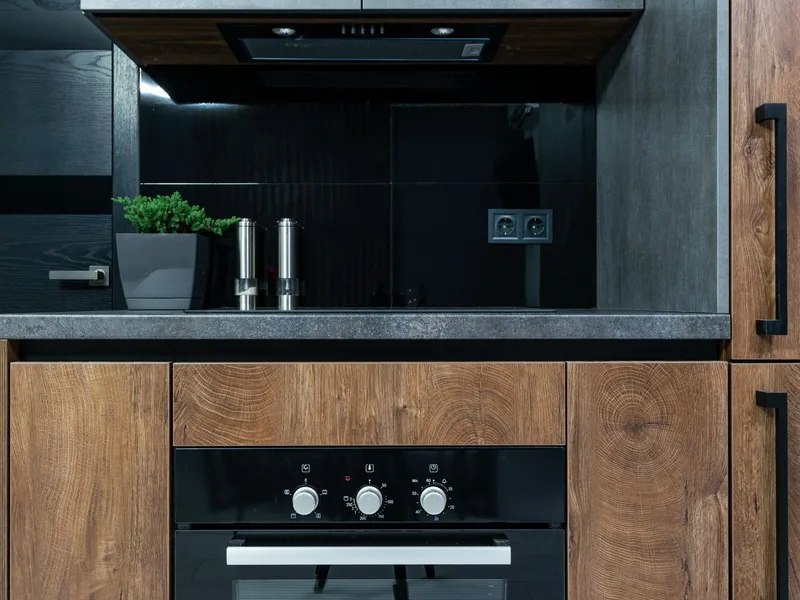
Protein seeking ants pose the greater risk in food shops and restaurants, nesting close to their fat and oil sources and deeply rooted where repellent spray cannot reach them.
The trail and its direction
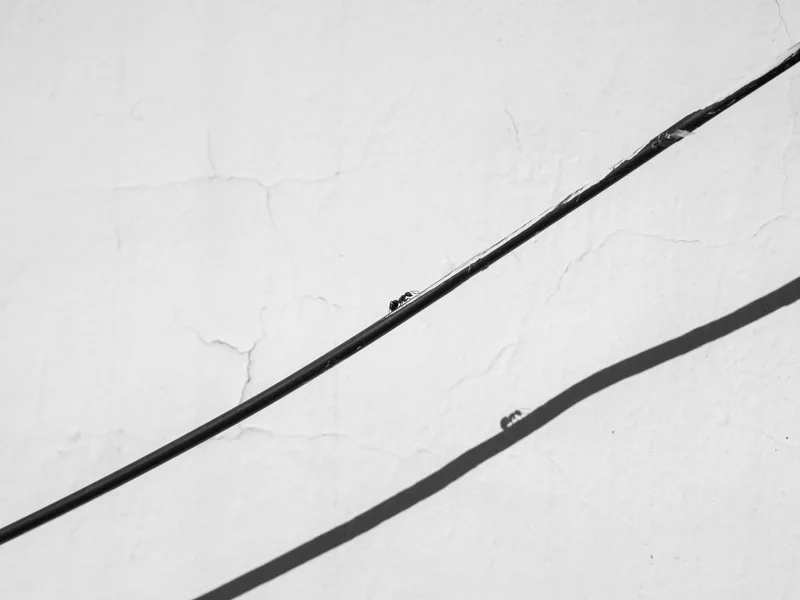
The main trail always starts from wall cavities in the shop and climbs the outside communal drainage pipes to upper floors, visible from the street if you know where to look.
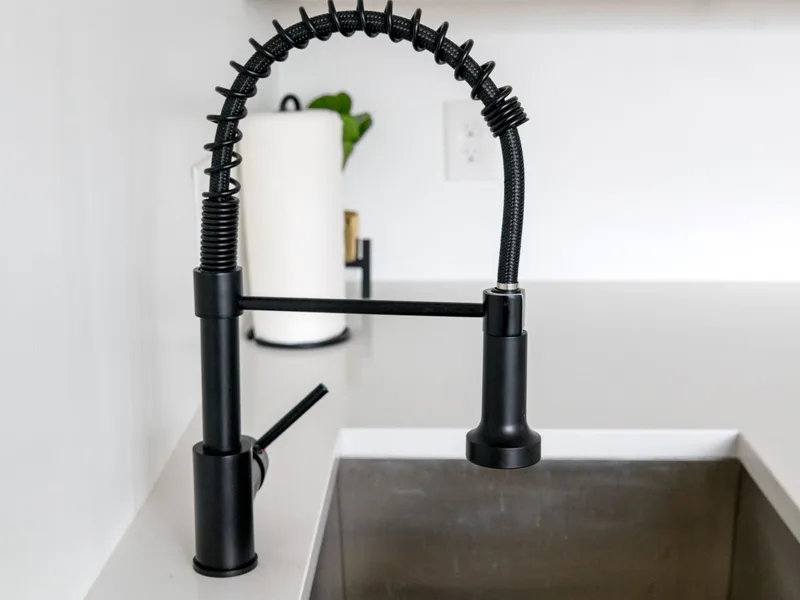
Moisture before food
Humidity here extends beyond kitchens alone into the air conditioning systems and shared pipes that leak throughout the year, creating persistent damp on concrete surfaces.
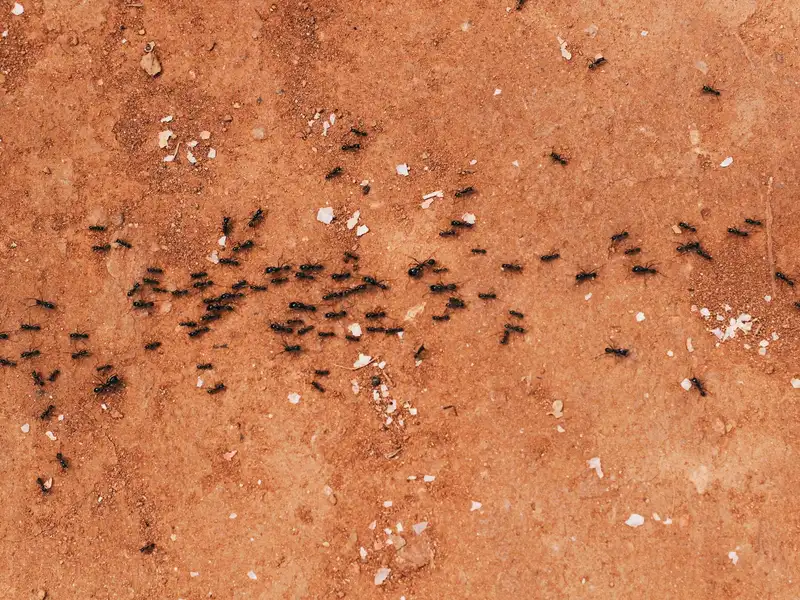
The nest outside the building
Outside nests commonly sit in wall cavities and beneath concrete ledges, and they are complex, deep structures that require precision treatment from the exterior perimeter.
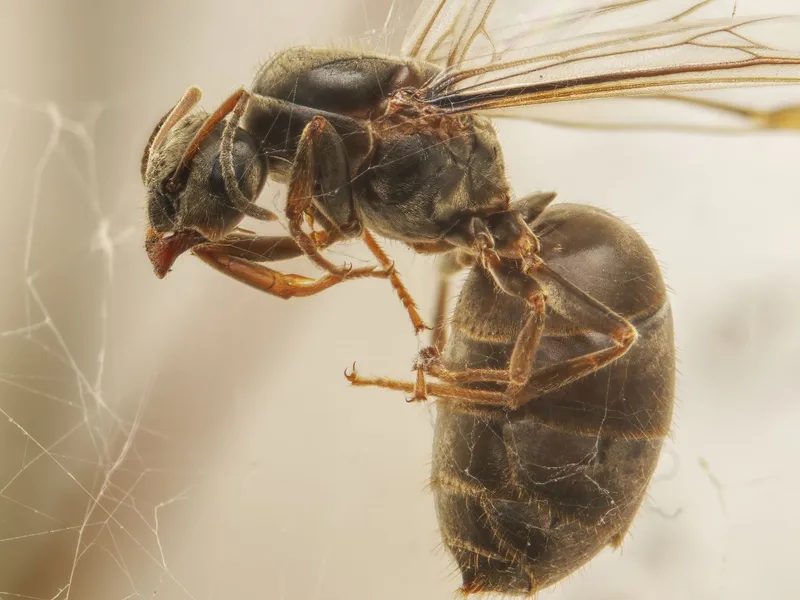
Winged ants
Winged ants appear twice yearly in Al Rawabi, signalling rapid colony growth, and fast action is essential before new swarms establish separate nests in nearby buildings.
How we work
-
1
Inspect and follow the trail
We follow the line from where you see it to where it enters, and establish the species, what it is feeding on and the moisture keeping the nest close.
-
2
Matched bait placed on the trail
We choose the matrix from the feeding preference and place it on the trail itself, leaving the trail intact so the workers carry it to the queen and the brood.
-
3
Treat the perimeter and close the ways in
An external treatment at the wall base and the openings, and we point out the cracks, pipe entries and any branch touching the building.
-
4
The follow-up visit
We come back once the bait has worked through the nest, check the trail is gone, and look for a satellite nest if a new line has appeared.
What ant control includes
-

Following the trail to its source
Species, entry point and the direction of the nest, established before anything is applied.
-

Bait matched to the colony
Sugar or protein according to what the workers are carrying, placed on the trail rather than near it.
-

An external perimeter treatment
A band at the wall base and the outside openings, with the indoor trail left unsprayed so it keeps carrying bait.
-

Moisture points and entries
Condensate lines, sink surrounds, weep holes and pipe entries, which are what keeps a nest against the building.
-

Aftercare instructions
What not to wipe until the bait has been taken, what to cover, and when normal cleaning can resume.
-

A scheduled follow-up
A set date to check the nest and re-bait anywhere still active.
What is different about Al Jamiah Sub-Municipality
Al Jamiah sub municipality spans the older south of Jeddah. Planned districts such as Al Fayha, Al Thaghr and Madain Al Fahd sit beside crowded popular quarters like the Nazlahs and Al Quraiyat, and beside cleared or clearing land in Ghulail, Petromin and Al Thaalibah awaiting redevelopment. Apartment buildings stand close together above dense runs of shops and restaurants along Old Makkah Road and Prince Majid Road. Drainage in the popular quarters is ageing, humid air drifts in from the port and refinery side to the west, and the flat low lying ground holds rainwater in narrow streets.
Questions about this district
Does the ant come from the neighbour's shop or from inside my flat?
In Al Rawabi, ants typically arrive from the shop or from the neighbouring flat through shared cracks and communal pipes. We trace the trail and identify its starting point before any treatment begins.
Why do the ants return after we treat only the shop?
The nest may sit in the residential floor above the shop or in shared building walls. Full treatment covers the shop, the outside perimeter and every shared entrance, not just one location.
Do we need to close the shop during treatment?
No, bait treatment is safe and placed in defined spots beyond customer reach, but avoid cleaning the shop for 48 hours after baiting to allow the ants to carry the bait back to the nest.
The ants I see in the flat differ from those in the shop. Are they different species?
Possibly, but more often they are the same species at different times of day. One species may search for sugar at night and for grease in the morning, so they appear different but behave according to the same daily pattern.
Is treatment safe for children in the flat above the shop?
The bait used is safe for children and pets, although we recommend keeping very young children away from bait placements on the first day while the ants begin to carry it back.
How many times must treatment be repeated in large apartment buildings?
The first visit controls the current infestation, and we return to monitor and rebait after three to four weeks to eliminate new generations emerging from the brood.
How much does ant control in Al Rawabi cost?
It is set after the inspection, because the price follows the type of infestation, the size of the space, how far it has spread and the number of visits it needs. Send a photo and a description on WhatsApp and we will give you an estimate before we reach Al Rawabi.
Nearby districts we cover
Other services in Al Rawabi
Other services we provide to residents of Al Rawabi.
-
 Residential
Cockroach control
Residential
Cockroach control
-
 Residential
Bed bug control
Residential
Bed bug control
-
 Residential
Termite control
Residential
Termite control
-
 Residential
Rodents and mice
Residential
Rodents and mice
-
 Residential
Mosquito control
Residential
Mosquito control
-
 Residential
Fly control
Residential
Fly control
-
 Residential
Gecko control
Residential
Gecko control
-
 Residential
Scorpion control
Residential
Scorpion control
-
 Residential
Snake control
Residential
Snake control
-
 Residential
Flea control
Residential
Flea control
-
 Residential
Bird and pigeon control
Residential
Bird and pigeon control
-
 Residential
Preventive treatment
Residential
Preventive treatment
-
 Residential
Disinfection
Residential
Disinfection
-
 Commercial
Annual contracts
Commercial
Annual contracts
-
 Commercial
Restaurants and cafes
Commercial
Restaurants and cafes
-
 Commercial
Hotels and apartments
Commercial
Hotels and apartments
-
 Commercial
Warehouses and factories
Commercial
Warehouses and factories
-
 Commercial
Schools and nurseries
Commercial
Schools and nurseries
-
 Commercial
Retail and malls
Commercial
Retail and malls
-
 Commercial
Rest houses and farms
Commercial
Rest houses and farms
-
 Commercial
Fumigation
Commercial
Fumigation
-
 Water tanks
Water tank cleaning
Water tanks
Water tank cleaning
-
 Water tanks
Water tank sterilization
Water tanks
Water tank sterilization
-
 Water tanks
Water tank sealing
Water tanks
Water tank sealing
-
 Water tanks
Tank leak repair
Water tanks
Tank leak repair
Need ant control in Al Rawabi? Tell us what you saw and we will tell you what it needs
We reach Al Rawabi at a time we agree, and you get the full cost before we start.