
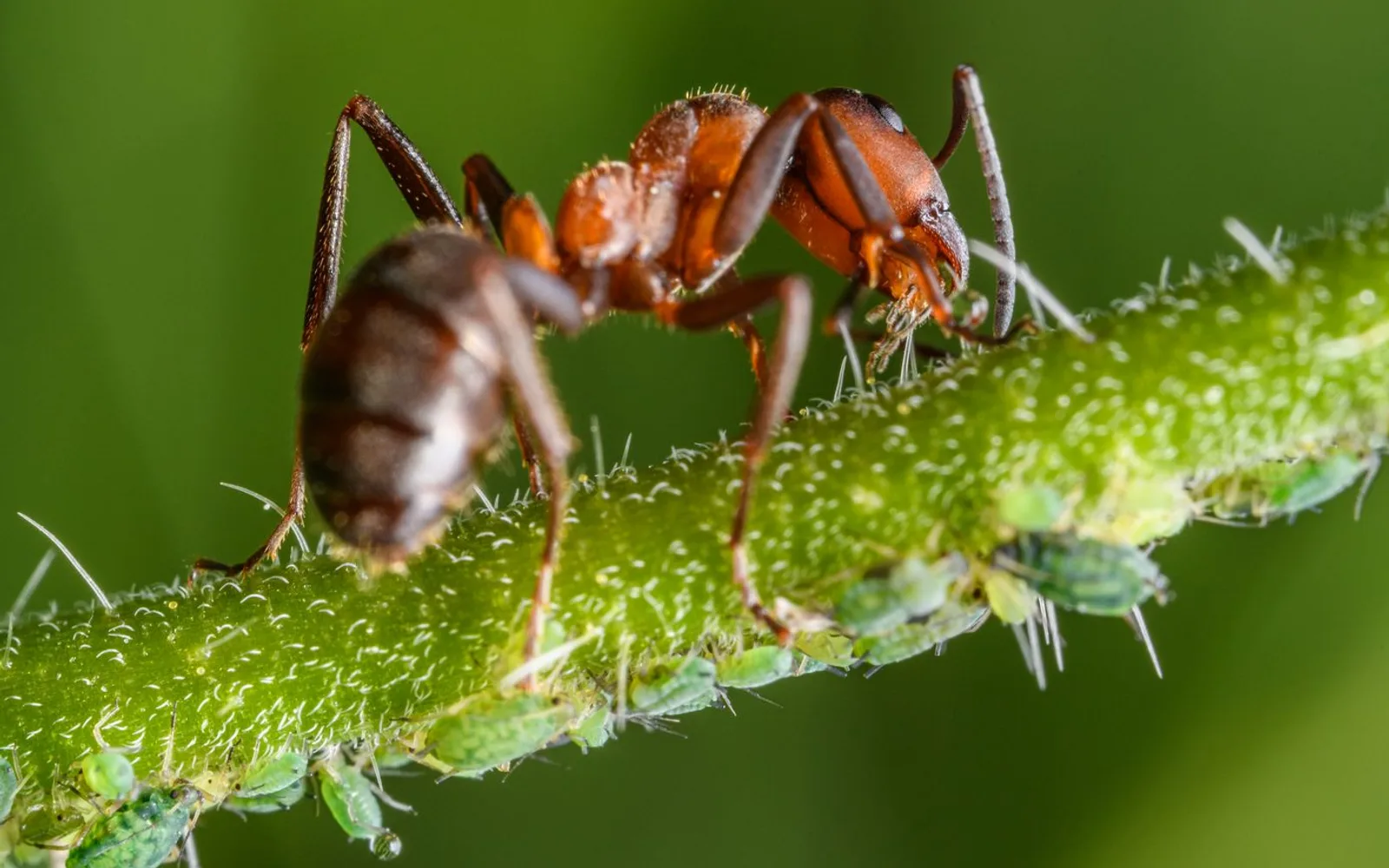
Ant control in Al Naseem Jeddah
Al Naseem stretches between Prince Majid Road and Haramain Road in central Jeddah, with villas and residential blocks along busy commercial streets. Older buildings served by worn pipework and the waste from restaurants and markets provide constant food and water for ants and cockroaches. Proximity to the sea raises humidity throughout the year, favouring larger and more vigorous colonies.
-
Targeted, not broadcast
Product goes into cracks and runways, never sprayed across open surfaces.
-
Told before we start
What we will use, where it goes, and what to cover or move before we arrive.
-
A follow-up visit
We return after the first treatment, because what survives it does not show on the day.
-
Homes and businesses
Apartments and villas, and kitchens and stores that need a record of each visit.
Why they keep coming back in Al Naseem
Ants move freely between flats, buildings and commercial basement areas through shared pipes and gaps, making isolation of any single unit very difficult. The method is set out in full on the full Ant control page.
Worn water and sewer systems
Pipework in older buildings has corroded and leaked with age. Water seeps around foundations and soil stays damp constantly. Old sewer systems provide open passages for ants to move between floors without obstacles or risk of exposure.
High density restaurants and markets on arterial streets
King Abdullah Street, Palestine Street and Bani Malik Street are packed with restaurants, supermarkets and shops. Waste, oils and grains provide constant food that attracts ants from distant neighbourhoods.
Old popular quarters and abandoned shops
The old quarters, car repair workshops and storage facilities create a complex environment. Accumulated waste and dampness from poor drainage provide shelter for both ants and rodents, often in the same cavities.
The character of Al Naseem
Mixed district: shops at street level with homes above them
The mixed nature means ants may originate from multiple sources in the same building: ground floor commercial spaces, residential flats, and shared pipes all supply food and water.
The species and the trail decide the bait
A central mixed district of older buildings on congested commercial streets. The concentration of restaurants, markets and commercial kitchens provides steady food sources that never dry up.
The sweet feeders
Sugars from shops and restaurants on commercial streets provide a constant food draw, and ants move from the shop straight to flats above.
The grease and protein feeders
Oils and fats from restaurants and commercial kitchens provide rich and varied feeding opportunities.
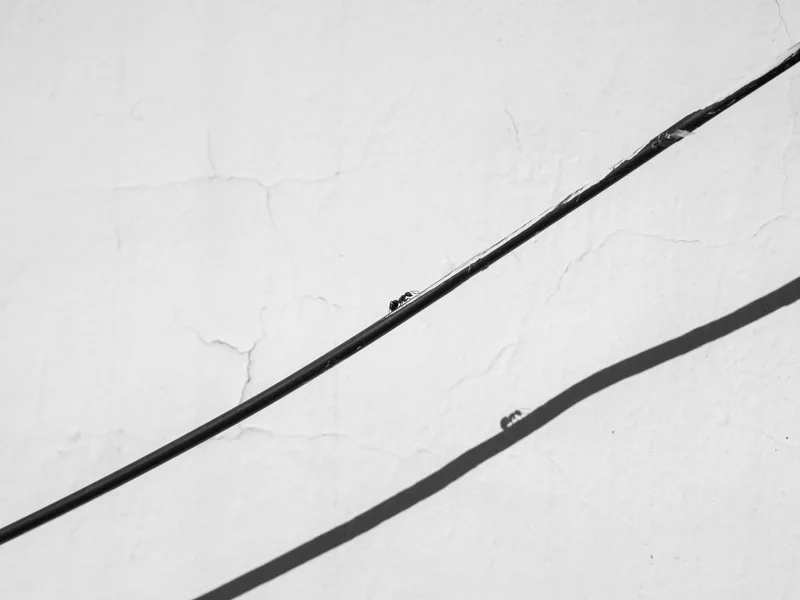
The trail and its direction
The trail may be vertical on shared pipes or horizontal through cavities in older buildings, and is often hard to track.
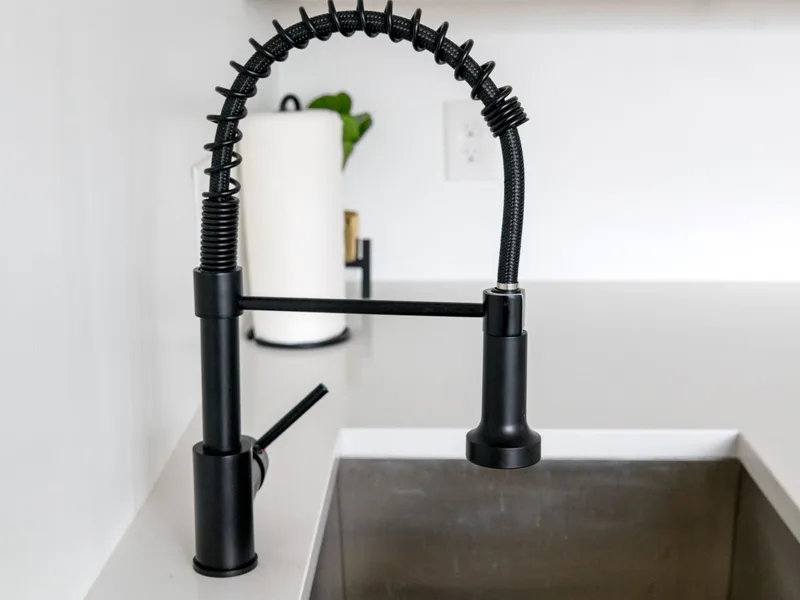
Moisture before food
Water from poor drainage and leaking pipes is constantly available, and nests establish easily around any leak.
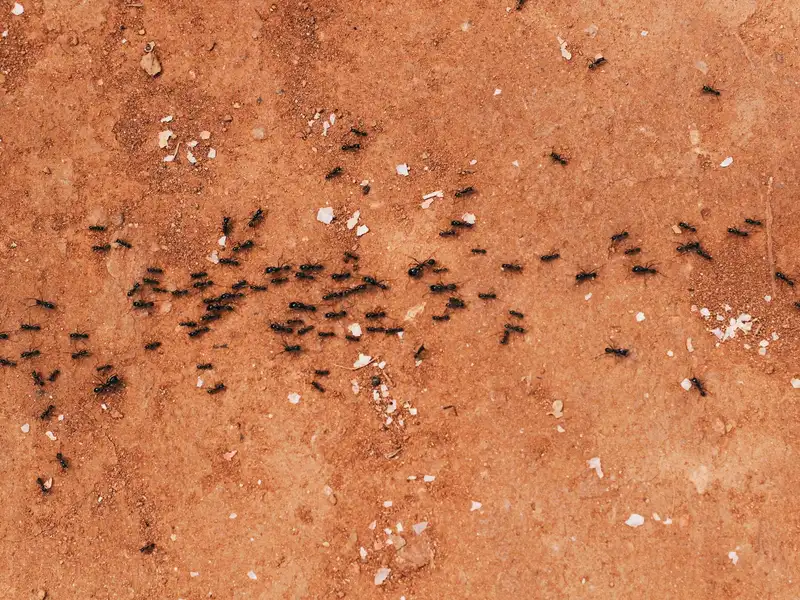
The nest outside the building
The nest may be in the pipes or building cavities, or may originate in the ground floor shop and spread upward to higher floors.
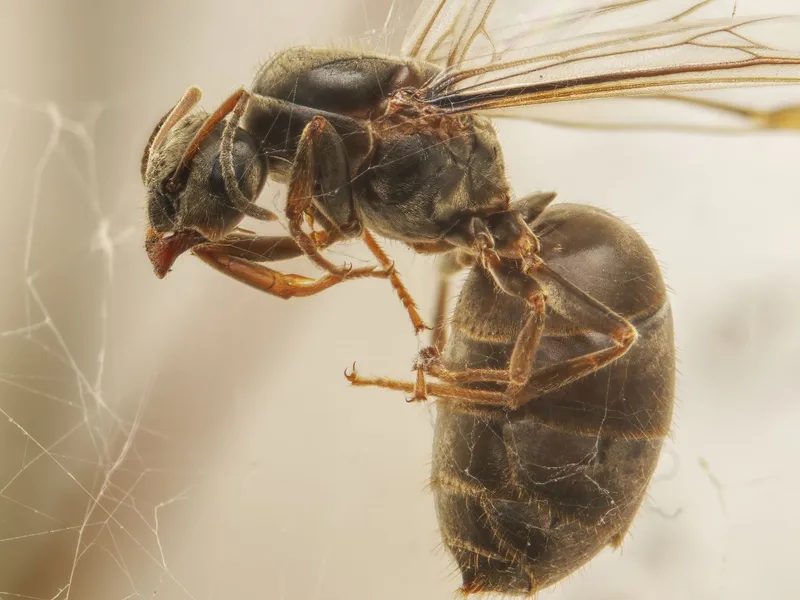
Winged ants
Winged ants appear in large numbers because pressure is continuous and colonies are large, mature and vigorous.
How we work
-
1
Inspect and follow the trail
We follow the line from where you see it to where it enters, and establish the species, what it is feeding on and the moisture keeping the nest close.
-
2
Matched bait placed on the trail
We choose the matrix from the feeding preference and place it on the trail itself, leaving the trail intact so the workers carry it to the queen and the brood.
-
3
Treat the perimeter and close the ways in
An external treatment at the wall base and the openings, and we point out the cracks, pipe entries and any branch touching the building.
-
4
The follow-up visit
We come back once the bait has worked through the nest, check the trail is gone, and look for a satellite nest if a new line has appeared.
What ant control includes
-

Following the trail to its source
Species, entry point and the direction of the nest, established before anything is applied.
-

Bait matched to the colony
Sugar or protein according to what the workers are carrying, placed on the trail rather than near it.
-

An external perimeter treatment
A band at the wall base and the outside openings, with the indoor trail left unsprayed so it keeps carrying bait.
-

Moisture points and entries
Condensate lines, sink surrounds, weep holes and pipe entries, which are what keeps a nest against the building.
-

Aftercare instructions
What not to wipe until the bait has been taken, what to cover, and when normal cleaning can resume.
-

A scheduled follow-up
A set date to check the nest and re-bait anywhere still active.
What is different about Al Sharafiyah Sub-Municipality
The Al Sharafiyah sub municipality runs across central Jeddah from Al Ruwais near the Corniche eastwards through Al Sharafiyah, Al Wurud and Bani Malik to Al Naseem at the Haramain Road. It was among the first areas to grow beyond the old wall, and it is dominated by dense apartment blocks over shops along King Fahd Road and Palestine Street, with old popular quarters, the Bani Malik market, car workshops and storerooms. Ageing buildings, worn drainage and the refuse of restaurants and markets make cockroaches and rodents the most persistent pests, and humidity rises towards the sea.
Questions about this district
Do ants move from a ground floor commercial space to the flat above?
Very easily, shared pipes connect the shop or restaurant below directly to flats above. Water and food are available in both spaces, and ants exploit the connection readily.
Why do ants return quickly to a flat after treatment?
The shop or restaurant below continues to generate food daily. Ants arrive from that source into the flat through shared pipes. Treating the shop and flat together is essential.
Does proximity to the sea increase humidity and ant numbers?
Yes, salt air and high humidity support ant growth. Constant moisture around foundations and pipes provides ideal conditions for rapid colony expansion.
Are residential blocks or commercial spaces more prone to ants?
Both, but for different reasons. Shops provide food, flats provide pantries and water from drainage. Ants come from the shop into the flat via shared infrastructure.
Is treating old popular quarters more difficult than the rest of the district?
Yes, informal construction and complex gaps make treatment harder. Ants may escape into crevices where spray cannot reach them, then recolonise slowly.
How many times yearly does the district require treatment?
We may need treatment every three to four months because pressure is continuous and food is always available from restaurants and markets.
How much does ant control in Al Naseem cost?
It is set after the inspection, because the price follows the type of infestation, the size of the space, how far it has spread and the number of visits it needs. Send a photo and a description on WhatsApp and we will give you an estimate before we reach Al Naseem.
Nearby districts we cover
Other services in Al Naseem
Other services we provide to residents of Al Naseem.
-
 Residential
Cockroach control
Residential
Cockroach control
-
 Residential
Bed bug control
Residential
Bed bug control
-
 Residential
Termite control
Residential
Termite control
-
 Residential
Rodents and mice
Residential
Rodents and mice
-
 Residential
Mosquito control
Residential
Mosquito control
-
 Residential
Fly control
Residential
Fly control
-
 Residential
Gecko control
Residential
Gecko control
-
 Residential
Scorpion control
Residential
Scorpion control
-
 Residential
Snake control
Residential
Snake control
-
 Residential
Flea control
Residential
Flea control
-
 Residential
Bird and pigeon control
Residential
Bird and pigeon control
-
 Residential
Preventive treatment
Residential
Preventive treatment
-
 Residential
Disinfection
Residential
Disinfection
-
 Commercial
Annual contracts
Commercial
Annual contracts
-
 Commercial
Restaurants and cafes
Commercial
Restaurants and cafes
-
 Commercial
Hotels and apartments
Commercial
Hotels and apartments
-
 Commercial
Warehouses and factories
Commercial
Warehouses and factories
-
 Commercial
Schools and nurseries
Commercial
Schools and nurseries
-
 Commercial
Retail and malls
Commercial
Retail and malls
-
 Commercial
Rest houses and farms
Commercial
Rest houses and farms
-
 Commercial
Fumigation
Commercial
Fumigation
-
 Water tanks
Water tank cleaning
Water tanks
Water tank cleaning
-
 Water tanks
Water tank sterilization
Water tanks
Water tank sterilization
-
 Water tanks
Water tank sealing
Water tanks
Water tank sealing
-
 Water tanks
Tank leak repair
Water tanks
Tank leak repair
Need ant control in Al Naseem? Tell us what you saw and we will tell you what it needs
We reach Al Naseem at a time we agree, and you get the full cost before we start.