
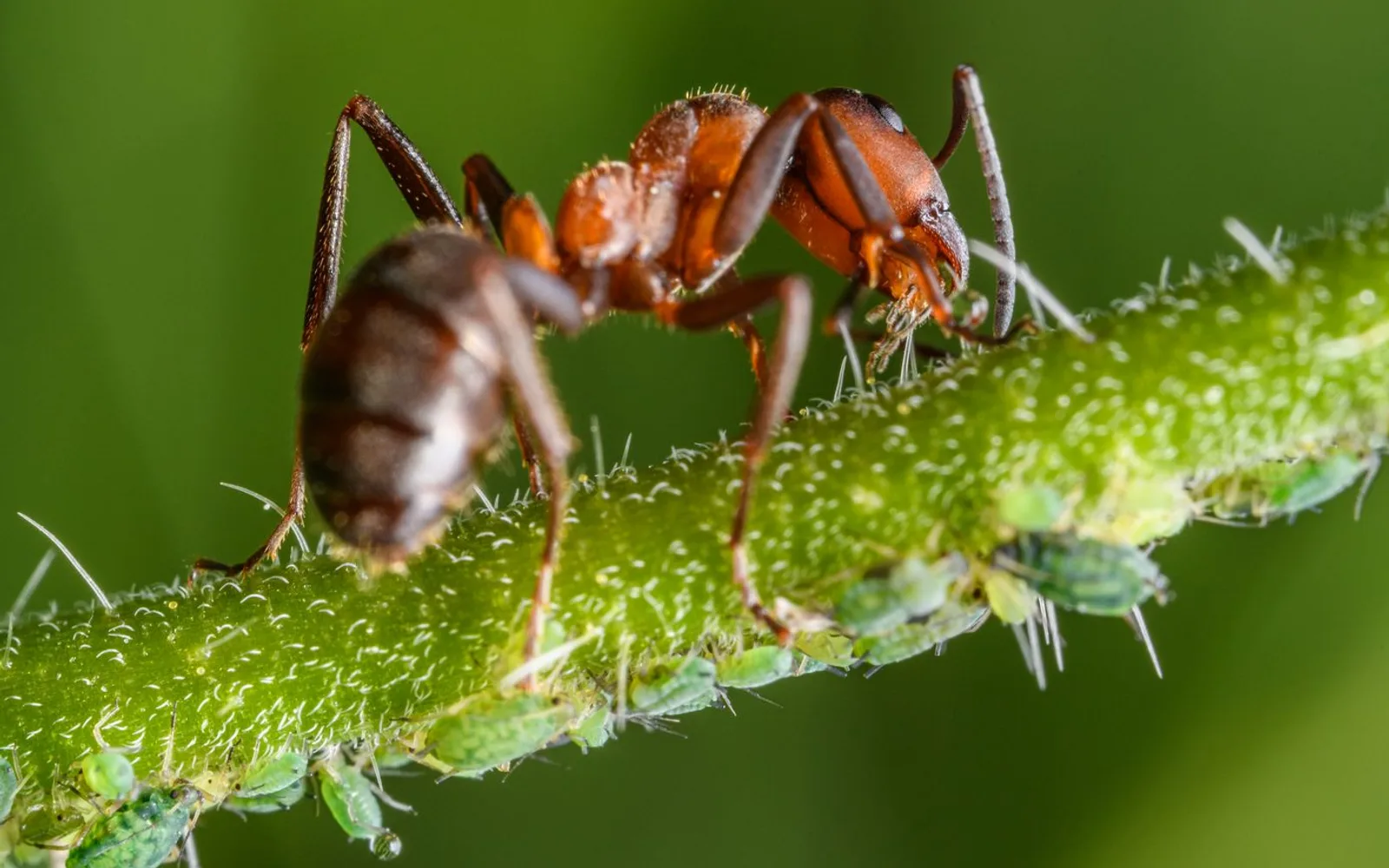
Ant control in Al Sharafiyah Jeddah
Al Sharafiyah is a dense commercial zone where shops, offices and storerooms draw ants for entirely different reasons than residential areas. The apartment blocks standing above ground-floor shops create complex ant trails between floors, requiring treatment that targets the specific layout of mixed commercial and residential use.
-
Targeted, not broadcast
Product goes into cracks and runways, never sprayed across open surfaces.
-
Told before we start
What we will use, where it goes, and what to cover or move before we arrive.
-
A follow-up visit
We return after the first treatment, because what survives it does not show on the day.
-
Homes and businesses
Apartments and villas, and kitchens and stores that need a record of each visit.
Why they keep coming back in Al Sharafiyah
Ground-floor shops show ant activity entirely unlike the residential flats above them, with food sources varying from one shop to the next and trails taking different paths upwards depending on the business type. The method is set out in full on how we approach Ant control.
Shops below homes alter the trail entirely
Ants enter through shop openings on the ground floor and then climb into the residential flats above via gaps and pipes. Treating the ground floor and the spaces between storeys together is the only way to stop them climbing. Leaving either level untreated means the ants simply bypass the treated one.
Every shop attracts a different food source
A furniture shop draws different ants from a food shop, a shipping office differs from a storage yard, and the bait that works in one may fail in the next. Each shop needs its own diagnosis because the species and the food source determine which bait will be carried back to the queen.
Old pipes leak moisture between the storeys
Pipes running between floors are often old and leak. Moisture seeking ants trace these leaks upward and downward throughout the building. Controlling moisture first is essential before any bait will be carried to the nest instead of consumed at the source.
The character of Al Sharafiyah
Commercial area: offices, showrooms and small stores
Shops, storerooms and offices create multiple and complex ant routes. Ants seek different food sources in each business, so treatment must concentrate on the many entry points along King Fahd Road and within each shop, plus the gaps between commercial and residential floors that connect them.
The species and the trail decide the bait
King Fahd Road's main traffic and the intense commercial movement concentrate food waste and water leaks throughout the shops and storerooms. Gaps between the commercial units and the apartments above provide ideal ant corridors between levels.
The sweet feeders
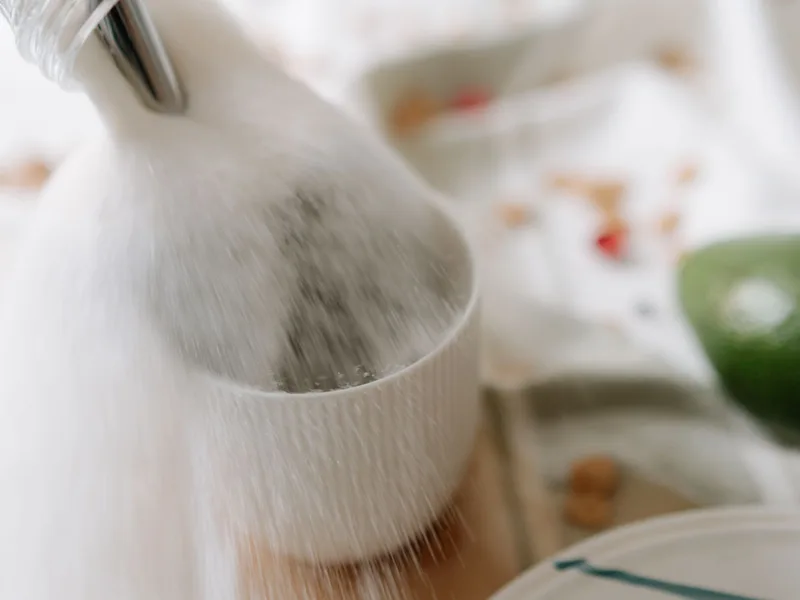
Sugar-seeking ants in Al Sharafiyah shops are drawn to food waste and drinks debris left in corners and under units, where crumbs and syrup residue accumulate from daily trade.
The grease and protein feeders
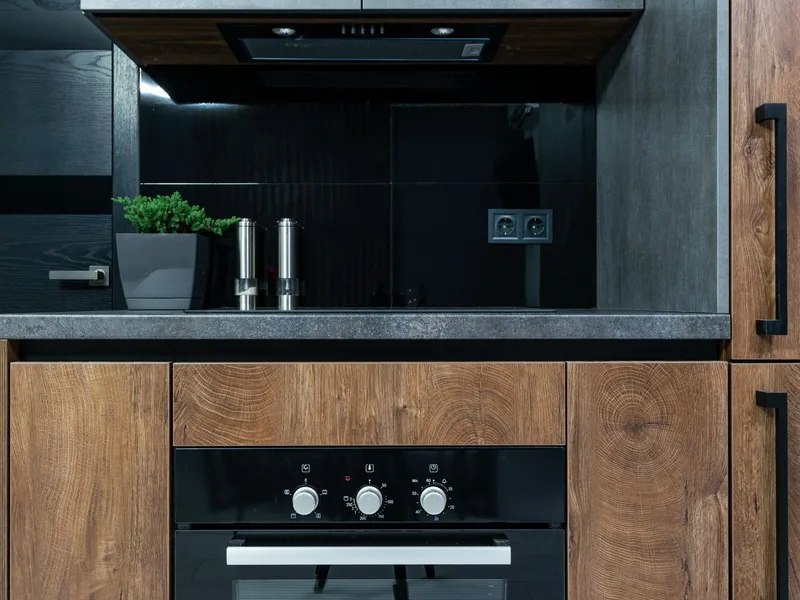
Grease-seeking ants find oils and fats in food shops and cafes, and moisture collects from water used in cleaning floors and preparing food throughout the day.
The trail and its direction
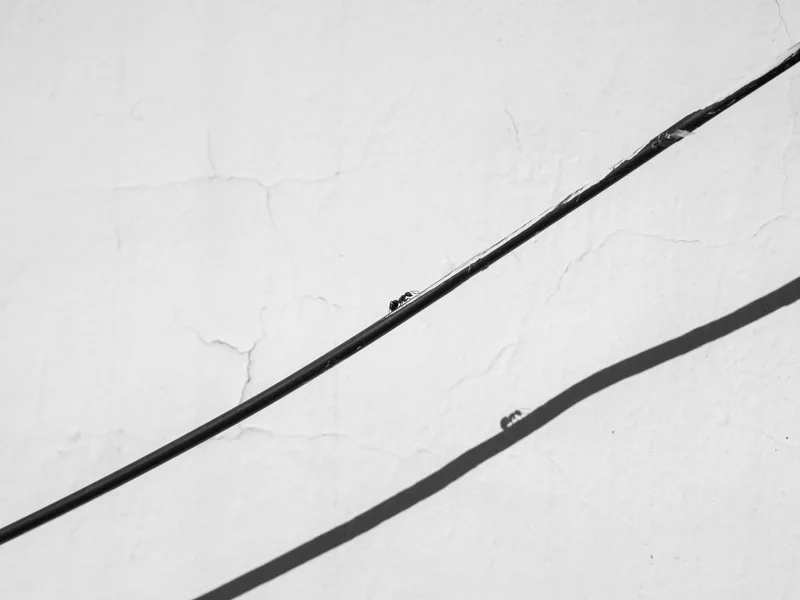
The trail starts at shop doors or windows and climbs pipes and cable runs toward the upper floors, heading for the gaps between walls and floors where the nest can be accessed.
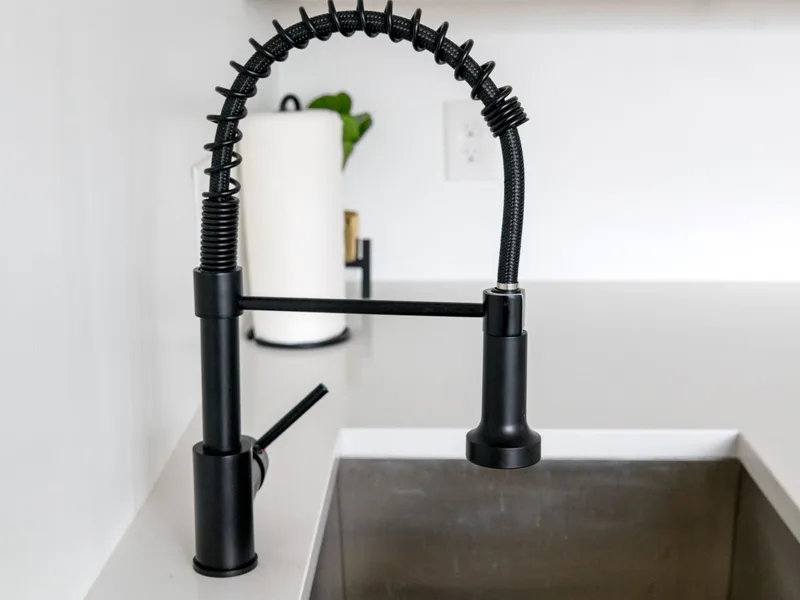
Moisture before food
Moisture in old pipes and leaks beneath floor slabs draw ants before food search begins; drying routes and repairing leaks are a necessary part of holding control.
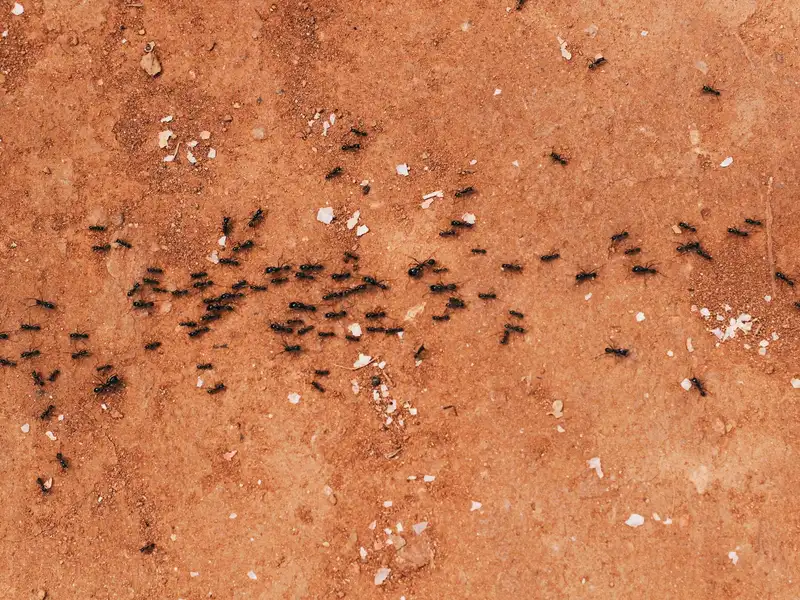
The nest outside the building
Nests usually sit outside the building in foundation gaps or soil around the base, or in the intermediate storeys between commercial and residential floors where pressure and food access allow the colony to thrive.
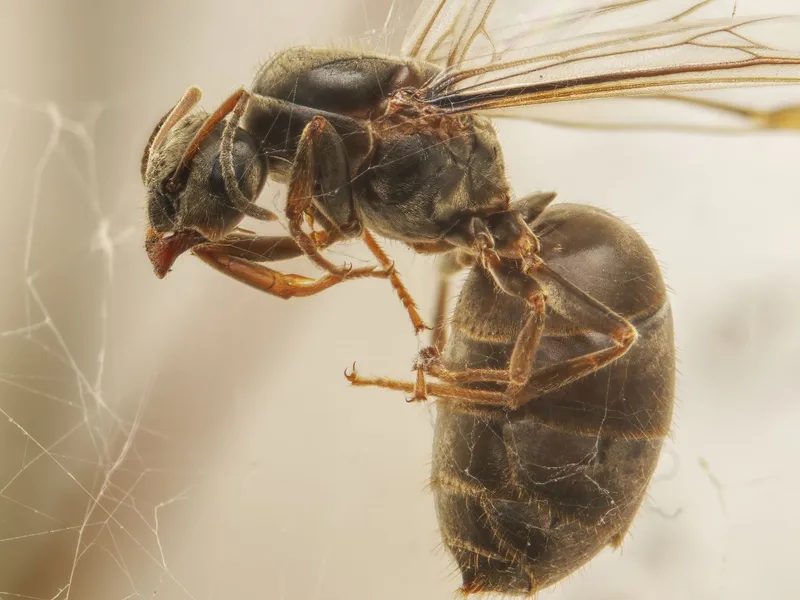
Winged ants
Winged ants appear in breeding season and are more visible in shops because continuous lighting and heat speed up the reproductive cycle and make mating flights occur earlier and more often.
How we work
-
1
Inspect and follow the trail
We follow the line from where you see it to where it enters, and establish the species, what it is feeding on and the moisture keeping the nest close.
-
2
Matched bait placed on the trail
We choose the matrix from the feeding preference and place it on the trail itself, leaving the trail intact so the workers carry it to the queen and the brood.
-
3
Treat the perimeter and close the ways in
An external treatment at the wall base and the openings, and we point out the cracks, pipe entries and any branch touching the building.
-
4
The follow-up visit
We come back once the bait has worked through the nest, check the trail is gone, and look for a satellite nest if a new line has appeared.
What ant control includes
-

Following the trail to its source
Species, entry point and the direction of the nest, established before anything is applied.
-

Bait matched to the colony
Sugar or protein according to what the workers are carrying, placed on the trail rather than near it.
-

An external perimeter treatment
A band at the wall base and the outside openings, with the indoor trail left unsprayed so it keeps carrying bait.
-

Moisture points and entries
Condensate lines, sink surrounds, weep holes and pipe entries, which are what keeps a nest against the building.
-

Aftercare instructions
What not to wipe until the bait has been taken, what to cover, and when normal cleaning can resume.
-

A scheduled follow-up
A set date to check the nest and re-bait anywhere still active.
Landmarks of Al Sharafiyah
Treatment in Al Sharafiyah begins by tracing ants from entry points on King Fahd Road and at shop fronts, then through the gaps between residential and commercial storeys. Work close to the King Saud Mosque and Dr Bakhsh Hospital requires extra precautions for the safety of worshippers and patients using these major facilities.
- King Fahd Road
- King Saud Mosque
- Dr Bakhsh Hospital
- Khalid ibn Al Walid Street
- Othman ibn Affan Street
- University of Jeddah (Al Sharafiyah campus)
Questions about this district
If I treat my shop alone will ants stop, or must the flat above be treated?
Shop and flat are one connected system. If you treat your shop only, ants will drop down from the flat above, or climb up from the flat below. Effective control covers the ground floor, the gaps between storeys and the residential units together in one plan.
Why does a food shop next to a clothing shop have far more ants?
The food source is the primary driver. A food shop draws sugar and protein-seeking ants because their waste is what the colony needs to feed the brood. A clothing shop nearby may see ants too, but fewer and of a type drawn by different cues.
Do water leaks from the ground floor travel upward carrying ants with them?
Leaks and moisture draw the moisture-seeking ant before food ever comes into play. Ants trace dampness upward through pipes and cracks throughout the building. Addressing the leak is part of the solution, because if moisture is the first attraction, the colony will nest close to it.
Can the spaces under the ground floor tiles be treated in a commercial building?
Spaces under tiles are hard to reach but necessary. We use specialist baits inserted through cracks and existing openings. Whether it is possible depends on the building's structure and the access points available.
Must I coordinate treatment with the neighbouring shop owner?
Co-operation helps greatly. Ants move from shop to shop through shared openings and gaps between units. If only one shop is treated, ants will cross from the untreated shop next door, and your control will fail.
How much more often does a shop need retreatment compared to a home?
Shops see constant movement, continuous door opening and closing, and a stream of goods in and out. Retreatment cycles may be faster than a home because the constant activity brings new entry routes and fresh food sources the ants can exploit.
How much does ant control in Al Sharafiyah cost?
It is set after the inspection, because the price follows the type of infestation, the size of the space, how far it has spread and the number of visits it needs. Send a photo and a description on WhatsApp and we will give you an estimate before we reach Al Sharafiyah.
Nearby districts we cover
Other services in Al Sharafiyah
Other services we provide to residents of Al Sharafiyah.
-
 Residential
Cockroach control
Residential
Cockroach control
-
 Residential
Bed bug control
Residential
Bed bug control
-
 Residential
Termite control
Residential
Termite control
-
 Residential
Rodents and mice
Residential
Rodents and mice
-
 Residential
Mosquito control
Residential
Mosquito control
-
 Residential
Fly control
Residential
Fly control
-
 Residential
Gecko control
Residential
Gecko control
-
 Residential
Scorpion control
Residential
Scorpion control
-
 Residential
Snake control
Residential
Snake control
-
 Residential
Flea control
Residential
Flea control
-
 Residential
Bird and pigeon control
Residential
Bird and pigeon control
-
 Residential
Preventive treatment
Residential
Preventive treatment
-
 Residential
Disinfection
Residential
Disinfection
-
 Commercial
Annual contracts
Commercial
Annual contracts
-
 Commercial
Restaurants and cafes
Commercial
Restaurants and cafes
-
 Commercial
Hotels and apartments
Commercial
Hotels and apartments
-
 Commercial
Warehouses and factories
Commercial
Warehouses and factories
-
 Commercial
Schools and nurseries
Commercial
Schools and nurseries
-
 Commercial
Retail and malls
Commercial
Retail and malls
-
 Commercial
Rest houses and farms
Commercial
Rest houses and farms
-
 Commercial
Fumigation
Commercial
Fumigation
-
 Water tanks
Water tank cleaning
Water tanks
Water tank cleaning
-
 Water tanks
Water tank sterilization
Water tanks
Water tank sterilization
-
 Water tanks
Water tank sealing
Water tanks
Water tank sealing
-
 Water tanks
Tank leak repair
Water tanks
Tank leak repair
Need ant control in Al Sharafiyah? Tell us what you saw and we will tell you what it needs
We reach Al Sharafiyah at a time we agree, and you get the full cost before we start.