
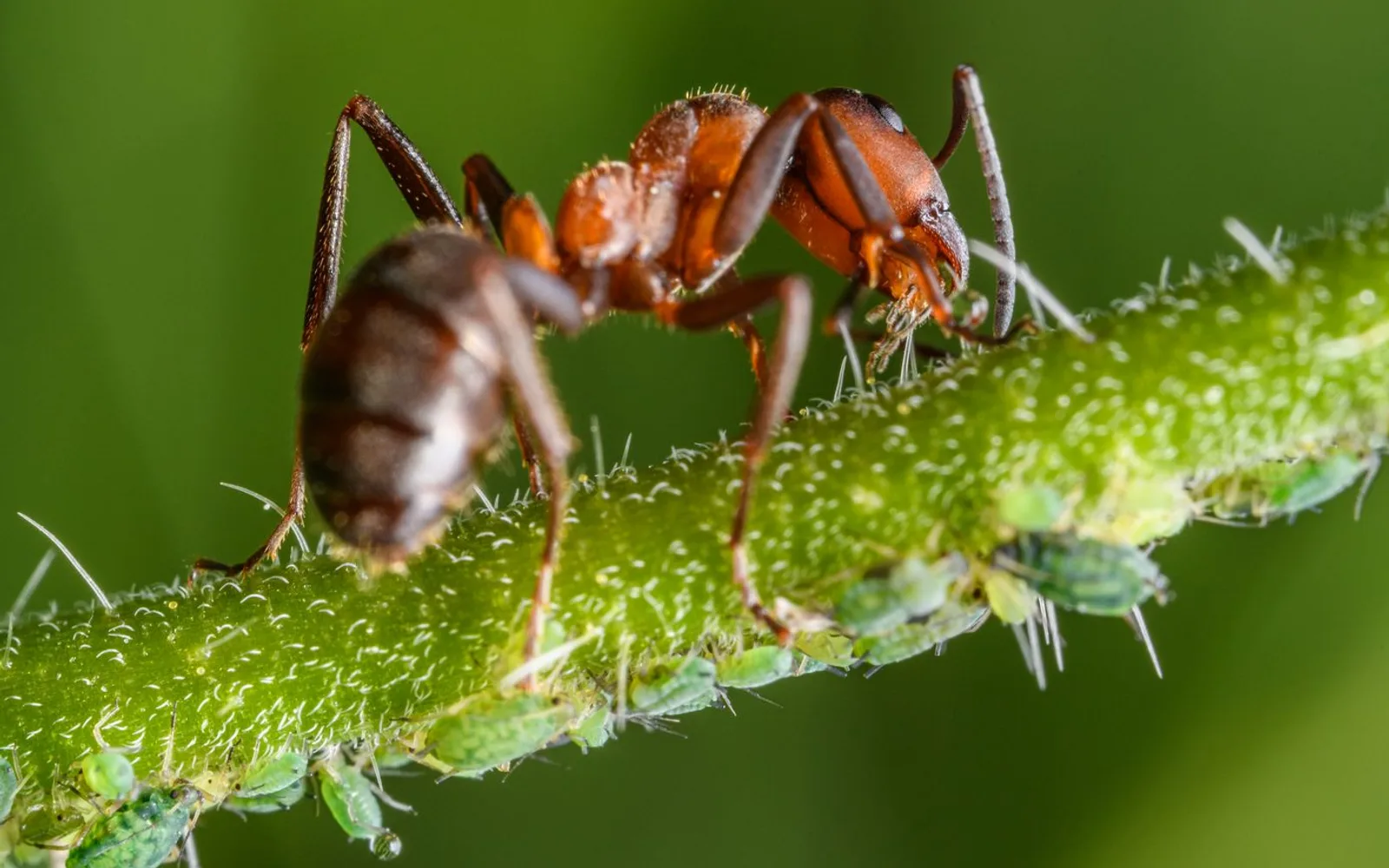
Ant control in Al Nazlah Al Yamaniyah Jeddah
Al Nazlah Al Yamaniyah is a crowded old quarter in south eastern Jeddah centred on Khuzam Palace, blending newer apartment blocks with surviving traditional Hijazi houses. Dense population, concentrations of restaurants and shops along King Khalid Street and heavy foot traffic mean ants spread rapidly and persistently through this busy residential zone.
-
Targeted, not broadcast
Product goes into cracks and runways, never sprayed across open surfaces.
-
Told before we start
What we will use, where it goes, and what to cover or move before we arrive.
-
A follow-up visit
We return after the first treatment, because what survives it does not show on the day.
-
Homes and businesses
Apartments and villas, and kitchens and stores that need a record of each visit.
Why they keep coming back in Al Nazlah Al Yamaniyah
The quarter attracts tourists and Umrah visitors with heavy concentration of restaurants and shops, meaning food scraps and debris accumulate visibly, dampness persists, and the ant population cycles through large numbers during tourist seasons and remains significant year round. The method is set out in full on Ant control in detail.
High resident and visitor density feeds ants year round
The quarter is packed with residents and visitors, and concentrated restaurants and shops mean food scraps litter streets and buildings constantly. Ants find abundant food at every building entrance, beneath doorsteps and around cooking areas.
Old houses beside modern blocks create complex ant highways
Traditional Hijazi houses stand immediately beside newer apartment buildings sharing foundations and walls. Ants move freely between old structures and new ones through underground passages, making the entire quarter an interconnected ant habitat.
The commercial street attracts ants from outside sources
King Khalid Street draws visitors and Umrah pilgrims carrying food and droppings with them, and restaurants and shops provide wet conditions and permanent food. Ants from the street spread readily into neighbouring homes and buildings.
Landmarks of Al Nazlah Al Yamaniyah
Treatment in Al Nazlah organises itself around King Khalid Street where shops and restaurants concentrate, and extends into Khuzam Palace and its surrounding square where the largest colonies nest beneath pavements and open spaces surrounding this historic site.
- Khuzam Palace (Jeddah Regional Museum)
- King Khalid Street
- King Saud Mosque near Khuzam
- Al Shams Al Mushriqa Street
The species and the trail decide the bait
Population density is very high with old houses standing beside newer apartment buildings, aged water and sewer networks in older sections, and shopping centres, restaurants and cafes concentrating along King Khalid Street where foot traffic is constant.
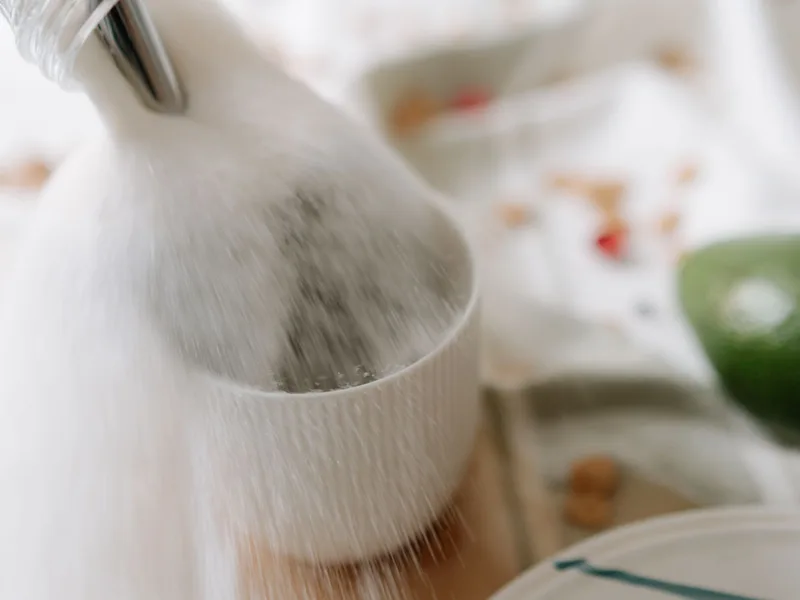
The sweet feeders
Sweet feeding ants in Al Nazlah are heavily attracted to restaurants, shops and cafes concentrated along King Khalid Street.
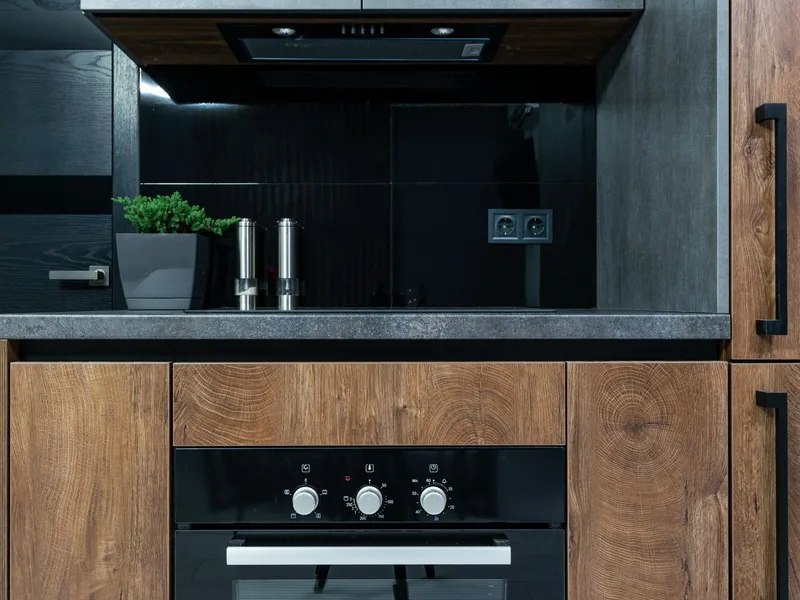
The grease and protein feeders
Protein and grease feeders thrive on waste in kitchens, on busy streets and in the numerous commercial spaces throughout the quarter.
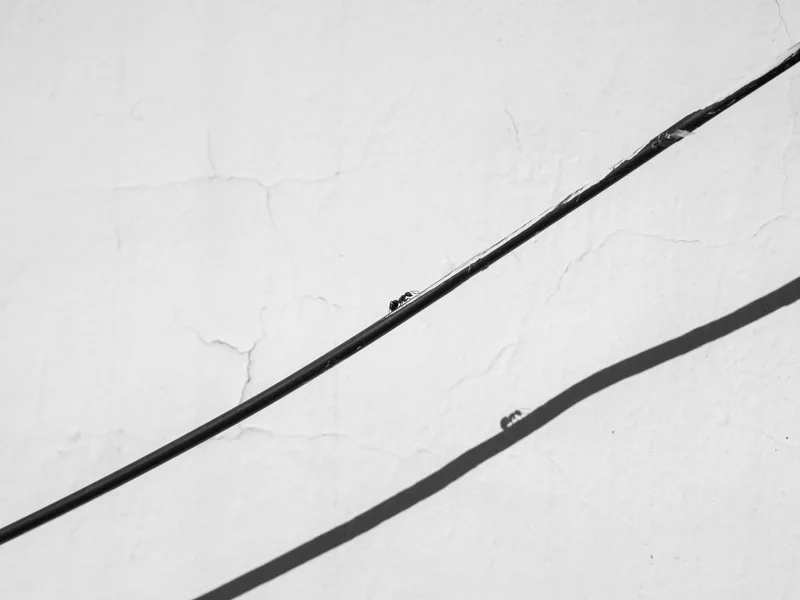
The trail and its direction
The trail system here is complex, linking restaurants and streets to buildings and homes through shared foundations and underground passages.
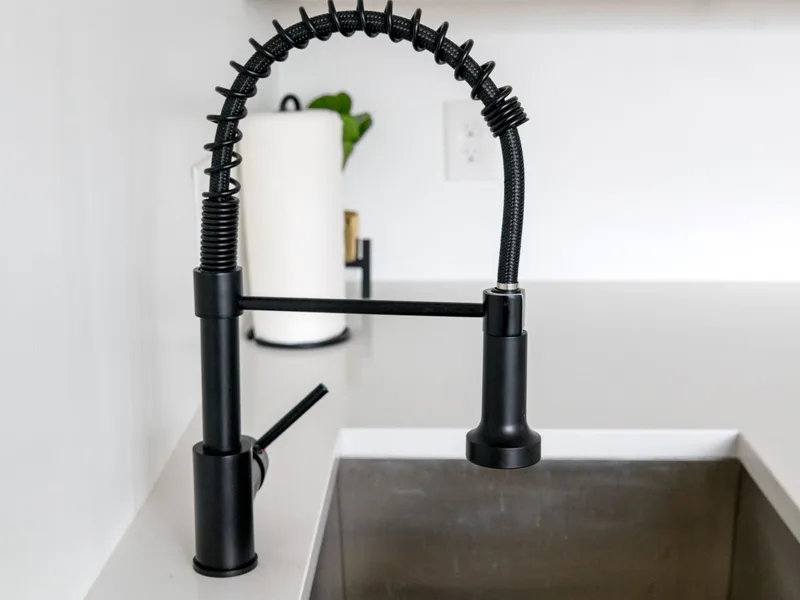
Moisture before food
Dampness from aged drains and busy kitchens and heavy use keeps the quarter permanently wet, providing ideal conditions before any food source is sought.
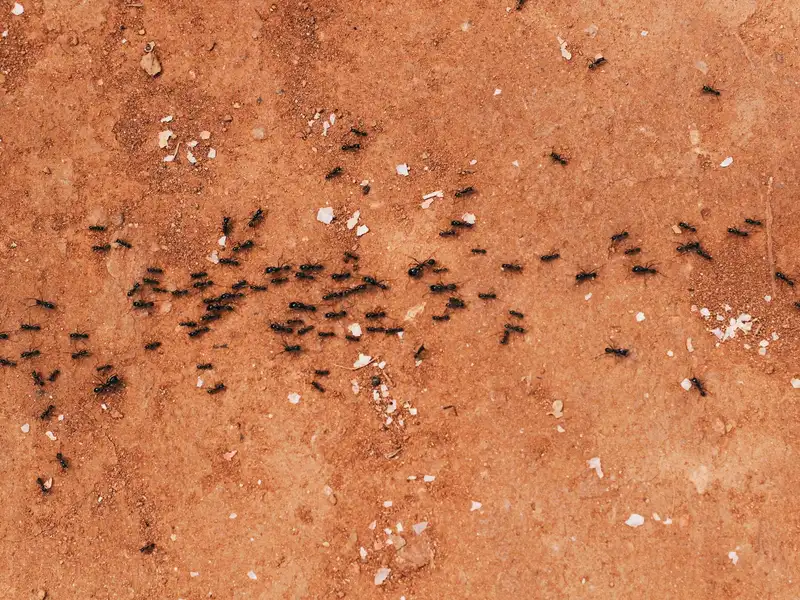
The nest outside the building
The nest outside sits beneath streets and pavements, in restaurant kitchens, and in the adjoining residential buildings that share foundations.
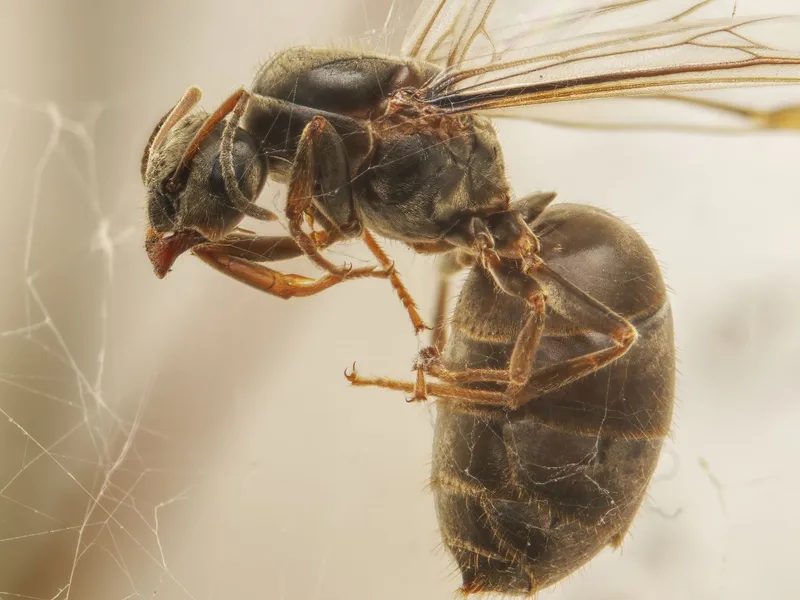
Winged ants
Winged ants emerge in significant numbers from large colonies in restaurants and commercial spaces that benefit from constant food and stable wet conditions.
How we work
-
1
Inspect and follow the trail
We follow the line from where you see it to where it enters, and establish the species, what it is feeding on and the moisture keeping the nest close.
-
2
Matched bait placed on the trail
We choose the matrix from the feeding preference and place it on the trail itself, leaving the trail intact so the workers carry it to the queen and the brood.
-
3
Treat the perimeter and close the ways in
An external treatment at the wall base and the openings, and we point out the cracks, pipe entries and any branch touching the building.
-
4
The follow-up visit
We come back once the bait has worked through the nest, check the trail is gone, and look for a satellite nest if a new line has appeared.
What ant control includes
-

Following the trail to its source
Species, entry point and the direction of the nest, established before anything is applied.
-

Bait matched to the colony
Sugar or protein according to what the workers are carrying, placed on the trail rather than near it.
-

An external perimeter treatment
A band at the wall base and the outside openings, with the indoor trail left unsprayed so it keeps carrying bait.
-

Moisture points and entries
Condensate lines, sink surrounds, weep holes and pipe entries, which are what keeps a nest against the building.
-

Aftercare instructions
What not to wipe until the bait has been taken, what to cover, and when normal cleaning can resume.
-

A scheduled follow-up
A set date to check the nest and re-bait anywhere still active.
What is different about Al Jamiah Sub-Municipality
Al Jamiah sub municipality spans the older south of Jeddah. Planned districts such as Al Fayha, Al Thaghr and Madain Al Fahd sit beside crowded popular quarters like the Nazlahs and Al Quraiyat, and beside cleared or clearing land in Ghulail, Petromin and Al Thaalibah awaiting redevelopment. Apartment buildings stand close together above dense runs of shops and restaurants along Old Makkah Road and Prince Majid Road. Drainage in the popular quarters is ageing, humid air drifts in from the port and refinery side to the west, and the flat low lying ground holds rainwater in narrow streets.
Questions about this district
Does population density in Al Nazlah make ant problems worse than elsewhere?
Yes substantially, high resident density and numerous restaurants provide unlimited food supply year round. Compared to less dense quarters, ant numbers here remain elevated and problematic across all seasons.
Is treating a single house enough to stop ants in this crowded quarter?
No, in a dense quarter ants arrive constantly from streets, neighbouring buildings and restaurants. Treating one home reduces numbers temporarily but ants return from outside the property within days or weeks.
Are restaurants and shops along King Khalid Street the cause of home ant problems?
Yes directly, restaurants provide unlimited food and ants nest under their flooring. The street has heavy foot traffic, food litter and debris, and ants move easily from the commercial area into nearby residential buildings.
Are the old Hijazi houses in Al Nazlah more vulnerable to ants than newer blocks?
Old houses have more cracks and voids but newer apartment blocks beside them share the same foundations. Both are equally vulnerable because ants move between old and new structures underground with ease.
Does Hajj and Umrah season increase ant problems in this quarter?
Yes noticeably, visitors arrive with food and waste accumulates in streets and restaurants. Dampness from busy kitchens and heavy use create ideal wet conditions where ants thrive and multiply rapidly.
If we treat our flat and the shop below will ants stop coming from the street?
Treating both the flat and shop stops ants from within that building, but ants may still arrive from the street and neighbouring buildings in a quarter where the whole environment is infested and supports continuous nesting.
How much does ant control in Al Nazlah Al Yamaniyah cost?
It is set after the inspection, because the price follows the type of infestation, the size of the space, how far it has spread and the number of visits it needs. Send a photo and a description on WhatsApp and we will give you an estimate before we reach Al Nazlah Al Yamaniyah.
Nearby districts we cover
Other services in Al Nazlah Al Yamaniyah
Other services we provide to residents of Al Nazlah Al Yamaniyah.
-
 Residential
Cockroach control
Residential
Cockroach control
-
 Residential
Bed bug control
Residential
Bed bug control
-
 Residential
Termite control
Residential
Termite control
-
 Residential
Rodents and mice
Residential
Rodents and mice
-
 Residential
Mosquito control
Residential
Mosquito control
-
 Residential
Fly control
Residential
Fly control
-
 Residential
Gecko control
Residential
Gecko control
-
 Residential
Scorpion control
Residential
Scorpion control
-
 Residential
Snake control
Residential
Snake control
-
 Residential
Flea control
Residential
Flea control
-
 Residential
Bird and pigeon control
Residential
Bird and pigeon control
-
 Residential
Preventive treatment
Residential
Preventive treatment
-
 Residential
Disinfection
Residential
Disinfection
-
 Commercial
Annual contracts
Commercial
Annual contracts
-
 Commercial
Restaurants and cafes
Commercial
Restaurants and cafes
-
 Commercial
Hotels and apartments
Commercial
Hotels and apartments
-
 Commercial
Warehouses and factories
Commercial
Warehouses and factories
-
 Commercial
Schools and nurseries
Commercial
Schools and nurseries
-
 Commercial
Retail and malls
Commercial
Retail and malls
-
 Commercial
Rest houses and farms
Commercial
Rest houses and farms
-
 Commercial
Fumigation
Commercial
Fumigation
-
 Water tanks
Water tank cleaning
Water tanks
Water tank cleaning
-
 Water tanks
Water tank sterilization
Water tanks
Water tank sterilization
-
 Water tanks
Water tank sealing
Water tanks
Water tank sealing
-
 Water tanks
Tank leak repair
Water tanks
Tank leak repair
Need ant control in Al Nazlah Al Yamaniyah? Tell us what you saw and we will tell you what it needs
We reach Al Nazlah Al Yamaniyah at a time we agree, and you get the full cost before we start.