
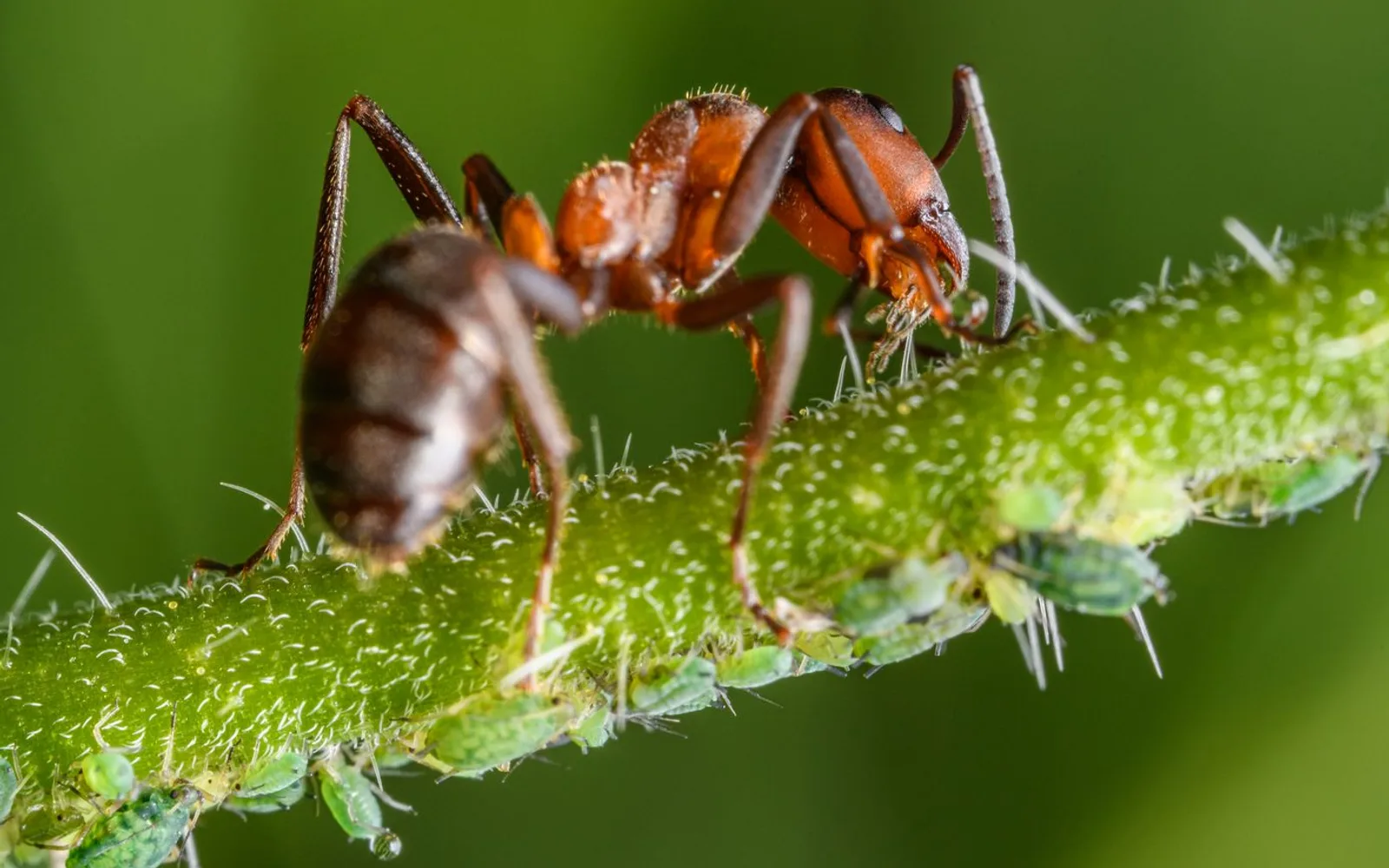
Ant control in Al Salihiyah Jeddah
Al Salihiyah is a developing district north of Jeddah where building work continues and vacant plots separate new villas and apartments. Exposed soil and ongoing excavations bring ant species that simply do not exist in completed quarters. This requires preventive treatment started early, before ants become established, and before the soil is sealed by final landscaping.
-
Targeted, not broadcast
Product goes into cracks and runways, never sprayed across open surfaces.
-
Told before we start
What we will use, where it goes, and what to cover or move before we arrive.
-
A follow-up visit
We return after the first treatment, because what survives it does not show on the day.
-
Homes and businesses
Apartments and villas, and kitchens and stores that need a record of each visit.
Why they keep coming back in Al Salihiyah
In Al Salihiyah ants arrive in waves tied to building phases. New excavations stir ants from deeper soil layers, and newly completed villas show ant activity immediately after building work ends because the soil disturbance has exposed deep nests. The method is set out in full on Ant control in detail.
Excavations disturb ants deep in old soil layers
Digging for infrastructure and building foundations breaks old soil layers where ancient ant nests lie dormant. Disturbed ants search for new homes. New villas and surrounding areas become natural targets for this displaced population. The more excavation, the more ants seek refuge in the nearest buildings.
New foundations are still too shallow to resist
New villa foundations are recent and often shallow. They provide little natural protection against ants moving up from surrounding soil. Ants enter easily from exposed earth directly adjacent to the villa. As the building settles, fine cracks appear through which ants pass freely.
Vacant plots remain an endless ant source
White plots between buildings stay untreated and remain a continuous ant source. If you treat your villa but the empty land next to it is not treated, ants simply re-enter from that source. Each vacant plot is a permanent reservoir of foraging ants searching for food in nearby homes.
The character of Al Salihiyah
New development: ongoing construction and vacant plots between the homes
New development means vacant plots, ongoing excavations and exposed soil stirring ants from depth. Treatment here is preventive first and foremost, concentrating on protecting new foundations and surrounding soil before ants can migrate in from disturbed layers during digging and building work.
The species and the trail decide the bait
The district is still under construction. Vacant white plots lie between buildings and excavations continue for new infrastructure. Exposed soil attracts ants from deep layers. New villa foundations are recent and not yet deep or mature enough to resist ant entry from surrounding soil.
The sweet feeders
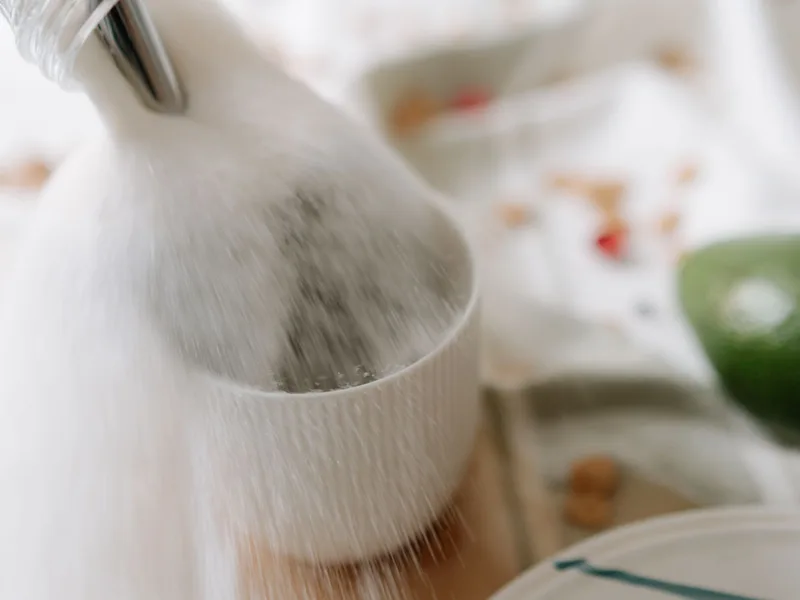
Sugar-seeking ants are drawn to building debris and stored food in new villas, especially if the villa is near vacant plots that have never been treated or landscaped.
The grease and protein feeders
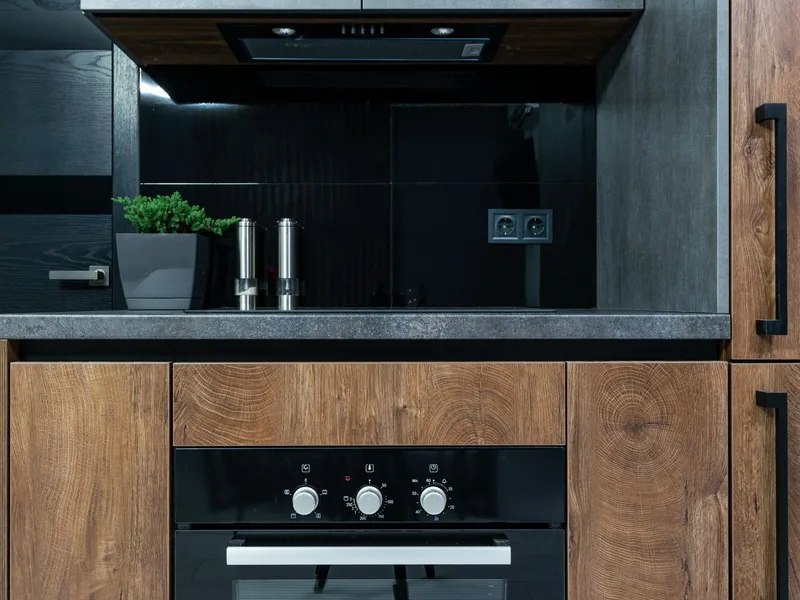
Grease and protein-seeking ants seek moisture sources in damp soil around new foundations and from ongoing excavations and new infrastructure work.
The trail and its direction
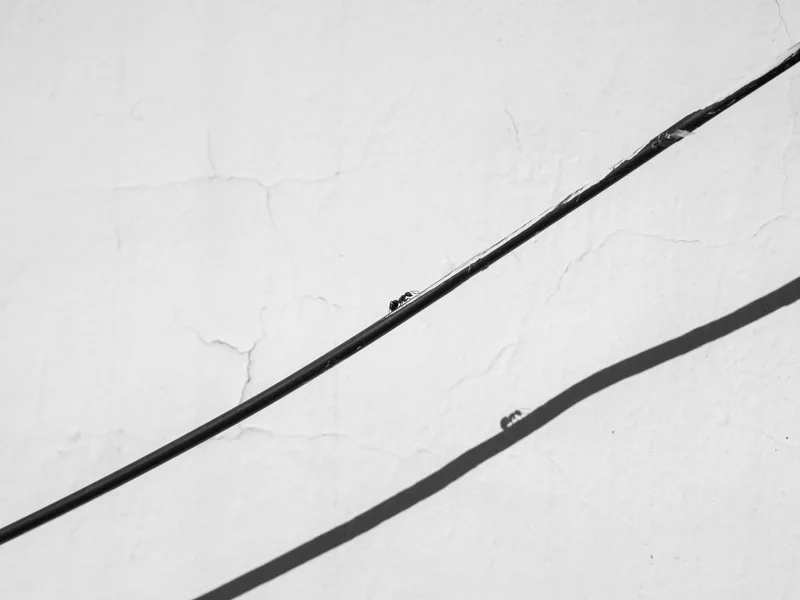
The trail originates in exposed soil and surrounding excavations and moves directly toward new foundations and the small cracks created by building settlement and movement.
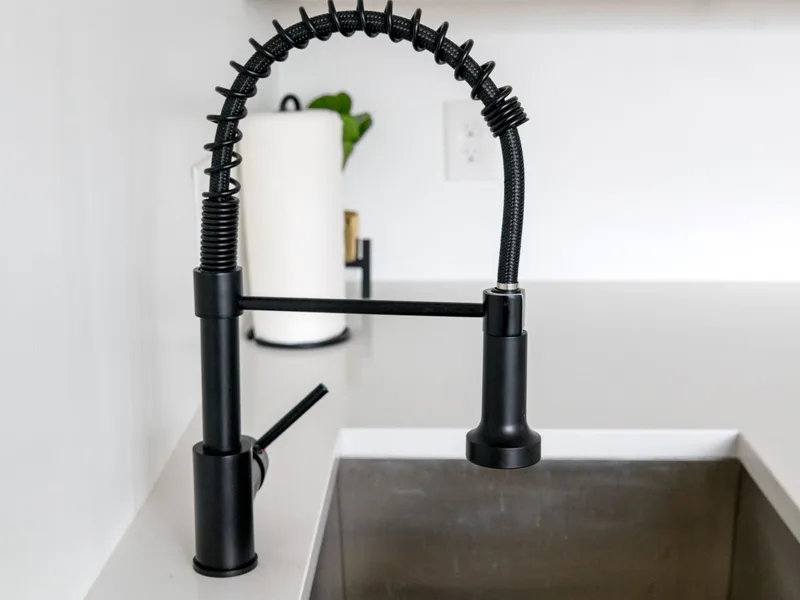
Moisture before food
Moisture from excavations and new infrastructure provides the ideal environment for ants before food search begins; the soil itself is the primary attraction.
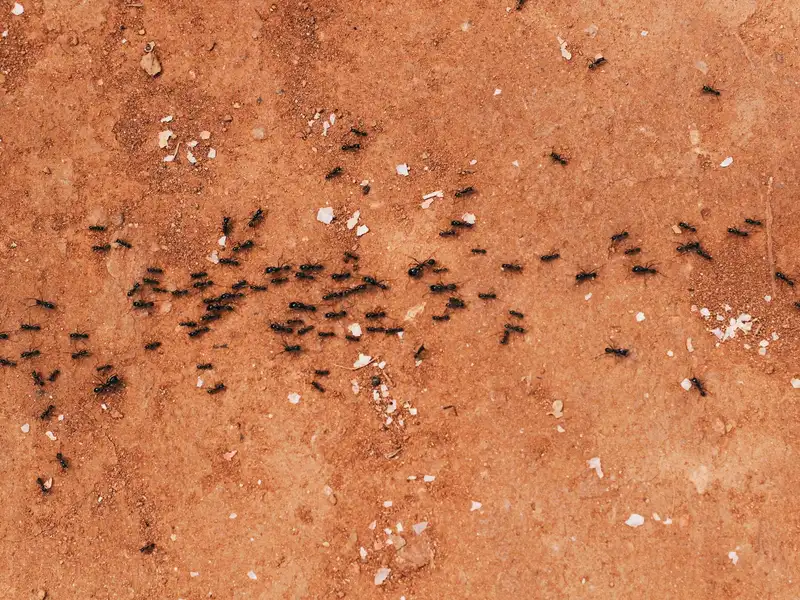
The nest outside the building
Nests sit in deep soil around excavations and vacant plots, and ants migrate into them seeking safety from active digging and building disruption.
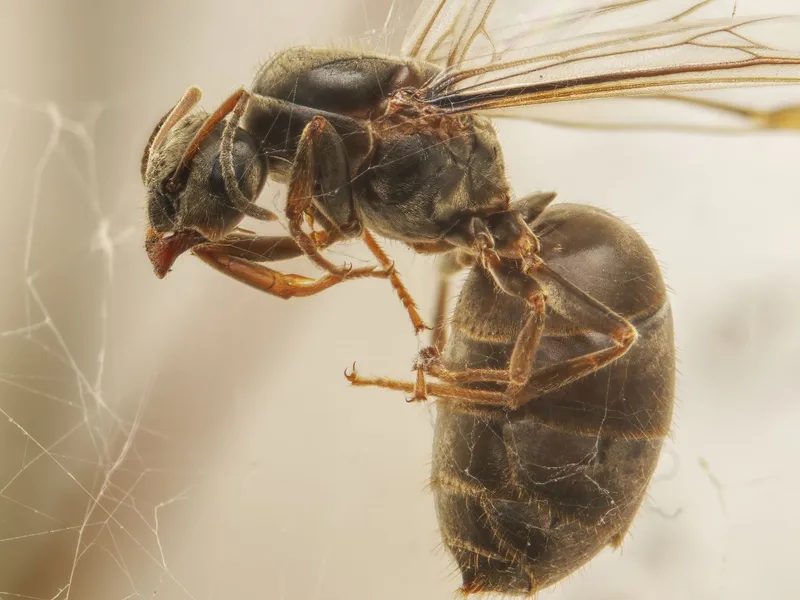
Winged ants
Winged ants appear frequently in breeding season in a new district because disturbed, moist soil and the chaos of active building accelerate the reproductive cycle rapidly.
How we work
-
1
Inspect and follow the trail
We follow the line from where you see it to where it enters, and establish the species, what it is feeding on and the moisture keeping the nest close.
-
2
Matched bait placed on the trail
We choose the matrix from the feeding preference and place it on the trail itself, leaving the trail intact so the workers carry it to the queen and the brood.
-
3
Treat the perimeter and close the ways in
An external treatment at the wall base and the openings, and we point out the cracks, pipe entries and any branch touching the building.
-
4
The follow-up visit
We come back once the bait has worked through the nest, check the trail is gone, and look for a satellite nest if a new line has appeared.
What ant control includes
-

Following the trail to its source
Species, entry point and the direction of the nest, established before anything is applied.
-

Bait matched to the colony
Sugar or protein according to what the workers are carrying, placed on the trail rather than near it.
-

An external perimeter treatment
A band at the wall base and the outside openings, with the indoor trail left unsprayed so it keeps carrying bait.
-

Moisture points and entries
Condensate lines, sink surrounds, weep holes and pipe entries, which are what keeps a nest against the building.
-

Aftercare instructions
What not to wipe until the bait has been taken, what to cover, and when normal cleaning can resume.
-

A scheduled follow-up
A set date to check the nest and re-bait anywhere still active.
Landmarks of Al Salihiyah
Preventive treatment in Al Salihiyah begins along Al Furusiyah Street which runs through the district, then extends to gaps and vacant plots between villas, with special attention to soil around Abdulrahman bin Awf Mosque and Abu Bakr Al Siddiq Mosque where excavation and building work accelerate and expose deep soil.
- Al Furusiyah Street
- Al Salihiyah Health Centre
- Abdulrahman bin Awf Mosque
- Abu Bakr Al Siddiq Mosque
Questions about this district
Is preventive treatment of a new villa before moving in possible and effective?
Yes. Preventive soil treatment around foundations and gaps before occupancy protects the villa from ants migrating from excavations and adjacent land. This is far better than waiting for ants to enter and then trying to control an established infestation.
Do ongoing excavations in the district bring ants from deep soil layers?
Yes. Digging breaks deep soil layers where old ant nests sit dormant. The disturbed colony searches for new shelter, and new villas and apartments become natural targets for this displaced population seeking refuge from the disruption.
Does watering a garden in Al Salihiyah attract ants?
Greatly. Watering raises soil moisture and makes it far more attractive to moisture-seeking ants. A watered garden becomes a direct corridor for ants moving from the soil into the villa. In a developing district where soil is already disturbed, irrigation adds another draw.
Must treatment with neighbours be co-ordinated in a new district?
Essential. Excavations and building are ongoing and ants move between vacant plots. If you treat alone and adjacent vacant plots are untreated, ants re-enter from there. Co-ordination with neighbours and agreement to treat shared vacant land is critical.
Do modern building materials and new construction provide natural ant protection?
Modern materials alone offer insufficient protection. Ants find minute openings and cracks that develop as the building settles. New foundations may crack before they stabilise. Movement in new construction creates pathways ants exploit immediately.
How many times should a new villa need treatment in its first year?
A newly developed district needs repeated treatments in the first year because excavations, building work and vacant plots continue to release ant waves. Each season may bring fresh populations from deeper soil as new building phases disturb old layers.
How much does ant control in Al Salihiyah cost?
It is set after the inspection, because the price follows the type of infestation, the size of the space, how far it has spread and the number of visits it needs. Send a photo and a description on WhatsApp and we will give you an estimate before we reach Al Salihiyah.
Nearby districts we cover
Other services in Al Salihiyah
Other services we provide to residents of Al Salihiyah.
-
 Residential
Cockroach control
Residential
Cockroach control
-
 Residential
Bed bug control
Residential
Bed bug control
-
 Residential
Termite control
Residential
Termite control
-
 Residential
Rodents and mice
Residential
Rodents and mice
-
 Residential
Mosquito control
Residential
Mosquito control
-
 Residential
Fly control
Residential
Fly control
-
 Residential
Gecko control
Residential
Gecko control
-
 Residential
Scorpion control
Residential
Scorpion control
-
 Residential
Snake control
Residential
Snake control
-
 Residential
Flea control
Residential
Flea control
-
 Residential
Bird and pigeon control
Residential
Bird and pigeon control
-
 Residential
Preventive treatment
Residential
Preventive treatment
-
 Residential
Disinfection
Residential
Disinfection
-
 Commercial
Annual contracts
Commercial
Annual contracts
-
 Commercial
Restaurants and cafes
Commercial
Restaurants and cafes
-
 Commercial
Hotels and apartments
Commercial
Hotels and apartments
-
 Commercial
Warehouses and factories
Commercial
Warehouses and factories
-
 Commercial
Schools and nurseries
Commercial
Schools and nurseries
-
 Commercial
Retail and malls
Commercial
Retail and malls
-
 Commercial
Rest houses and farms
Commercial
Rest houses and farms
-
 Commercial
Fumigation
Commercial
Fumigation
-
 Water tanks
Water tank cleaning
Water tanks
Water tank cleaning
-
 Water tanks
Water tank sterilization
Water tanks
Water tank sterilization
-
 Water tanks
Water tank sealing
Water tanks
Water tank sealing
-
 Water tanks
Tank leak repair
Water tanks
Tank leak repair
Need ant control in Al Salihiyah? Tell us what you saw and we will tell you what it needs
We reach Al Salihiyah at a time we agree, and you get the full cost before we start.