
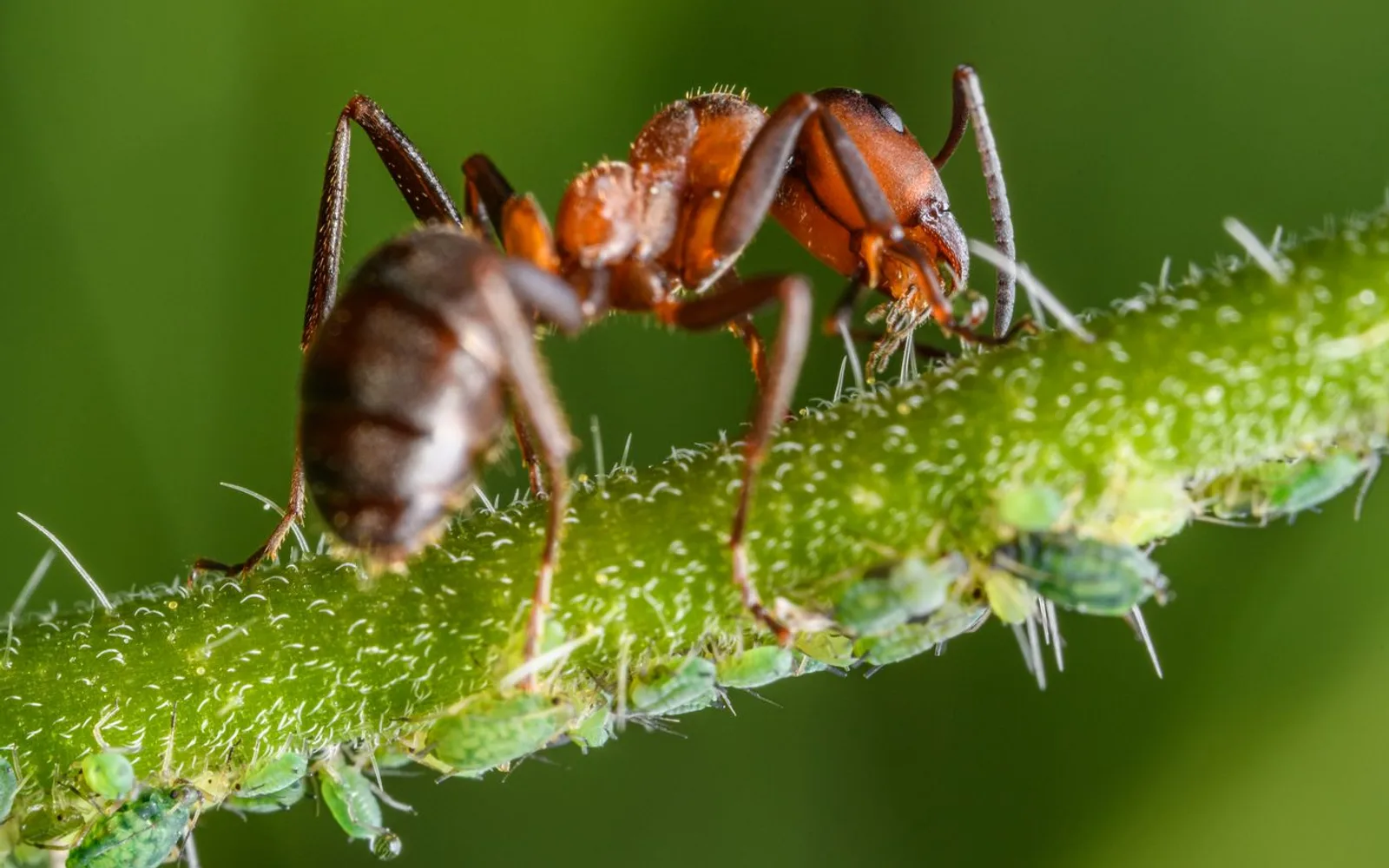
Ant control in Al Sawari Jeddah
Al Sawari is a recently built district on the north coast of Jeddah, between King Saud Road and Prince Abdulmajeed Road, filled with owner occupied villas and apartments with shops at street level. The private gardens, irrigated lawns and high sea moisture create ideal conditions for sustained and heavy ant activity throughout the year.
-
Targeted, not broadcast
Product goes into cracks and runways, never sprayed across open surfaces.
-
Told before we start
What we will use, where it goes, and what to cover or move before we arrive.
-
A follow-up visit
We return after the first treatment, because what survives it does not show on the day.
-
Homes and businesses
Apartments and villas, and kitchens and stores that need a record of each visit.
Why they keep coming back in Al Sawari
Villas in the district have irrigated private gardens, and water collects under foundations where it creates shelter for ants and rodents, especially through winter and spring when damp is greatest. The method is set out in full on our Ant control service.
Irrigated gardens expand the ant range
Villas in Al Sawari have gardens watered and fertilised year round, and this attracts ant species foraging for both water and food together. The garden becomes an ant nursery, and the trails extend from garden into house through damp walls and wet foundations.
Modern building is sealed but foundations leak
New villas and flats are sealed better than older homes, but concrete foundations on waterlogged soil allow water and ants to seep through. Ants use the moisture under the foundation as a bridge to enter the house from the garden, bypassing the sealed exterior.
Coastal moisture supports year round activity
Nearness to the sea and high humidity all year means ants are active without the dormant periods inland districts experience. Colonies grow fast and breed in damp soil and gardens, and treatment here needs more frequent repeat cycles to be sustained.
The character of Al Sawari
Mixed district: shops at street level with homes above them
Shops at ground level and villas and flats in the same district create diverse food and moisture sources. Treating one house does not stop ants from the garden and shared damp foundations between villas and apartment blocks.
The species and the trail decide the bait
The district lies close to the beach and sea humidity stays high all year. Villas and new apartment buildings have private or shared gardens and irrigated green spaces that hold water and moisture around the foundations.

The sweet feeders
Sugar-foraging ants in gardens and villas spread along clear trails from the garden to the kitchen and food storage areas inside the house.

The grease and protein feeders
Grease and protein seeking ants concentrate on damp foundations and soil under buildings, where they find decaying organic matter, seeds and other insects.
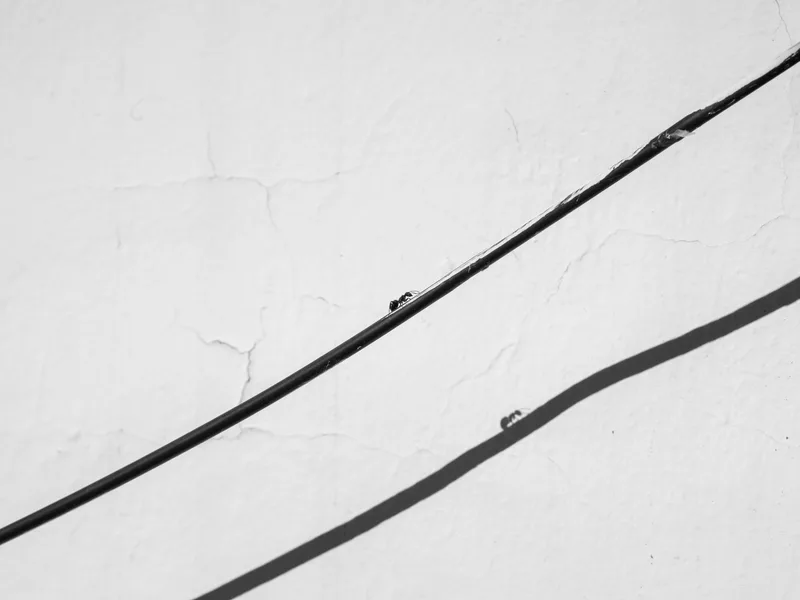
The trail and its direction
Ant trails begin in the garden at irrigation zones and extend to the foundation then into interior cracks in walls and floors.
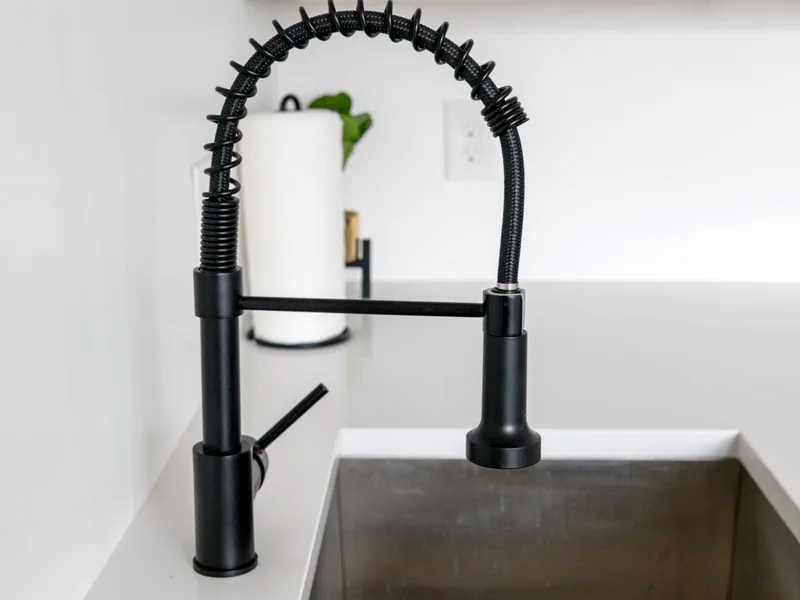
Moisture before food
Coastal humidity provides water that ants seek before food, and water pooling around the house from irrigation expands the damp zone where they live.
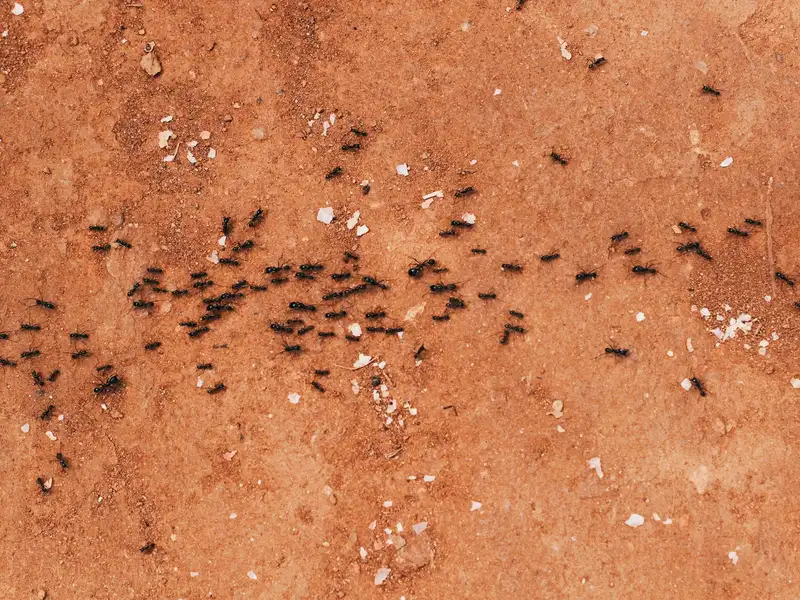
The nest outside the building
Ant nests lie in soil around the foundation and under the garden, extending into underground pipes and voids where moisture is present.
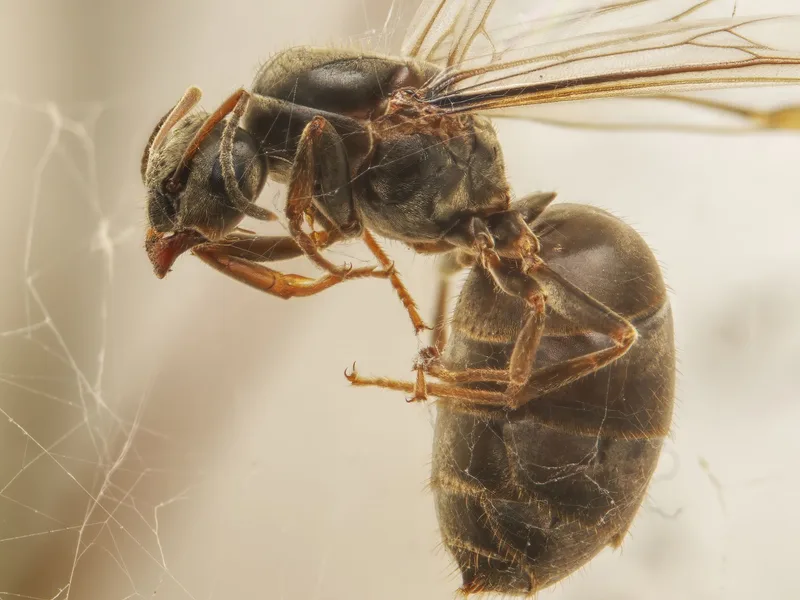
Winged ants
Winged ants appear clearly in Al Sawari during breeding season, especially in spring when moisture from irrigation and rainfall combines to support mass reproduction.
How we work
-
1
Inspect and follow the trail
We follow the line from where you see it to where it enters, and establish the species, what it is feeding on and the moisture keeping the nest close.
-
2
Matched bait placed on the trail
We choose the matrix from the feeding preference and place it on the trail itself, leaving the trail intact so the workers carry it to the queen and the brood.
-
3
Treat the perimeter and close the ways in
An external treatment at the wall base and the openings, and we point out the cracks, pipe entries and any branch touching the building.
-
4
The follow-up visit
We come back once the bait has worked through the nest, check the trail is gone, and look for a satellite nest if a new line has appeared.
What ant control includes
-

Following the trail to its source
Species, entry point and the direction of the nest, established before anything is applied.
-
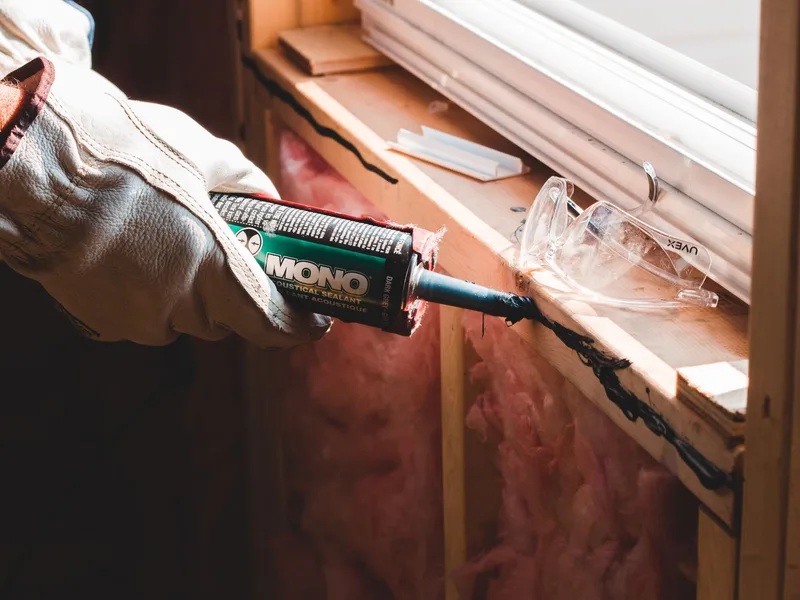
Bait matched to the colony
Sugar or protein according to what the workers are carrying, placed on the trail rather than near it.
-

An external perimeter treatment
A band at the wall base and the outside openings, with the indoor trail left unsprayed so it keeps carrying bait.
-

Moisture points and entries
Condensate lines, sink surrounds, weep holes and pipe entries, which are what keeps a nest against the building.
-

Aftercare instructions
What not to wipe until the bait has been taken, what to cover, and when normal cleaning can resume.
-

A scheduled follow-up
A set date to check the nest and re-bait anywhere still active.
What is different about Dhahban Sub-Municipality
Dhahban sub municipality is the northern coastal strip of Jeddah, running from the north bank of Sharm Obhur up to the old village of Dhahban and Salman Bay. Its districts are recently built, with owner occupied villas and apartments, beach resorts and chalets on the shore, and land subdivisions still being developed. Nearness to the sea keeps humidity high all year, irrigated lawns in villas, resorts and district parks hold water, Wadi Obhur and the vacant plots between buildings give rodents and reptiles shelter, and the old fishing village of Dhahban gives the far north a rural edge.
Questions about this district
Does watering the garden increase ant activity around the house?
Yes. Water in the garden attracts ants first, then they use the moisture under the foundation to enter the house. A year round irrigated garden means active ant colonies continuously established around the building.
Is my flat in the tower less at risk than the villa next door?
No, villa and flat face equal risk. The villa has an extra garden, but the flat may lie closer to wet foundations and shared ground level spaces if it is on a lower floor.
Is treating the garden as necessary as treating the house?
Yes. The garden is the primary ant source. Treating the garden and the soil around the foundation is as necessary as treating inside the house, and without it ants return within weeks.
Does the irrigation method affect how fast ants spread through the district?
Yes. Frequent watering and water pooling around houses increase ant activity. If irrigation pipes leak or soil holds standing water, ants spread much faster across adjacent properties.
Are new villas in Al Sawari less vulnerable than older ones?
Not significantly. Coastal humidity is the main driver. New villas may be less vulnerable initially, but gardens and wet foundations quickly level the playing field with older villas in this damp climate.
Must I treat the house foundation and garden together?
Yes. Treating only one will not stop ants. The foundation, garden and soil around the house are all ant sources, and complete treatment must address all three.
How much does ant control in Al Sawari cost?
It is set after the inspection, because the price follows the type of infestation, the size of the space, how far it has spread and the number of visits it needs. Send a photo and a description on WhatsApp and we will give you an estimate before we reach Al Sawari.
Nearby districts we cover
Other services in Al Sawari
Other services we provide to residents of Al Sawari.
-
 Residential
Cockroach control
-
 Residential
Bed bug control
-
 Residential
Termite control
-
 Residential
Rodents and mice
Need ant control in Al Sawari? Tell us what you saw and we will tell you what it needs
We reach Al Sawari at a time we agree, and you get the full cost before we start.