
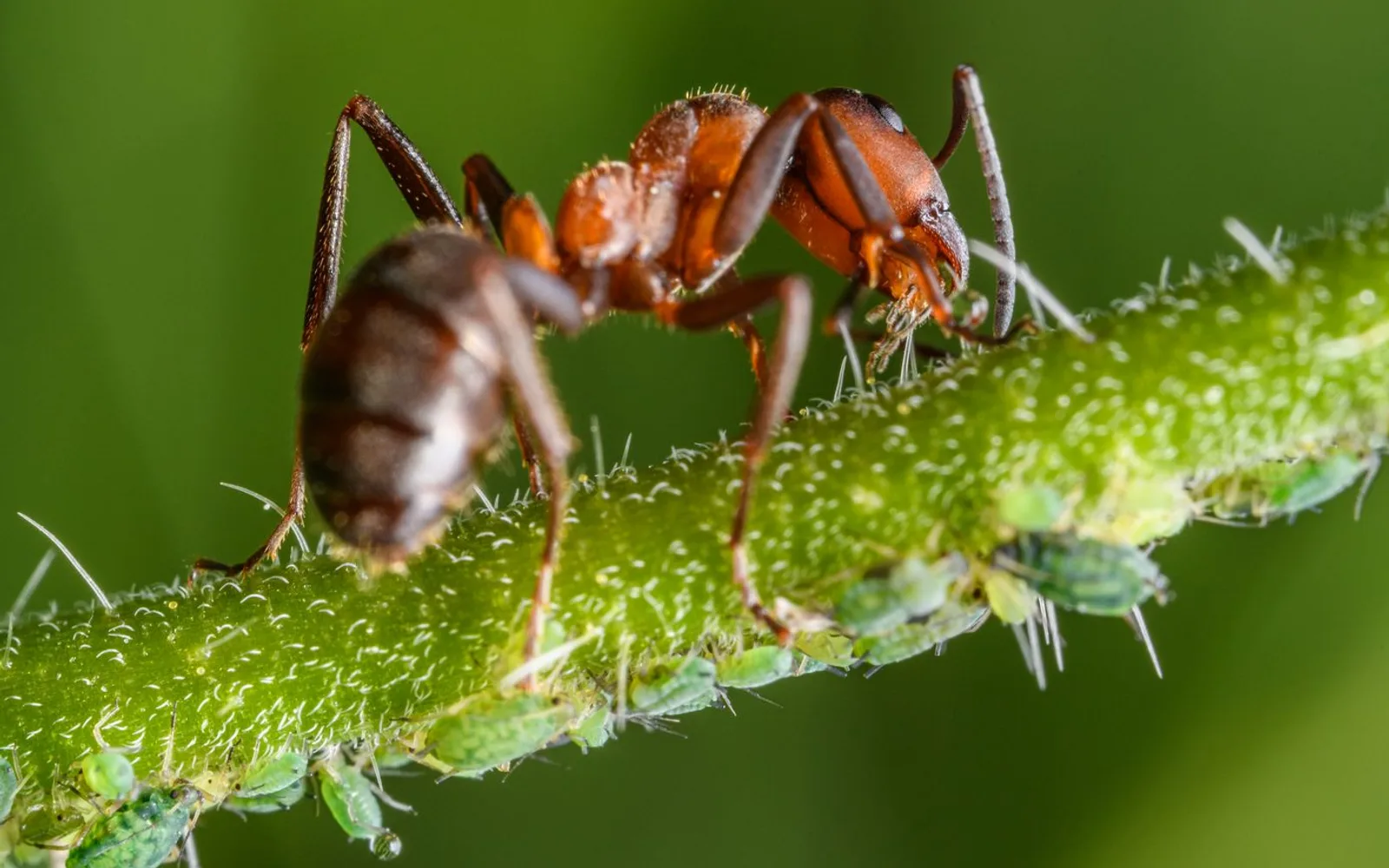
Ant control in Al Zahra Makkah
Al Zahra is a district of closely packed apartment buildings between Umm Al Qura Road and Al Mansour Street with no public parks or gaps between buildings. Ants here do not come only from outside but live in shared walls and old pipes, moving between flats through common entrances and construction holes that no one notices.
-
Targeted, not broadcast
Product goes into cracks and runways, never sprayed across open surfaces.
-
Told before we start
What we will use, where it goes, and what to cover or move before we arrive.
-
A follow-up visit
We return after the first treatment, because what survives it does not show on the day.
-
Homes and businesses
Apartments and villas, and kitchens and stores that need a record of each visit.
Why they keep coming back in Al Zahra
Ants in Al Zahra move vertically through shared building walls and horizontally through common passages and stairs, making treatment of a single flat insufficient. The method is set out in full on what Ant control involves.
Adjoining flats share walls and passages
Shared walls between flats contain continuous vertical ant trails. Ants cross them from floor to floor unseen, and effective treatment requires treating the entire building or block as one unit.
Old pipes and cables are ant highways
Decades-old sewage, electricity and water networks run through buildings from ground to top. Ants live in them and emerge in every flat, and closing gaps alone cannot stop them coming from inside.
Common entrances and stairs are transit zones
Shared passages and stairs are ant routes between flats, and cleanliness alone does not protect because ants arrive from another unit. Treatment must cover all these areas together.
Landmarks of Al Zahra
Al Zahra is reached from the east via Umm Al Qura Road or from the north via Al Mansour Bridge. Treatment begins at the main entrance on Umm Al Qura Road and extends to every tightly packed building block.
- Umm Al Qura Road
- Al Mansour Street
- Al Mansour Bridge
- Abdullah Arif Road
- Hussain Arab Street
The species and the trail decide the bait
Apartment blocks are tightly arranged over a small area, crossed by Hussain Arab Street, Abdullah Arif Road and Al Mansour Bridge, surrounded by Al Diyafah, An Nuzhah, Al Hindawiyah and Al Ghazza.
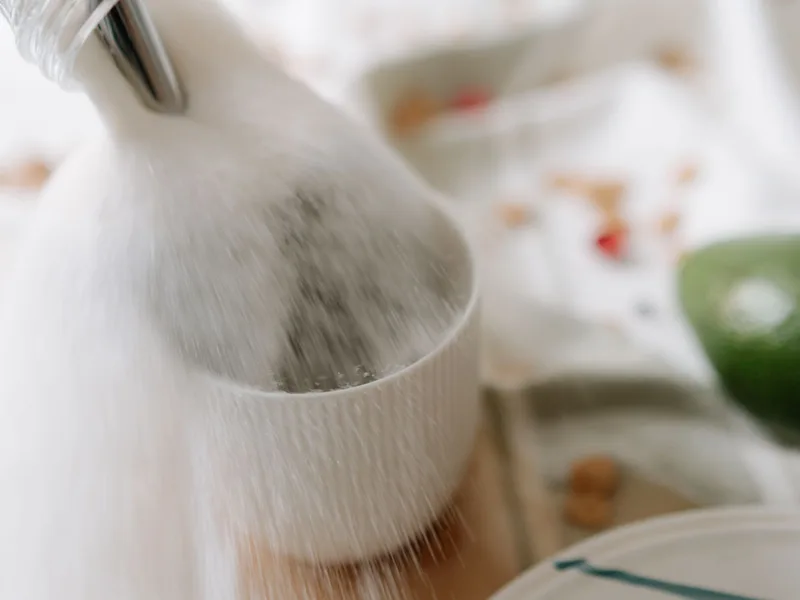
The sweet feeders
Sugars and fats from food draw ants living in shared walls, and small kitchens are ideal for them.
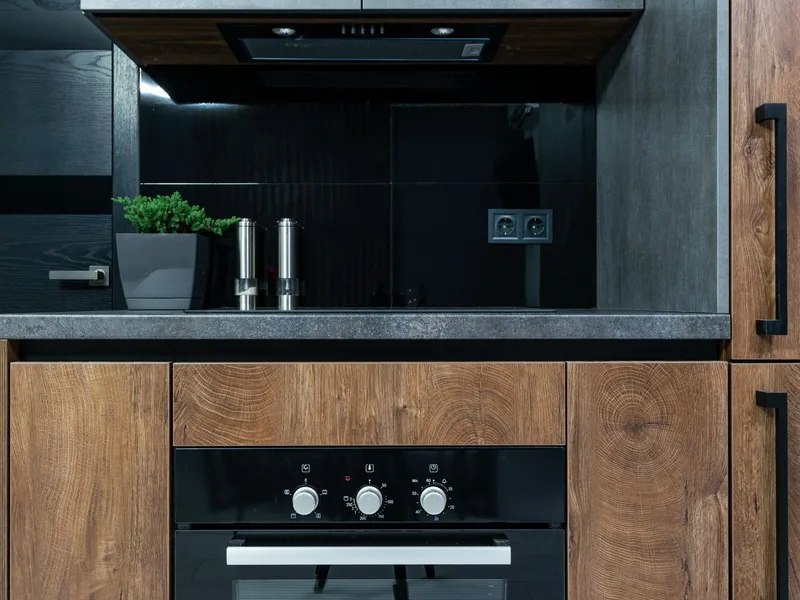
The grease and protein feeders
Protein from small insects and scraps makes Al Zahra a permanent food source for ants already established there.
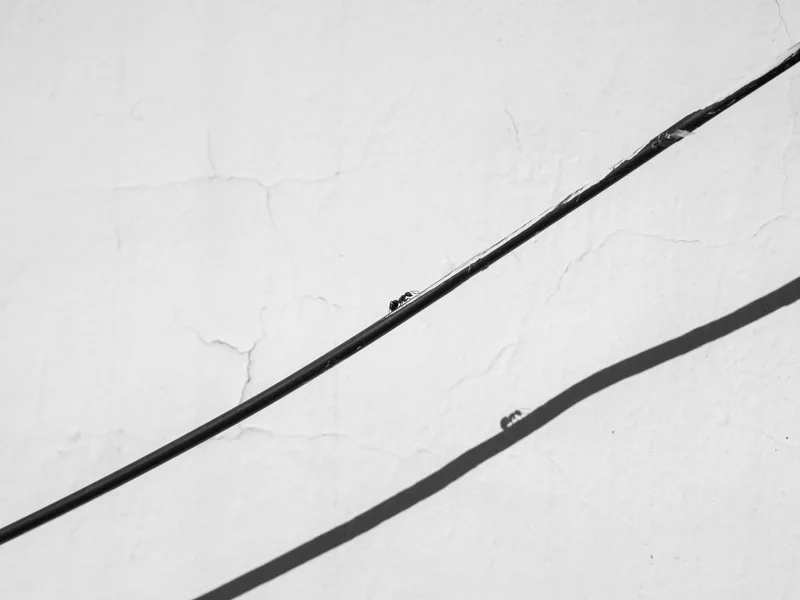
The trail and its direction
Ant trails run vertically on shared walls and pipes, spreading horizontally across stairwell floors.
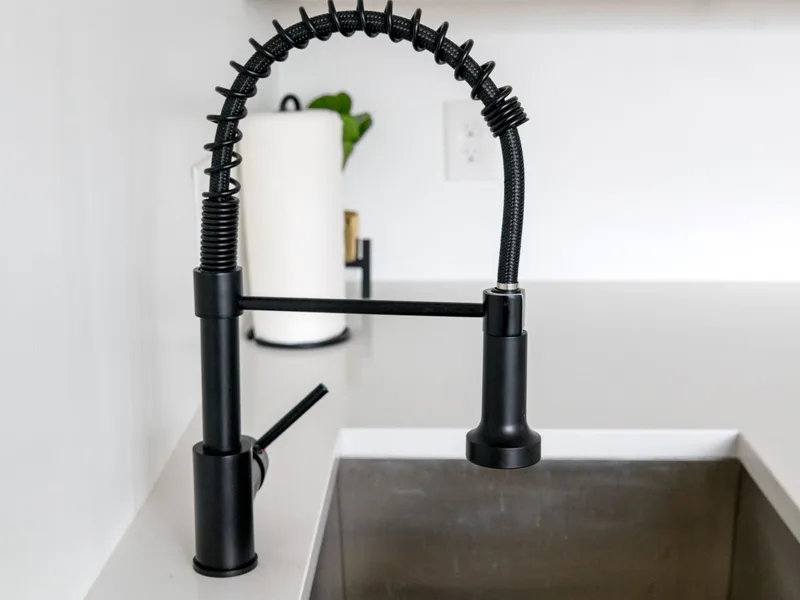
Moisture before food
Moisture from old sewage pipes strengthens the population of ants searching for water, and treatment must concentrate on those areas.
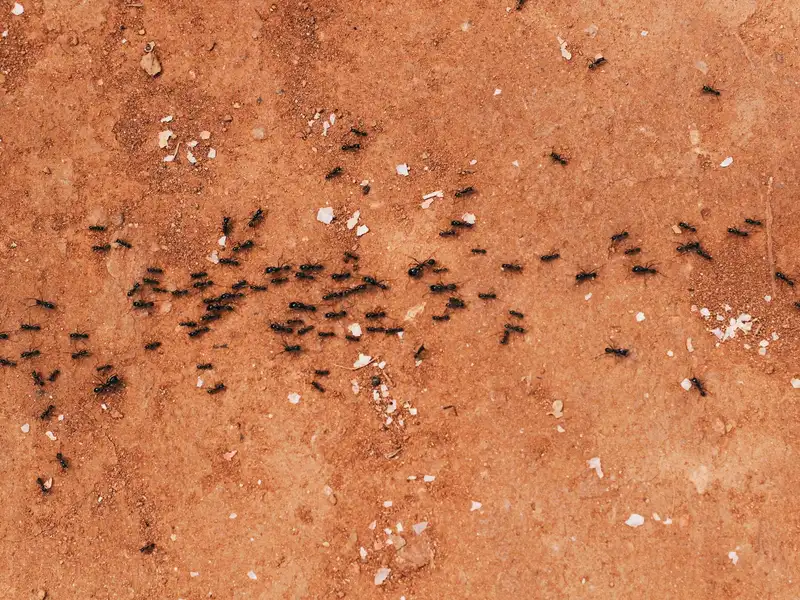
The nest outside the building
Ants nest inside building walls and not outside, making outside treatment alone insufficient.
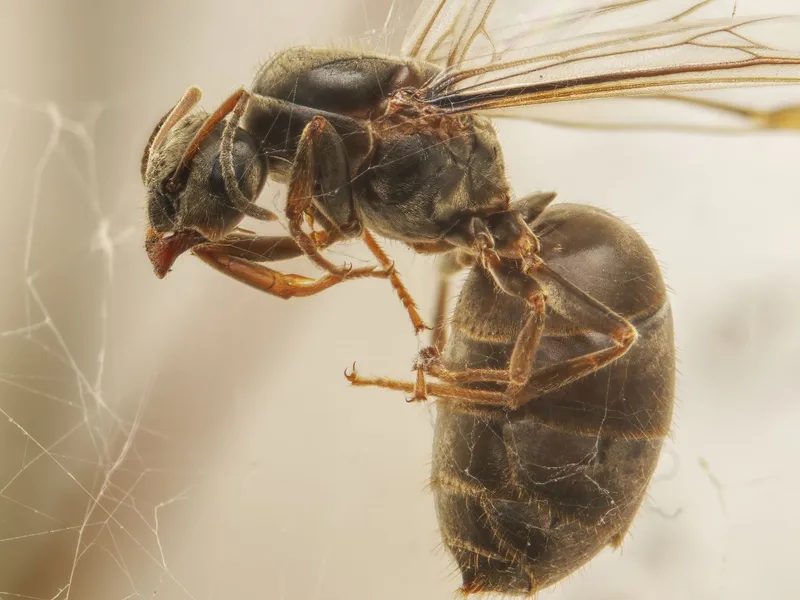
Winged ants
Wings appear in certain seasons, and their numbers show how large the colonies hidden in the building have grown.
How we work
-
1
Inspect and follow the trail
We follow the line from where you see it to where it enters, and establish the species, what it is feeding on and the moisture keeping the nest close.
-
2
Matched bait placed on the trail
We choose the matrix from the feeding preference and place it on the trail itself, leaving the trail intact so the workers carry it to the queen and the brood.
-
3
Treat the perimeter and close the ways in
An external treatment at the wall base and the openings, and we point out the cracks, pipe entries and any branch touching the building.
-
4
The follow-up visit
We come back once the bait has worked through the nest, check the trail is gone, and look for a satellite nest if a new line has appeared.
What ant control includes
-

Following the trail to its source
Species, entry point and the direction of the nest, established before anything is applied.
-

Bait matched to the colony
Sugar or protein according to what the workers are carrying, placed on the trail rather than near it.
-

An external perimeter treatment
A band at the wall base and the outside openings, with the indoor trail left unsprayed so it keeps carrying bait.
-

Moisture points and entries
Condensate lines, sink surrounds, weep holes and pipe entries, which are what keeps a nest against the building.
-

Aftercare instructions
What not to wipe until the bait has been taken, what to cover, and when normal cleaning can resume.
-

A scheduled follow-up
A set date to check the nest and re-bait anywhere still active.
What is different about Al Utaybiyah Sub-Municipality
Al Utaybiyah sub municipality covers the old districts north of the Grand Mosque: the hillside quarters of Al Hajun, Al Utaybiyah and Al Bayban, Al Zahir and Al Shuhada at the northern entrance, and the newer Al Zahra, Al Diyafah and An Nuzhah westward. Its building stock is among the oldest in Makkah, stone houses on the hills, packed apartment blocks and sewers decades old, threaded with crowded markets like the Utaybiyah souq and furnished flats that fill in the pilgrim seasons. Wadi Al Zahir and Wadi Al Tanim carry storm water through it, and industrial workshops line Hajj Street.
Questions about this district
My flat is clean but ants come from my neighbour. What should I do?
Ants travel through shared walls and hidden construction gaps. Treating only your flat will not stop them, but sealing gaps around sockets and pipes and working together with neighbours on treatment is far more effective.
Can I treat the common stairs and passages myself?
Common areas need the building owner and neighbours to agree. Treatment of the entire building requires coordination with management, not random spraying that might harm others.
The ants in my flat are on certain walls only. Is the problem inside my flat?
If ants appear on a shared wall or near sockets, the source is outside or from the neighbouring flat. Treating that wall alone is not enough, you need to trace the actual route.
Is there only one ant species in Al Zahra or several?
Usually one or two, but they vary depending on moisture and available food. Treatment of your flat alone may not suit a species that travels in from outside the building.
How long after treatment can I clean my flat thoroughly?
Normal cleaning is safe after forty eight hours. Heavy cleaning with water and bleach might weaken bait effectiveness if it remains, so wait a week before deep cleaning.
Are winged ants in Al Zahra dangerous or a sign of something else?
Winged ants are males and females leaving the nest to mate, not termites. Their appearance means a mature nest near your flat, and fast treatment prevents new colonies from starting elsewhere.
How much does ant control in Al Zahra cost?
It is set after the inspection, because the price follows the type of infestation, the size of the space, how far it has spread and the number of visits it needs. Send a photo and a description on WhatsApp and we will give you an estimate before we reach Al Zahra.
Nearby districts we cover
Other services in Al Zahra
Other services we provide to residents of Al Zahra.
-
 Residential
Cockroach control
Residential
Cockroach control
-
 Residential
Bed bug control
Residential
Bed bug control
-
 Residential
Termite control
Residential
Termite control
-
 Residential
Rodents and mice
Residential
Rodents and mice
-
 Residential
Mosquito control
Residential
Mosquito control
-
 Residential
Fly control
Residential
Fly control
-
 Residential
Gecko control
Residential
Gecko control
-
 Residential
Scorpion control
Residential
Scorpion control
-
 Residential
Snake control
Residential
Snake control
-
 Residential
Flea control
Residential
Flea control
-
 Residential
Bird and pigeon control
Residential
Bird and pigeon control
-
 Residential
Preventive treatment
Residential
Preventive treatment
-
 Residential
Disinfection
Residential
Disinfection
-
 Commercial
Annual contracts
Commercial
Annual contracts
-
 Commercial
Restaurants and cafes
Commercial
Restaurants and cafes
-
 Commercial
Hotels and apartments
Commercial
Hotels and apartments
-
 Commercial
Warehouses and factories
Commercial
Warehouses and factories
-
 Commercial
Schools and nurseries
Commercial
Schools and nurseries
-
 Commercial
Retail and malls
Commercial
Retail and malls
-
 Commercial
Rest houses and farms
Commercial
Rest houses and farms
-
 Commercial
Fumigation
Commercial
Fumigation
-
 Water tanks
Water tank cleaning
Water tanks
Water tank cleaning
-
 Water tanks
Water tank sterilization
Water tanks
Water tank sterilization
-
 Water tanks
Water tank sealing
Water tanks
Water tank sealing
-
 Water tanks
Tank leak repair
Water tanks
Tank leak repair
Need ant control in Al Zahra? Tell us what you saw and we will tell you what it needs
We reach Al Zahra at a time we agree, and you get the full cost before we start.