
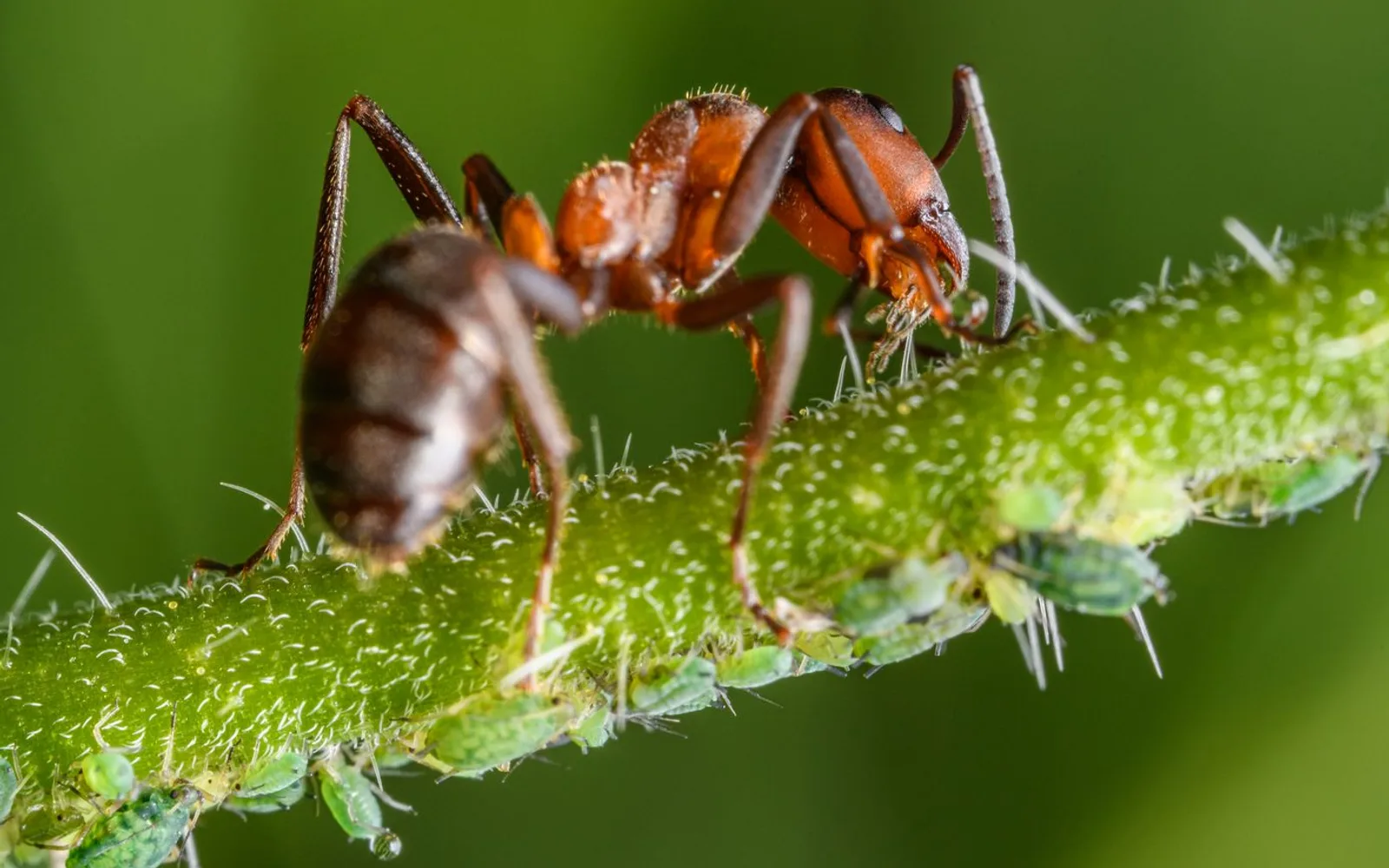
Ant control in Shaib Amir Wa Shaib Ali Makkah
Shaib Amir Wa Shaib Ali are two old ravines north east of the Grand Mosque behind Souq Al Layl. Ancient stone houses cling to steep slopes overlooking Jabal Khandamah. The portion nearest the mosque was cleared for the northern expansion, while old weathered dwellings remain on the hillsides with deeply aged drainage beneath them. Seeping pipes dissolve the sandstone slowly, and ants nest far below the surface in fractures where spray and surface bait cannot reach them.
-
Targeted, not broadcast
Product goes into cracks and runways, never sprayed across open surfaces.
-
Told before we start
What we will use, where it goes, and what to cover or move before we arrive.
-
A follow-up visit
We return after the first treatment, because what survives it does not show on the day.
-
Homes and businesses
Apartments and villas, and kitchens and stores that need a record of each visit.
Why they keep coming back in Shaib Amir Wa Shaib Ali
Stone houses on slopes absorb water from leaking pipes and the sandstone soil, and deep fissures in the stone provide extremely secure nesting sites where treatment rarely reaches. The method is set out in full on how we approach Ant control.
Sandstone and extremely deep fissures
The stone houses are built from very old sandstone containing deep invisible fissures. Sandstone itself is permeable and water washes through it slowly. Ants nest in these cavities and cracks where spray and surface bait cannot reach them. Old stone of this age cannot be repaired without demolishing the house completely. The nesting sites are simply inaccessible to conventional treatment.
Aged drainage and seeping water
Drainage pipes beneath the slopes are very old and leak constantly. Water drains downhill through sandy soil and saturates house foundations. This keeps the ground around every home damp at all times and ants gravitate toward the moisture. Shared drainage cannot be easily repaired because it runs beneath several homes simultaneously and belongs to no single owner.
Steep slopes and hillside location
The district sits on very steep terrain and water drains rapidly downslope toward the mosque. This creates fast natural drainage but forces water through foundations with considerable force. Jabal Khandamah rises above the district and is a constant source of moisture, and ants also migrate downslope from higher terrain. Treating shared ground and the soil around every foundation is necessary but difficult on a steep incline.
Shaib Amir Wa Shaib Ali on the map
Shaib Amir Wa Shaib Ali sits about 0.5 km from Al Qararah Wa Al Naqa and about 1 km from Harat Al Bab Wa Al Shamiyah.
Open in Google MapsThe species and the trail decide the bait
Shaib Amir Wa Shaib Ali occupy steep hillside terrain north east of the Grand Mosque, with old stone houses on rocky slopes and deeply antiquated drainage lines running through sandy soil.
The sweet feeders
Sweet feeding ants are rare in Shaib Amir because it is purely residential with few food retail outlets or kitchens.

The grease and protein feeders
Grease and protein feeders dominate because leaking pipes and damp soil provide an environment rich in decomposed organic matter that attracts them.
The trail and its direction
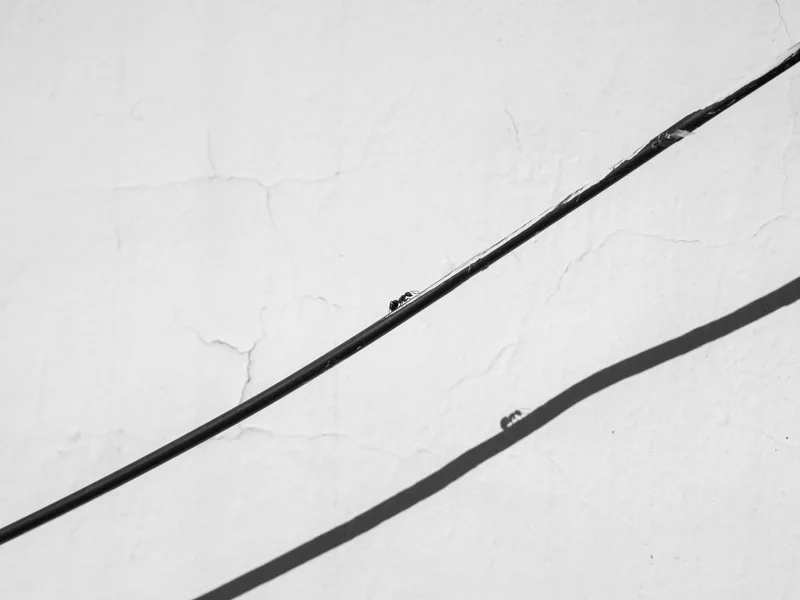
Ant trails concentrate around house foundations and stone fissures rather than along visible surfaces.
Moisture before food
Moisture from leaking pipes and water draining from the mountain is the primary driver of ant activity in this location.
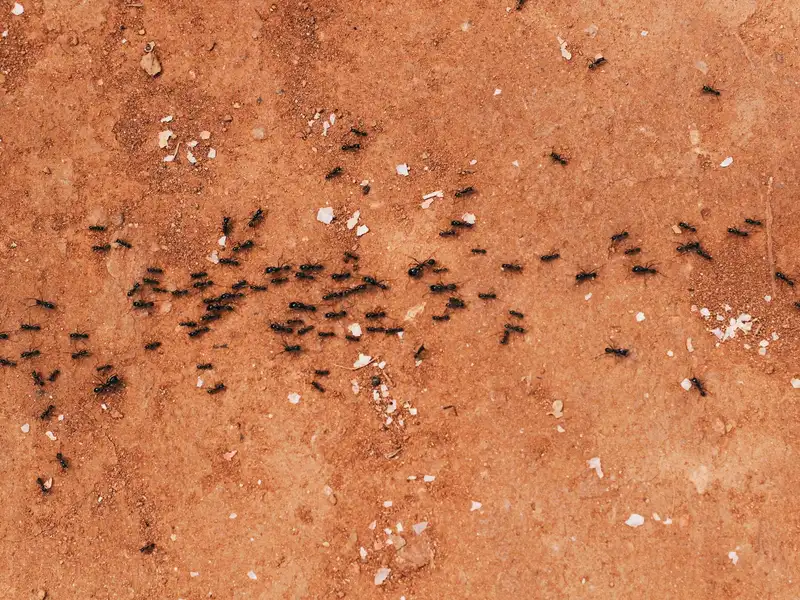
The nest outside the building
Nests are deep in sandy soil or within stone fissures and rarely occur near the surface where they might be accessible.
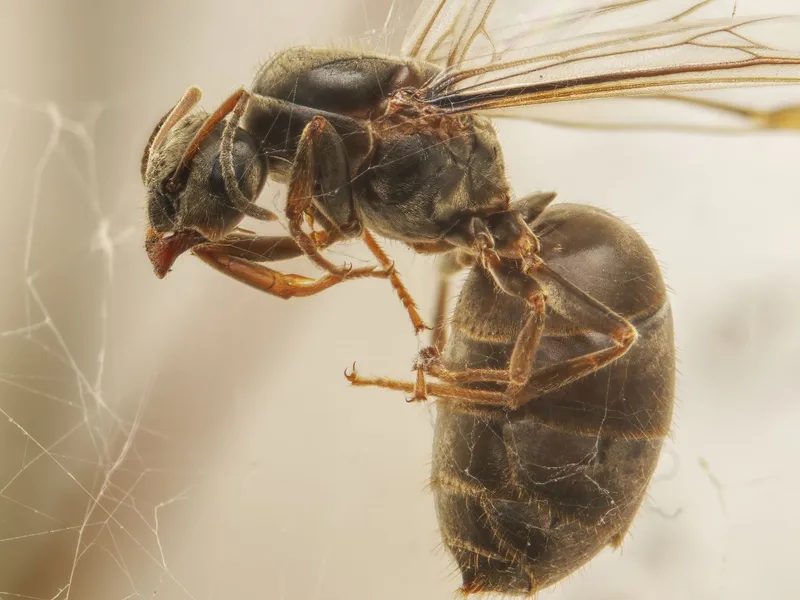
Winged ants
Winged ants emerge in hot months especially when temperatures rise across the slopes and breeding accelerates.
How we work
-
1
Inspect and follow the trail
We follow the line from where you see it to where it enters, and establish the species, what it is feeding on and the moisture keeping the nest close.
-
2
Matched bait placed on the trail
We choose the matrix from the feeding preference and place it on the trail itself, leaving the trail intact so the workers carry it to the queen and the brood.
-
3
Treat the perimeter and close the ways in
An external treatment at the wall base and the openings, and we point out the cracks, pipe entries and any branch touching the building.
-
4
The follow-up visit
We come back once the bait has worked through the nest, check the trail is gone, and look for a satellite nest if a new line has appeared.
What ant control includes
-

Following the trail to its source
Species, entry point and the direction of the nest, established before anything is applied.
-

Bait matched to the colony
Sugar or protein according to what the workers are carrying, placed on the trail rather than near it.
-

An external perimeter treatment
A band at the wall base and the outside openings, with the indoor trail left unsprayed so it keeps carrying bait.
-

Moisture points and entries
Condensate lines, sink surrounds, weep holes and pipe entries, which are what keeps a nest against the building.
-

Aftercare instructions
What not to wipe until the bait has been taken, what to cover, and when normal cleaning can resume.
-

A scheduled follow-up
A set date to check the nest and re-bait anywhere still active.
What is different about Al Ghazza Sub-Municipality
Al Ghazza sub municipality wraps around the north and west of the Grand Mosque, from Al Shamiyah, Al Qararah and Shaib Amir round to Jarwal and Al Taysir. Large tracts were cleared for the northern expansion and the Rua Al Haram scheme, leaving excavated ground and open construction sites beside ageing blocks that now serve as dense seasonal lodgings in Jarwal and Al Taysir. Old flood paths still fall from Jabal Qaiqaan and Jabal Khandamah towards the mosque, and markets and eateries crowd Al Masjid Al Haram Road and Umm Al Qura Road.
Questions about this district
Do ants in Shaib Amir come from Jabal Khandamah above?
Yes, Jabal Khandamah sits above the district and its soil teems with ants and offers ideal moisture conditions. Water drains from the mountain through sandy soil and brings ants down with it. Treating a single house will not stop ingress from the higher slopes, so comprehensive perimeter treatment of the surrounding terrain is necessary.
Do fissures in the old sandstone protect ant nests from treatment?
Yes they do. Sandstone contains microscopic fissures and surface bait never reaches them. Fissures extend deep into the structure and may run metres underground. Treatment may take weeks and may require excavation of the foundations to reach the nest at depth.
Does repairing the old drainage stop the ant problem?
Repairing drainage reduces moisture and helps, but very old houses may need complete pipe replacement. Even after repair, water drains from the mountain and higher slopes, and sandy foundations absorb water by nature. Improvement is partial, not complete.
Does the sandy soil type make ants harder to treat here?
Yes, sandy soil is soft and easy to excavate, and the ant nest can be very deep and very large. Sandy soil absorbs liquid pesticides rapidly before they reach the nest at depth. Treatment requires high concentration and may need subsurface injection into the soil itself.
Is treating the hillside above and the upper soil necessary?
Yes, if ants are migrating from higher slopes or from Jabal Khandamah itself. Treating a single house will not stop continuous ingress from above. It may require community agreement to treat the shared slopes and upper terrain.
Is regular maintenance treatment necessary in this hillside location?
Yes absolutely. The damp hillside environment and aged drainage constantly recreate conditions that favour ants. A scheduled treatment every two or three months keeps levels manageable. A single treatment will not solve the problem permanently in terrain this steep and this wet.
How much does ant control in Shaib Amir Wa Shaib Ali cost?
It is set after the inspection, because the price follows the type of infestation, the size of the space, how far it has spread and the number of visits it needs. Send a photo and a description on WhatsApp and we will give you an estimate before we reach Shaib Amir Wa Shaib Ali.
Nearby districts we cover
Other services in Shaib Amir Wa Shaib Ali
Other services we provide to residents of Shaib Amir Wa Shaib Ali.
-
 Residential
Cockroach control
Residential
Cockroach control
-
 Residential
Bed bug control
Residential
Bed bug control
-
 Residential
Termite control
Residential
Termite control
-
 Residential
Rodents and mice
Residential
Rodents and mice
-
 Residential
Mosquito control
Residential
Mosquito control
-
 Residential
Fly control
Residential
Fly control
-
 Residential
Gecko control
Residential
Gecko control
-
 Residential
Scorpion control
Residential
Scorpion control
-
 Residential
Snake control
Residential
Snake control
-
 Residential
Flea control
Residential
Flea control
-
 Residential
Bird and pigeon control
Residential
Bird and pigeon control
-
 Residential
Preventive treatment
Residential
Preventive treatment
-
 Residential
Disinfection
Residential
Disinfection
-
 Commercial
Annual contracts
Commercial
Annual contracts
-
 Commercial
Restaurants and cafes
Commercial
Restaurants and cafes
-
 Commercial
Hotels and apartments
Commercial
Hotels and apartments
-
 Commercial
Warehouses and factories
Commercial
Warehouses and factories
-
 Commercial
Schools and nurseries
Commercial
Schools and nurseries
-
 Commercial
Retail and malls
Commercial
Retail and malls
-
 Commercial
Rest houses and farms
Commercial
Rest houses and farms
-
 Commercial
Fumigation
Commercial
Fumigation
-
 Water tanks
Water tank cleaning
Water tanks
Water tank cleaning
-
 Water tanks
Water tank sterilization
Water tanks
Water tank sterilization
-
 Water tanks
Water tank sealing
Water tanks
Water tank sealing
-
 Water tanks
Tank leak repair
Water tanks
Tank leak repair
Need ant control in Shaib Amir Wa Shaib Ali? Tell us what you saw and we will tell you what it needs
We reach Shaib Amir Wa Shaib Ali at a time we agree, and you get the full cost before we start.