
Ant control in Al Qararah Wa Al Naqa Makkah
Al Qararah Wa Al Naqa mixes old lanes north of the Grand Mosque with new housing schemes built alongside. Ongoing construction and vacant plots create ideal conditions for ants to nest everywhere. Ants from old colonies shift easily into new homes through exposed soil.
-
Targeted, not broadcast
Product goes into cracks and runways, never sprayed across open surfaces.
-
Told before we start
What we will use, where it goes, and what to cover or move before we arrive.
-
A follow-up visit
We return after the first treatment, because what survives it does not show on the day.
-
Homes and businesses
Apartments and villas, and kitchens and stores that need a record of each visit.
Why they keep coming back in Al Qararah Wa Al Naqa
Ants in Al Qararah Wa Al Naqa spread quickly from empty ground into new houses, and ongoing building breaks the logic of previous treatment attempts. The method is set out in full on our Ant control service.
Active construction and vacant plots everywhere
Stacked building materials, open excavations and barren land offer perfect ant shelter. New foundations in open pits attract ants before the building is finished. New schemes need preventive treatment before residents move in, or ants will be established by then.
Old drains meeting new foundations
Drains in old Al Qararah attract large ant colonies. New building nearby places foundations in damp soil. Ants from the old drains enter the new foundations before construction is complete.
The Rua Al Haram project and ongoing development
Parts nearest the mosque are now part of the major redevelopment. Deep excavation and tall new construction break old soil patterns. Ants flee the digging into neighbouring schemes that have not yet been treated.
Al Qararah Wa Al Naqa on the map
Al Qararah Wa Al Naqa sits about 0.5 km from Shaib Amir Wa Shaib Ali and about 0.5 km from Harat Al Bab Wa Al Shamiyah.
Open in Google MapsThe species and the trail decide the bait
Empty plots between new building and old infrastructure, with failing drains and active construction sites, create exposed and damp soil where ants establish nests rapidly.
The sweet feeders
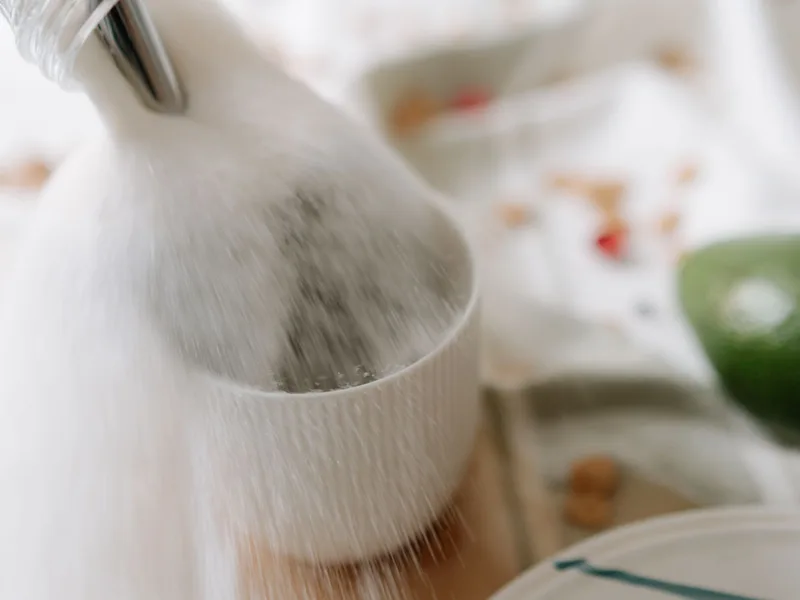
Sweet feeders in Al Qararah Wa Al Naqa are drawn to new homes where fresh groceries are stored in large quantities during moving and furnishing.
The grease and protein feeders
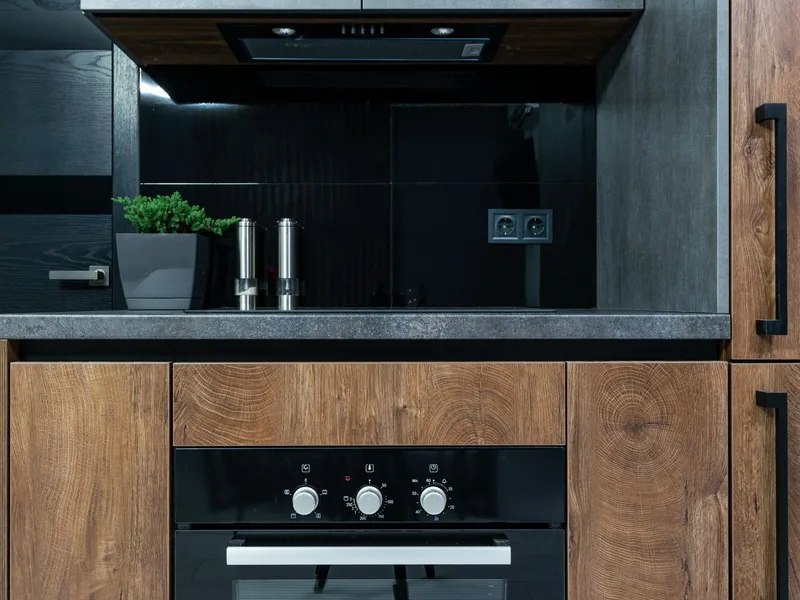
Grease and protein feeders nest in exposed ground between new schemes where damp foundations and open pits offer warm shelter and moisture.
The trail and its direction
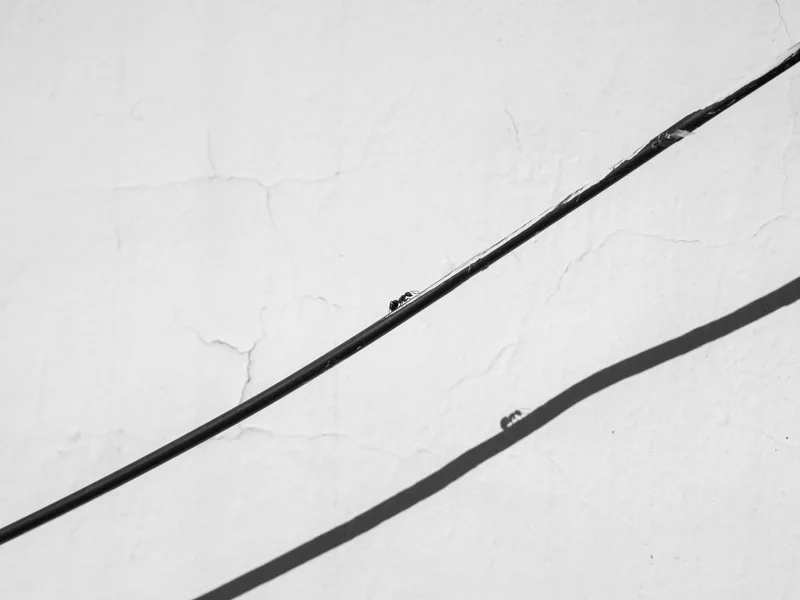
The trail in the new scheme runs from vacant land into new foundations before building is finished. Following it requires access to the site with the contractor's permission.
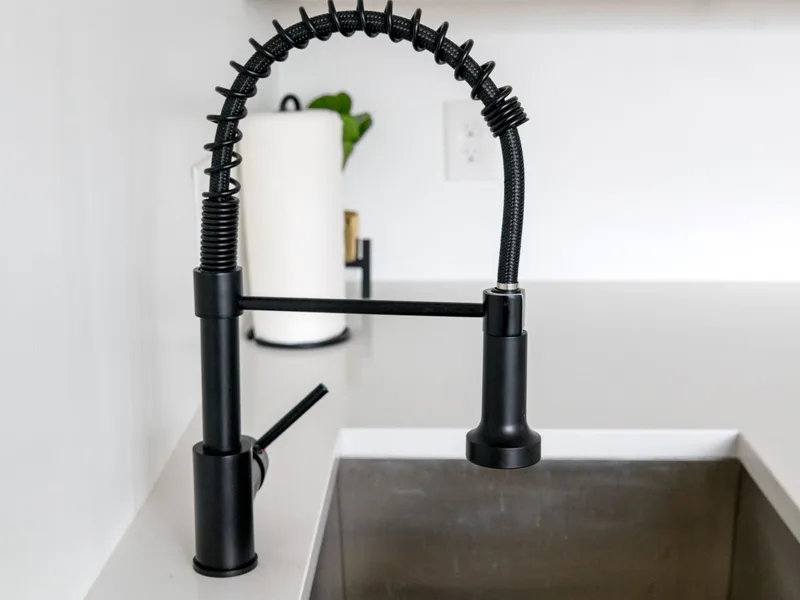
Moisture before food
Moisture from open excavations, new foundations and temporary drainage in new schemes creates damp conditions where ants thrive rapidly.
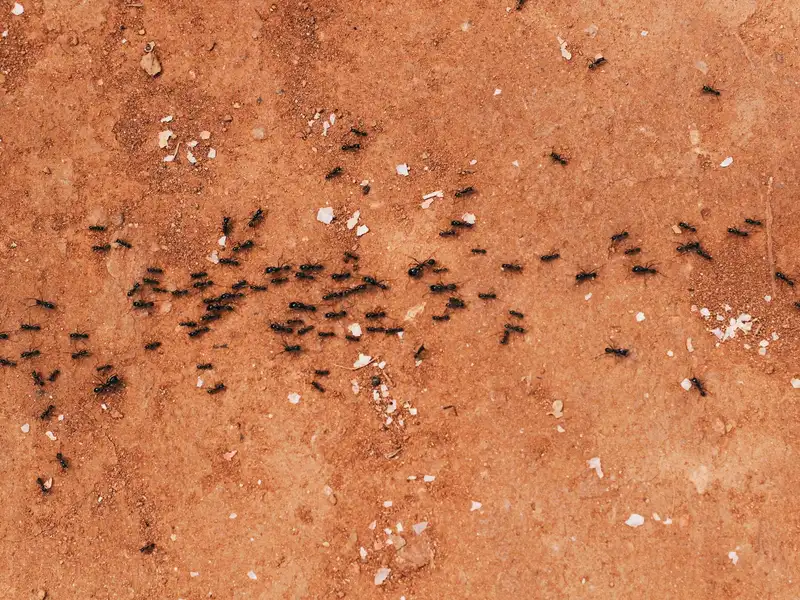
The nest outside the building
The nest outside sits in soil directly under the new foundation or in surrounding vacant plots. Most new schemes have never been treated preventively, so ants establish easily.
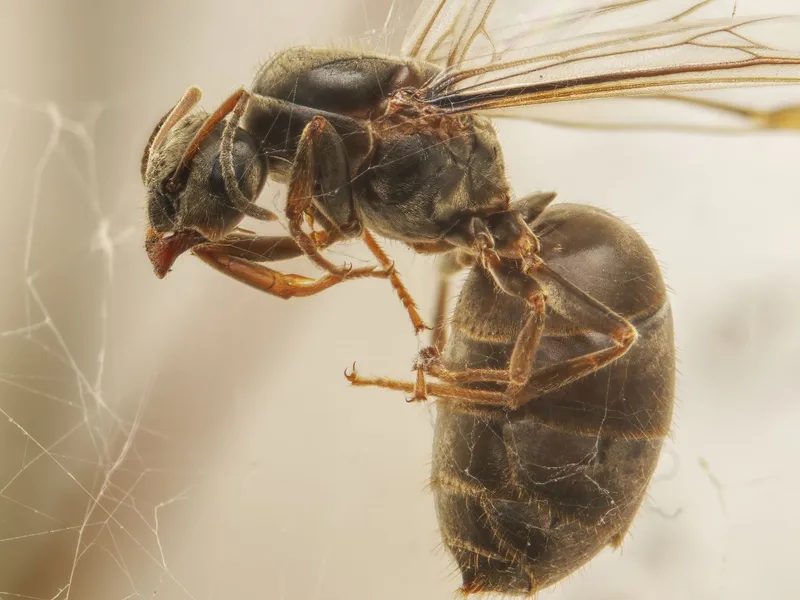
Winged ants
Winged ants appear in new schemes after the first year of occupation, when colonies nesting in foundations and floors have matured and expanded.
How we work
-
1
Inspect and follow the trail
We follow the line from where you see it to where it enters, and establish the species, what it is feeding on and the moisture keeping the nest close.
-
2
Matched bait placed on the trail
We choose the matrix from the feeding preference and place it on the trail itself, leaving the trail intact so the workers carry it to the queen and the brood.
-
3
Treat the perimeter and close the ways in
An external treatment at the wall base and the openings, and we point out the cracks, pipe entries and any branch touching the building.
-
4
The follow-up visit
We come back once the bait has worked through the nest, check the trail is gone, and look for a satellite nest if a new line has appeared.
What ant control includes
-

Following the trail to its source
Species, entry point and the direction of the nest, established before anything is applied.
-

Bait matched to the colony
Sugar or protein according to what the workers are carrying, placed on the trail rather than near it.
-

An external perimeter treatment
A band at the wall base and the outside openings, with the indoor trail left unsprayed so it keeps carrying bait.
-

Moisture points and entries
Condensate lines, sink surrounds, weep holes and pipe entries, which are what keeps a nest against the building.
-

Aftercare instructions
What not to wipe until the bait has been taken, what to cover, and when normal cleaning can resume.
-

A scheduled follow-up
A set date to check the nest and re-bait anywhere still active.
The character of Al Qararah Wa Al Naqa
New development: ongoing construction and vacant plots between the homes
New development means ants will certainly arrive at first, but preventive treatment during construction stops them entirely. After occupation, tracking becomes difficult and ants spread fast, so timing is the key.
Questions about this district
Are ants in new schemes normal or a sign of a building flaw?
Ants in new schemes are completely normal. New foundations in damp soil attract them. Projects near old drains or small seepage areas see rapid ant spread in the first year.
Is preventive treatment before handover better than after?
Preventive treatment before handover is much better. We treat soil around new foundations before walls are raised. After handover and occupation, reaching floors and bases becomes difficult.
Why do ants in new schemes appear in such large numbers?
New schemes are built on ground that was not occupied before. Deep digging breaks apart natural ant nests in the soil. The displaced ants seek new shelter quickly, so concentrations are very high.
Are the empty plots between new houses dangerous for ants?
Empty plots offer perfect ant shelter. A nest may sit directly under the new house or beside it. Before sale or occupation, we treat surrounding land to stop ants from entering from the start.
Does treating one house in the scheme stop ants in the rest?
No. Ants in a new scheme come from the broad surrounding soil. Treating one house will not stop ants entering neighbouring homes from the exposed ground around them.
Does the Rua Al Haram redevelopment affect this area?
Yes. Deep excavation and building in the Rua project displaces large ant colonies. Some ants migrate to adjoining neighbourhoods, especially new schemes that have not yet been treated.
How much does ant control in Al Qararah Wa Al Naqa cost?
It is set after the inspection, because the price follows the type of infestation, the size of the space, how far it has spread and the number of visits it needs. Send a photo and a description on WhatsApp and we will give you an estimate before we reach Al Qararah Wa Al Naqa.
Nearby districts we cover
Other services in Al Qararah Wa Al Naqa
Other services we provide to residents of Al Qararah Wa Al Naqa.
-
 Residential
Cockroach control
Residential
Cockroach control
-
 Residential
Bed bug control
Residential
Bed bug control
-
 Residential
Termite control
Residential
Termite control
-
 Residential
Rodents and mice
Residential
Rodents and mice
-
 Residential
Mosquito control
Residential
Mosquito control
-
 Residential
Fly control
Residential
Fly control
-
 Residential
Gecko control
Residential
Gecko control
-
 Residential
Scorpion control
Residential
Scorpion control
-
 Residential
Snake control
Residential
Snake control
-
 Residential
Flea control
Residential
Flea control
-
 Residential
Bird and pigeon control
Residential
Bird and pigeon control
-
 Residential
Preventive treatment
Residential
Preventive treatment
-
 Residential
Disinfection
Residential
Disinfection
-
 Commercial
Annual contracts
Commercial
Annual contracts
-
 Commercial
Restaurants and cafes
Commercial
Restaurants and cafes
-
 Commercial
Hotels and apartments
Commercial
Hotels and apartments
-
 Commercial
Warehouses and factories
Commercial
Warehouses and factories
-
 Commercial
Schools and nurseries
Commercial
Schools and nurseries
-
 Commercial
Retail and malls
Commercial
Retail and malls
-
 Commercial
Rest houses and farms
Commercial
Rest houses and farms
-
 Commercial
Fumigation
Commercial
Fumigation
-
 Water tanks
Water tank cleaning
Water tanks
Water tank cleaning
-
 Water tanks
Water tank sterilization
Water tanks
Water tank sterilization
-
 Water tanks
Water tank sealing
Water tanks
Water tank sealing
-
 Water tanks
Tank leak repair
Water tanks
Tank leak repair
Need ant control in Al Qararah Wa Al Naqa? Tell us what you saw and we will tell you what it needs
We reach Al Qararah Wa Al Naqa at a time we agree, and you get the full cost before we start.