
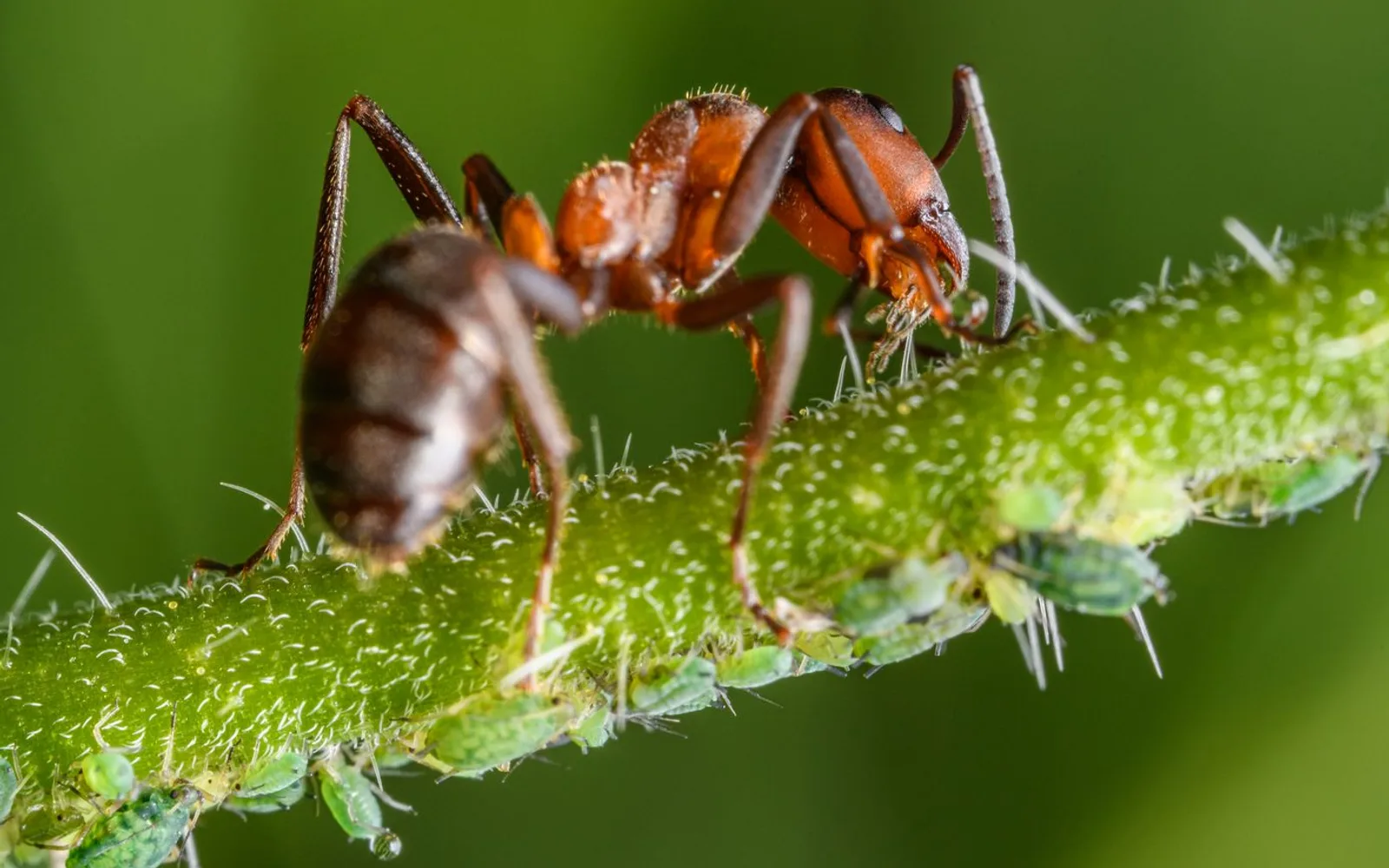
Ant control in Usaylah Makkah
Usaylah is a new planned suburb west of Al Sharai on open hilly ground, with villas and apartment blocks rising amid large vacant plots. Wadi channels cut through it carrying flash floods after rain, and ants arrive from the high surrounding ground and wadis.
-
Targeted, not broadcast
Product goes into cracks and runways, never sprayed across open surfaces.
-
Told before we start
What we will use, where it goes, and what to cover or move before we arrive.
-
A follow-up visit
We return after the first treatment, because what survives it does not show on the day.
-
Homes and businesses
Apartments and villas, and kitchens and stores that need a record of each visit.
Why they keep coming back in Usaylah
The wadis dry after rain leaving damp silt, and constant construction awakens ants from the ground. The district is ringed by open hillsides. The method is set out in full on what Ant control involves.
Wadis bring moisture and ants together
Wadi channels such as Wadi Saraf and Wadi Al Mughammas cut through the district carrying flash floods immediately after rain. The floods leave damp silt on the ground and foundations, and ants follow the water, living in damp soil right beside the houses.
Vacant plots gather water and ants
The large vacant plots between villas and buildings collect water from rain and irrigation, creating ideal ant habitat. In some areas building stops and empty land remains for years undisturbed.
Building on hills awakens sleeping ants
Excavation and building on the hilly terrain awakens old dormant colonies. Every new foundation digs into soil layers containing ants. The high ground has stored ants for years.
Usaylah on the map
Usaylah sits about 2.5 km from Badr and about 4 km from Maqam.
Open in Google MapsThe species and the trail decide the bait
A newly built planned suburb north of the Fourth Ring Road between Wadi Jalil, Al Muaysim and Badr, a large residential and commercial scheme on hilly terrain with substantial vacant land still remaining.
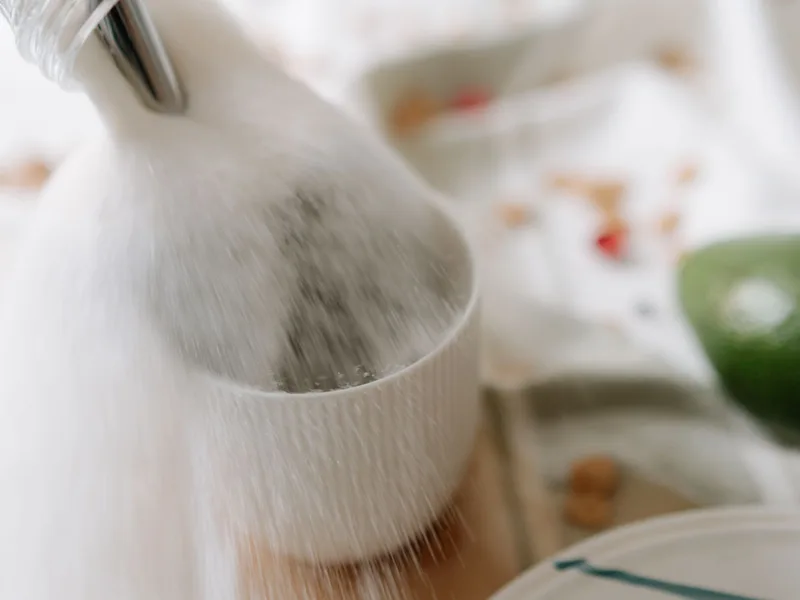
The sweet feeders
Sugar, fruit and sweets in the house attract ants from damp soil and the nearby wadis.

The grease and protein feeders
Fats, oils and food scraps leave trails followed by ants from vacant plots and wadis toward the house.
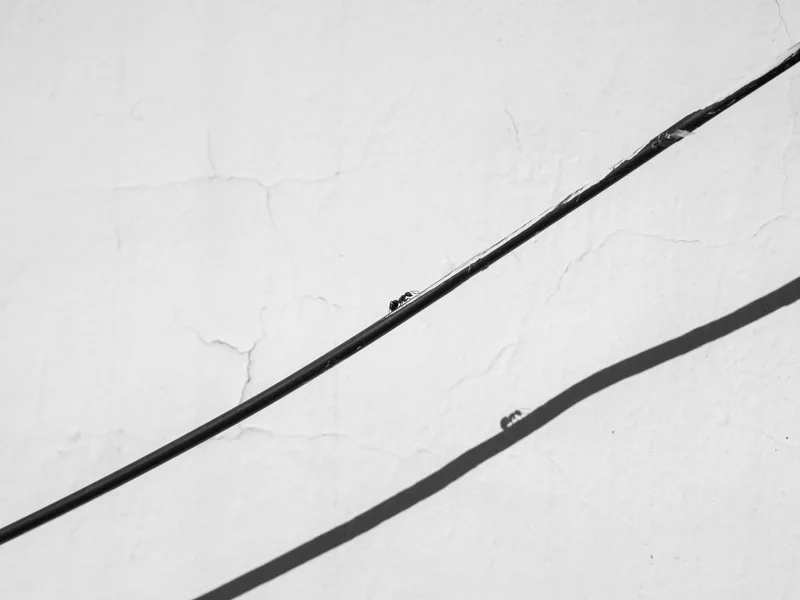
The trail and its direction
Ant trails arrive from wadis, vacant plots and hilly terrain and climb the foundation and external walls.
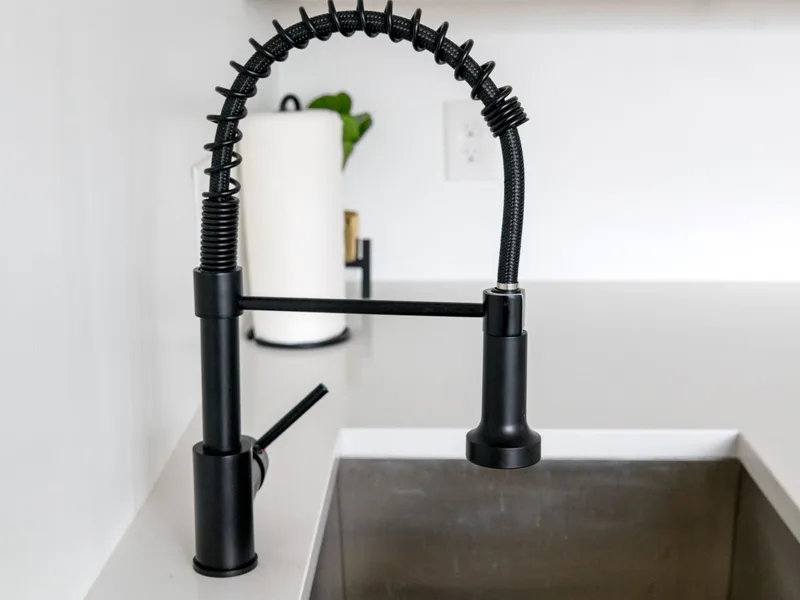
Moisture before food
Moisture from wadis, floods, rain and vacant plots collects, drawing ants constantly.
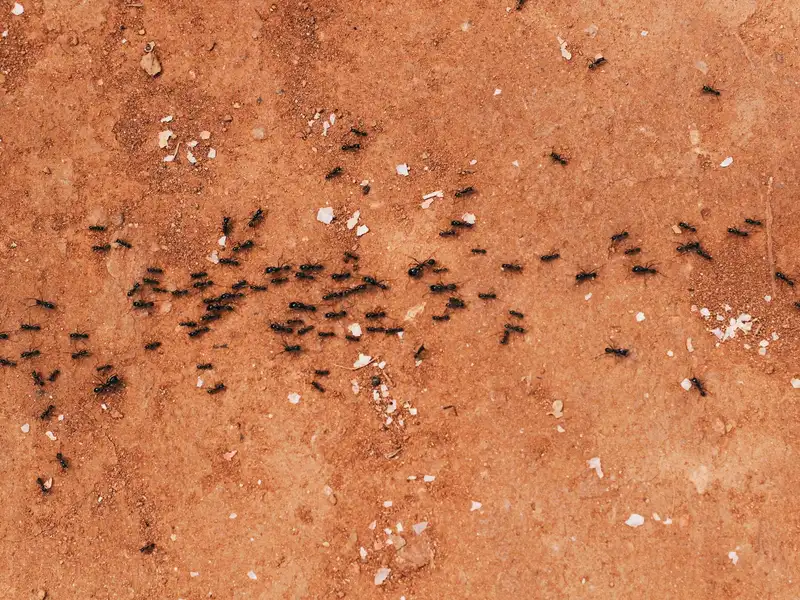
The nest outside the building
The nest is usually in vacant plots, hilly terrain, wadi channels, sub floor voids and damp foundations.
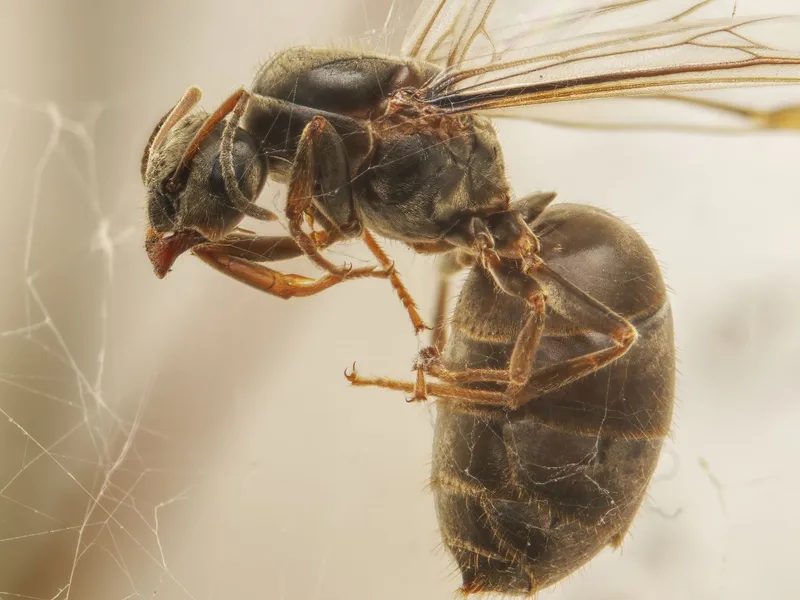
Winged ants
Winged ants emerge from vacant plots, wadis and open ground during breeding season and may enter the house through gaps and windows.
How we work
-
1
Inspect and follow the trail
We follow the line from where you see it to where it enters, and establish the species, what it is feeding on and the moisture keeping the nest close.
-
2
Matched bait placed on the trail
We choose the matrix from the feeding preference and place it on the trail itself, leaving the trail intact so the workers carry it to the queen and the brood.
-
3
Treat the perimeter and close the ways in
An external treatment at the wall base and the openings, and we point out the cracks, pipe entries and any branch touching the building.
-
4
The follow-up visit
We come back once the bait has worked through the nest, check the trail is gone, and look for a satellite nest if a new line has appeared.
What ant control includes
-

Following the trail to its source
Species, entry point and the direction of the nest, established before anything is applied.
-

Bait matched to the colony
Sugar or protein according to what the workers are carrying, placed on the trail rather than near it.
-

An external perimeter treatment
A band at the wall base and the outside openings, with the indoor trail left unsprayed so it keeps carrying bait.
-

Moisture points and entries
Condensate lines, sink surrounds, weep holes and pipe entries, which are what keeps a nest against the building.
-

Aftercare instructions
What not to wipe until the bait has been taken, what to cover, and when normal cleaning can resume.
-

A scheduled follow-up
A set date to check the nest and re-bait anywhere still active.
What is different about Al Sharai Sub-Municipality
Al Sharai is the eastern growth front of Makkah along King Faisal Road and the Taif road. Settled quarters sit beside recently renamed schemes where plots are still vacant and buildings are going up, so construction sites, fill and open excavations lie next to occupied homes. Wadi channels such as Wadi Mudarraja, Wadi Al Sharai and Wadi Al Mughammas carry flash floods after rain and dry out to damp silt, while dust blows off the open hills. Roadside shops, restaurants and warehouses line the Taif road, and to the east the area shades into villages, palm farms and springs.
Questions about this district
Do the ants in Usaylah come from the wadis immediately after rain?
Yes. The wadis carry floods and moisture and ants together. Right after rain, moisture increases and ants crawl toward houses. Treating before the rainy season protects against this.
Is treating my house alone enough or must the wadis be treated too?
Treating the house alone may not be enough. The wadis are very close and moisture arrives directly from them. Treating the house, the surrounding ground and areas near the wadi is more reliable.
Building continues next to my house. Does this mean more ants in the district?
Yes, much more. Excavation and building awakens new ants. The district has new building and new digging every month. Regular treatment is more effective than a single visit.
Do the large vacant plots around my house attract more ants?
Yes, large empty plots collect water and damp soil and become ant strongholds. Ants live in these plots and crawl toward the adjacent occupied houses.
Should a new villa in the suburb be treated every year?
A new house in the suburb should be treated before or just after moving in. After that regular treatment every six months prevents ants. The suburb around you has constant building and wadi flooding.
Does moisture from the wadis continue even if the suburb is treated?
The wadis bring moisture naturally and treatment does not stop that. But treating the ground around your house and areas near the wadi significantly reduces the impact.
How much does ant control in Usaylah cost?
It is set after the inspection, because the price follows the type of infestation, the size of the space, how far it has spread and the number of visits it needs. Send a photo and a description on WhatsApp and we will give you an estimate before we reach Usaylah.
Other services in Usaylah
Other services we provide to residents of Usaylah.
-
 Residential
Cockroach control
Residential
Cockroach control
-
 Residential
Bed bug control
Residential
Bed bug control
-
 Residential
Termite control
Residential
Termite control
-
 Residential
Rodents and mice
Residential
Rodents and mice
-
 Residential
Mosquito control
Residential
Mosquito control
-
 Residential
Fly control
Residential
Fly control
-
 Residential
Gecko control
Residential
Gecko control
-
 Residential
Scorpion control
Residential
Scorpion control
-
 Residential
Snake control
Residential
Snake control
-
 Residential
Flea control
Residential
Flea control
-
 Residential
Bird and pigeon control
Residential
Bird and pigeon control
-
 Residential
Preventive treatment
Residential
Preventive treatment
-
 Residential
Disinfection
Residential
Disinfection
-
 Commercial
Annual contracts
Commercial
Annual contracts
-
 Commercial
Restaurants and cafes
Commercial
Restaurants and cafes
-
 Commercial
Hotels and apartments
Commercial
Hotels and apartments
-
 Commercial
Warehouses and factories
Commercial
Warehouses and factories
-
 Commercial
Schools and nurseries
Commercial
Schools and nurseries
-
 Commercial
Retail and malls
Commercial
Retail and malls
-
 Commercial
Rest houses and farms
Commercial
Rest houses and farms
-
 Commercial
Fumigation
Commercial
Fumigation
-
 Water tanks
Water tank cleaning
Water tanks
Water tank cleaning
-
 Water tanks
Water tank sterilization
Water tanks
Water tank sterilization
-
 Water tanks
Water tank sealing
Water tanks
Water tank sealing
-
 Water tanks
Tank leak repair
Water tanks
Tank leak repair
Need ant control in Usaylah? Tell us what you saw and we will tell you what it needs
We reach Usaylah at a time we agree, and you get the full cost before we start.