

Bird and pigeon control in Al Ajwad Jeddah
Al Ajwad is a mixed district with shops on the ground floor and apartments stacked above, so pigeons nest on the commercial facades and upper ledges of the storefronts. Droppings fall on shoppers and damage storefront finishes, and removing nests means coordinating with shop tenants and residential landlords simultaneously. The work must account for business hours and tenant access.
-
Targeted, not broadcast
Product goes into cracks and runways, never sprayed across open surfaces.
-
Told before we start
What we will use, where it goes, and what to cover or move before we arrive.
-
A follow-up visit
We return after the first treatment, because what survives it does not show on the day.
-
Homes and businesses
Apartments and villas, and kitchens and stores that need a record of each visit.
Why they keep coming back in Al Ajwad
Pigeons select the top edges of commercial premises and the cornices above glazed shop fronts because they are safe from human interference and directly above food sources. The method is set out in full on how we approach Bird and pigeon control.
Commercial frontages concentrate large pigeon populations
Shops and restaurants leave food debris on pavements and in alleyways, and pigeons nest on the storefront ledge then drop directly to feed. Droppings rain onto pavements and facades triggering complaints from shoppers and pedestrians. We start by identifying all accessible food sources and working with shop owners on containment, then fit the deterrent to stop the bird access.
Coordination between shop tenants and residential owners above
The shop may be rented while the flats above are separately owned, and exterior modifications need approval from both. Some owners fear loss of rental appeal or visual intrusion, so we present the plan to each stakeholder separately, explain the benefits and show visual mockups, then work through a managing agent if necessary.
Mixed rooflines offer pigeons multiple safe perching spots
Flat roofs, cornices, parapet boxes and tank surrounds create wind-sheltered refuges, and roof tanks and distribution pipework keep pigeons nearby for convenient access. We cover all vents and install comprehensive barriers across the full roof perimeter including tank zones and pipe runs.
Al Ajwad on the map
Al Ajwad sits about 2 km from Al Manar and about 2.5 km from Al Samir.
Open in Google MapsThe building decides which deterrent works
Al Ajwad Street is a busy commercial axis lined with villas and apartment buildings. Water from restaurant and shop drains provides steady moisture and the mixed rooflines offer multiple nesting ledges at different heights.
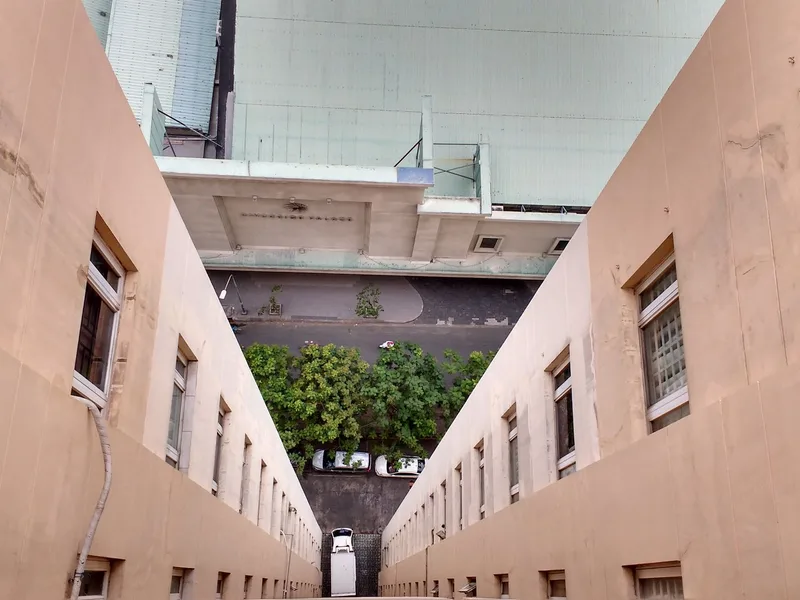
Ledge width
The upper ledge of commercial premises is a prime nesting site because it is safe and directly above food sources, so we fit delicate deterrents that preserve the shop facade appearance.
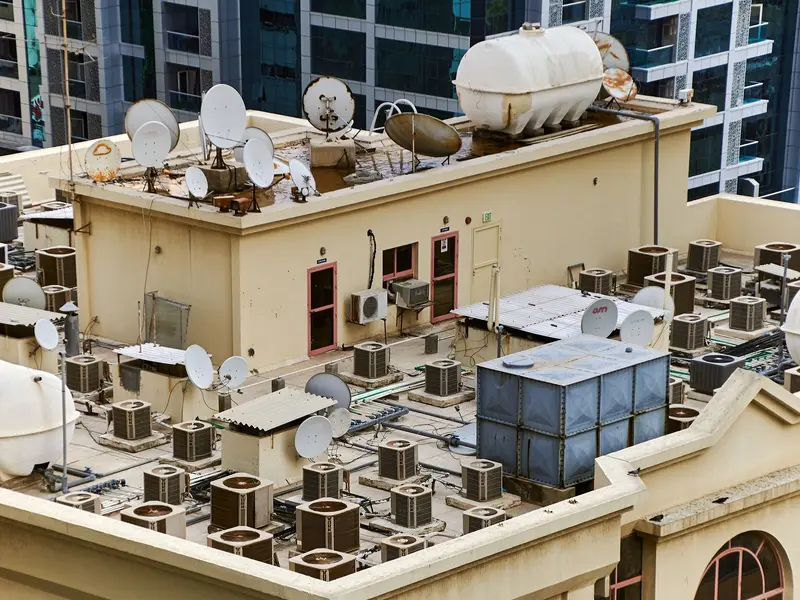
Air conditioning platforms
Distribution pipes and air conditioning units on mixed-use roofs leak contaminated water that attracts pigeons and insects to the roof zone.
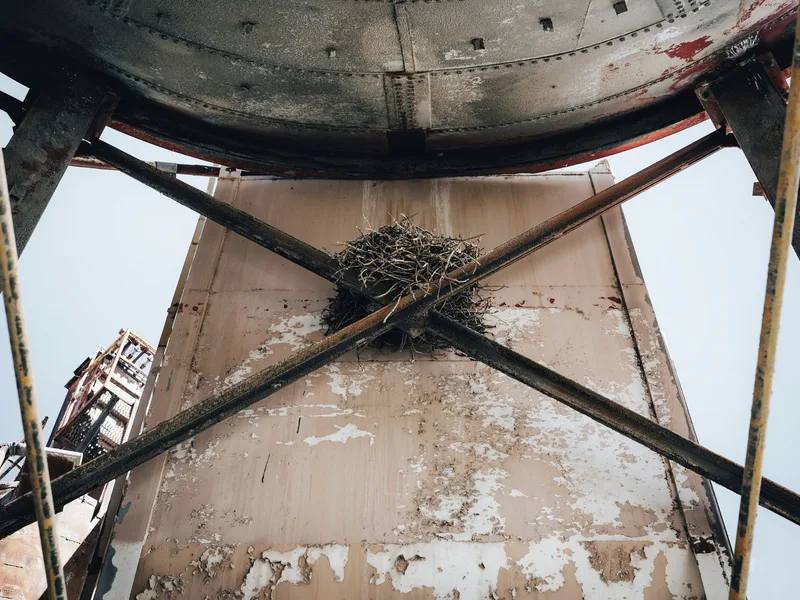
The nest itself
Nests tucked behind pipe runs and electrical lines gain additional protection from predatory birds, and cleaning costs rise because droppings are harder to reach and remove.
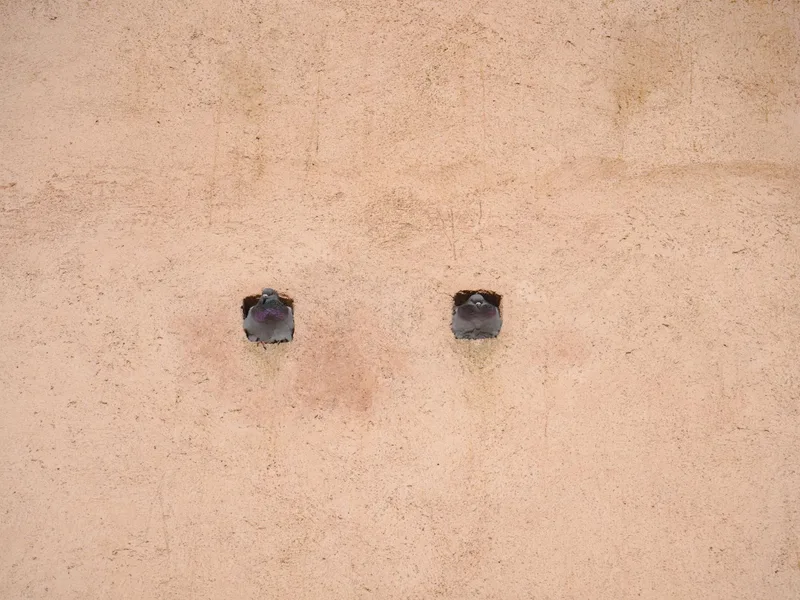
The droppings pattern
Accumulated droppings stain glass facades and stone finishes with marks that resist standard cleaning methods and require specialist treatment.
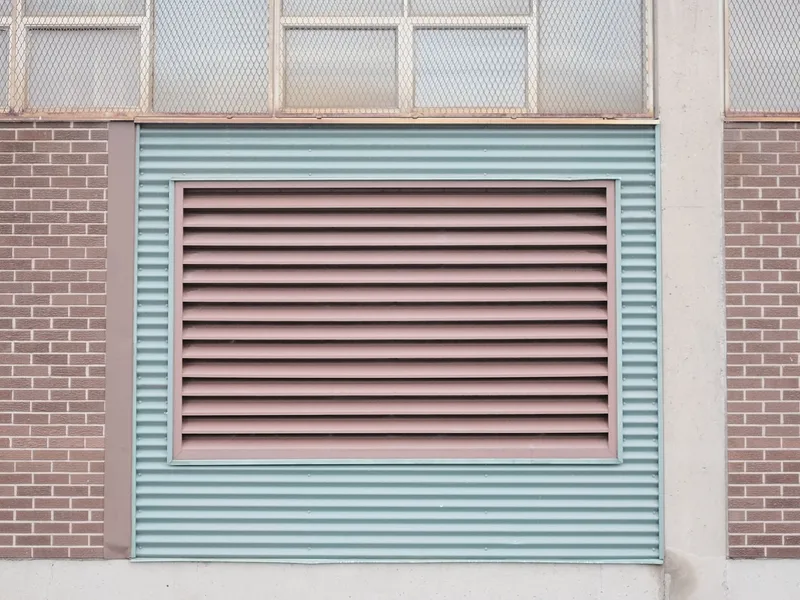
Openings and shafts
Roof vents and gaps in older buildings between exterior walls and insulation provide rodents and pigeons with safe internal routes away from predators.
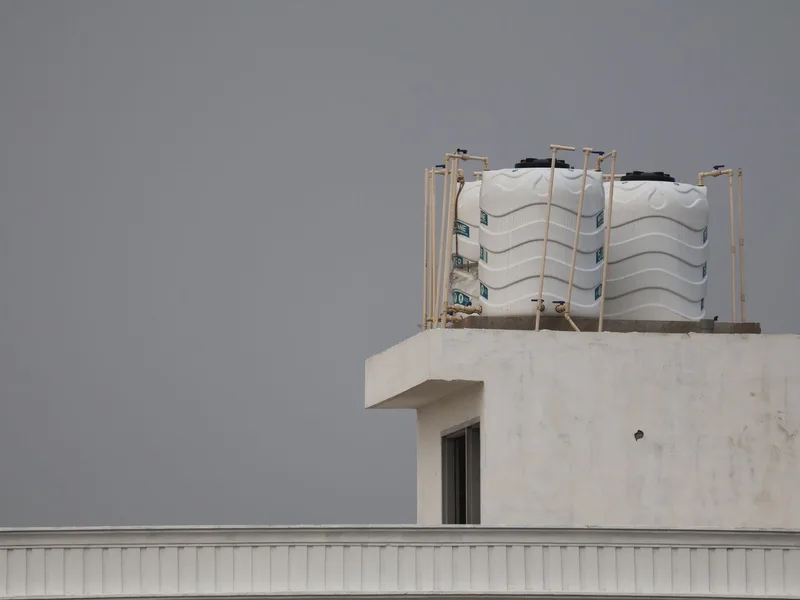
Around the roof tank
The roof tank perimeter is surrounded by cooling lines and distribution pipework that offer safe perching and access points for pigeons to roost and nest nearby.
How we work
-
1
Survey the roof and the facade
We walk the roof, the projections, the condenser platforms and the shafts, separate the nesting positions from the perching ones, and measure and photograph every ledge.
-
2
Strip the nests and treat the parasites
Droppings are wetted before they are lifted so nothing goes airborne dry, bagged closed, and the nest position is treated for ticks and mites before the surface is sanitised.
-
3
Close and fit
Netting tensioned on a perimeter wire with no gap at the corners, spikes or wire on the narrow projections, metal mesh across vents and shafts, and the roof drains freed of the nest material packing them.
-
4
The follow-up visit
We come back to check the tension, the corners and any position the flock has moved to, and correct what has slackened before a bird finds it.
What bird and pigeon control includes
-

A recorded survey
Every ledge, condenser platform and shaft, photographed, with nesting separated from perching before anything is chosen.
-

Nest removal and drain clearing
Lifted wet rather than swept dry, bagged closed, and the roof drains freed of the nest material packing them.
-

Parasite treatment and sanitising
The nest position treated for ticks and mites, then the surface the droppings sat on sanitised.
-

Sealing and fitting the deterrents
Netting tensioned on a perimeter wire, spikes or wire on narrow projections, and metal mesh across ventilation openings.
-

Aftercare instructions
The condensate water, food left on the roof, and what should not sit beside a ledge if the attraction is to stay gone.
-

A follow-up on tension and corners
Netting slackens and corners open over time; the visit corrects that and closes any new position.
What is different about Briman Sub-Municipality
Briman sub-municipality sits east of the Haramain expressway on Jeddah's north eastern edge. Its older quarters are planned grids of villas and walk-up flats, while the outer districts are new subdivisions still being built out. Seasonal wadis such as Wadi Umm Hablain and Wadi Al Asla cross the area, groundwater runs high in places, and drainage networks in the newer districts are incomplete, so soil around foundations stays damp. Vacant plots, live building sites and constant dust give crawling insects and rodents easy routes into homes, and the food outlets along the main arteries keep them supplied.
Questions about this district
Shop droppings fall on customer heads, can you solve this from the source?
Yes, we remove all nests and accumulated droppings first, then install ledge barriers to stop pigeons landing on the storefront. Heavy fouling may need deep facade cleaning before fixing, using mild pressure and safe solvents.
Will fitting deterrents spoil the look of the shop's glass facade?
We specify low-profile products and neutral colours that suit modern storefronts. Fine spikes and transparent netting provide protection without visually dominating the elevation, and can even improve the professional appearance by stopping staining.
Do the residents in the flats above suffer the same problem?
Yes, flat dwellers face the same pigeon pressure and droppings can cause biting insects indoors. We extend barriers across all ledges surrounding the building including the upper floor sills and roof edges so protection is complete.
Shops open waste bins early in the morning, does this attract more pigeons?
Yes, exposed waste attracts large pigeon and bird numbers throughout the day. We recommend waste containers stay covered and pavements are swept daily to reduce food availability, which reduces pigeon numbers even if sources cannot be eliminated entirely.
Does sewage leakage under the shops attract pigeons back?
Yes, drainage leaks attract insects and rodents, which in turn attract pigeons scavenging for protein. If a structural drainage issue exists we address immediate nest control first then recommend root cause repair to prevent reinfestation cycles.
After fitting will pigeons move to nearby districts or disappear entirely?
Pigeons may relocate to neighbouring areas if food sources remain available there. However large populations depend on established food locations, so pigeon numbers may decline if combined with food waste management improvements in this district.
How much does bird and pigeon control in Al Ajwad cost?
It is set after the inspection, because the price follows the type of infestation, the size of the space, how far it has spread and the number of visits it needs. Send a photo and a description on WhatsApp and we will give you an estimate before we reach Al Ajwad.
Nearby districts we cover
Other services in Al Ajwad
Other services we provide to residents of Al Ajwad.
-
 Residential
Cockroach control
Residential
Cockroach control
-
 Residential
Bed bug control
Residential
Bed bug control
-
 Residential
Termite control
Residential
Termite control
-
 Residential
Rodents and mice
Residential
Rodents and mice
-
 Residential
Mosquito control
Residential
Mosquito control
-
 Residential
Fly control
Residential
Fly control
-
 Residential
Ant control
Residential
Ant control
-
 Residential
Gecko control
Residential
Gecko control
-
 Residential
Scorpion control
Residential
Scorpion control
-
 Residential
Snake control
Residential
Snake control
-
 Residential
Flea control
Residential
Flea control
-
 Residential
Preventive treatment
Residential
Preventive treatment
-
 Residential
Disinfection
Residential
Disinfection
-
 Commercial
Annual contracts
Commercial
Annual contracts
-
 Commercial
Restaurants and cafes
Commercial
Restaurants and cafes
-
 Commercial
Hotels and apartments
Commercial
Hotels and apartments
-
 Commercial
Warehouses and factories
Commercial
Warehouses and factories
-
 Commercial
Schools and nurseries
Commercial
Schools and nurseries
-
 Commercial
Retail and malls
Commercial
Retail and malls
-
 Commercial
Rest houses and farms
Commercial
Rest houses and farms
-
 Commercial
Fumigation
Commercial
Fumigation
-
 Water tanks
Water tank cleaning
Water tanks
Water tank cleaning
-
 Water tanks
Water tank sterilization
Water tanks
Water tank sterilization
-
 Water tanks
Water tank sealing
Water tanks
Water tank sealing
-
 Water tanks
Tank leak repair
Water tanks
Tank leak repair
Need bird and pigeon control in Al Ajwad? Tell us what you saw and we will tell you what it needs
We reach Al Ajwad at a time we agree, and you get the full cost before we start.