
Bird and pigeon control in Al Amwaj Jeddah
Al Amwaj is a northern coastal district south of Al Lulu, with villas and recent residential compounds and plots still being built, between Obhur Road and Prince Abdulmajeed Road. High sea humidity and salt keep the roofs damp year round, and the beach resorts on the seafront provide constant food for pigeons.
-
Targeted, not broadcast
Product goes into cracks and runways, never sprayed across open surfaces.
-
Told before we start
What we will use, where it goes, and what to cover or move before we arrive.
-
A follow-up visit
We return after the first treatment, because what survives it does not show on the day.
-
Homes and businesses
Apartments and villas, and kitchens and stores that need a record of each visit.
Why they keep coming back in Al Amwaj
Beach resorts on the seafront provide food from visitors and restaurants, and pigeons become accustomed to gathering near people. The method is set out in full on Bird and pigeon control in detail.
High sea humidity and salt in the air
Sea moisture and salt air weaken timber and concrete ledges. Roofs stay damp most of the time and cracks widen from constant erosion.
Beach resorts and steady food supply
Resorts and restaurants on the shore supply constant food for pigeons. Visitors throw bread and restaurants discard waste directly into the sea, and pigeons feed on both.
Building sites and exposed openings
Neighbouring plots under construction provide open excavations and deep gaps. Pigeons use these openings as temporary shelters before settling on the villas.
The character of Al Amwaj
Coastal area: high humidity and salt air through the year
In Al Amwaj a coastal area, humidity and salt weaken barriers and deterrents quickly, so treatment needs strong rust resistant and moisture proof materials. Beach resorts provide steady food for pigeons, which means the solution focuses on strong physical protection rather than relying on food scarcity.
The building decides which deterrent works
The northern coastal zone provides high humidity year round and salty winds, making timber and ledges weak and easy to nest in.
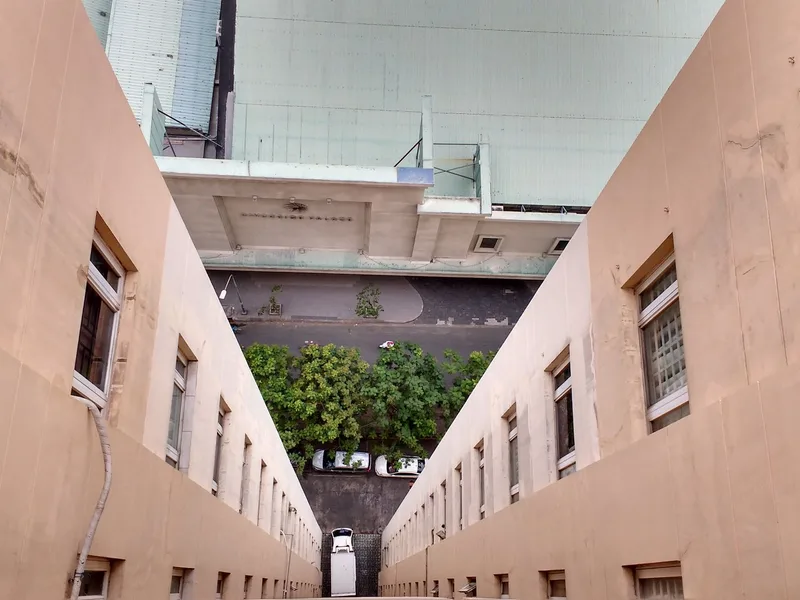
Ledge width
Broad ledges on coastal villas stay damp from moisture and salt, and cracks widen quickly.
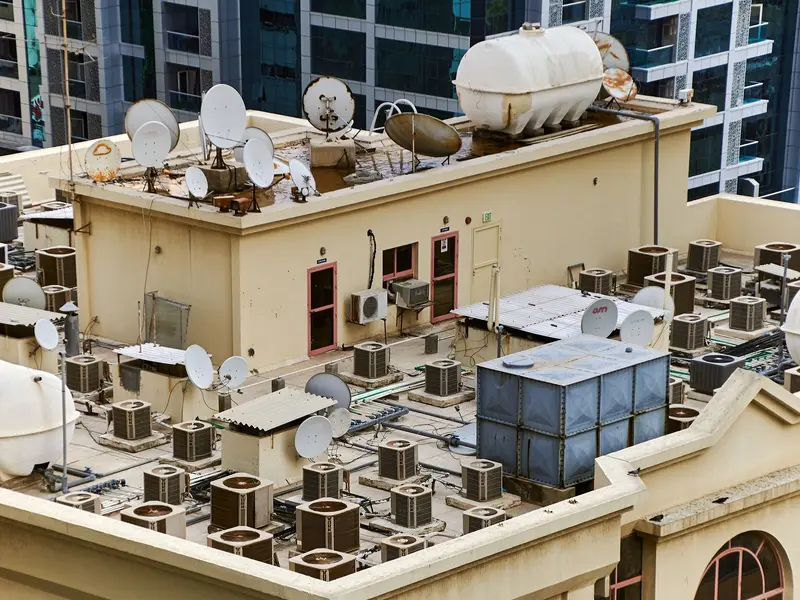
Air conditioning platforms
Air conditioning unit bases on roofs are exposed to salt and winds, and rust leaves gaps around the units.
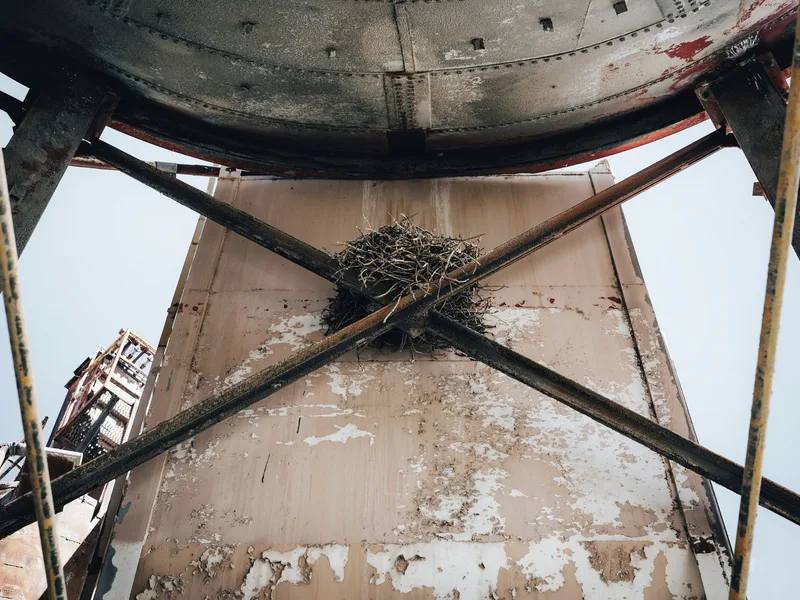
The nest itself
Nests appear on ledges, openings and sheltered corners on the villas.
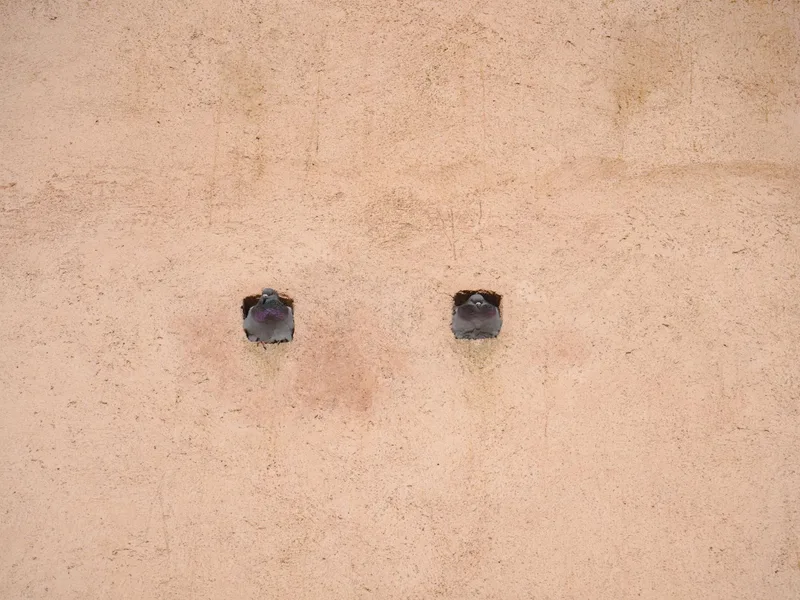
The droppings pattern
Droppings from resorts and restaurants fall directly onto roofs and lower flats.
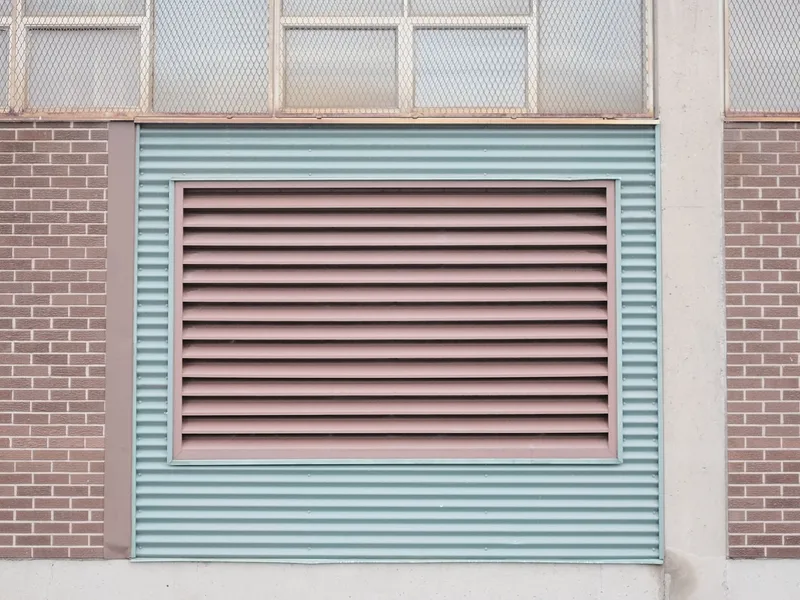
Openings and shafts
Wide openings on modern villas provide easy entry for pigeons and sea birds.
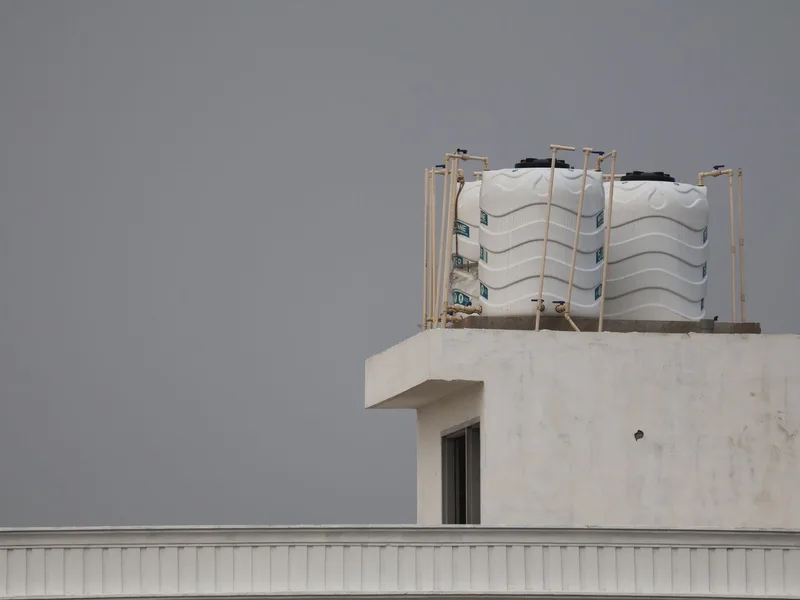
Around the roof tank
Roof water tanks sit fully exposed and pigeons roost on them and directly contaminate the water.
How we work
-
1
Survey the roof and the facade
We walk the roof, the projections, the condenser platforms and the shafts, separate the nesting positions from the perching ones, and measure and photograph every ledge.
-
2
Strip the nests and treat the parasites
Droppings are wetted before they are lifted so nothing goes airborne dry, bagged closed, and the nest position is treated for ticks and mites before the surface is sanitised.
-
3
Close and fit
Netting tensioned on a perimeter wire with no gap at the corners, spikes or wire on the narrow projections, metal mesh across vents and shafts, and the roof drains freed of the nest material packing them.
-
4
The follow-up visit
We come back to check the tension, the corners and any position the flock has moved to, and correct what has slackened before a bird finds it.
What bird and pigeon control includes
-

A recorded survey
Every ledge, condenser platform and shaft, photographed, with nesting separated from perching before anything is chosen.
-

Nest removal and drain clearing
Lifted wet rather than swept dry, bagged closed, and the roof drains freed of the nest material packing them.
-

Parasite treatment and sanitising
The nest position treated for ticks and mites, then the surface the droppings sat on sanitised.
-

Sealing and fitting the deterrents
Netting tensioned on a perimeter wire, spikes or wire on narrow projections, and metal mesh across ventilation openings.
-

Aftercare instructions
The condensate water, food left on the roof, and what should not sit beside a ledge if the attraction is to stay gone.
-

A follow-up on tension and corners
Netting slackens and corners open over time; the visit corrects that and closes any new position.
Landmarks of Al Amwaj
Work in Al Amwaj is organised along Obhur Road which forms the southern boundary of the district, and SOL Beach Resort which anchors the seafront; we schedule treatment according to each villa's distance from the beach and the resorts.
- Obhur Road
- Prince Abdulmajeed Road
- Prince Nayef Street
- Prince Abdullah Al Faisal Street
- SOL Beach Resort
Questions about this district
Does salt air and moisture affect how well the deterrents work?
Yes significantly. Salt rusts metals quickly and moisture weakens adhesives. We use much stronger salt resistant materials here, like plastic spikes and mesh treated with multiple protective coatings.
Will strong sea breezes loosen or damage the fitted netting and spikes?
Yes strong winds can weaken fitting. We use stronger fixings and more fasteners here. Regular inspection is very important in coastal areas.
A chalet closes for months in summer, will insects and pigeons settle in it?
Often yes. A closed chalet becomes a safe refuge. We recommend treating the chalet before closure and fitting barriers to all openings.
The beach resort next door strongly attracts pigeons; what can we do?
Yes significantly. Resorts provide steady food and visitors throw crumbs. We recommend treating your villa's roofs to a higher standard close to the resort.
After treatment will pigeons come back from nearby districts?
They may try from Al Lulu or Al Shira. But if they find Al Amwaj too well defended, they will look for easier targets. Good treatment stops them returning quickly.
Both pigeons and sea birds arrive; is the treatment the same for both?
Sea birds are larger and need harsher treatment. We use longer spikes and stronger barriers. Unified treatment protects against both types.
How much does bird and pigeon control in Al Amwaj cost?
It is set after the inspection, because the price follows the type of infestation, the size of the space, how far it has spread and the number of visits it needs. Send a photo and a description on WhatsApp and we will give you an estimate before we reach Al Amwaj.
Nearby districts we cover
Other services in Al Amwaj
Other services we provide to residents of Al Amwaj.
-
 Residential
Cockroach control
Residential
Cockroach control
-
 Residential
Bed bug control
Residential
Bed bug control
-
 Residential
Termite control
Residential
Termite control
-
 Residential
Rodents and mice
Residential
Rodents and mice
-
 Residential
Mosquito control
Residential
Mosquito control
-
 Residential
Fly control
Residential
Fly control
-
 Residential
Ant control
Residential
Ant control
-
 Residential
Gecko control
Residential
Gecko control
-
 Residential
Scorpion control
Residential
Scorpion control
-
 Residential
Snake control
Residential
Snake control
-
 Residential
Flea control
Residential
Flea control
-
 Residential
Preventive treatment
Residential
Preventive treatment
-
 Residential
Disinfection
Residential
Disinfection
-
 Commercial
Annual contracts
Commercial
Annual contracts
-
 Commercial
Restaurants and cafes
Commercial
Restaurants and cafes
-
 Commercial
Hotels and apartments
Commercial
Hotels and apartments
-
 Commercial
Warehouses and factories
Commercial
Warehouses and factories
-
 Commercial
Schools and nurseries
Commercial
Schools and nurseries
-
 Commercial
Retail and malls
Commercial
Retail and malls
-
 Commercial
Rest houses and farms
Commercial
Rest houses and farms
-
 Commercial
Fumigation
Commercial
Fumigation
-
 Water tanks
Water tank cleaning
Water tanks
Water tank cleaning
-
 Water tanks
Water tank sterilization
Water tanks
Water tank sterilization
-
 Water tanks
Water tank sealing
Water tanks
Water tank sealing
-
 Water tanks
Tank leak repair
Water tanks
Tank leak repair
Need bird and pigeon control in Al Amwaj? Tell us what you saw and we will tell you what it needs
We reach Al Amwaj at a time we agree, and you get the full cost before we start.