
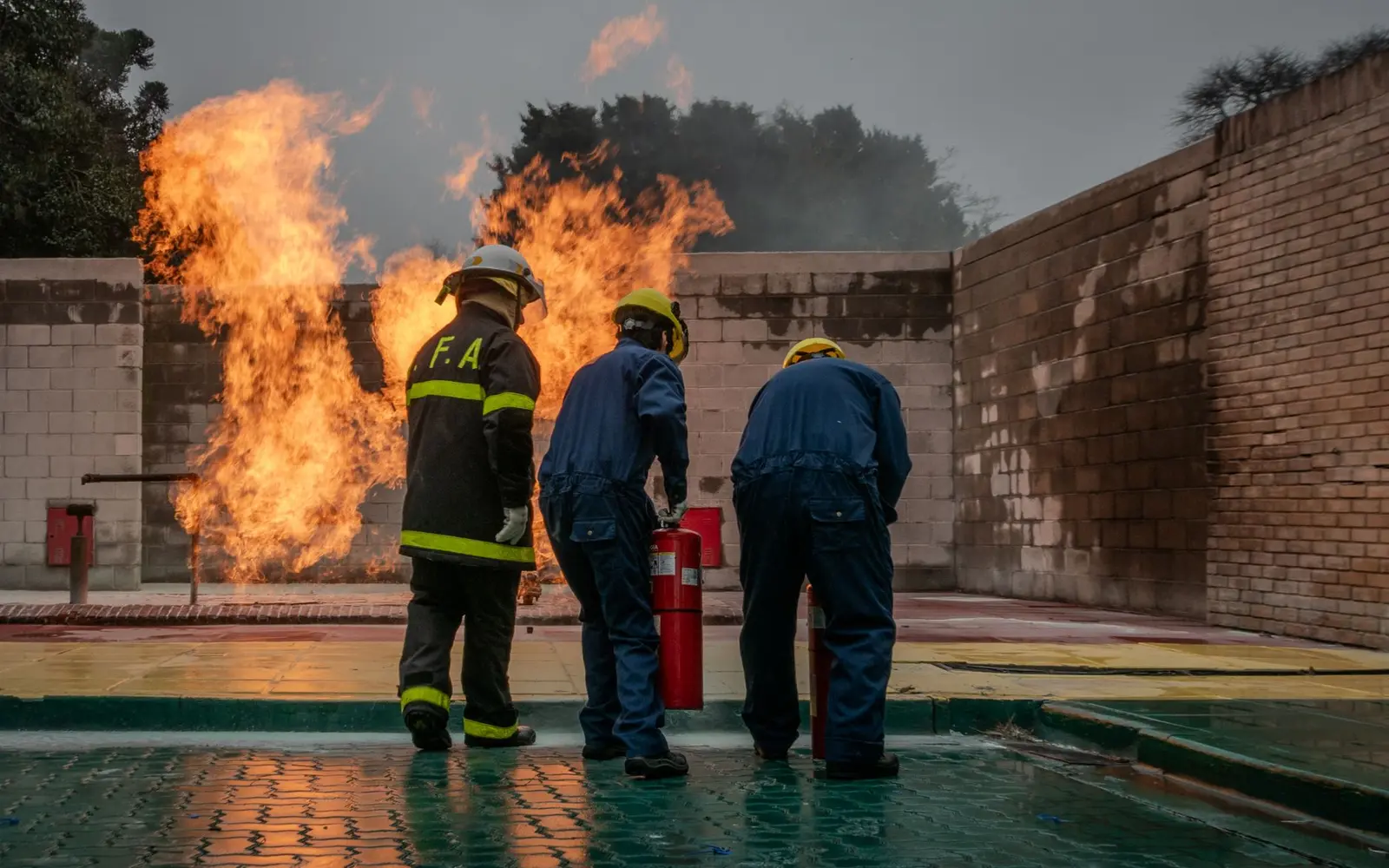
Bird and pigeon control in Al Hamra Jeddah
Al Hamra sits on the Red Sea shore, and salt in the air and moisture all year round change everything. Pigeons here do not just visit from islands or the harbour; they live with you year round because conditions suit them perfectly. Metal deterrents corrode rapidly, ledges deteriorate from salt exposure before pigeons touch them, and the parasites pigeons leave behind multiply quickly in moisture. Working in Al Hamra requires different materials and different thinking about maintenance than inland districts.
-
Targeted, not broadcast
Product goes into cracks and runways, never sprayed across open surfaces.
-
Told before we start
What we will use, where it goes, and what to cover or move before we arrive.
-
A follow-up visit
We return after the first treatment, because what survives it does not show on the day.
-
Homes and businesses
Apartments and villas, and kitchens and stores that need a record of each visit.
Why they keep coming back in Al Hamra
Residents in Al Hamra report cleaning balconies every two days of salt deposits and fine parasites, and pigeons arrive in waves because conditions suit them and the insects they feed on multiply here faster than anywhere else in Jeddah. The method is set out in full on what Bird and pigeon control involves.
Salt eats the metal before pigeons arrive
Metal deterrents corrode here in weeks, not months. Stainless steel pits, galvanised zinc spots and paint flakes away. Only salt-resistant materials work. Standard deterrents will appear to have failed within a month because rust hides them under a brown crust, even if the pigeons have not touched them.
Constant moisture doubles parasite breeding
Parasites left by pigeons multiply twice as fast in salt air moisture as they do inland. Treating pigeons without treating parasites leaves residents with biting insects and welts inside the flat. Parasites and the environment around nests must be treated together, and the treatment must address the moisture as well as the birds.
Hotels and foot traffic supply endless food
Hotels and restaurants on the shore supply crumbs and scraps every single day, and pigeons never stop appearing. There is no quiet season in Al Hamra. Treating one hotel among ten does not solve the problem because food is available everywhere.
Al Hamra on the map
Al Hamra sits about 3.5 km from Al Andalus and about 3.5 km from Mushrifah.
Open in Google MapsThe building decides which deterrent works
The district runs directly along the Red Sea between the Corniche and Madinah Road. Hotels, restaurants and shopping malls line the waterfront, and salt and humidity are present every hour of every day. The air itself is corrosive.
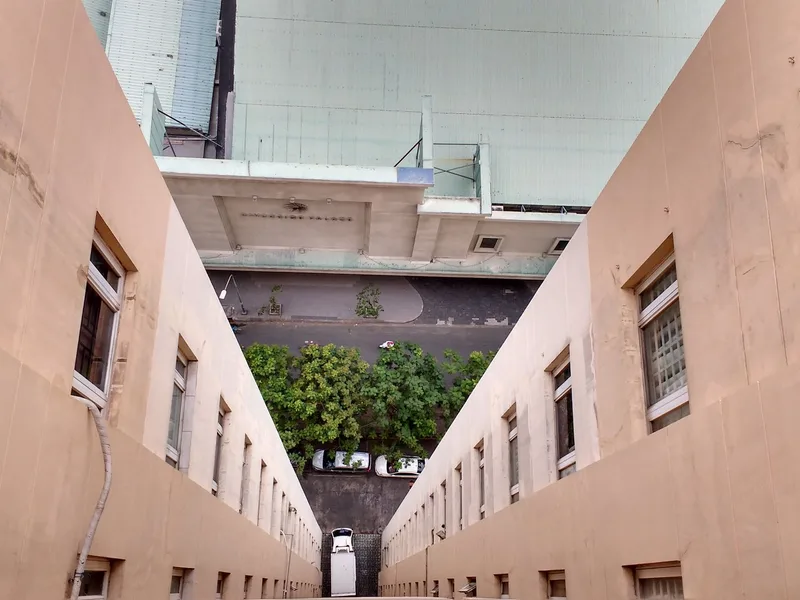
Ledge width
Ledges in Al Hamra suffer salt corrosion first and pigeon damage second. A ledge may be flat and clean but it is covered in permanent salt deposits and algae.
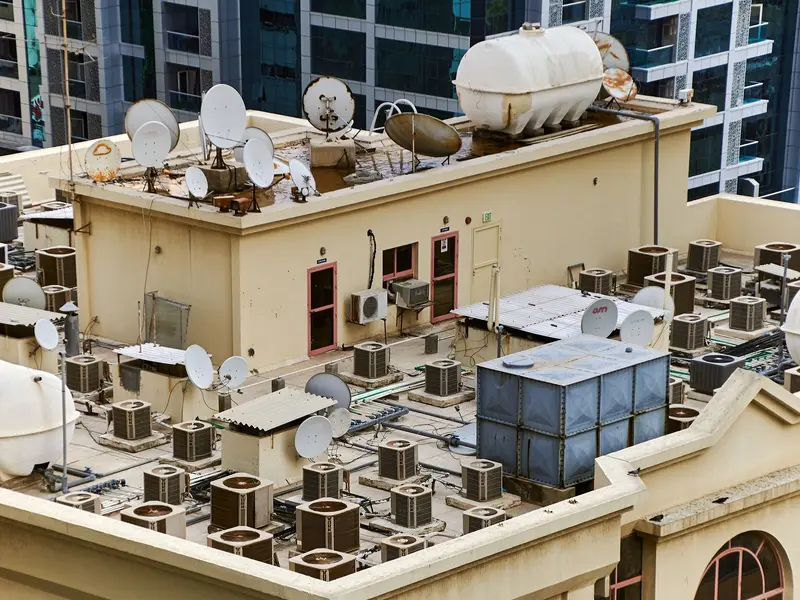
Air conditioning platforms
Air conditioning outlets supply fresh water among the salt and moisture, and pigeons strongly prefer them, especially on the shore where fresh water is scarce elsewhere.
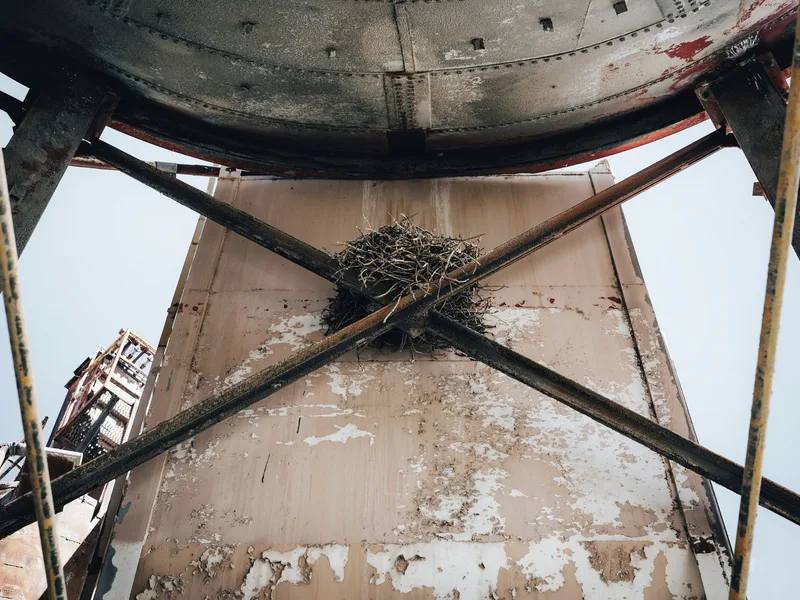
The nest itself
Nests in Al Hamra occupy ledges, balconies and gaps between units, and the damp environment speeds up parasite development in every nest site.
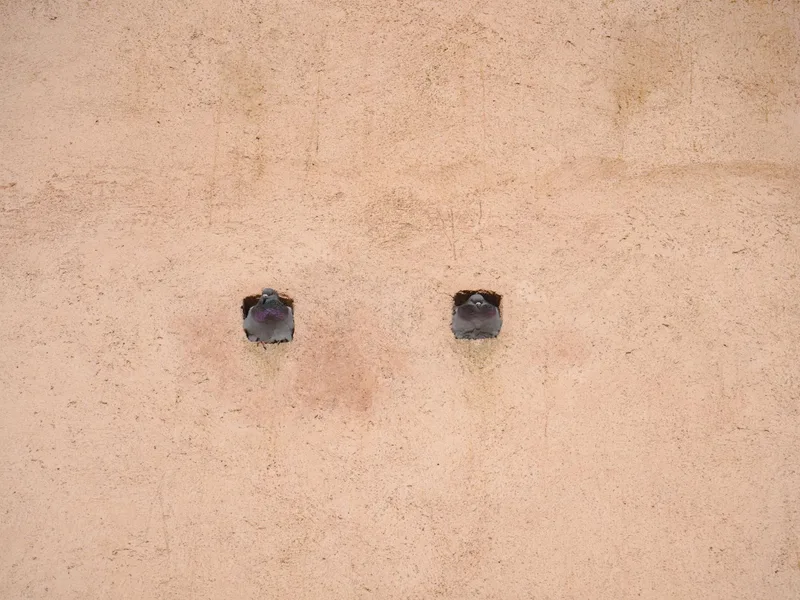
The droppings pattern
Droppings do not dry quickly here because of moisture; they stay wet and smell foul and attract fine insects rapidly.
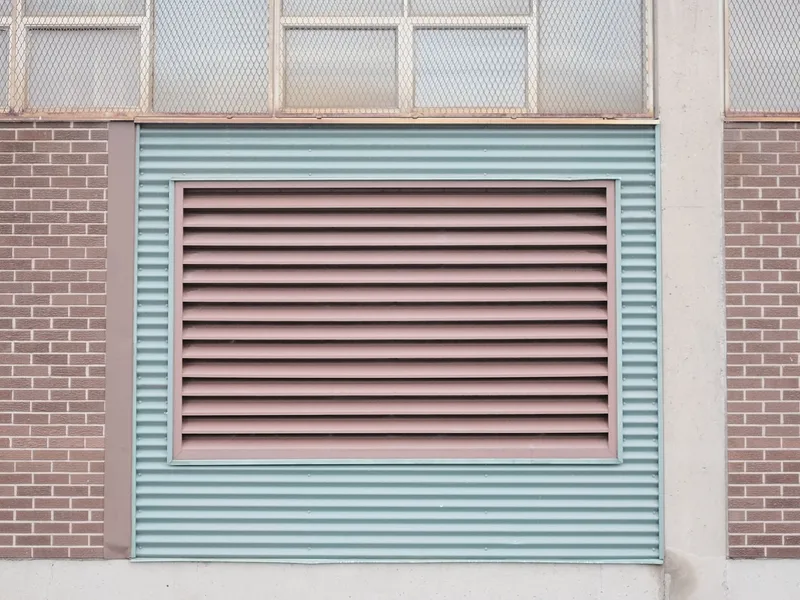
Openings and shafts
Gaps, balconies and pipe seals suffer salt corrosion that widens openings and lets pigeons access flats more easily.
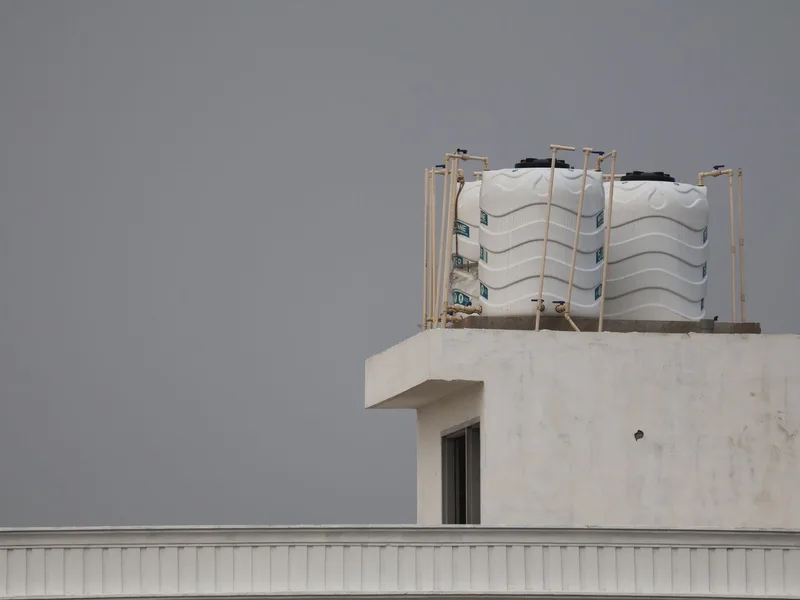
Around the roof tank
Roof water tanks in Al Hamra are exposed to salt and moisture and develop algae quickly, and pigeons perch constantly because fresh water is scarce on the shore.
How we work
-
1
Survey the roof and the facade
We walk the roof, the projections, the condenser platforms and the shafts, separate the nesting positions from the perching ones, and measure and photograph every ledge.
-
2
Strip the nests and treat the parasites
Droppings are wetted before they are lifted so nothing goes airborne dry, bagged closed, and the nest position is treated for ticks and mites before the surface is sanitised.
-
3
Close and fit
Netting tensioned on a perimeter wire with no gap at the corners, spikes or wire on the narrow projections, metal mesh across vents and shafts, and the roof drains freed of the nest material packing them.
-
4
The follow-up visit
We come back to check the tension, the corners and any position the flock has moved to, and correct what has slackened before a bird finds it.
What bird and pigeon control includes
-

A recorded survey
Every ledge, condenser platform and shaft, photographed, with nesting separated from perching before anything is chosen.
-

Nest removal and drain clearing
Lifted wet rather than swept dry, bagged closed, and the roof drains freed of the nest material packing them.
-

Parasite treatment and sanitising
The nest position treated for ticks and mites, then the surface the droppings sat on sanitised.
-

Sealing and fitting the deterrents
Netting tensioned on a perimeter wire, spikes or wire on narrow projections, and metal mesh across ventilation openings.
-

Aftercare instructions
The condensate water, food left on the roof, and what should not sit beside a ledge if the attraction is to stay gone.
-

A follow-up on tension and corners
Netting slackens and corners open over time; the visit corrects that and closes any new position.
The character of Al Hamra
Coastal area: high humidity and salt air through the year
Coastal area means everything corrodes faster than it does inland. Deterrents do not last as long as they do in interior districts, parasites multiply in accelerated cycles, and a single treatment may not cover a whole season. Al Hamra requires continuous maintenance thinking, not a one time fix.
Questions about this district
My flat is right next to the sea. Does salt affect how deterrents are fitted?
Salt impact is severe. Drill holes, fasteners and even wire corrode rapidly. Salt-resistant stainless steel fasteners must be used and all materials must be marine-grade corrosion-resistant. The cost is higher but the service lasts a full year instead of six months with standard materials.
The wooden window frames are rotten and damp year round. Should I replace them before we fit anything?
Rotting wood in Al Hamra is a separate issue. Damp wood attracts insects and parasites before pigeons arrive, and pigeons come to feed on those creatures. If the window is severely deteriorated, deterrents alone will not address the underlying damp environment. Timber replacement or repair should occur first or alongside pigeon treatment.
Salt buildup makes the balcony slippery. Do deterrents make it worse?
The deterrents themselves do not increase salt but they become a base for additional buildup. Balconies need regular cleaning of salt and algae, and the metal deterrents themselves require weekly or fortnightly cleaning in Al Hamra, unlike inland districts.
Pigeons perch on the water tank. Does salt from their droppings affect water quality?
Salt deposits from pigeon waste may affect taste but concentration is usually low. The bigger hazard is parasites and bacteria from pigeons that breed rapidly in a damp tank. A metal cover on the tank is essential in Al Hamra, not optional.
The corniche has many seabirds besides pigeons. Do they come into the flat too?
Gulls and other seabirds prefer height and open wind and roost on tall hotels and towers more than villas. Pigeons come to ordinary housing more than gulls do. But in Al Hamra all the birds share food sources from restaurants and hotels.
Indoor humidity stays very high even in winter. Does treating pigeons help?
Pigeon removal eliminates a source of parasites and the added moisture from nests and droppings. But the baseline humidity from the sea air does not decrease. Your flat needs improved ventilation and thermal insulation separately from pigeon treatment. The two support each other.
How much does bird and pigeon control in Al Hamra cost?
It is set after the inspection, because the price follows the type of infestation, the size of the space, how far it has spread and the number of visits it needs. Send a photo and a description on WhatsApp and we will give you an estimate before we reach Al Hamra.
Nearby districts we cover
Other services in Al Hamra
Other services we provide to residents of Al Hamra.
-
 Residential
Cockroach control
Residential
Cockroach control
-
 Residential
Bed bug control
Residential
Bed bug control
-
 Residential
Termite control
Residential
Termite control
-
 Residential
Rodents and mice
Residential
Rodents and mice
-
 Residential
Mosquito control
Residential
Mosquito control
-
 Residential
Fly control
Residential
Fly control
-
 Residential
Ant control
Residential
Ant control
-
 Residential
Gecko control
Residential
Gecko control
-
 Residential
Scorpion control
Residential
Scorpion control
-
 Residential
Snake control
Residential
Snake control
-
 Residential
Flea control
Residential
Flea control
-
 Residential
Preventive treatment
Residential
Preventive treatment
-
 Residential
Disinfection
Residential
Disinfection
-
 Commercial
Annual contracts
Commercial
Annual contracts
-
 Commercial
Restaurants and cafes
Commercial
Restaurants and cafes
-
 Commercial
Hotels and apartments
Commercial
Hotels and apartments
-
 Commercial
Warehouses and factories
Commercial
Warehouses and factories
-
 Commercial
Schools and nurseries
Commercial
Schools and nurseries
-
 Commercial
Retail and malls
Commercial
Retail and malls
-
 Commercial
Rest houses and farms
Commercial
Rest houses and farms
-
 Commercial
Fumigation
Commercial
Fumigation
-
 Water tanks
Water tank cleaning
Water tanks
Water tank cleaning
-
 Water tanks
Water tank sterilization
Water tanks
Water tank sterilization
-
 Water tanks
Water tank sealing
Water tanks
Water tank sealing
-
 Water tanks
Tank leak repair
Water tanks
Tank leak repair
Need bird and pigeon control in Al Hamra? Tell us what you saw and we will tell you what it needs
We reach Al Hamra at a time we agree, and you get the full cost before we start.