
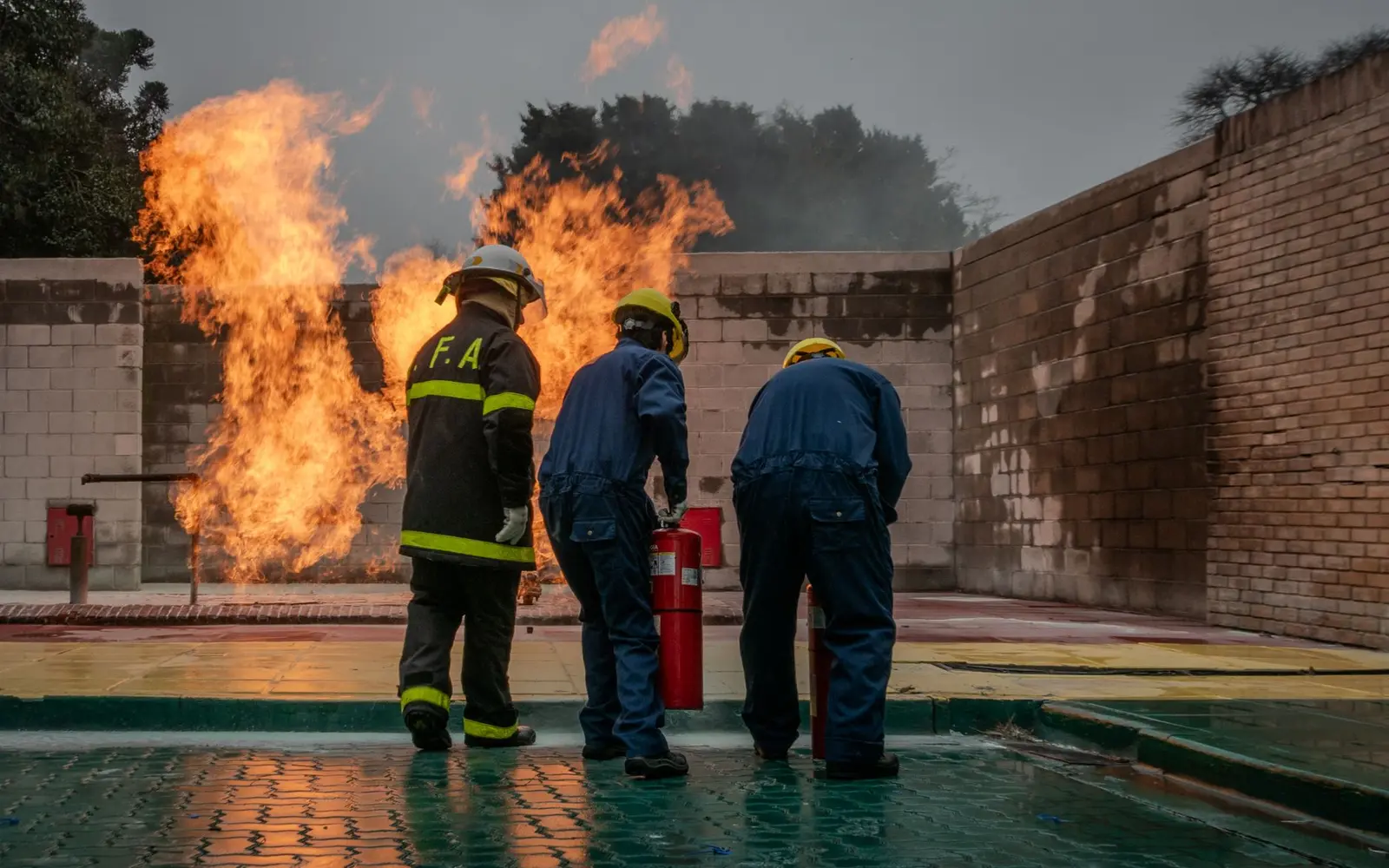
Bird and pigeon control in Al Harah Al Janubiyah Jeddah
Al Harah Al Janubiyah is the southern quarter of the small coastal town of Thuwal north of Jeddah, with popular housing on narrow inner streets and open ground facing farms and empty land beyond. Proximity to Thuwal Harbour and the corniche means constant high humidity and salt air year-round, and pigeons settle readily on low roofs and simple wooden-framed windows.
-
Targeted, not broadcast
Product goes into cracks and runways, never sprayed across open surfaces.
-
Told before we start
What we will use, where it goes, and what to cover or move before we arrive.
-
A follow-up visit
We return after the first treatment, because what survives it does not show on the day.
-
Homes and businesses
Apartments and villas, and kitchens and stores that need a record of each visit.
Why they keep coming back in Al Harah Al Janubiyah
Pigeons in Al Harah Al Janubiyah are drawn to low roofs and simple wooden windows that corrode rapidly from salt and moisture. The method is set out in full on Bird and pigeon control in detail.
High humidity and persistent salt air
Al Harah Al Janubiyah sits very close to the sea, the air is saturated with salt and moisture, and buildings deteriorate faster than inland areas. Insects and parasites thrive in high humidity, providing rich feeding for pigeons.
Simple housing and low accessible roofs
Popular housing here has low roofs, simple ledges and easy access points. Windows are old wooden frames that do not protect well against birds, making roosting and nesting straightforward for pigeons.
Harbour proximity and vacant agricultural land
Thuwal Harbour leaves fish scraps and food waste on the shore, vacant land south offers night shelter, and the Jeddah Madinah road brings external traffic through the quarter. All three increase pigeon numbers.
Al Harah Al Janubiyah on the map
Al Harah Al Janubiyah sits about 0.5 km from Harat Al Sarahin and about 0.5 km from Harat Abu Zayd.
Open in Google MapsThe building decides which deterrent works
The southern sector of Thuwal, simple housing on the Red Sea coast with vacant land and farms on the southern edge toward Jeddah. High humidity and salt in the air continuously affect buildings and metal structures.
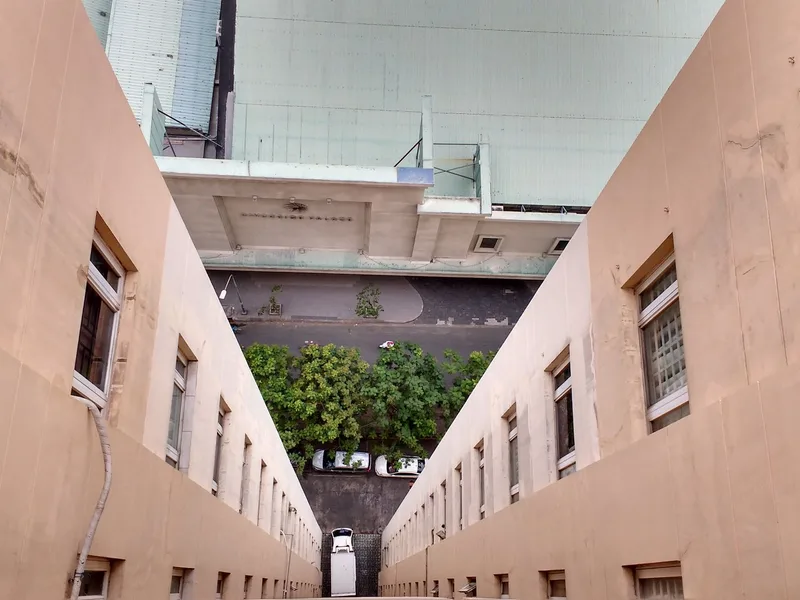
Ledge width
Simple low roof edges in the quarter offer easy aerial access to pigeons.
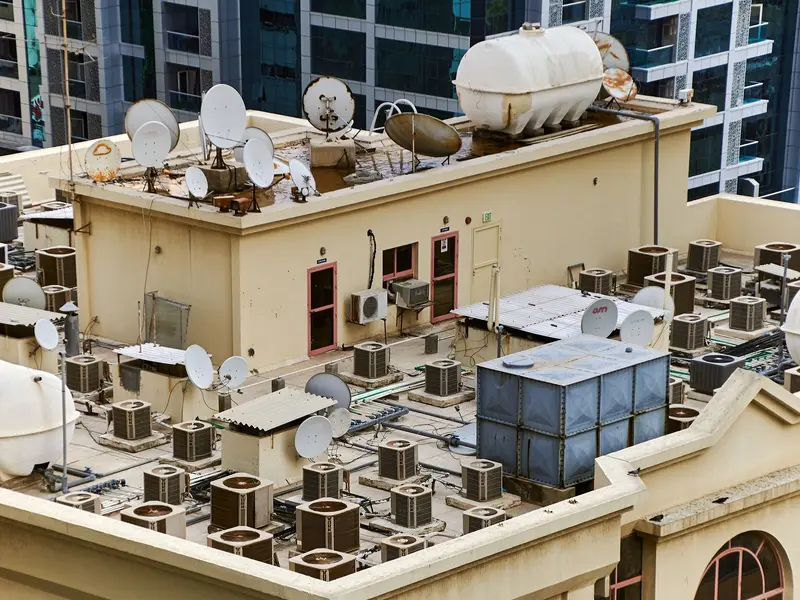
Air conditioning platforms
Basic structural bases and metal pipes corrode quickly from salt, leaving new gaps for birds to exploit.
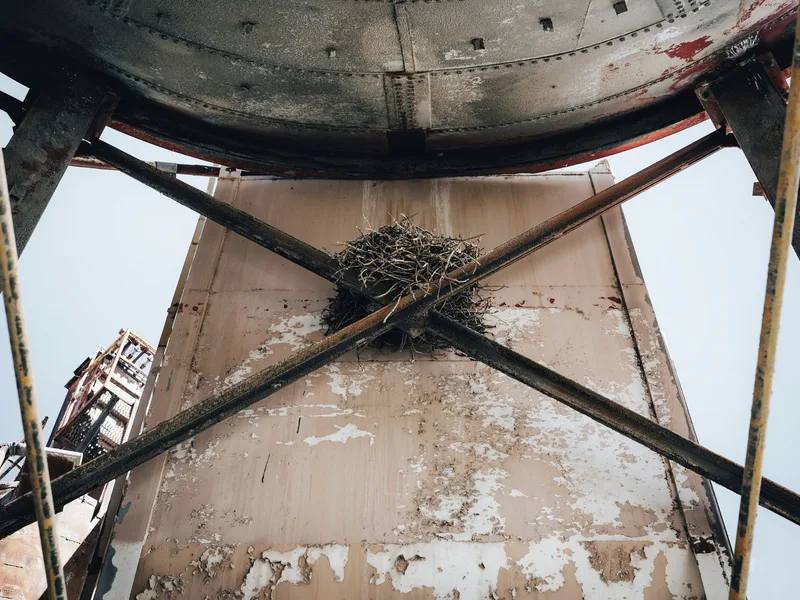
The nest itself
Nests contain paper, fibres and harbour dust, and harbour parasites distinct from inland sites.
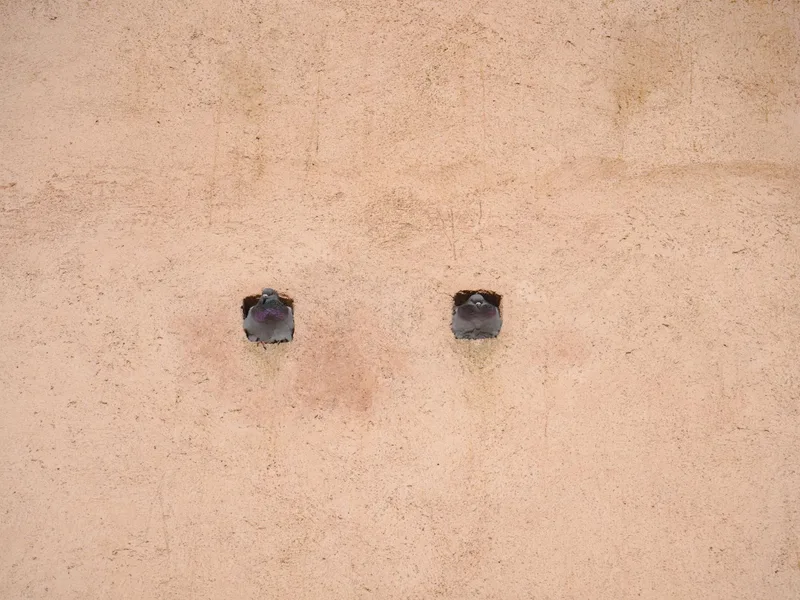
The droppings pattern
Persistent moisture provides ideal conditions for small insect and arthropod breeding.
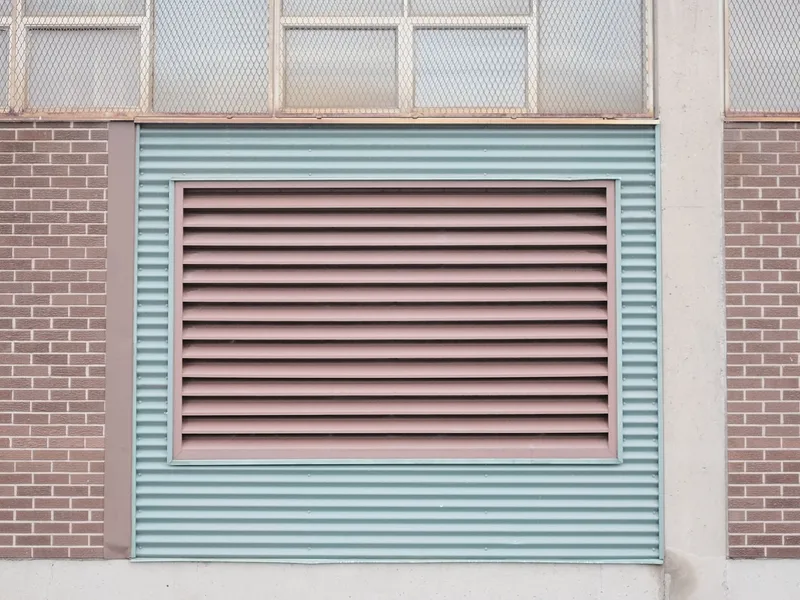
Openings and shafts
Simple window and door frames offer direct interior access without strong barriers.
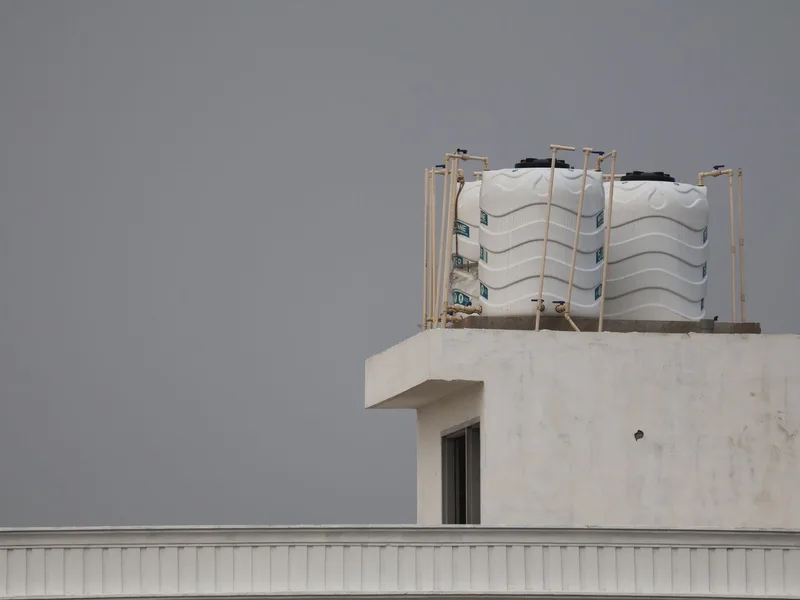
Around the roof tank
Soil moisture around coastal building foundations remains high, attracting worms and wet-zone invertebrates.
How we work
-
1
Survey the roof and the facade
We walk the roof, the projections, the condenser platforms and the shafts, separate the nesting positions from the perching ones, and measure and photograph every ledge.
-
2
Strip the nests and treat the parasites
Droppings are wetted before they are lifted so nothing goes airborne dry, bagged closed, and the nest position is treated for ticks and mites before the surface is sanitised.
-
3
Close and fit
Netting tensioned on a perimeter wire with no gap at the corners, spikes or wire on the narrow projections, metal mesh across vents and shafts, and the roof drains freed of the nest material packing them.
-
4
The follow-up visit
We come back to check the tension, the corners and any position the flock has moved to, and correct what has slackened before a bird finds it.
What bird and pigeon control includes
-

A recorded survey
Every ledge, condenser platform and shaft, photographed, with nesting separated from perching before anything is chosen.
-

Nest removal and drain clearing
Lifted wet rather than swept dry, bagged closed, and the roof drains freed of the nest material packing them.
-

Parasite treatment and sanitising
The nest position treated for ticks and mites, then the surface the droppings sat on sanitised.
-

Sealing and fitting the deterrents
Netting tensioned on a perimeter wire, spikes or wire on narrow projections, and metal mesh across ventilation openings.
-

Aftercare instructions
The condensate water, food left on the roof, and what should not sit beside a ledge if the attraction is to stay gone.
-

A follow-up on tension and corners
Netting slackens and corners open over time; the visit corrects that and closes any new position.
Landmarks of Al Harah Al Janubiyah
Work is organised near the key maritime landmarks: we coordinate from Thuwal Harbour to the north and work south along the corniche, then ascend into simple housing set slightly back from the beach.
- Jeddah Madinah Road
- Thuwal Corniche
- Thuwal Harbour
Questions about this district
Will salt and humidity corrode metal deterrent systems quickly?
Yes, we use corrosion-resistant materials, galvanised steel and treated metals offer longer protection. We recommend inspection every six months to ensure deterrents remain secure.
Are pigeons arriving from the harbour or from the vacant agricultural land south?
Both contribute: the harbour provides food and vacant land provides night roosts. Treatment focuses on roofs and ledges where pigeons spend daylight hours.
Do badly corroded wooden window frames need replacement?
No, we fit metal mesh on the outside of frames even if the wood is damaged. Mesh protects against birds without requiring window replacement.
Do seabirds like gulls occupy the same roosting spots as pigeons?
Gulls prefer areas immediately adjacent to water, whilst pigeons favour roofs and ledges a short distance inland. Our deterrents target pigeons specifically.
Do strong coastal winds affect the effectiveness of deterrent installation?
Strong sea winds may affect birds themselves, but we fit robust deterrents capable of withstanding coastal wind and moisture exposure.
Does the coastal setting require more frequent follow-up visits?
Yes, the marine environment requires inspection every three months to check deterrent condition and ensure salt or wind damage has not created new access points.
How much does bird and pigeon control in Al Harah Al Janubiyah cost?
It is set after the inspection, because the price follows the type of infestation, the size of the space, how far it has spread and the number of visits it needs. Send a photo and a description on WhatsApp and we will give you an estimate before we reach Al Harah Al Janubiyah.
Nearby districts we cover
Other services in Al Harah Al Janubiyah
Other services we provide to residents of Al Harah Al Janubiyah.
-
 Residential
Cockroach control
Residential
Cockroach control
-
 Residential
Bed bug control
Residential
Bed bug control
-
 Residential
Termite control
Residential
Termite control
-
 Residential
Rodents and mice
Residential
Rodents and mice
-
 Residential
Mosquito control
Residential
Mosquito control
-
 Residential
Fly control
Residential
Fly control
-
 Residential
Ant control
Residential
Ant control
-
 Residential
Gecko control
Residential
Gecko control
-
 Residential
Scorpion control
Residential
Scorpion control
-
 Residential
Snake control
Residential
Snake control
-
 Residential
Flea control
Residential
Flea control
-
 Residential
Preventive treatment
Residential
Preventive treatment
-
 Residential
Disinfection
Residential
Disinfection
-
 Commercial
Annual contracts
Commercial
Annual contracts
-
 Commercial
Restaurants and cafes
Commercial
Restaurants and cafes
-
 Commercial
Hotels and apartments
Commercial
Hotels and apartments
-
 Commercial
Warehouses and factories
Commercial
Warehouses and factories
-
 Commercial
Schools and nurseries
Commercial
Schools and nurseries
-
 Commercial
Retail and malls
Commercial
Retail and malls
-
 Commercial
Rest houses and farms
Commercial
Rest houses and farms
-
 Commercial
Fumigation
Commercial
Fumigation
-
 Water tanks
Water tank cleaning
Water tanks
Water tank cleaning
-
 Water tanks
Water tank sterilization
Water tanks
Water tank sterilization
-
 Water tanks
Water tank sealing
Water tanks
Water tank sealing
-
 Water tanks
Tank leak repair
Water tanks
Tank leak repair
Need bird and pigeon control in Al Harah Al Janubiyah? Tell us what you saw and we will tell you what it needs
We reach Al Harah Al Janubiyah at a time we agree, and you get the full cost before we start.