
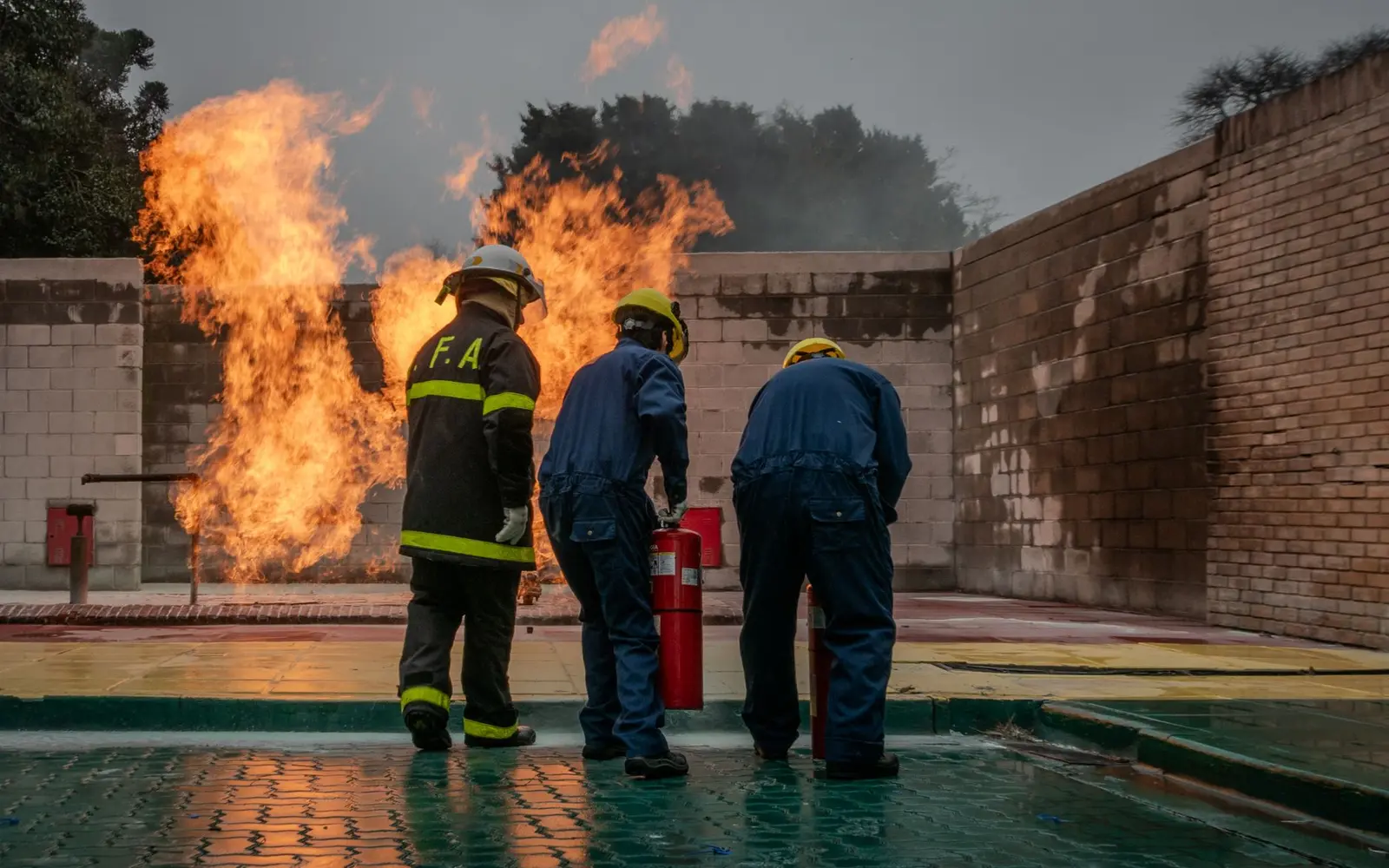
Bird and pigeon control in Al Nuzhah Jeddah
Al Nuzhah is a northern district near King Abdulaziz Airport built decades ago with ageing water and drainage infrastructure. Pigeons nest on old ledges, cracked render, gaps between pipes and worn insulation, and Sultan bin Salman's busy commercial street draws large pigeon populations from restaurants and shops, so the work must account for deteriorated structures and foundations that may not support standard deterrent fixings.
-
Targeted, not broadcast
Product goes into cracks and runways, never sprayed across open surfaces.
-
Told before we start
What we will use, where it goes, and what to cover or move before we arrive.
-
A follow-up visit
We return after the first treatment, because what survives it does not show on the day.
-
Homes and businesses
Apartments and villas, and kitchens and stores that need a record of each visit.
Why they keep coming back in Al Nuzhah
Pigeons prefer gaps between old walls and exposed pipework and weathered ledges because they provide wind shelter and thermal mass. The method is set out in full on Bird and pigeon control in detail.
Aged buildings offer natural voids and shelter for nesting
Exposed pipes, damaged insulation and gaps between walls create warm safe refuges for pigeons. Weathered ledges and cracks make nest anchoring easy, so we remove all debris and voids thoroughly then fit strong barriers on sound structural points to ensure they hold.
Aged water and drainage networks provide constant water sources
Leaks from old pipework supply pigeon drinking water, and the dampness around the leak creates the wet conditions pigeons favour. Fixing the leak may need deeper foundation work, so we prioritise the deterrent and recommend structural plumbing repair separately.
Adjacent commercial activity feeds large pigeon flocks each day
Sultan bin Salman's commercial street hosts restaurants and shops with exposed waste, and pigeons nest on shop and villa roofs above, feeding directly on scraps then dispersing to hidden roof voids at night.
Landmarks of Al Nuzhah
From Mall of Arabia to the Sixtieth Street junction on Sultan bin Salman Street, the main commercial axes provide direct access and the residential villas behind require separate inspection, with work accounting for shared rooflines and mixed access to upper surfaces.
- Sultan bin Salman Street
- Mall of Arabia
- King Fahd Road
- Prince Majid Road
- Al Nuzhah Health Centre
The building decides which deterrent works
Buildings are decades old and water and sewer networks are heavily aged with frequent leaks, while Sultan bin Salman's commercial axis hosts restaurants and shops that feed pigeons with daily food waste.
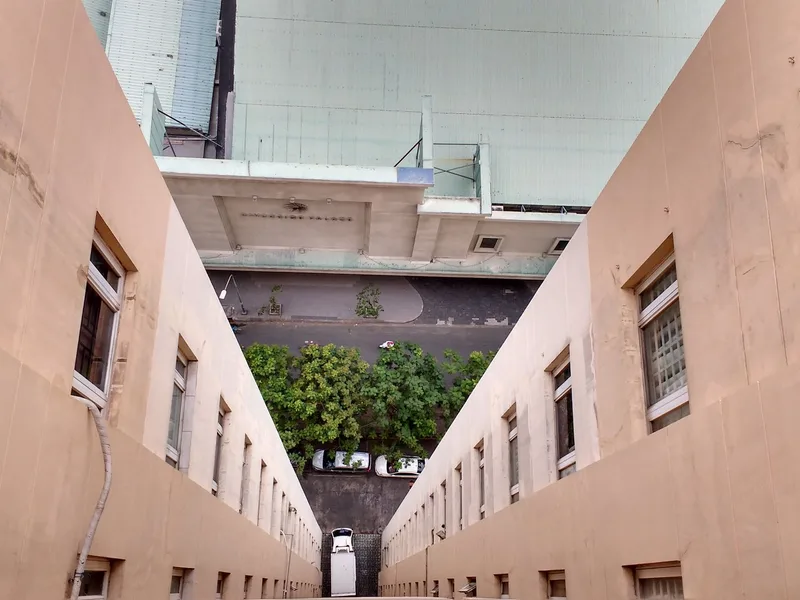
Ledge width
Old weathered ledges offer weak anchoring points where pigeon nests easily establish, so we clean them thoroughly and fit strong deterrents on sound structural sections.
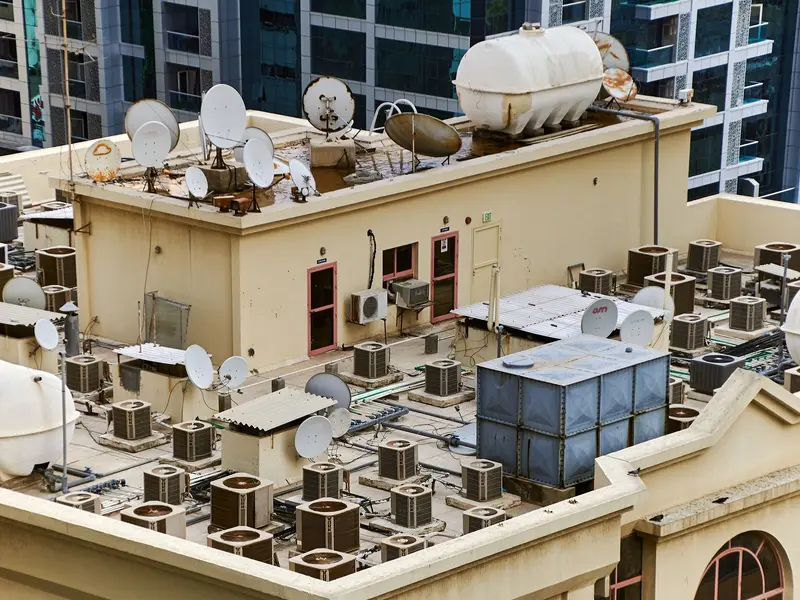
Air conditioning platforms
Air conditioning units leak warm water down exterior walls adding moisture and algae, which attracts pigeons to perch and nest on these damp zones.
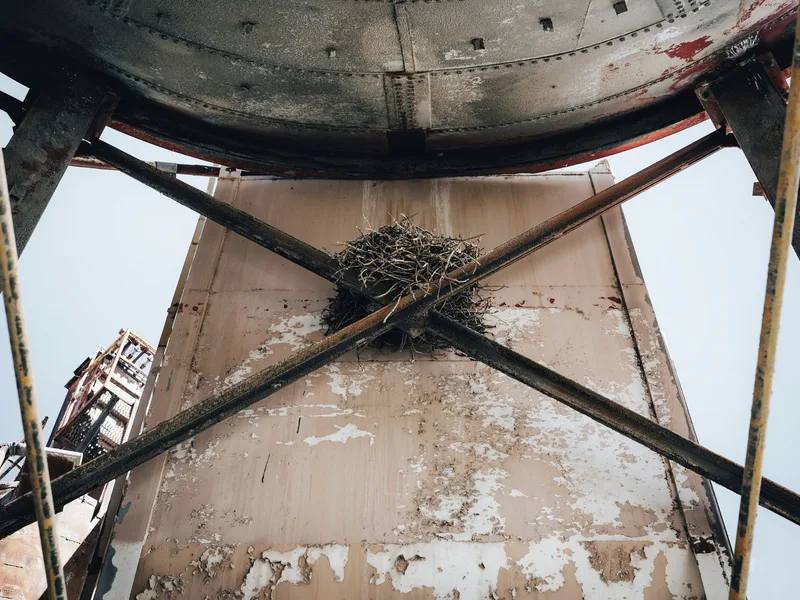
The nest itself
Nests in voids between old walls and insulation are hard to reach and require careful cavity opening, full material removal and thorough parasite treatment.
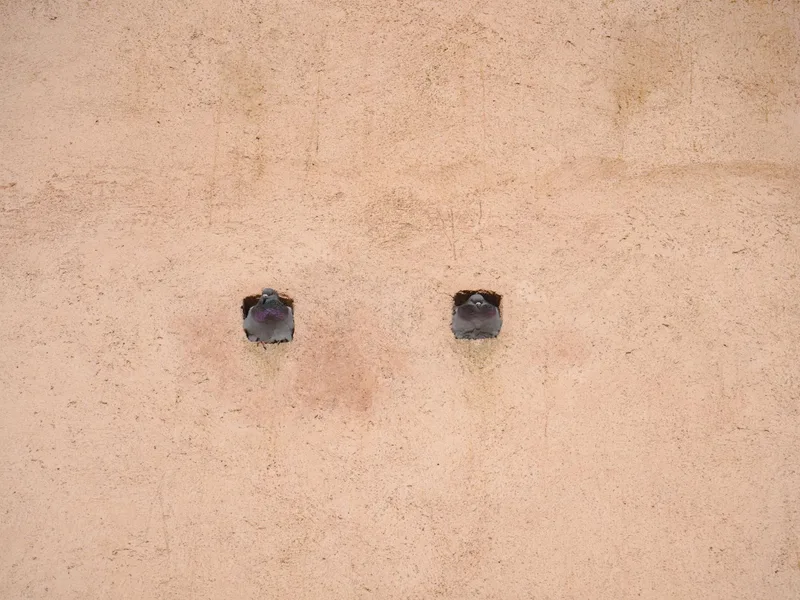
The droppings pattern
Droppings dry slowly on old surfaces and leave stubborn residue marks, and microscopic insects establish colonies in the remaining deposits.
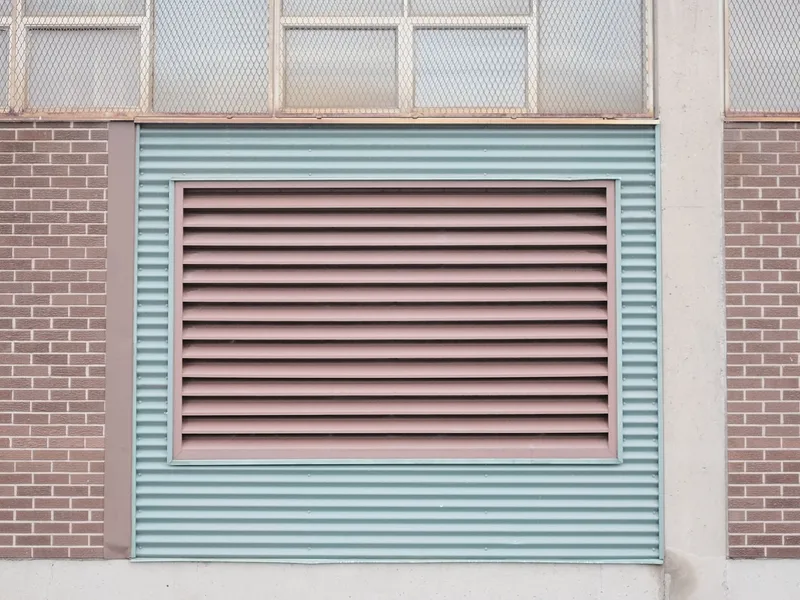
Openings and shafts
Ventilation openings and pipe gaps provide safe internal routes for rodents, insects and birds to move through villa spaces.
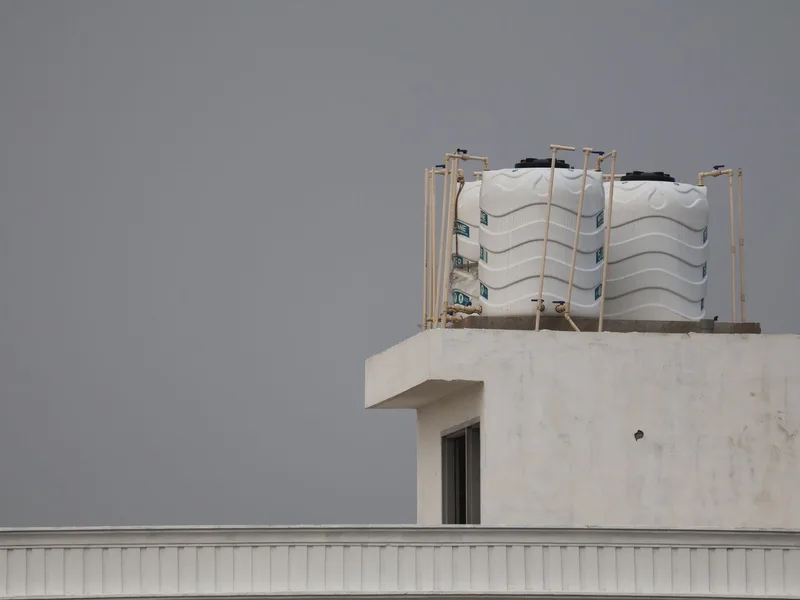
Around the roof tank
The aged roof tank is ringed by corroded pipework with leak points and standing water collecting around the base, attracting pigeons and insects.
How we work
-
1
Survey the roof and the facade
We walk the roof, the projections, the condenser platforms and the shafts, separate the nesting positions from the perching ones, and measure and photograph every ledge.
-
2
Strip the nests and treat the parasites
Droppings are wetted before they are lifted so nothing goes airborne dry, bagged closed, and the nest position is treated for ticks and mites before the surface is sanitised.
-
3
Close and fit
Netting tensioned on a perimeter wire with no gap at the corners, spikes or wire on the narrow projections, metal mesh across vents and shafts, and the roof drains freed of the nest material packing them.
-
4
The follow-up visit
We come back to check the tension, the corners and any position the flock has moved to, and correct what has slackened before a bird finds it.
What bird and pigeon control includes
-

A recorded survey
Every ledge, condenser platform and shaft, photographed, with nesting separated from perching before anything is chosen.
-

Nest removal and drain clearing
Lifted wet rather than swept dry, bagged closed, and the roof drains freed of the nest material packing them.
-

Parasite treatment and sanitising
The nest position treated for ticks and mites, then the surface the droppings sat on sanitised.
-

Sealing and fitting the deterrents
Netting tensioned on a perimeter wire, spikes or wire on narrow projections, and metal mesh across ventilation openings.
-

Aftercare instructions
The condensate water, food left on the roof, and what should not sit beside a ledge if the attraction is to stay gone.
-

A follow-up on tension and corners
Netting slackens and corners open over time; the visit corrects that and closes any new position.
What is different about Airport Sub-Municipality
The Airport sub-municipality covers some of the oldest established districts of northern Jeddah, gathered around King Abdulaziz International Airport between Madinah Road, King Fahd Road and Prince Majid Road. The stock is villas, single family houses and apartment blocks built decades ago, many served by ageing water and sewer lines. Commercial streets such as Quraish, Sari and Sultan bin Salman are lined with restaurants, furnished flats and popular markets. Dense commercial kitchens, worn pipework and the gaps in older buildings give cockroaches and rodents steady food and shelter, and the high resident population keeps that pressure constant through the year.
Questions about this district
Pipework under the villa is leaking, does this mean a structural repair is needed?
Yes, the leak may signal pipeline failure in the foundation zone and would require a plumbing specialist. We address the pigeon treatment and barriers first, then recommend separate plumbing inspection and remedial work.
A nest is in a gap between an old wall and new insulation, can you reach it?
Yes, we carefully open the cavity and remove all nesting material, droppings and parasites, then fit strong metal barriers across the cavity opening from both sides to prevent re-entry.
The villa is old and the ledges are weak, will fitting barriers damage the render?
We select strong points on a solid section of ledge and use specialist fixings for aged concrete. We inspect the ledge before fixing and avoid weak or cracked areas to prevent causing structural damage.
Commercial shops are below residential villas, does treatment cover both?
Yes, pigeons use shop roofs for feeding then return to nesting voids in the villa above, so we fit barriers across all shared ledges and roofs to ensure complete protection.
The commercial street has many restaurants and waste is exposed all day?
This is the primary pigeon attraction. We recommend waste containers be covered and pavements swept daily, or pigeon numbers will return quickly after our treatment.
After treatment will pigeons disappear or return in smaller numbers?
If restaurant food sources persist some pigeons will return. However if treatment is combined with shop waste management and daily pavement cleaning, pigeon numbers will decline noticeably and may disappear entirely.
How much does bird and pigeon control in Al Nuzhah cost?
It is set after the inspection, because the price follows the type of infestation, the size of the space, how far it has spread and the number of visits it needs. Send a photo and a description on WhatsApp and we will give you an estimate before we reach Al Nuzhah.
Other services in Al Nuzhah
Other services we provide to residents of Al Nuzhah.
-
 Residential
Cockroach control
Residential
Cockroach control
-
 Residential
Bed bug control
Residential
Bed bug control
-
 Residential
Termite control
Residential
Termite control
-
 Residential
Rodents and mice
Residential
Rodents and mice
-
 Residential
Mosquito control
Residential
Mosquito control
-
 Residential
Fly control
Residential
Fly control
-
 Residential
Ant control
Residential
Ant control
-
 Residential
Gecko control
Residential
Gecko control
-
 Residential
Scorpion control
Residential
Scorpion control
-
 Residential
Snake control
Residential
Snake control
-
 Residential
Flea control
Residential
Flea control
-
 Residential
Preventive treatment
Residential
Preventive treatment
-
 Residential
Disinfection
Residential
Disinfection
-
 Commercial
Annual contracts
Commercial
Annual contracts
-
 Commercial
Restaurants and cafes
Commercial
Restaurants and cafes
-
 Commercial
Hotels and apartments
Commercial
Hotels and apartments
-
 Commercial
Warehouses and factories
Commercial
Warehouses and factories
-
 Commercial
Schools and nurseries
Commercial
Schools and nurseries
-
 Commercial
Retail and malls
Commercial
Retail and malls
-
 Commercial
Rest houses and farms
Commercial
Rest houses and farms
-
 Commercial
Fumigation
Commercial
Fumigation
-
 Water tanks
Water tank cleaning
Water tanks
Water tank cleaning
-
 Water tanks
Water tank sterilization
Water tanks
Water tank sterilization
-
 Water tanks
Water tank sealing
Water tanks
Water tank sealing
-
 Water tanks
Tank leak repair
Water tanks
Tank leak repair
Need bird and pigeon control in Al Nuzhah? Tell us what you saw and we will tell you what it needs
We reach Al Nuzhah at a time we agree, and you get the full cost before we start.