
Bird and pigeon control in Al Rawabi Makkah
Al Rawabi sits on Rai Bakhsh south of the Grand Mosque, cut through by a tunnel that links the city's west to its east. Tall apartment blocks for Umrah visitors stand over carved hillside and tunnels. Pigeons use the tunnel openings and hillside gaps as throughways, and the high rooftops as observation posts to survey feeding grounds below.
-
Targeted, not broadcast
Product goes into cracks and runways, never sprayed across open surfaces.
-
Told before we start
What we will use, where it goes, and what to cover or move before we arrive.
-
A follow-up visit
We return after the first treatment, because what survives it does not show on the day.
-
Homes and businesses
Apartments and villas, and kitchens and stores that need a record of each visit.
Why they keep coming back in Al Rawabi
Pigeons enter via the tunnels and hillside openings, making pest entry control harder here than in traditional districts without underground passages. The method is set out in full on the full Bird and pigeon control page.
Mountain tunnels and openings that link both sides of the city
Tunnels cut through hills offer direct safe routes for pigeons to move freely. Tunnel openings on the surface and sides give birds direct access to rooftops and balconies.
High and multiple rooftops on tall residential towers
Tall buildings offer rooftops at many heights with numerous fan and air conditioning openings. Pigeons sometimes choose mid level roofs with less foot traffic over the topmost levels.
Angled roof surfaces and side openings on residential buildings
Hotel and residential blocks have many side ventilation and light openings. Slightly angled roofs offer perching points where pigeons settle easily.
Landmarks of Al Rawabi
Al Rawabi lies between the pleasant Al Rawabi Garden on one side and the towering Jabal Khandamah on the other. Work requires access via the busy Ajyad Kudai Road and negotiating the mountain tunnels to reach the rooftops.
- Rai Bakhsh
- Ajyad Kudai Road
- Kudai Ajyad Tunnel
- Al Rawabi Garden
- Jabal Khandamah
The building decides which deterrent works
Mountains carved for living tunnels and modern high rises beside Al Rawabi Garden and Jabal Khandamah. The carved hillside and tunnel system creates complex internal pathways.
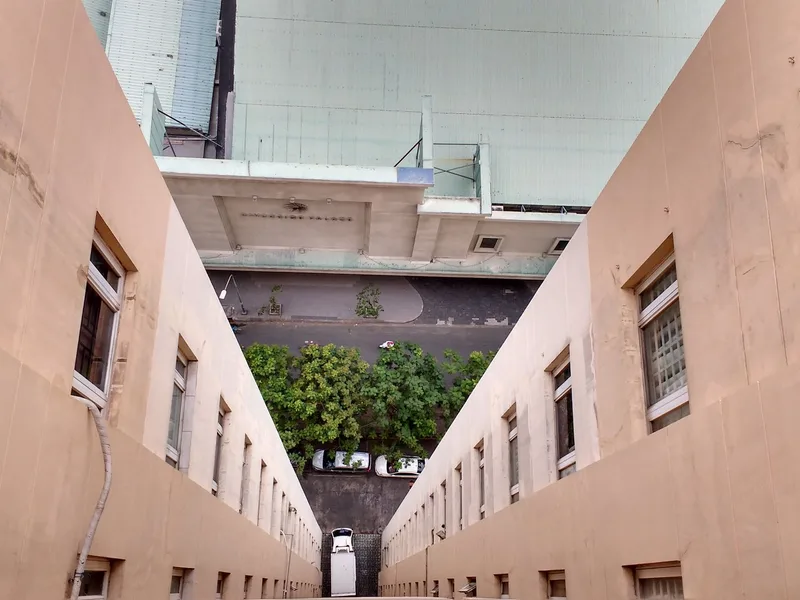
Ledge width
High rooftop ledges offer safe perching for pigeons and need strong substantial deterrents that withstand high wind.
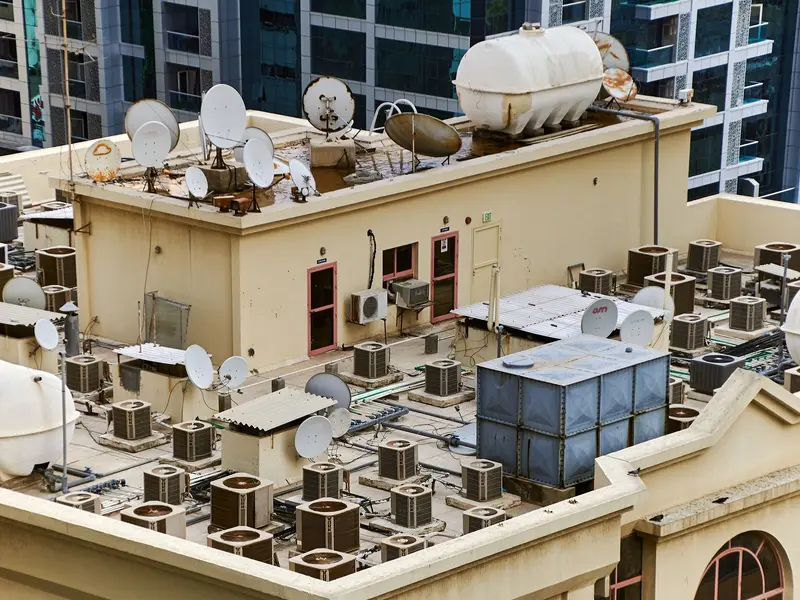
Air conditioning platforms
Many air conditioning units on facades and rooftops create cavities behind them, and fitting barriers around each needs high precision.
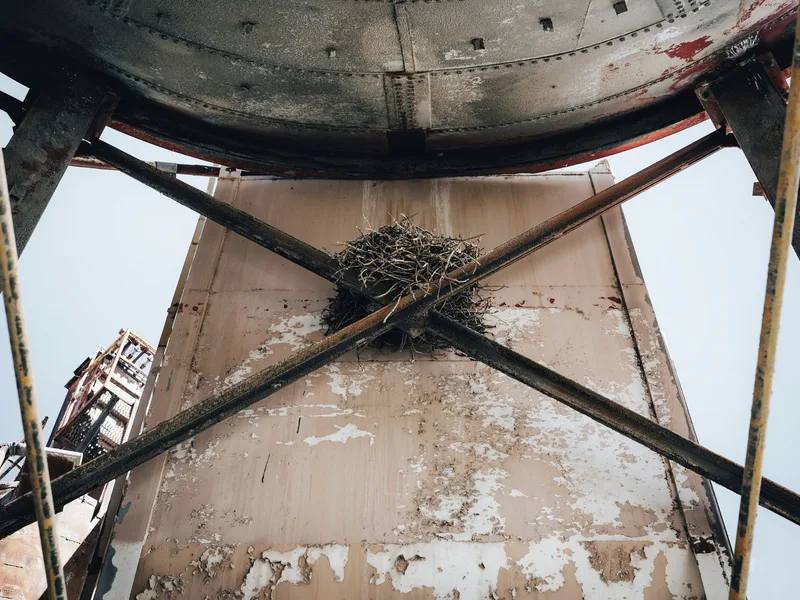
The nest itself
Nests on high rooftops are fewer than in other districts but may hide among ventilation equipment.
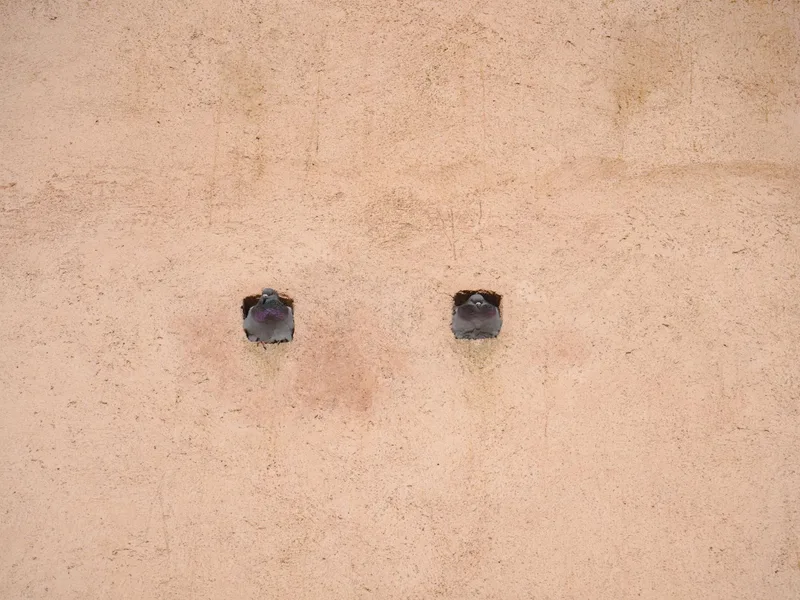
The droppings pattern
Droppings on high rooftops collect easily due to wind and need regular cleaning.
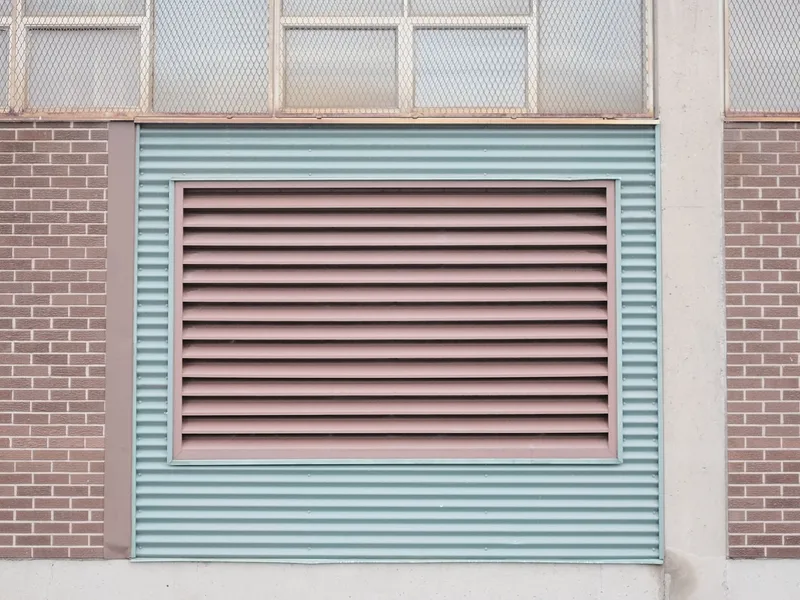
Openings and shafts
Openings on tall buildings are numerous and spread over many floors, requiring thorough survey before installation.
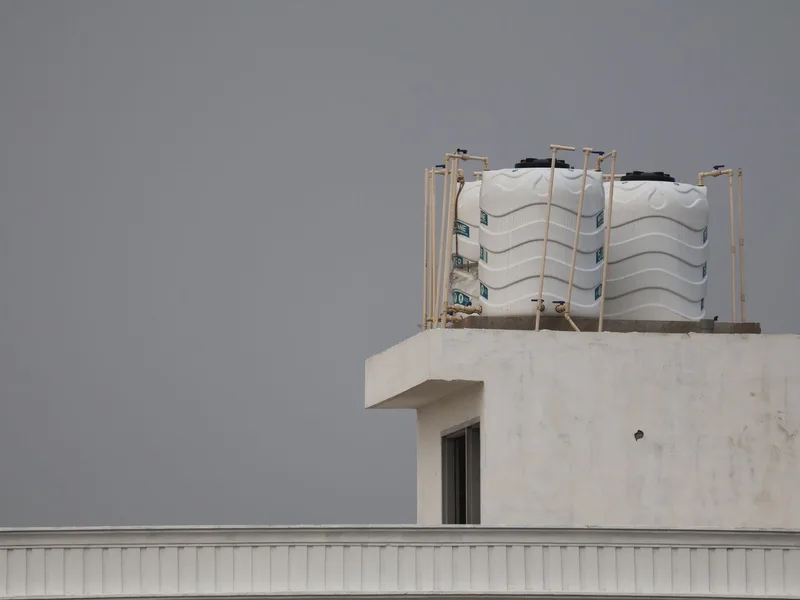
Around the roof tank
Roof tanks on tall buildings are surrounded by side gaps that shelter pigeons from wind.
How we work
-
1
Survey the roof and the facade
We walk the roof, the projections, the condenser platforms and the shafts, separate the nesting positions from the perching ones, and measure and photograph every ledge.
-
2
Strip the nests and treat the parasites
Droppings are wetted before they are lifted so nothing goes airborne dry, bagged closed, and the nest position is treated for ticks and mites before the surface is sanitised.
-
3
Close and fit
Netting tensioned on a perimeter wire with no gap at the corners, spikes or wire on the narrow projections, metal mesh across vents and shafts, and the roof drains freed of the nest material packing them.
-
4
The follow-up visit
We come back to check the tension, the corners and any position the flock has moved to, and correct what has slackened before a bird finds it.
What bird and pigeon control includes
-

A recorded survey
Every ledge, condenser platform and shaft, photographed, with nesting separated from perching before anything is chosen.
-

Nest removal and drain clearing
Lifted wet rather than swept dry, bagged closed, and the roof drains freed of the nest material packing them.
-

Parasite treatment and sanitising
The nest position treated for ticks and mites, then the surface the droppings sat on sanitised.
-

Sealing and fitting the deterrents
Netting tensioned on a perimeter wire, spikes or wire on narrow projections, and metal mesh across ventilation openings.
-

Aftercare instructions
The condensate water, food left on the roof, and what should not sit beside a ledge if the attraction is to stay gone.
-

A follow-up on tension and corners
Netting slackens and corners open over time; the visit corrects that and closes any new position.
What is different about Al Misfalah Sub-Municipality
Al Misfalah sub municipality runs downhill from the south of the Grand Mosque through Al Misfalah, Kudai and Al Rawabi to Al Taqwa, Al Hindawiyah, Al Khalidiyah and Al Rusayfah at the third ring road. The northern end is old apartment blocks and pilgrim hotels with restaurants along Ibrahim Al Khalil Street and the huge coach parks at Kudai. The south and west are dense popular districts with countless small shops and unplanned hillside housing, some of it already cleared for redevelopment, giving way to orderly land grant schemes in Al Rusayfah beside the railway station.
Questions about this district
Pigeons enter via mountain tunnels, how do you block them there?
We inspect tunnel openings and fit strong metal mesh over them. Some tunnels are very deep, so we advise coordinating with the municipality to install permanent barriers.
Towers are very tall with high rooftops, how do you reach them?
We use safe climbing equipment and safety harnesses. We work with a team trained in high altitude work.
Hotels and furnished apartments are always occupied, does your work disturb residents?
No, we work only on external rooftops and spaces. We usually work at night or quiet times to minimise disturbance.
Jabal Khandamah overlooks us, do pigeons come from the mountain?
Yes, the mountain is a natural habitat for pigeons and birds. We advise protecting windows and openings that overlook the mountain.
Tunnels and hillside openings make the problem complex, how do you handle this?
We work with you on a staged plan: close the tunnels first, then rooftops, then balconies and windows.
Will pigeons return via the tunnels after treatment?
No if tunnel barriers are strong and complete. Regular inspection is essential to ensure barriers remain intact.
How much does bird and pigeon control in Al Rawabi cost?
It is set after the inspection, because the price follows the type of infestation, the size of the space, how far it has spread and the number of visits it needs. Send a photo and a description on WhatsApp and we will give you an estimate before we reach Al Rawabi.
Nearby districts we cover
Other services in Al Rawabi
Other services we provide to residents of Al Rawabi.
-
 Residential
Cockroach control
Residential
Cockroach control
-
 Residential
Bed bug control
Residential
Bed bug control
-
 Residential
Termite control
Residential
Termite control
-
 Residential
Rodents and mice
Residential
Rodents and mice
-
 Residential
Mosquito control
Residential
Mosquito control
-
 Residential
Fly control
Residential
Fly control
-
 Residential
Ant control
Residential
Ant control
-
 Residential
Gecko control
Residential
Gecko control
-
 Residential
Scorpion control
Residential
Scorpion control
-
 Residential
Snake control
Residential
Snake control
-
 Residential
Flea control
Residential
Flea control
-
 Residential
Preventive treatment
Residential
Preventive treatment
-
 Residential
Disinfection
Residential
Disinfection
-
 Commercial
Annual contracts
Commercial
Annual contracts
-
 Commercial
Restaurants and cafes
Commercial
Restaurants and cafes
-
 Commercial
Hotels and apartments
Commercial
Hotels and apartments
-
 Commercial
Warehouses and factories
Commercial
Warehouses and factories
-
 Commercial
Schools and nurseries
Commercial
Schools and nurseries
-
 Commercial
Retail and malls
Commercial
Retail and malls
-
 Commercial
Rest houses and farms
Commercial
Rest houses and farms
-
 Commercial
Fumigation
Commercial
Fumigation
-
 Water tanks
Water tank cleaning
Water tanks
Water tank cleaning
-
 Water tanks
Water tank sterilization
Water tanks
Water tank sterilization
-
 Water tanks
Water tank sealing
Water tanks
Water tank sealing
-
 Water tanks
Tank leak repair
Water tanks
Tank leak repair
Need bird and pigeon control in Al Rawabi? Tell us what you saw and we will tell you what it needs
We reach Al Rawabi at a time we agree, and you get the full cost before we start.