
Bird and pigeon control in Al Rawdah Jeddah
Al Rawdah is a mixed district along Madinah Road where shops occupy the ground floors and flats rise above them, with hotels and restaurants clustered through the area. Pigeons nest on both the shop facades and the apartment roofs, affecting customers and residents at the same time.
-
Targeted, not broadcast
Product goes into cracks and runways, never sprayed across open surfaces.
-
Told before we start
What we will use, where it goes, and what to cover or move before we arrive.
-
A follow-up visit
We return after the first treatment, because what survives it does not show on the day.
-
Homes and businesses
Apartments and villas, and kitchens and stores that need a record of each visit.
Why they keep coming back in Al Rawdah
The upmarket hotels and restaurants here object to visible deterrents, so the solution requires designs that blend with modern building exteriors rather than standing out. The method is set out in full on Bird and pigeon control in detail.
Glass shop fronts and busy street-level retail
Premium shops on Tahlia and Prince Sultan Road need protection that does not damage or spoil the appearance. Modern reflective glass and contemporary building design call for hidden or wholly invisible barriers rather than traditional exposed spikes.
Hospital entrance and constant foot traffic
King Faisal Specialist Hospital nearby draws more birds, and the steady flow of vehicles and patients gives pigeons repeated access to inspect nearby roofs and building edges.
Modern apartment block roofs and exposed water tanks
The modern residential buildings here sit with uncovered water tanks on the roof, and pigeons find water, food and shelter all in one spot, which complicates any attempt to remove them.
Al Rawdah on the map
Al Rawdah sits about 2.5 km from Al Khalidiyah and about 3 km from Al Salamah.
Open in Google MapsThe building decides which deterrent works
Tahlia Street and the main commercial spines attract dense pigeon populations because of food waste from open-air cafes and restaurants that operate throughout the day.
Ledge width
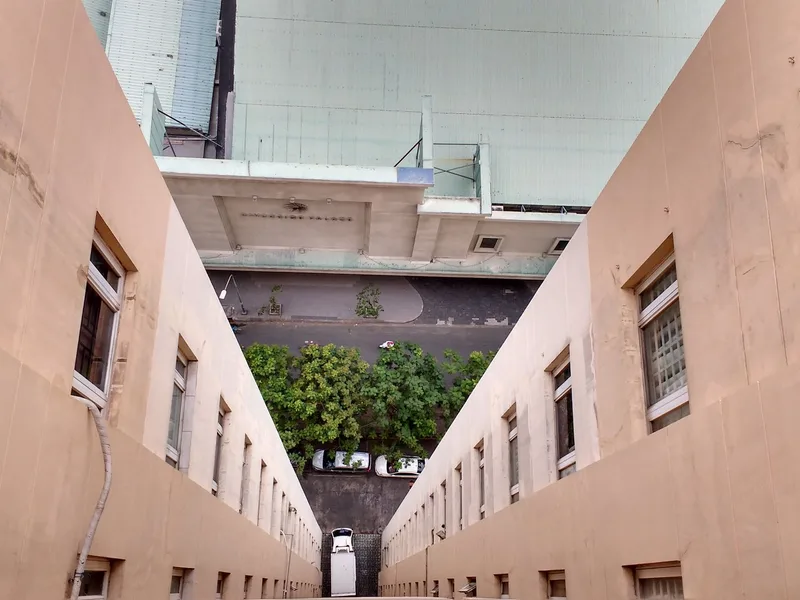
Wide ledges on the commercial apartment blocks provide ideal nesting sites, and the flats above complain of droppings and smell coming down from the roof.
Air conditioning platforms
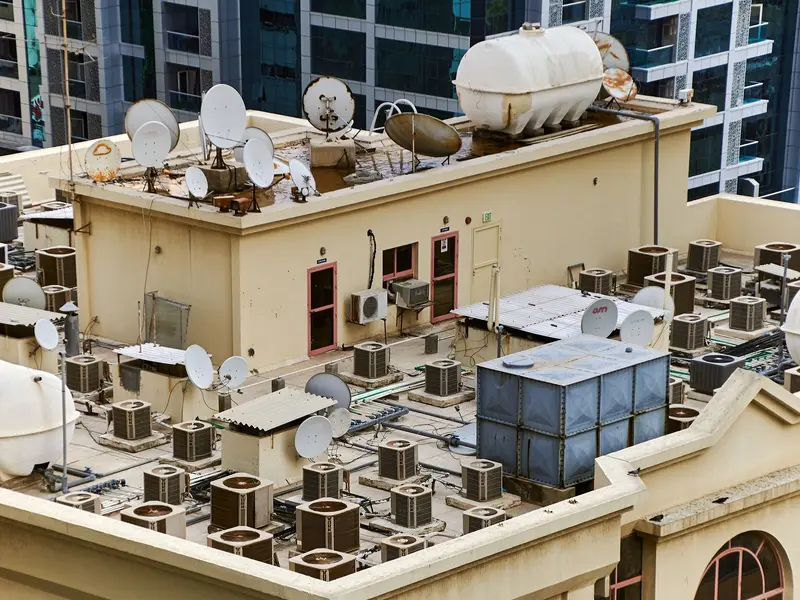
Restaurant and hotel rooftops carry old air conditioning units on corroded metal bases where pigeons wedge between pipes and electrical lines.
The nest itself
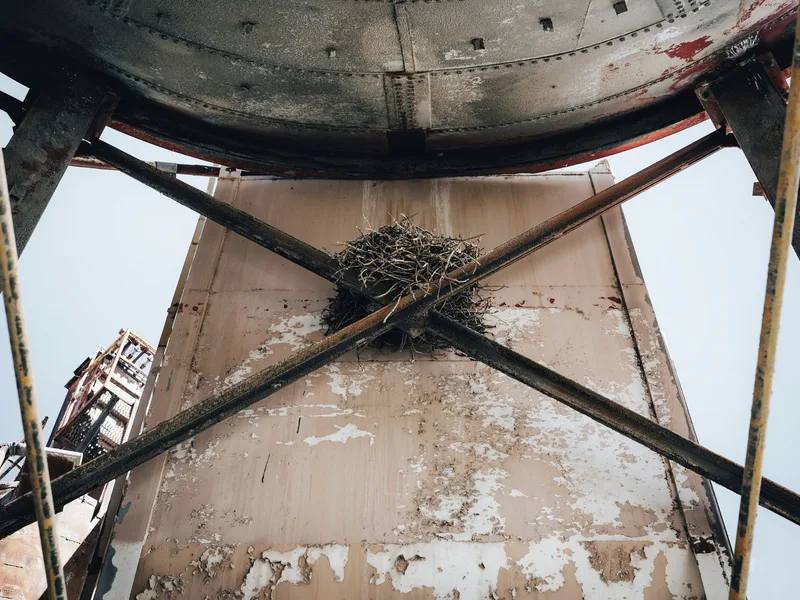
Nests on the front facades of premium shops leave droppings on glass and displayed merchandise, affecting the retail environment directly.
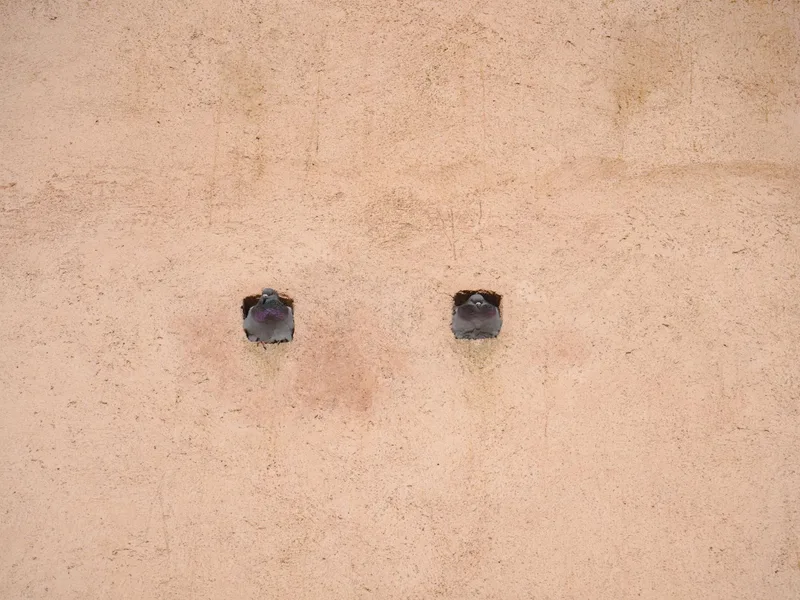
The droppings pattern
Droppings fall straight onto customer heads and parked cars outside the shops, hotels and street-level service counters.
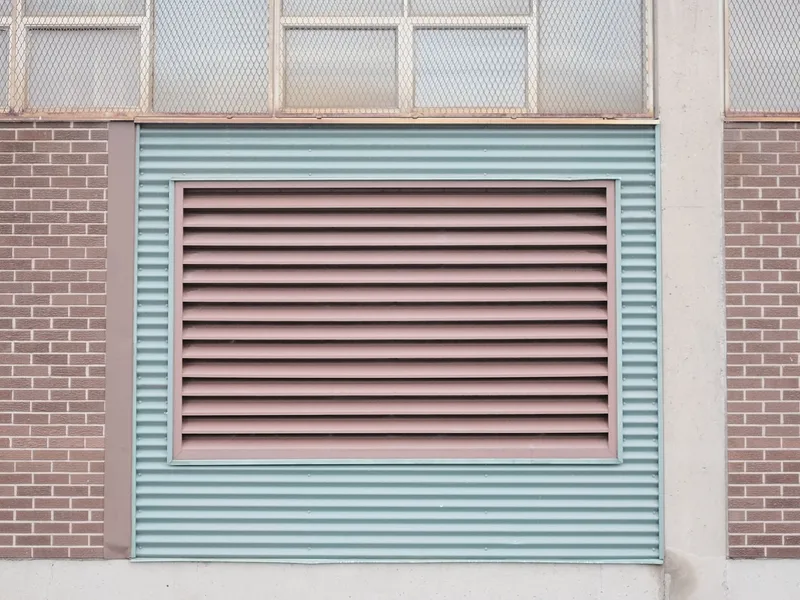
Openings and shafts
Gaps between floor plates and balconies on the residential flats let pigeons enter the flats themselves, not just perch on the outside.
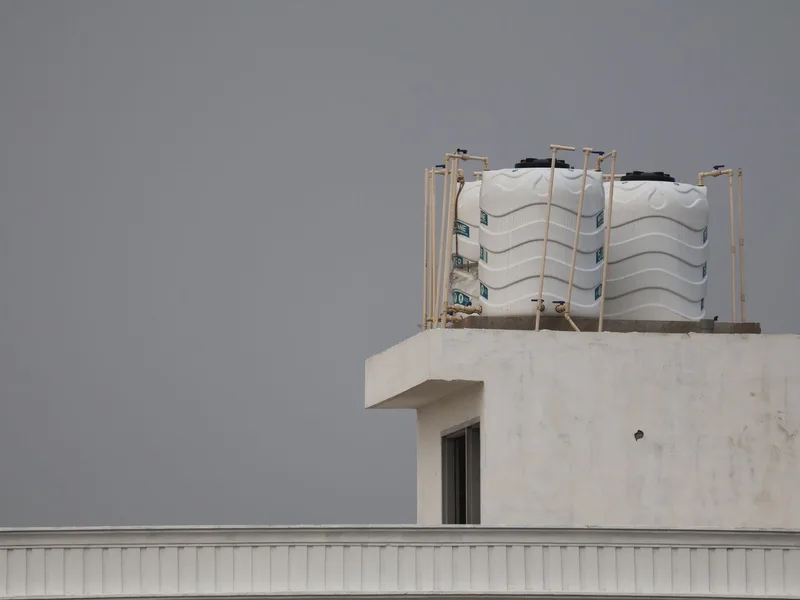
Around the roof tank
Water tanks on the roofs sit uncovered and pigeons roost on them all day, making the stored water unsafe for use.
How we work
-
1
Survey the roof and the facade
We walk the roof, the projections, the condenser platforms and the shafts, separate the nesting positions from the perching ones, and measure and photograph every ledge.
-
2
Strip the nests and treat the parasites
Droppings are wetted before they are lifted so nothing goes airborne dry, bagged closed, and the nest position is treated for ticks and mites before the surface is sanitised.
-
3
Close and fit
Netting tensioned on a perimeter wire with no gap at the corners, spikes or wire on the narrow projections, metal mesh across vents and shafts, and the roof drains freed of the nest material packing them.
-
4
The follow-up visit
We come back to check the tension, the corners and any position the flock has moved to, and correct what has slackened before a bird finds it.
What bird and pigeon control includes
-

A recorded survey
Every ledge, condenser platform and shaft, photographed, with nesting separated from perching before anything is chosen.
-

Nest removal and drain clearing
Lifted wet rather than swept dry, bagged closed, and the roof drains freed of the nest material packing them.
-

Parasite treatment and sanitising
The nest position treated for ticks and mites, then the surface the droppings sat on sanitised.
-

Sealing and fitting the deterrents
Netting tensioned on a perimeter wire, spikes or wire on narrow projections, and metal mesh across ventilation openings.
-

Aftercare instructions
The condensate water, food left on the roof, and what should not sit beside a ledge if the attraction is to stay gone.
-

A follow-up on tension and corners
Netting slackens and corners open over time; the visit corrects that and closes any new position.
The character of Al Rawdah
Mixed district: shops at street level with homes above them
In Al Rawdah the mixed district means shops sit directly under flats with no separation, so a pigeon problem on the shop is a problem for the flat above as well. Treatment must protect both together because keeping them separate is biologically impossible.
Questions about this district
Do the street-level cafes open onto the pavement increase the pigeons?
Significantly. Cafes and restaurants on Tahlia provide constant food throughout the day and evening. Treatment starts by sealing nesting spots on roofs that overlook these outlets, then works outward from there.
Can we fit barriers to the glass shop frontages without damage?
It is possible but needs care. New glass can crack with drilling or heavy fastening. We use adhesive treatments or hanging mesh suspended from above instead, which avoids contact with the glass.
Do flats directly above the restaurants suffer the same problem?
Usually yes. Pigeons nest on both the roof and the facade together. Treatment covers the shop and the flat above it in one plan to prevent pigeons moving between levels.
After we fit the barriers will pigeons move to nearby shops?
They may try nearby shops if those are unprotected. We recommend treating the whole commercial street to prevent pigeons simply shifting their position rather than leaving.
The new hotel refuses visible spikes, what is the alternative?
Yes. We can fit fine mesh or suspended wire, or apply soft blue foam strips to the ledges that do not look like an obvious deterrent to guests or damage the facade.
If food waste stays exposed at the restaurant will treatment work?
No. If bins remain open and scraps are visible, pigeons return no matter how tight we seal the roofs. Treatment needs the restaurants to close bins daily and manage waste disposal properly.
How much does bird and pigeon control in Al Rawdah cost?
It is set after the inspection, because the price follows the type of infestation, the size of the space, how far it has spread and the number of visits it needs. Send a photo and a description on WhatsApp and we will give you an estimate before we reach Al Rawdah.
Nearby districts we cover
Other services in Al Rawdah
Other services we provide to residents of Al Rawdah.
-
 Residential
Cockroach control
Residential
Cockroach control
-
 Residential
Bed bug control
Residential
Bed bug control
-
 Residential
Termite control
Residential
Termite control
-
 Residential
Rodents and mice
Residential
Rodents and mice
-
 Residential
Mosquito control
Residential
Mosquito control
-
 Residential
Fly control
Residential
Fly control
-
 Residential
Ant control
Residential
Ant control
-
 Residential
Gecko control
Residential
Gecko control
-
 Residential
Scorpion control
Residential
Scorpion control
-
 Residential
Snake control
Residential
Snake control
-
 Residential
Flea control
Residential
Flea control
-
 Residential
Preventive treatment
Residential
Preventive treatment
-
 Residential
Disinfection
Residential
Disinfection
-
 Commercial
Annual contracts
Commercial
Annual contracts
-
 Commercial
Restaurants and cafes
Commercial
Restaurants and cafes
-
 Commercial
Hotels and apartments
Commercial
Hotels and apartments
-
 Commercial
Warehouses and factories
Commercial
Warehouses and factories
-
 Commercial
Schools and nurseries
Commercial
Schools and nurseries
-
 Commercial
Retail and malls
Commercial
Retail and malls
-
 Commercial
Rest houses and farms
Commercial
Rest houses and farms
-
 Commercial
Fumigation
Commercial
Fumigation
-
 Water tanks
Water tank cleaning
Water tanks
Water tank cleaning
-
 Water tanks
Water tank sterilization
Water tanks
Water tank sterilization
-
 Water tanks
Water tank sealing
Water tanks
Water tank sealing
-
 Water tanks
Tank leak repair
Water tanks
Tank leak repair
Need bird and pigeon control in Al Rawdah? Tell us what you saw and we will tell you what it needs
We reach Al Rawdah at a time we agree, and you get the full cost before we start.