
Bird and pigeon control in Al Salamah Jeddah
Al Salamah operates on two levels. Street level runs shops and restaurants, upper floors hold flats and villas. Pigeons feed in the daytime trading crowds and nest on shop roofs, then move upward to ledges above homes. The work starts at ground level and works upward through the building envelope. Treating Al Salamah differently from purely residential areas means understanding how food waste and roosting sites are stacked.
-
Targeted, not broadcast
Product goes into cracks and runways, never sprayed across open surfaces.
-
Told before we start
What we will use, where it goes, and what to cover or move before we arrive.
-
A follow-up visit
We return after the first treatment, because what survives it does not show on the day.
-
Homes and businesses
Apartments and villas, and kitchens and stores that need a record of each visit.
Why they keep coming back in Al Salamah
Shops that close in the evening leave food scraps near street level, and pigeons work those sites in darkness before moving to higher ledges. The roosting pattern shifts between day and night, and the nests are found on roofs that serve as commercial storage first. The method is set out in full on Bird and pigeon control in detail.
Shops provide the stepping stone upward
A ground floor shop has a flat roof that becomes a first nest site, then pigeons climb to ledges above the flats. Treating only the flat ledges leaves the shop roof intact and nesting continues on the lowest level. The work must begin on the commercial roof and seal the gaps between ground and first floor, or pigeons return immediately to that first step.
The Al Yamamah Walkway concentrates the flock
The promenade offers trees, seating and water, and pigeons roost there in daytime before dispersing to ledges after dark. The treatment cannot stop at flat ledges; it must account for the gathering place that feeds them and the route between the walkway and the upper residential levels where they nest at night.
Double facade walls hide nests inside
Modern apartment buildings here have glass frontages set in front of stone walls, and pigeons nest in the cavity between the two. Inspection of the visible ledge misses the nest entirely. The work requires knowledge of the building's hidden geometry, not just surface checking.
Al Salamah on the map
Al Salamah sits about 2 km from Al Zahra and about 3 km from Al Rawdah.
Open in Google MapsThe building decides which deterrent works
The district layers shops, hospitals, a university campus and hotels with residential flats. Quraish Street and Al Yamamah Street carry dense retail traffic, and the Al Yamamah Walkway draws foot traffic that drops crumbs and leaves bins scattered all day.
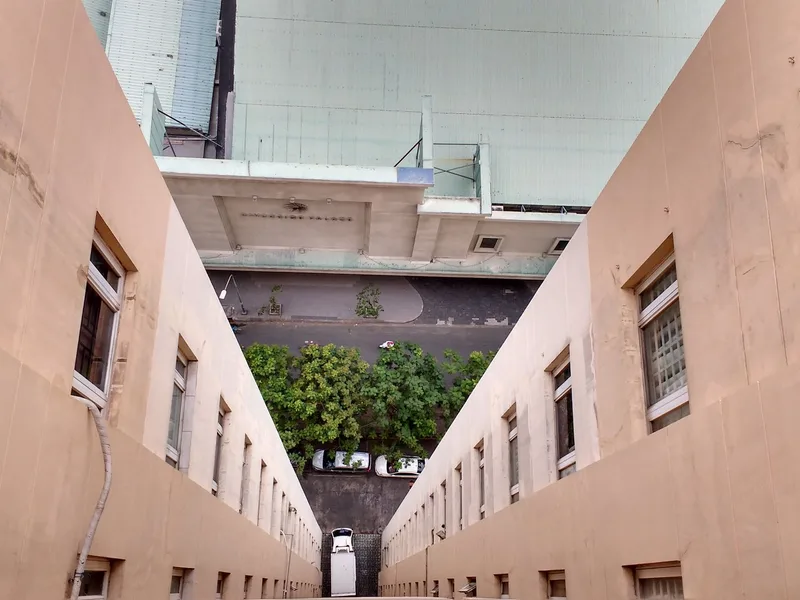
Ledge width
Ledge widths in Al Salamah vary widely. Shop roofs are broad and flat, villas carry narrow sharp ledges. No single deterrent fits them all or fits them all equally well.
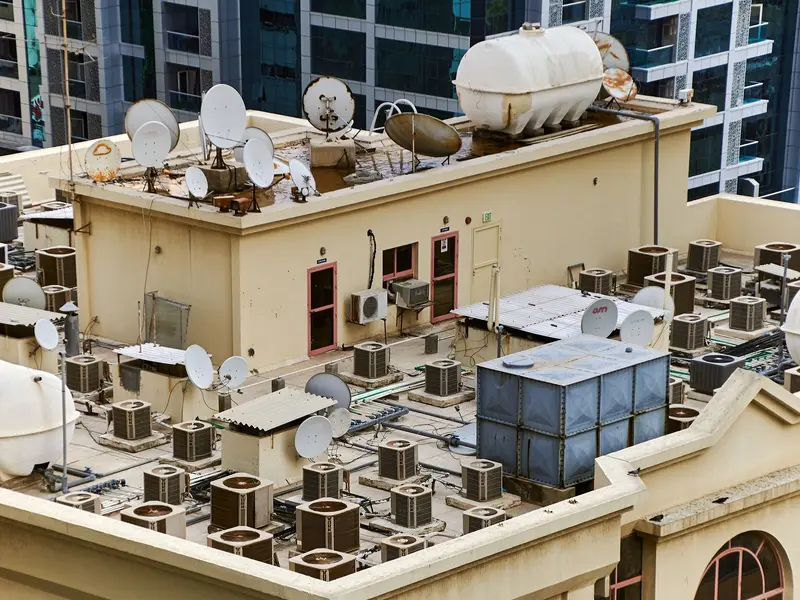
Air conditioning platforms
Air conditioning outlets on shop roofs collect water and algae, and pigeons roost there to drink before settling on the higher ledges above residential floors.
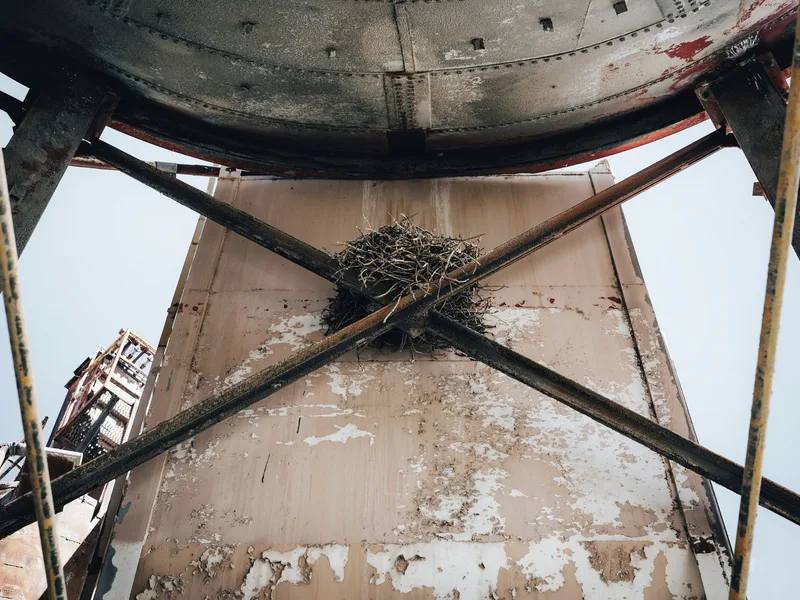
The nest itself
The nests here sit on commercial roofs or in the cavities of glass facades, seldom on open residential ledges, because shops and commercial frontages screen the street itself.
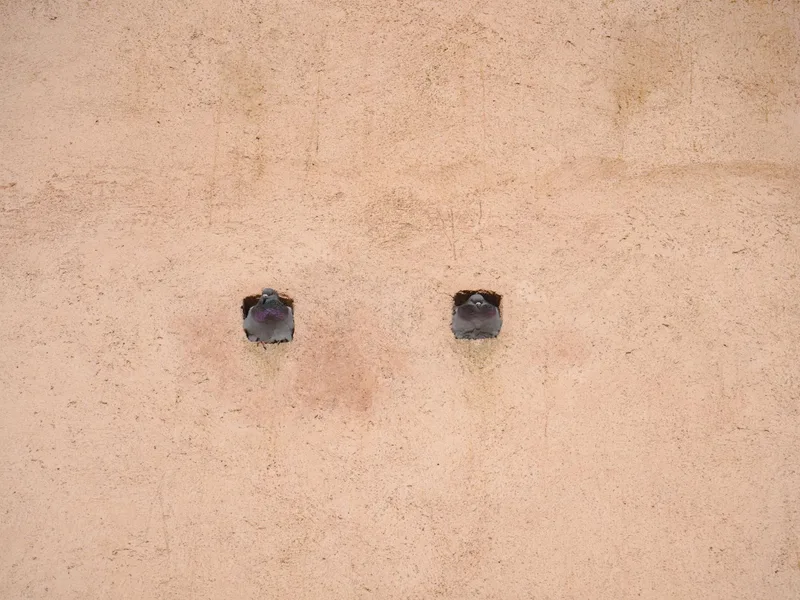
The droppings pattern
Droppings accumulate on shop windows and clinic frontages, causing health hazards and etching the glass with acidic waste that spreads beyond the pigeons' nesting sites.
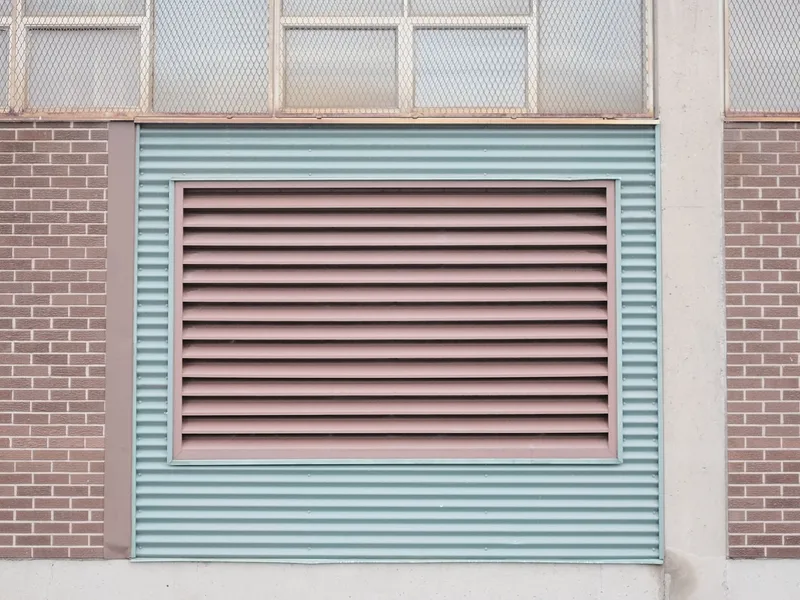
Openings and shafts
Commercial vents and balconies provide routes for pigeons to climb from the roof level into the residential spaces above, and they require separate treatment from the main ledge deterrents.
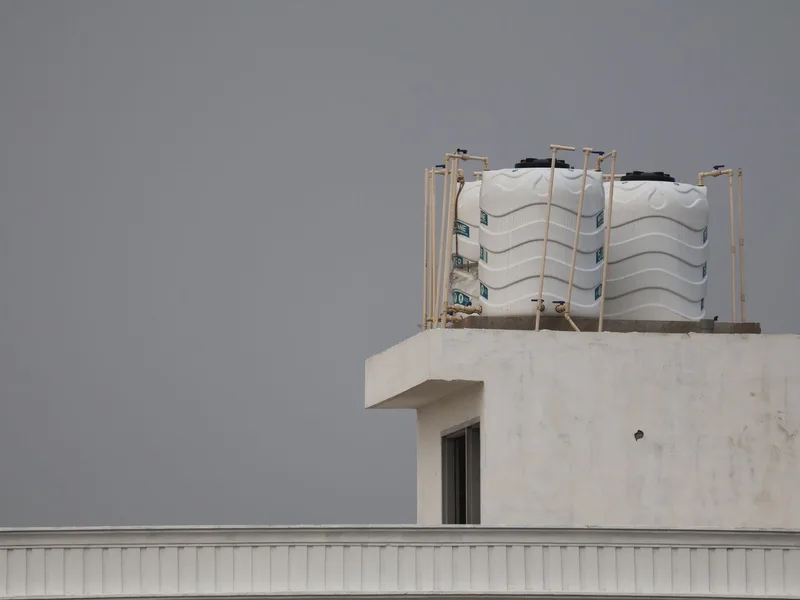
Around the roof tank
Water tanks on commercial roofs and hotel buildings provide fresh drinking water and are the first landing point before any other roosting site on the surrounding ledges.
How we work
-
1
Survey the roof and the facade
We walk the roof, the projections, the condenser platforms and the shafts, separate the nesting positions from the perching ones, and measure and photograph every ledge.
-
2
Strip the nests and treat the parasites
Droppings are wetted before they are lifted so nothing goes airborne dry, bagged closed, and the nest position is treated for ticks and mites before the surface is sanitised.
-
3
Close and fit
Netting tensioned on a perimeter wire with no gap at the corners, spikes or wire on the narrow projections, metal mesh across vents and shafts, and the roof drains freed of the nest material packing them.
-
4
The follow-up visit
We come back to check the tension, the corners and any position the flock has moved to, and correct what has slackened before a bird finds it.
What bird and pigeon control includes
-

A recorded survey
Every ledge, condenser platform and shaft, photographed, with nesting separated from perching before anything is chosen.
-

Nest removal and drain clearing
Lifted wet rather than swept dry, bagged closed, and the roof drains freed of the nest material packing them.
-

Parasite treatment and sanitising
The nest position treated for ticks and mites, then the surface the droppings sat on sanitised.
-

Sealing and fitting the deterrents
Netting tensioned on a perimeter wire, spikes or wire on narrow projections, and metal mesh across ventilation openings.
-

Aftercare instructions
The condensate water, food left on the roof, and what should not sit beside a ledge if the attraction is to stay gone.
-

A follow-up on tension and corners
Netting slackens and corners open over time; the visit corrects that and closes any new position.
The character of Al Salamah
Mixed district: shops at street level with homes above them
A mixed district means the pigeon population here is not simple. Its behaviour is tied to daily trading rhythms, and food is plentiful. Each storey has different nesting points and different treatment priorities, and working only on residential ledges above leaves the feeding and roosting infrastructure in place below.
Questions about this district
The shop below me is closed or abandoned. Does that bring more pigeons?
A disused shop is far worse than an operating one. Pigeons nest there without interference, and even if you seal the front door, ventilation shafts and internal balconies remain open. The roof and any interior openings must be treated from both sides, or you manage the flat above whilst nesting continues on the shop roof beneath.
Will fitting deterrents on the ledge damage the render on the facade?
The ledge itself survives if the wall behind it is sound. But modern facades in Al Salamah use recent paint systems that chip when the ledge is drilled. We inspect the wall material first and choose a fitting method that leaves no permanent holes once the deterrent is in place.
My flat is above a restaurant and its exhaust smokes into my place. Does that attract pigeons?
Pigeons seek food and water before they seek smell. Restaurant odour attracts insects and rodents, and pigeons come to eat those creatures and the discarded food. Treating your flat alone will fail if we do not seal the roof and gaps between the restaurant and your level, because the main nest site sits directly below you in the commercial space.
The villa next to my flat is brand new but the shop below is ancient. Does the age difference matter?
Yes, considerably. The new villa has sharp clean ledges and the old shop has a flat weathered roof with cracks. Pigeons prefer the old roof and then climb to the new villa ledge because they sit side by side. Treatment must cover both buildings together, not the villa alone, or you shift the flock rather than removing it.
The ground floor is a dental clinic. Does that change the pigeons' behaviour?
A clinic maintains high cleanliness and disposes waste carefully, but its air conditioning units shed water in summer and collect dust and microscopic debris around the outlet. Pigeons roost there constantly. The clinic roof requires specialised treatment because the practice cannot tolerate the chemical residues used on ordinary commercial roofs.
Al Zahra and Al Rawdah next door have many pigeons. Will they come to me?
The three districts are contiguous and pigeons move between them. Al Zahra and Al Rawdah have more hotels and gardens, so food is more abundant there, and the flock disperses from those areas into Al Salamah. Treating Al Salamah alone is temporary if the neighbouring areas do not receive treatment at the same time or very soon after.
How much does bird and pigeon control in Al Salamah cost?
It is set after the inspection, because the price follows the type of infestation, the size of the space, how far it has spread and the number of visits it needs. Send a photo and a description on WhatsApp and we will give you an estimate before we reach Al Salamah.
Nearby districts we cover
Other services in Al Salamah
Other services we provide to residents of Al Salamah.
-
 Residential
Cockroach control
Residential
Cockroach control
-
 Residential
Bed bug control
Residential
Bed bug control
-
 Residential
Termite control
Residential
Termite control
-
 Residential
Rodents and mice
Residential
Rodents and mice
-
 Residential
Mosquito control
Residential
Mosquito control
-
 Residential
Fly control
Residential
Fly control
-
 Residential
Ant control
Residential
Ant control
-
 Residential
Gecko control
Residential
Gecko control
-
 Residential
Scorpion control
Residential
Scorpion control
-
 Residential
Snake control
Residential
Snake control
-
 Residential
Flea control
Residential
Flea control
-
 Residential
Preventive treatment
Residential
Preventive treatment
-
 Residential
Disinfection
Residential
Disinfection
-
 Commercial
Annual contracts
Commercial
Annual contracts
-
 Commercial
Restaurants and cafes
Commercial
Restaurants and cafes
-
 Commercial
Hotels and apartments
Commercial
Hotels and apartments
-
 Commercial
Warehouses and factories
Commercial
Warehouses and factories
-
 Commercial
Schools and nurseries
Commercial
Schools and nurseries
-
 Commercial
Retail and malls
Commercial
Retail and malls
-
 Commercial
Rest houses and farms
Commercial
Rest houses and farms
-
 Commercial
Fumigation
Commercial
Fumigation
-
 Water tanks
Water tank cleaning
Water tanks
Water tank cleaning
-
 Water tanks
Water tank sterilization
Water tanks
Water tank sterilization
-
 Water tanks
Water tank sealing
Water tanks
Water tank sealing
-
 Water tanks
Tank leak repair
Water tanks
Tank leak repair
Need bird and pigeon control in Al Salamah? Tell us what you saw and we will tell you what it needs
We reach Al Salamah at a time we agree, and you get the full cost before we start.