
Bird and pigeon control in East Al Baghdadiyah Jeddah
East Al Baghdadiyah is an old quarter on Madinah Road, one of the first districts built outside the ancient wall, with apartment buildings, hotels and dense shops filling a tight space. The district has mixed uses and pigeons exploit this variety. Hotels provide water at multiple heights, shops provide food, apartment buildings provide safe ledges. A single building here may have complete mixing of uses, which means treatment varies by building function, not by a one-size-fits-all approach.
-
Targeted, not broadcast
Product goes into cracks and runways, never sprayed across open surfaces.
-
Told before we start
What we will use, where it goes, and what to cover or move before we arrive.
-
A follow-up visit
We return after the first treatment, because what survives it does not show on the day.
-
Homes and businesses
Apartments and villas, and kitchens and stores that need a record of each visit.
Why they keep coming back in East Al Baghdadiyah
Residents report that pigeon numbers peak during government office hours and hotel activity, and that old buildings with cracks allow pigeons to nest undetected and undisturbed. The method is set out in full on what Bird and pigeon control involves.
Hotels provide water at varying heights
Hotels in Al Baghdadiyah are old with roofs at different levels and exposed water pipes. Pigeons land on low hotel roofs then cross to residential blocks beside them. Treating hotels is a priority because incomplete treatment leaves them pumping birds into the surrounding district continuously.
Ground floor shops shift use throughout the day
One shop may be a restaurant in the morning, a curio store in the afternoon and a storeroom at night. Changing use means pigeons nest during closure. Treating a single shop may fail if it changes function between visits.
Old buildings harbour hidden nests in cracks
Historic stone and aged construction contain openings and cracks, and pigeons nest inside them away from sight. You may find no obvious roof nest but plenty of birds. Treating old buildings requires internal inspection, not just external survey.
The character of East Al Baghdadiyah
Commercial area: offices, showrooms and small stores
Old commercial district means pigeons are there for multiple reasons: hotels, shops, aged structures and poor maintenance. Treating one problem may not solve one building if it has mixed uses throughout.
The building decides which deterrent works
An historic quarter north of Al Balad along Madinah Road, one of the first areas beyond the old city wall. Densely packed apartment buildings, hotels and small commercial shops fill a compact space near the Jeddah Governorate building, Al Aziziyah Mosque and old quarry sites, bordering Al Fayha and Al Kandarah.
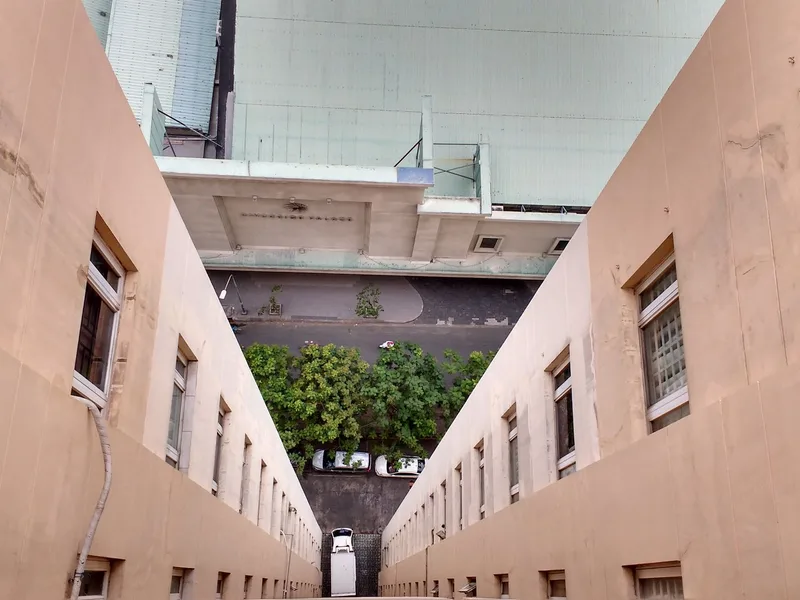
Ledge width
Ledges in Al Baghdadiyah are highly varied. A hotel may be wide and flat, a shop may be narrow and sharp, a building may be old and cracked.
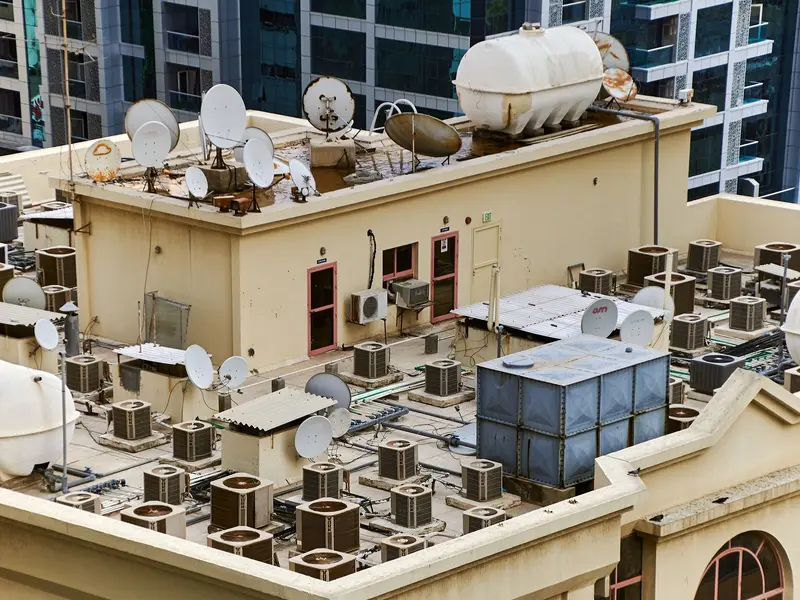
Air conditioning platforms
Air conditioning and drainage outlets on hotel roofs supply water and pigeons roost there heavily.
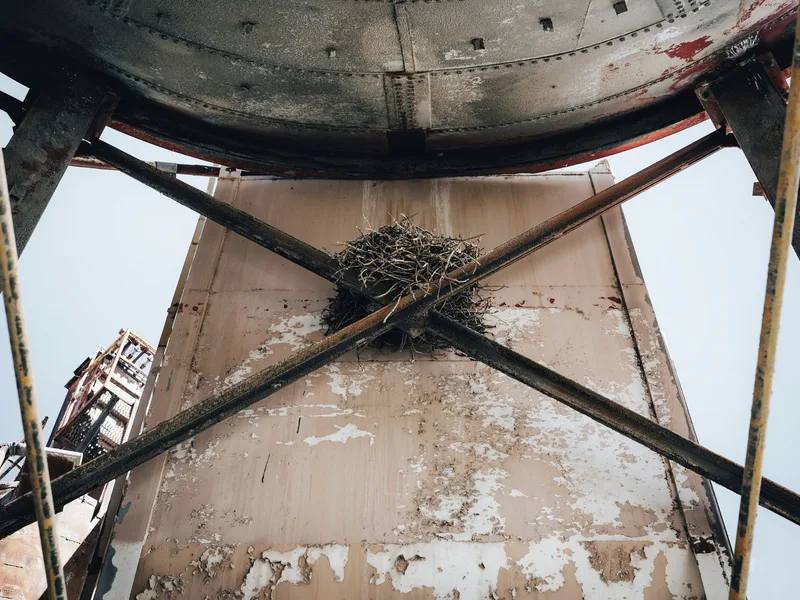
The nest itself
Nests here occupy hotel ledges or gaps between buildings, and may be hidden in cracks of old structures.
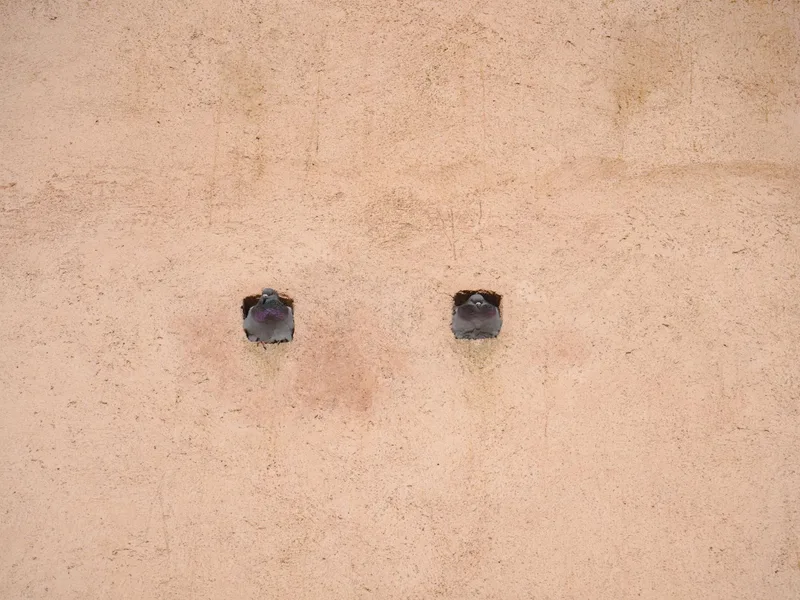
The droppings pattern
Droppings are varied in origin: from hotels, restaurants and shops, and each source attracts slightly different pigeon populations.
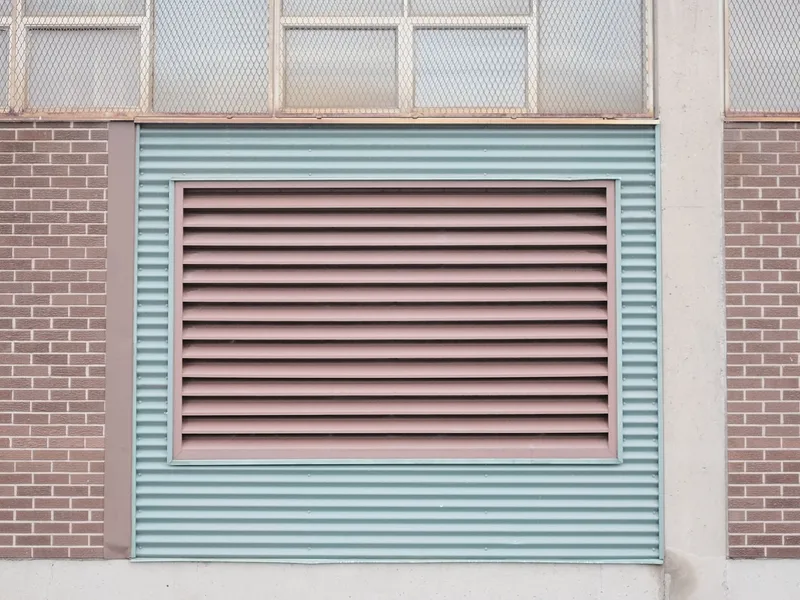
Openings and shafts
Window and door gaps in old buildings are famous roosting points, and pigeons nest behind them from inside.
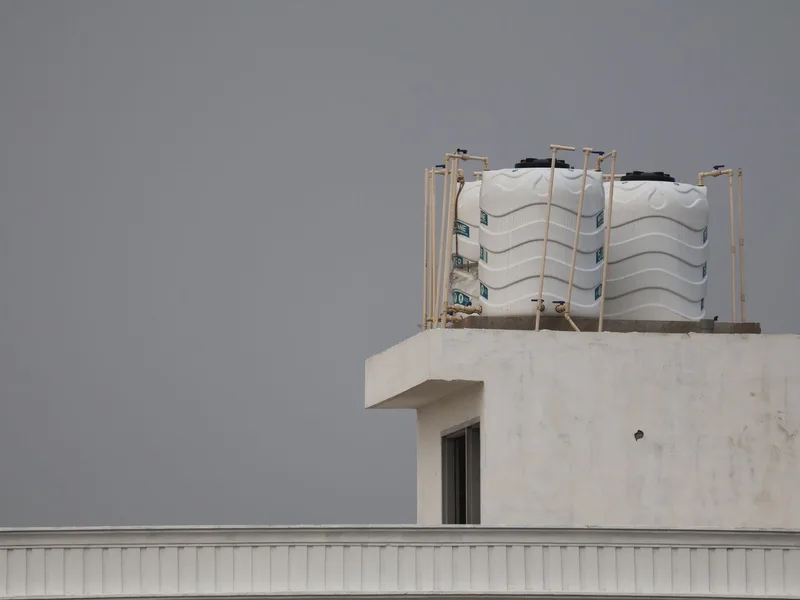
Around the roof tank
Water tanks on hotels are large and supply warm water to pigeons in every season.
How we work
-
1
Survey the roof and the facade
We walk the roof, the projections, the condenser platforms and the shafts, separate the nesting positions from the perching ones, and measure and photograph every ledge.
-
2
Strip the nests and treat the parasites
Droppings are wetted before they are lifted so nothing goes airborne dry, bagged closed, and the nest position is treated for ticks and mites before the surface is sanitised.
-
3
Close and fit
Netting tensioned on a perimeter wire with no gap at the corners, spikes or wire on the narrow projections, metal mesh across vents and shafts, and the roof drains freed of the nest material packing them.
-
4
The follow-up visit
We come back to check the tension, the corners and any position the flock has moved to, and correct what has slackened before a bird finds it.
What bird and pigeon control includes
-

A recorded survey
Every ledge, condenser platform and shaft, photographed, with nesting separated from perching before anything is chosen.
-

Nest removal and drain clearing
Lifted wet rather than swept dry, bagged closed, and the roof drains freed of the nest material packing them.
-

Parasite treatment and sanitising
The nest position treated for ticks and mites, then the surface the droppings sat on sanitised.
-

Sealing and fitting the deterrents
Netting tensioned on a perimeter wire, spikes or wire on narrow projections, and metal mesh across ventilation openings.
-

Aftercare instructions
The condensate water, food left on the roof, and what should not sit beside a ledge if the attraction is to stay gone.
-

A follow-up on tension and corners
Netting slackens and corners open over time; the visit corrects that and closes any new position.
Landmarks of East Al Baghdadiyah
The district pivots on the landmark Jeddah Governorate building and the historic Al Aziziyah Mosque. Work requires coordination with hotels along Madinah Road and commercial premises around Al Aziziyah Mosque, because pigeons move between these sites.
- Madinah Road
- Jeddah Governorate Building
- Al Aziziyah Mosque
- Al Matar Street
- Marzouq Al Rayhan Mosque
Questions about this district
The old hotel next to my flat has open windows. Can I make them close them?
You cannot close hotel windows. But you can document the problem and contact hotel management. If the hotel is neglected or unoccupied, pigeons will settle there quickly. Your own treatment alone will not solve birds coming from the hotel.
The Governorate building is very close. Does it attract more pigeons because of all the people?
Large government buildings provide wide roofs, open spaces, water from drainage and landscaped areas. Yes, there is pressure from that direction. Pigeons in Al Baghdadiyah come from old buildings and government structures equally.
My flat is in a very old district. Is pigeon control harder?
Yes, much harder than new areas. Old buildings have many cracks and gaps, and pigeons nest in places invisible from outside. Detailed inspection and crack repair must come before any deterrents.
My flat is above a spice and perfume shop. Does the smell attract pigeons?
Smell does not attract pigeons directly but the shop may leave scraps or water. Shops are usually clean but the gap between you and the shop can be a refuge for pigeons. Sealing that gap is necessary.
Al Aziziyah Mosque is next to my house. Do pigeons come from there?
Mosques are maintained to high standards and respect. They rarely host pigeons. But spaces around the mosque and surrounding streets may provide routes for pigeons. Birds in Al Baghdadiyah come from hotels and shops more than from religious sites.
The district is close to the sea and drains are very old. Does moisture make the problem worse?
Yes. Moisture from old drainage and proximity to water create ideal conditions for insects and parasites. Pigeons come to feed on those creatures. Treating drainage and moisture first may reduce pressure on housing.
How much does bird and pigeon control in East Al Baghdadiyah cost?
It is set after the inspection, because the price follows the type of infestation, the size of the space, how far it has spread and the number of visits it needs. Send a photo and a description on WhatsApp and we will give you an estimate before we reach East Al Baghdadiyah.
Nearby districts we cover
Other services in East Al Baghdadiyah
Other services we provide to residents of East Al Baghdadiyah.
-
 Residential
Cockroach control
Residential
Cockroach control
-
 Residential
Bed bug control
Residential
Bed bug control
-
 Residential
Termite control
Residential
Termite control
-
 Residential
Rodents and mice
Residential
Rodents and mice
-
 Residential
Mosquito control
Residential
Mosquito control
-
 Residential
Fly control
Residential
Fly control
-
 Residential
Ant control
Residential
Ant control
-
 Residential
Gecko control
Residential
Gecko control
-
 Residential
Scorpion control
Residential
Scorpion control
-
 Residential
Snake control
Residential
Snake control
-
 Residential
Flea control
Residential
Flea control
-
 Residential
Preventive treatment
Residential
Preventive treatment
-
 Residential
Disinfection
Residential
Disinfection
-
 Commercial
Annual contracts
Commercial
Annual contracts
-
 Commercial
Restaurants and cafes
Commercial
Restaurants and cafes
-
 Commercial
Hotels and apartments
Commercial
Hotels and apartments
-
 Commercial
Warehouses and factories
Commercial
Warehouses and factories
-
 Commercial
Schools and nurseries
Commercial
Schools and nurseries
-
 Commercial
Retail and malls
Commercial
Retail and malls
-
 Commercial
Rest houses and farms
Commercial
Rest houses and farms
-
 Commercial
Fumigation
Commercial
Fumigation
-
 Water tanks
Water tank cleaning
Water tanks
Water tank cleaning
-
 Water tanks
Water tank sterilization
Water tanks
Water tank sterilization
-
 Water tanks
Water tank sealing
Water tanks
Water tank sealing
-
 Water tanks
Tank leak repair
Water tanks
Tank leak repair
Need bird and pigeon control in East Al Baghdadiyah? Tell us what you saw and we will tell you what it needs
We reach East Al Baghdadiyah at a time we agree, and you get the full cost before we start.