
Bird and pigeon control in South Prince Fawaz Jeddah
South Prince Fawaz is a densely built district near Haramain Road and Jeddah Makkah Expressway, apartment blocks and villas crossed by an open stormwater channel. The channel itself provides year-round water and pigeons roost on it constantly before dispersing to ledges above. The district faces a double pressure: pigeons from the channel and overflow from denser older districts to the south. Treating South Prince Fawaz without addressing the channel is incomplete.
-
Targeted, not broadcast
Product goes into cracks and runways, never sprayed across open surfaces.
-
Told before we start
What we will use, where it goes, and what to cover or move before we arrive.
-
A follow-up visit
We return after the first treatment, because what survives it does not show on the day.
-
Homes and businesses
Apartments and villas, and kitchens and stores that need a record of each visit.
Why they keep coming back in South Prince Fawaz
Residents report that pigeons concentrate on the open channel in morning and evening, and the district experiences pigeon surges whenever it rains because the channel becomes a rich water source. The method is set out in full on Bird and pigeon control in detail.
The open channel supplies fresh water and insects year round
An open drainage channel provides year round water even in dry summers, and insects around the water are plentiful. Pigeons drink from the channel and eat insects around it, then move to ledges above. Treating pigeons without addressing the channel leaves the primary food and water source intact.
Older neighbouring districts pump pigeons continuously
Prince Abdul Majeed and Al Adl are older denser quarters, and pigeons move from there towards newer cleaner South Prince Fawaz. Pressure from the south is strong and the district receives constant overflow from older neighbouring areas.
Regular grid and large gaps let pigeons move freely
The district is laid out on a regular street pattern with broad gaps between blocks, and pigeons travel freely. Unlike tight quarters, pigeons here do not feel confined and move confidently between districts.
South Prince Fawaz on the map
South Prince Fawaz sits about 1 km from North Prince Fawaz and about 1.5 km from Al Adl.
Open in Google MapsThe building decides which deterrent works
A closely built residential extension close to the Haramain Road and Jeddah Makkah Expressway, apartment blocks and villas on a regular grid cut by an open stormwater drainage channel. The area is relatively recent compared to other southern districts, but continuous development and the open channel create a persistently damp environment.
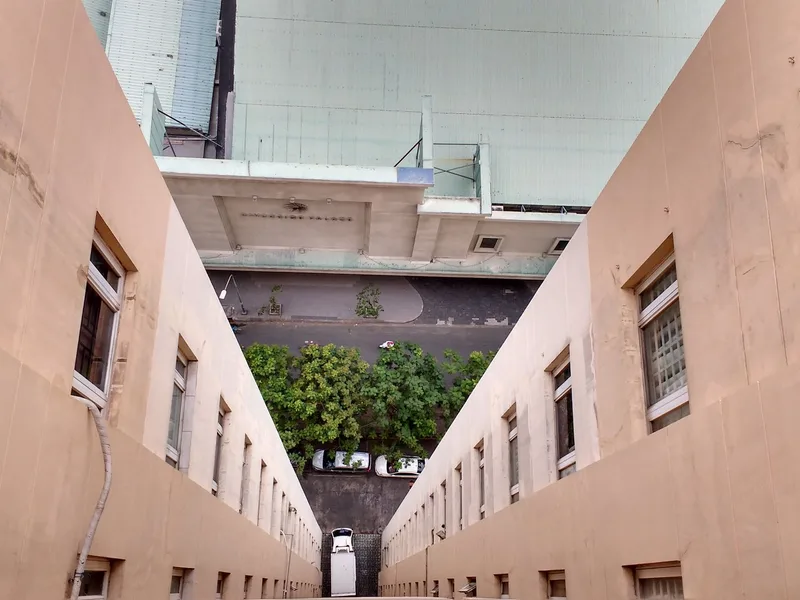
Ledge width
Ledges in South Prince Fawaz are relatively uniform because the district is a recent planned development, but they are affected by moisture from the open channel and damp ground.
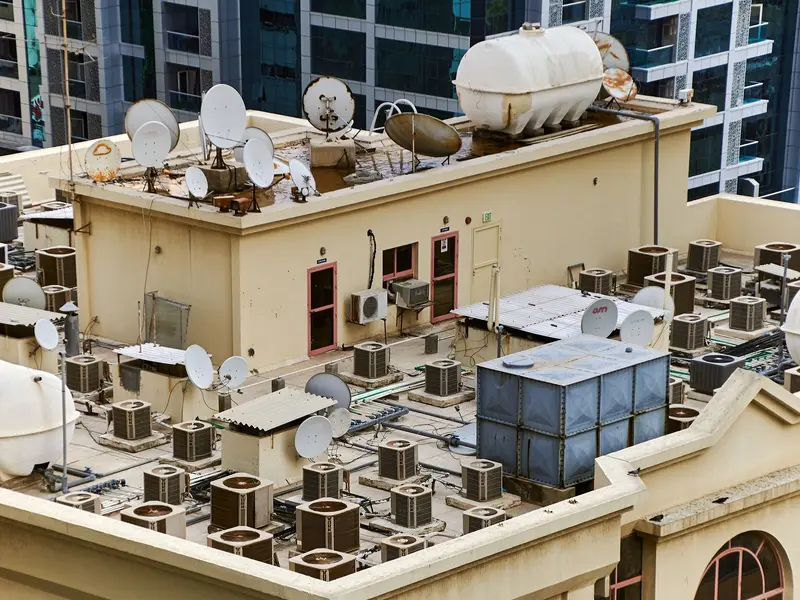
Air conditioning platforms
Air conditioning outlets on roofs supply water alongside moisture from the channel.
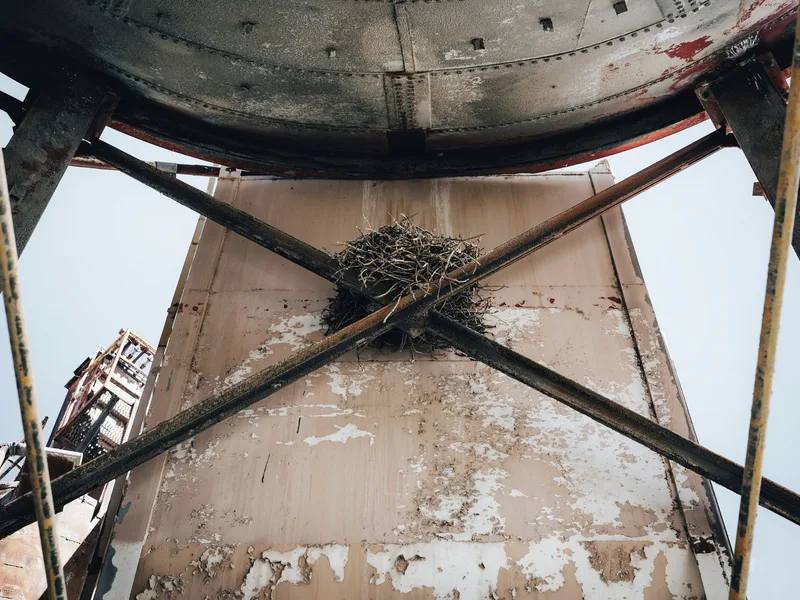
The nest itself
Nests occupy ledges, balconies and gaps between units because of external pressure from the channel and neighbouring districts.
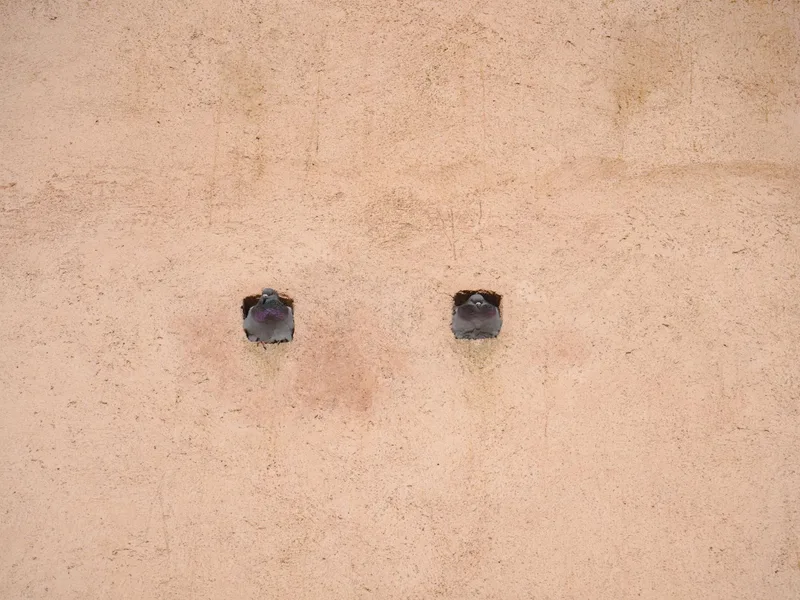
The droppings pattern
Droppings accumulate on balconies and lower windows rapidly because pigeon pressure is high.
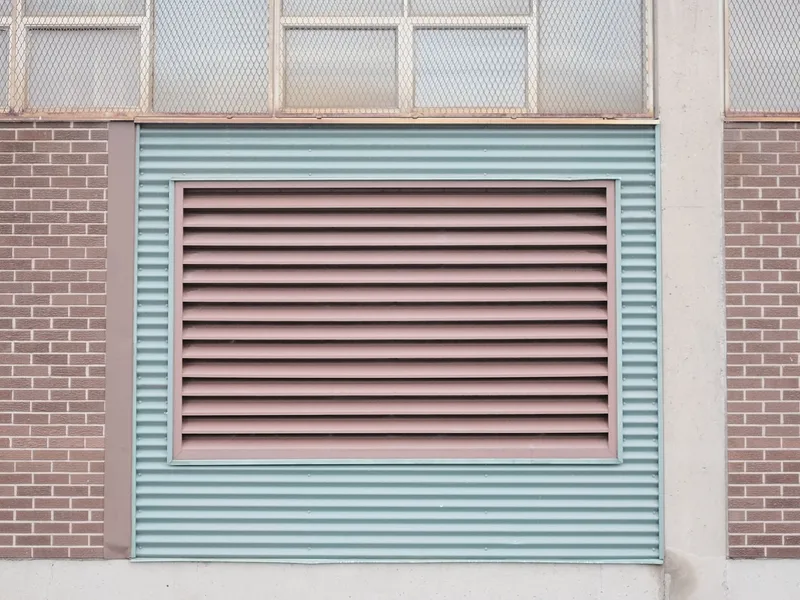
Openings and shafts
Balcony and door openings provide easy access from outside because the district is open layout.
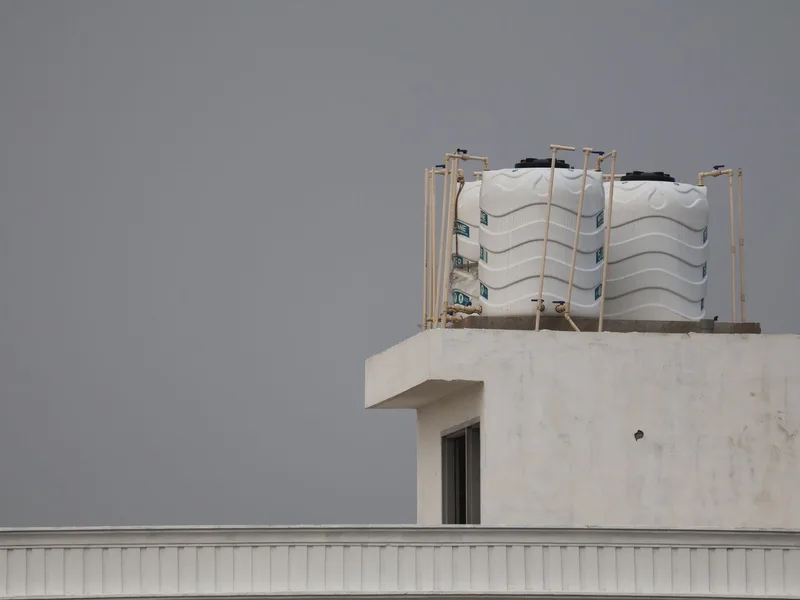
Around the roof tank
Roof water tanks are critical, especially because standing water from the channel and scarcity of clean water elsewhere make them important to pigeons.
How we work
-
1
Survey the roof and the facade
We walk the roof, the projections, the condenser platforms and the shafts, separate the nesting positions from the perching ones, and measure and photograph every ledge.
-
2
Strip the nests and treat the parasites
Droppings are wetted before they are lifted so nothing goes airborne dry, bagged closed, and the nest position is treated for ticks and mites before the surface is sanitised.
-
3
Close and fit
Netting tensioned on a perimeter wire with no gap at the corners, spikes or wire on the narrow projections, metal mesh across vents and shafts, and the roof drains freed of the nest material packing them.
-
4
The follow-up visit
We come back to check the tension, the corners and any position the flock has moved to, and correct what has slackened before a bird finds it.
What bird and pigeon control includes
-

A recorded survey
Every ledge, condenser platform and shaft, photographed, with nesting separated from perching before anything is chosen.
-

Nest removal and drain clearing
Lifted wet rather than swept dry, bagged closed, and the roof drains freed of the nest material packing them.
-

Parasite treatment and sanitising
The nest position treated for ticks and mites, then the surface the droppings sat on sanitised.
-

Sealing and fitting the deterrents
Netting tensioned on a perimeter wire, spikes or wire on narrow projections, and metal mesh across ventilation openings.
-

Aftercare instructions
The condensate water, food left on the roof, and what should not sit beside a ledge if the attraction is to stay gone.
-

A follow-up on tension and corners
Netting slackens and corners open over time; the visit corrects that and closes any new position.
What is different about South Sub-Municipality
The South sub municipality runs from the edge of Old Makkah Road down to Al Khumrah and the southern corniche. Dense residential districts sit beside new subdivisions such as Al Sanabil and Al Taawun, warehouse fringes such as Al Saruriyah and Al Sarawat, and an old seaside settlement at Al Quzayn. Open stormwater channels cross the housing, and the warehouses, the vegetable and livestock markets and the nearby Islamic Port and Industrial City give pests shelter, food and year round humidity. Pressure is greatest in the older quarters, where drainage networks are ageing.
Questions about this district
The channel is very close to my villa. Is there a health risk from the water or insects?
The channel supplies standing water and insects are abundant. The health hazard comes more from insects and smell than from water itself. Regular municipal cleaning of the channel is very important.
My villa is new and clean but the channel is old. Will I have more pigeons than older villas nearby?
New clean villas attract fewer pigeons than old ones, but the open channel erases that difference. Pigeons from the channel will come to your new villa too if it is close by.
Rainfall brings a huge pigeon surge. Is there a connection?
Direct connection. Rain fills the channel and insects breed rapidly. Pigeons come to eat insects and drink fresh water. Treatment immediately after rain works better than waiting.
My villa is next to the older district (Prince Abdul Majeed). Does that affect me?
Strong impact if you are very close to the border. Pigeons from Prince Abdul Majeed will come to you. Joint treatment with the neighbouring district is better, or expect continuous bird movement from their side.
Talitla Secondary School, the two mosques and the hospital are nearby. Do they attract pigeons?
These institutions supply water from courtyards and landscaping. Yes, there is pressure from that direction but the baseline pressure from the channel and neighbouring districts is greater.
Should the whole district be treated instead of just my villa?
The whole district needs a unified approach because pigeons move freely between villas. Treating a single villa may fail if it is not part of a wider strategy. Coordination with neighbours will help you greatly.
How much does bird and pigeon control in South Prince Fawaz cost?
It is set after the inspection, because the price follows the type of infestation, the size of the space, how far it has spread and the number of visits it needs. Send a photo and a description on WhatsApp and we will give you an estimate before we reach South Prince Fawaz.
Nearby districts we cover
Other services in South Prince Fawaz
Other services we provide to residents of South Prince Fawaz.
-
 Residential
Cockroach control
Residential
Cockroach control
-
 Residential
Bed bug control
Residential
Bed bug control
-
 Residential
Termite control
Residential
Termite control
-
 Residential
Rodents and mice
Residential
Rodents and mice
-
 Residential
Mosquito control
Residential
Mosquito control
-
 Residential
Fly control
Residential
Fly control
-
 Residential
Ant control
Residential
Ant control
-
 Residential
Gecko control
Residential
Gecko control
-
 Residential
Scorpion control
Residential
Scorpion control
-
 Residential
Snake control
Residential
Snake control
-
 Residential
Flea control
Residential
Flea control
-
 Residential
Preventive treatment
Residential
Preventive treatment
-
 Residential
Disinfection
Residential
Disinfection
-
 Commercial
Annual contracts
Commercial
Annual contracts
-
 Commercial
Restaurants and cafes
Commercial
Restaurants and cafes
-
 Commercial
Hotels and apartments
Commercial
Hotels and apartments
-
 Commercial
Warehouses and factories
Commercial
Warehouses and factories
-
 Commercial
Schools and nurseries
Commercial
Schools and nurseries
-
 Commercial
Retail and malls
Commercial
Retail and malls
-
 Commercial
Rest houses and farms
Commercial
Rest houses and farms
-
 Commercial
Fumigation
Commercial
Fumigation
-
 Water tanks
Water tank cleaning
Water tanks
Water tank cleaning
-
 Water tanks
Water tank sterilization
Water tanks
Water tank sterilization
-
 Water tanks
Water tank sealing
Water tanks
Water tank sealing
-
 Water tanks
Tank leak repair
Water tanks
Tank leak repair
Need bird and pigeon control in South Prince Fawaz? Tell us what you saw and we will tell you what it needs
We reach South Prince Fawaz at a time we agree, and you get the full cost before we start.