
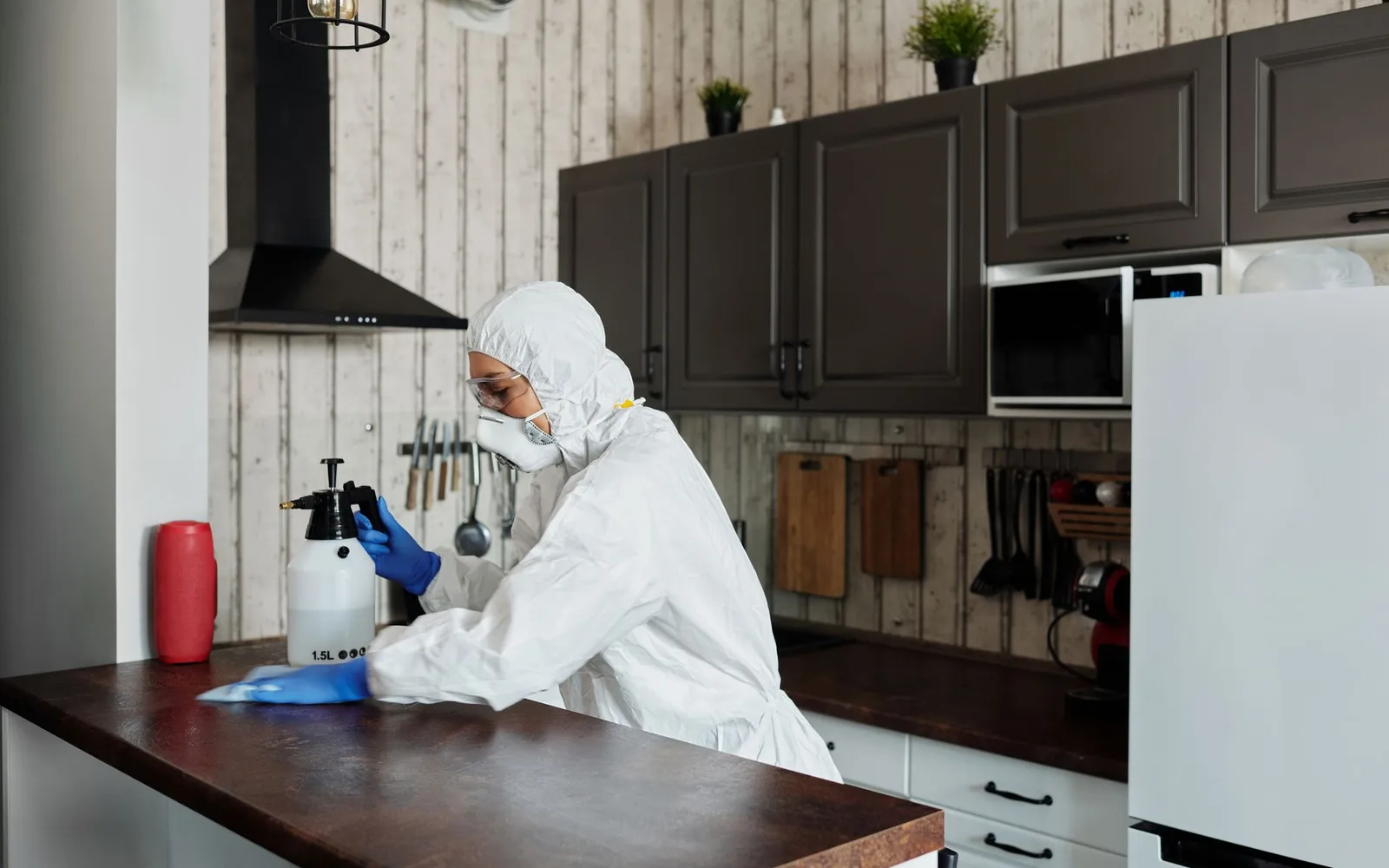
Disinfection in Al Ajwad Jeddah
Al Ajwad is an organised planned district in north eastern Jeddah combining villas and apartment blocks with shops along Al Ajwad Street. Seasonal wadis cross through it causing changes in groundwater levels, which means the damp soil around foundations needs treatment from below first before surface disinfection.
-
Targeted, not broadcast
Product goes into cracks and runways, never sprayed across open surfaces.
-
Told before we start
What we will use, where it goes, and what to cover or move before we arrive.
-
A follow-up visit
We return after the first treatment, because what survives it does not show on the day.
-
Homes and businesses
Apartments and villas, and kitchens and stores that need a record of each visit.
Why they keep coming back in Al Ajwad
Soil around villa foundations stays damp for extended periods because of groundwater and incomplete drainage, and lower walls carry both moisture and hairline cracks. The method is set out in full on how we approach Disinfection.
Seasonal wadis and rising groundwater
Wadis fill quickly in winter and even light rain. Wadi water infiltrates soil and raises groundwater levels, keeping foundations damp continuously.
Drainage networks not yet complete
Newer quarters still lack complete drainage systems. Water collects around foundations and between villas, creating the damp conditions that speed fungal growth.
Shops and restaurants on the main street
Al Ajwad Street carries many shops and restaurants. Waste and odours draw insects and rodents. Shared foundations between shops and villas make it easy for contaminants to move between them.
Al Ajwad on the map
Al Ajwad sits about 2 km from Al Manar and about 2.5 km from Al Samir.
Open in Google MapsWhat we look at before the product is chosen
Seasonal wadis including Wadi Umm Hablain and Wadi Al Asla run through the district. Groundwater runs high in parts of it, and drainage networks are incomplete in the newer quarters.
The touch points
Touch points on lower floors and steps face rising damp. Handles, railings and lower glass need repeated cleaning before disinfection.
Porous surfaces
Porous surfaces in lower walls and concrete floors absorb moisture easily. Groundwater keeps them damp at all times.
The finish itself
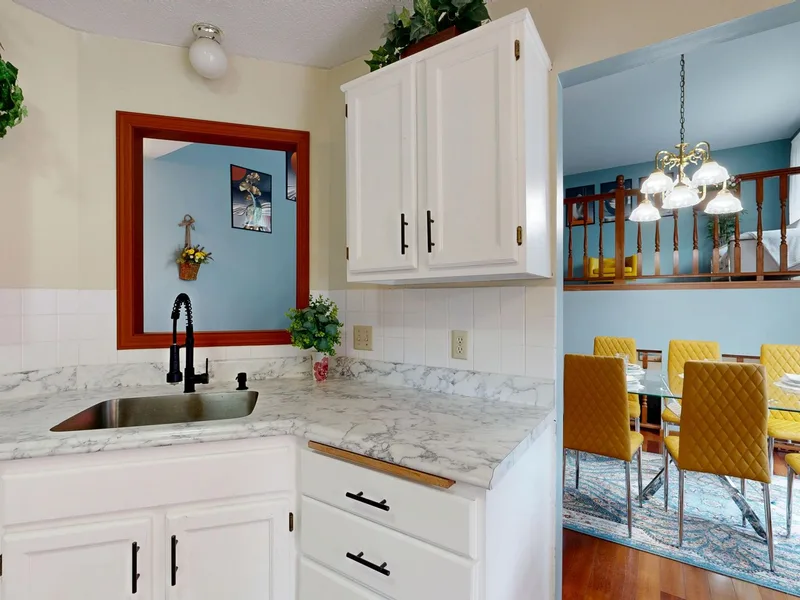
Old or damp finishes prevent the disinfectant from working. Cracked walls and old paint need removal first.
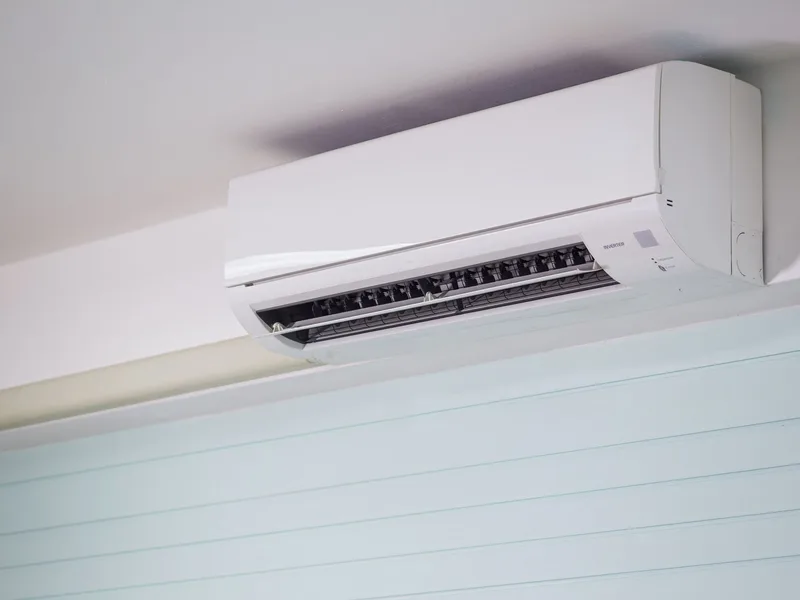
The air conditioning unit
Air conditioning works harder because interior humidity is high. Filters hold moisture and salts from groundwater and soil.
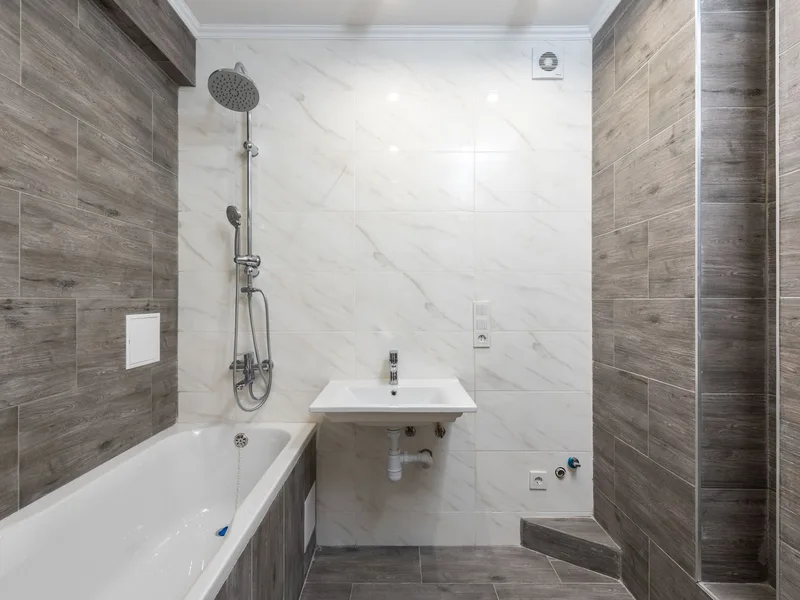
Floor traps
Lower floor traps and pipe openings hold permanent moisture and mould. Treatment from below prevents odours rising continuously.
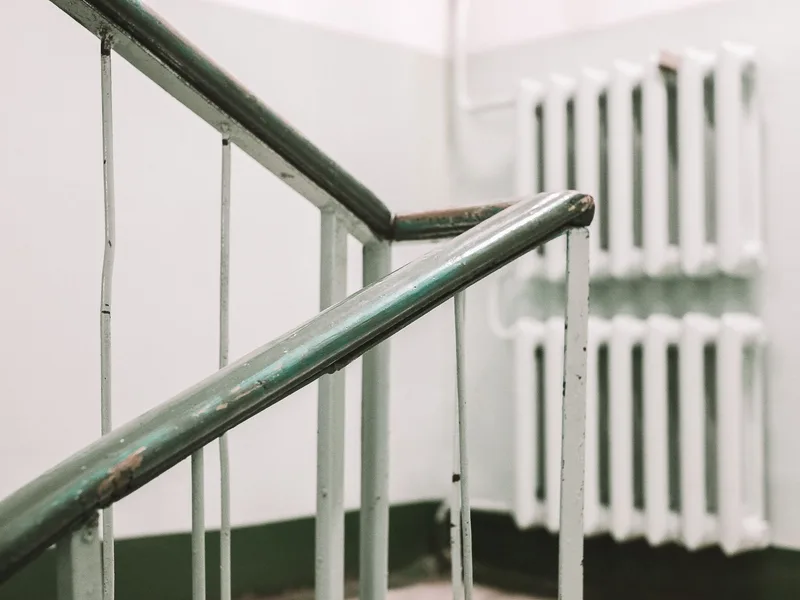
Shared entrances and stairs
Steps, lower entrances and gaps between villas collect water and stay damp. Cracks around pipes and cables are pathways for damp throughout.
How we work
-
1
Walk the space and list the surfaces
We go through the rooms and mark the touch points, the porous surfaces and the finishes, then ask what prompted the call: illness at home, moving into a new place, building work, or a smell that arrived out of nowhere.
-
2
Clean what we are about to treat
We take the film of dust and grease off the surfaces that are in scope, so the product reaches the surface itself. This is preparation for the treatment, not general house cleaning.
-
3
Apply it, and hold the contact time
Hand work on the touch points, a product matched to each surface, and the surface left visibly wet for as long as that material needs before it is dried off. Cold fogging comes last, for what a cloth cannot reach.
-
4
Ventilate and hand back
We open the place up, rinse food preparation surfaces with water, and tell you when each room goes back into use. We give you that timing on the call, because it changes with the product and the space.
What a disinfection visit includes
-

A surface and touch point survey
What gets treated, and with what, settled before anything is opened.
-

Soil off first, then the disinfectant
The greasy film comes off first, then a product that stays wet for the contact time it needs.
-

Floor traps and the air conditioning drain
Floor traps, sink outlets and the drain tray, which is where most smells actually begin.
-
Cold fogging for the space
For upward faces and corners a cloth never reaches, done as the last thing before we leave a room.
-

Ventilation and use instructions
What gets rinsed with water, what is left alone, and when each room goes back into use.
-

A scheduled repeat when it is needed
For shared entrances and places people pass through every day, because a disinfectant leaves nothing behind to stop the next contact.
What is different about Briman Sub-Municipality
Briman sub-municipality sits east of the Haramain expressway on Jeddah's north eastern edge. Its older quarters are planned grids of villas and walk-up flats, while the outer districts are new subdivisions still being built out. Seasonal wadis such as Wadi Umm Hablain and Wadi Al Asla cross the area, groundwater runs high in places, and drainage networks in the newer districts are incomplete, so soil around foundations stays damp. Vacant plots, live building sites and constant dust give crawling insects and rodents easy routes into homes, and the food outlets along the main arteries keep them supplied.
Questions about this district
The foundation is damp, does disinfection reach moisture from below ground?
The disinfectant cannot penetrate damp soil, but we treat the cracks and openings in lower walls where humid air enters, and floor traps that hold moisture.
After light rain, should we expect moisture to appear in the walls?
Yes. Nearby wadis fill rapidly and groundwater rises. Lower walls absorb moisture days after rain, and disinfection alone cannot stop water entry.
The villa is next to Wadi Umm Hablain, does water enter the foundation in winter?
Wadis nearby raise groundwater and humidity quickly. Foundations near wadis face higher damp seepage than others, especially in the rainy season.
Is treating the floors better than treating the damp walls?
Both matter. We focus on traps and lower openings first because they are the sources of rising damp and ascending odours.
A shop adjoins the villa, do moisture and odours cross between them?
Yes. The shared foundation allows moisture and smell to travel between them. Treating the foundation and shared traps is essential to protect the villa.
The street is busy with dust and smell from restaurants, does disinfection help?
Disinfection protects from indoor microbes, but street odours and dust enter through windows and openings. Continuous ventilation and cleaning matter more than disinfection alone.
How much does disinfection in Al Ajwad cost?
It is set after the inspection, because the price follows the type of infestation, the size of the space, how far it has spread and the number of visits it needs. Send a photo and a description on WhatsApp and we will give you an estimate before we reach Al Ajwad.
Nearby districts we cover
Other services in Al Ajwad
Other services we provide to residents of Al Ajwad.
-
 Residential
Cockroach control
Residential
Cockroach control
-
 Residential
Bed bug control
Residential
Bed bug control
-
 Residential
Termite control
Residential
Termite control
-
 Residential
Rodents and mice
Residential
Rodents and mice
-
 Residential
Mosquito control
Residential
Mosquito control
-
 Residential
Fly control
Residential
Fly control
-
 Residential
Ant control
Residential
Ant control
-
 Residential
Gecko control
Residential
Gecko control
-
 Residential
Scorpion control
Residential
Scorpion control
-
 Residential
Snake control
Residential
Snake control
-
 Residential
Flea control
Residential
Flea control
-
 Residential
Bird and pigeon control
Residential
Bird and pigeon control
-
 Residential
Preventive treatment
Residential
Preventive treatment
-
 Commercial
Annual contracts
Commercial
Annual contracts
-
 Commercial
Restaurants and cafes
Commercial
Restaurants and cafes
-
 Commercial
Hotels and apartments
Commercial
Hotels and apartments
-
 Commercial
Warehouses and factories
Commercial
Warehouses and factories
-
 Commercial
Schools and nurseries
Commercial
Schools and nurseries
-
 Commercial
Retail and malls
Commercial
Retail and malls
-
 Commercial
Rest houses and farms
Commercial
Rest houses and farms
-
 Commercial
Fumigation
Commercial
Fumigation
-
 Water tanks
Water tank cleaning
Water tanks
Water tank cleaning
-
 Water tanks
Water tank sterilization
Water tanks
Water tank sterilization
-
 Water tanks
Water tank sealing
Water tanks
Water tank sealing
-
 Water tanks
Tank leak repair
Water tanks
Tank leak repair
Need disinfection in Al Ajwad? Tell us what you saw and we will tell you what it needs
We reach Al Ajwad at a time we agree, and you get the full cost before we start.