
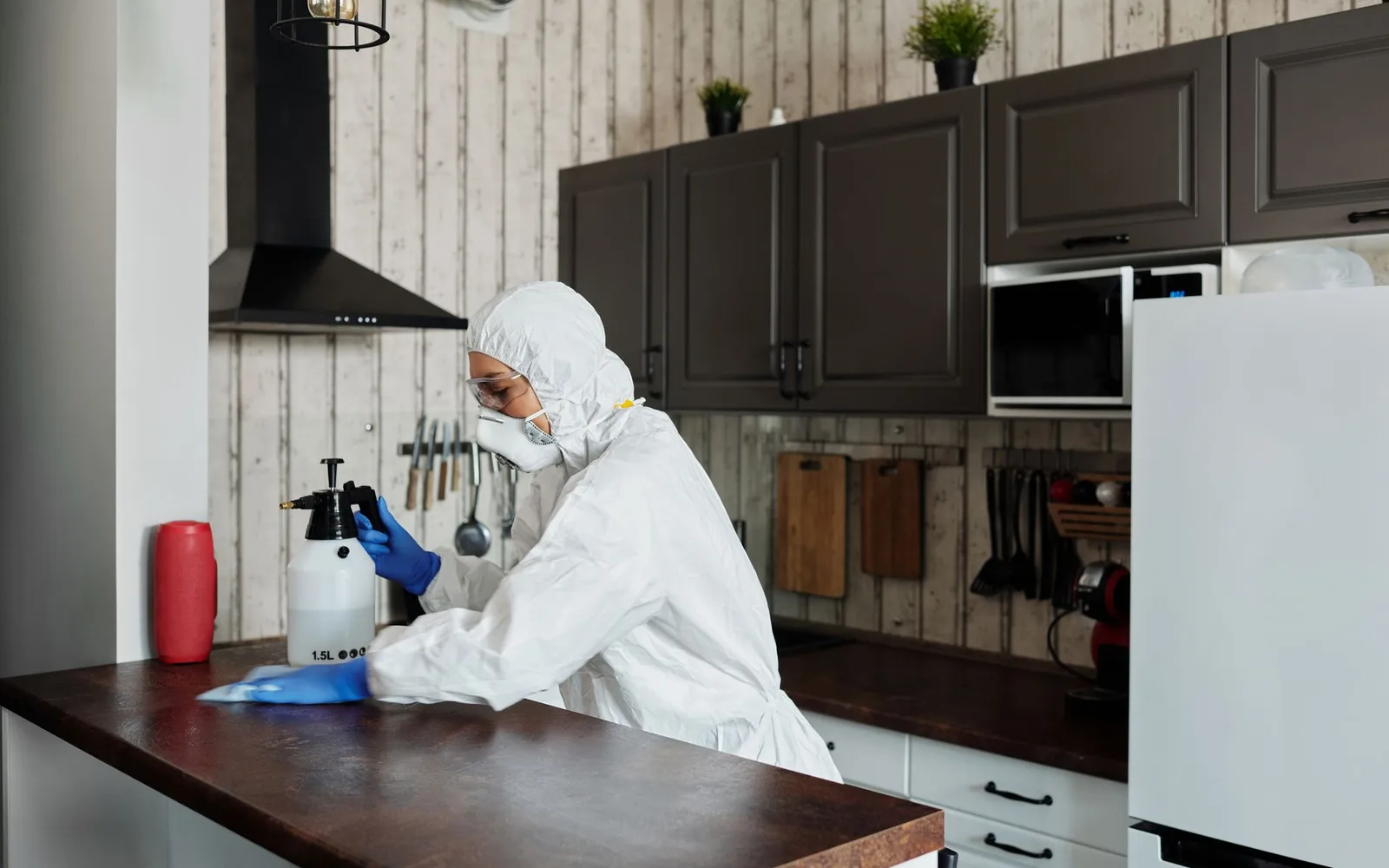
Disinfection in Al Muntazah Jeddah
Al Muntazah is an apartment district on the eastern edge of Briman, with low rise residential blocks, repeated floors and shared entry points. Internal streets are narrow and surfaces show wear from continuous heavy use. Residents are multiple and daily footfall is high, so disinfection focuses on shared touch points and areas that accumulate grime quickly from constant use.
-
Targeted, not broadcast
Product goes into cracks and runways, never sprayed across open surfaces.
-
Told before we start
What we will use, where it goes, and what to cover or move before we arrive.
-
A follow-up visit
We return after the first treatment, because what survives it does not show on the day.
-
Homes and businesses
Apartments and villas, and kitchens and stores that need a record of each visit.
Why they keep coming back in Al Muntazah
Small flats let to multiple occupants often turn over fast, shared areas are used by dozens of residents daily, and cleaning standards may be low to begin with, so grease and dust accumulate rapidly and become embedded. The method is set out in full on how we approach Disinfection.
Shared entries and heavy continuous use
Flats let to workers often have one or two shared entries serving several families or groups. Hallways, stairs and landings are used by dozens of people daily. Constant high traffic leaves visible marks on handles, walls and treads. Disinfection must focus specially on these shared high touch points.
Grease and dirt from shared cooking
Some flats may have a shared kitchen or communal stove, and continuous cooking leaves grease, smoke and dirt on walls, ceilings and handles. Grease is hard to clean and reduces disinfectant effectiveness. Deep cleaning is needed first before treatment, then the disinfectant works on a clean surface.
Worn surfaces and old cracks
Older worn buildings usually have cracks and gaps where bacteria and insects hide. Peeling paint, cracked ceilings and worn treads give germs shelter. Disinfectant may not reach these gaps easily. Mechanical cleaning is needed first before disinfection takes effect on a damaged building.
Al Muntazah on the map
Al Muntazah sits about 2.5 km from Al Ajwad and about 4 km from Al Samir.
Open in Google MapsWhat we look at before the product is chosen
An apartment housing district let to workers on Muawiyah Al Sulami Street, with repeated low rise buildings and shared entries. Internal streets are narrow with worn surfaces from continuous heavy wear and traffic.
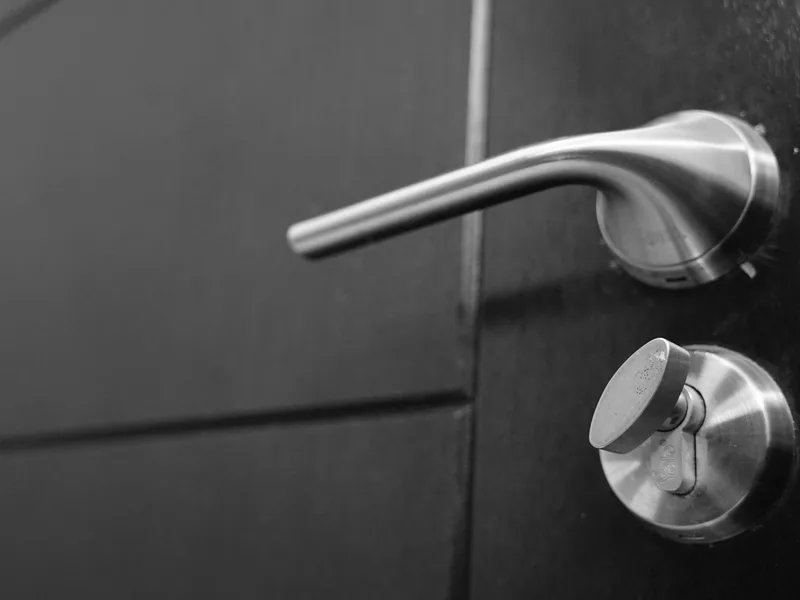
The touch points
Touch points in the apartment building: handles, railings, doors and walls near entries. All are touched daily by multiple people, and dust and grease accumulate quickly.
Porous surfaces
Porous surfaces in old flats: walls painted with old paint, damp ceilings and narrow hallways. These surfaces absorb disinfectant quickly but may have deep cracks where disinfectant settles.
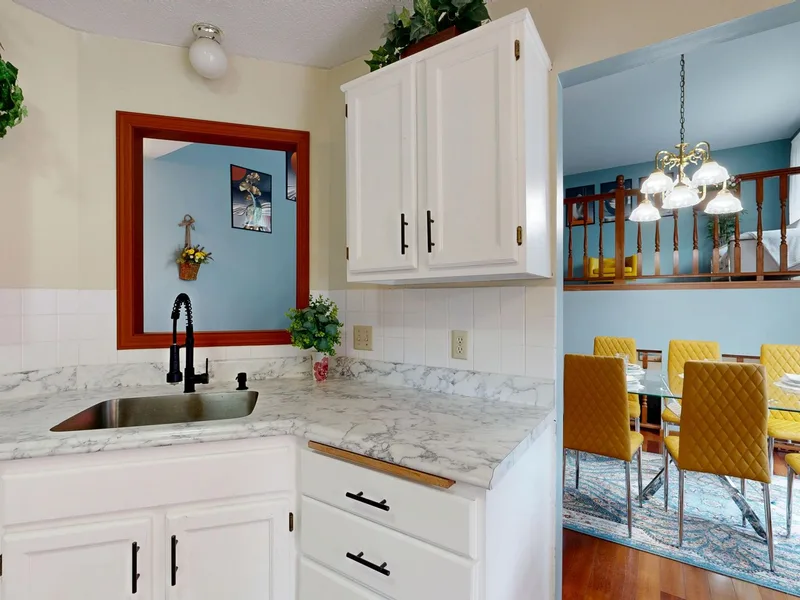
The finish itself
The finish in Al Muntazah is simple and aged: peeling paint, basic ceramic flooring and sometimes damp walls. Disinfectant adheres but rough surfaces may need mechanical cleaning before treatment.
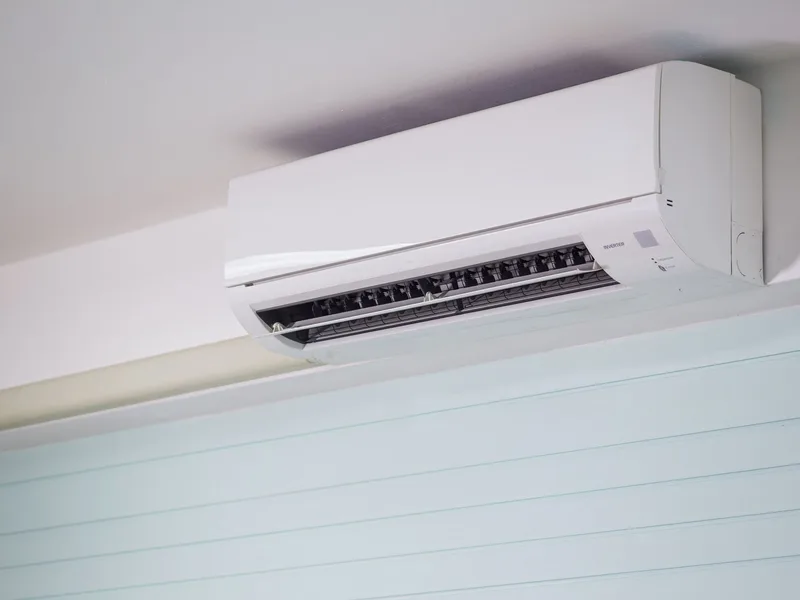
The air conditioning unit
Old or missing air conditioning: some flats have only fans and limited natural ventilation. Hot air sits and moisture builds up. We focus on good ventilation after disinfection.
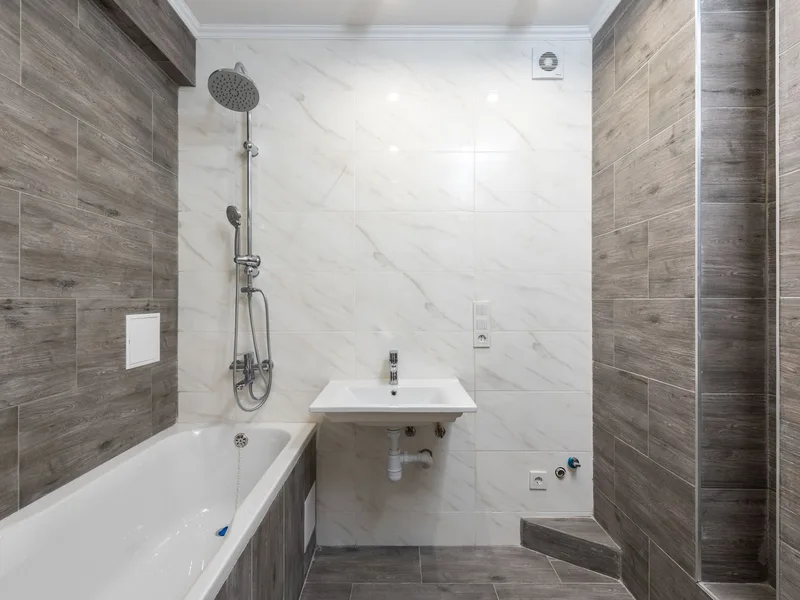
Floor traps
Floor traps in old flats may drain slowly or be blocked. We clean before disinfecting and treat with a disinfectant that stays in the seal. Bad smells are often a problem here.
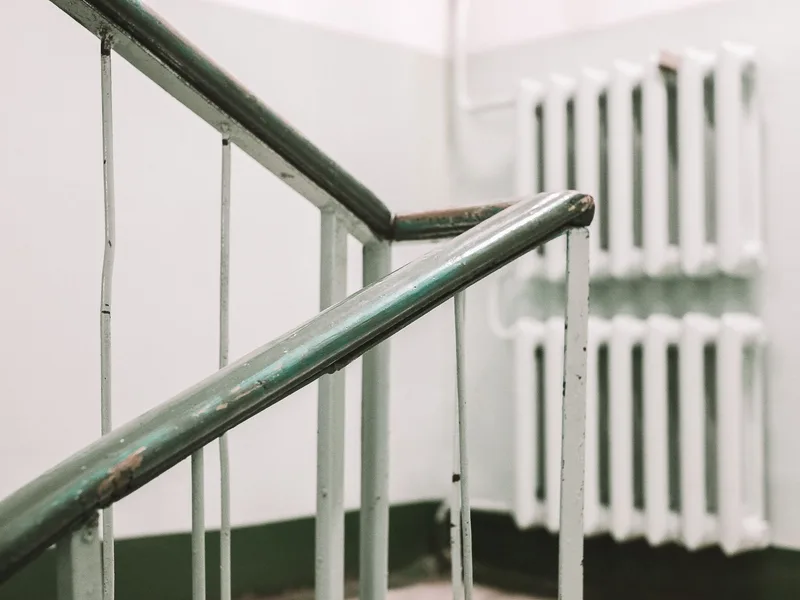
Shared entrances and stairs
Shared stairs and hallways: these are the top priority for disinfection. Treads and handles are used by dozens of people, and dust, grease and constant wear leave surfaces dirty.
How we work
-
1
Walk the space and list the surfaces
We go through the rooms and mark the touch points, the porous surfaces and the finishes, then ask what prompted the call: illness at home, moving into a new place, building work, or a smell that arrived out of nowhere.
-
2
Clean what we are about to treat
We take the film of dust and grease off the surfaces that are in scope, so the product reaches the surface itself. This is preparation for the treatment, not general house cleaning.
-
3
Apply it, and hold the contact time
Hand work on the touch points, a product matched to each surface, and the surface left visibly wet for as long as that material needs before it is dried off. Cold fogging comes last, for what a cloth cannot reach.
-
4
Ventilate and hand back
We open the place up, rinse food preparation surfaces with water, and tell you when each room goes back into use. We give you that timing on the call, because it changes with the product and the space.
What a disinfection visit includes
-

A surface and touch point survey
What gets treated, and with what, settled before anything is opened.
-

Soil off first, then the disinfectant
The greasy film comes off first, then a product that stays wet for the contact time it needs.
-

Floor traps and the air conditioning drain
Floor traps, sink outlets and the drain tray, which is where most smells actually begin.
-
Cold fogging for the space
For upward faces and corners a cloth never reaches, done as the last thing before we leave a room.
-

Ventilation and use instructions
What gets rinsed with water, what is left alone, and when each room goes back into use.
-

A scheduled repeat when it is needed
For shared entrances and places people pass through every day, because a disinfectant leaves nothing behind to stop the next contact.
Landmarks of Al Muntazah
Al Muntazah is reached via Muawiyah Al Sulami Street and Hada Al Sham Road on the eastern edge of Briman, and working in tight apartment buildings requires navigating through narrow entries and shared stairs. We identify the nearest access point and move carefully between flats and shared areas.
- Hada Al Sham Road
- Muawiyah Al Sulami Street
- Wadi Al Asla
Questions about this district
An apartment block with flats let to multiple workers, how do we disinfect the shared areas?
We coordinate with the building owner to disinfect entrances, stairs and hallways at a convenient time, usually evening or on a day off. Each flat is treated separately if residents request it, but shared areas are disinfected once for all residents together.
Does grease from shared kitchens reduce disinfectant effectiveness?
Yes, grease forms a barrier that stops disinfectant reaching the actual surface. Grease must be cleaned first with a strong cleaner and hot water, then the clean surface is disinfected. Clean first, then disinfect, is always better than disinfecting alone.
Residents change quickly in rented flats, should we disinfect after every new set of residents moves in?
Yes, if turnover is frequent and rapid, disinfecting the flat after old residents leave and before new ones arrive is essential. Disinfection removes diseases and germs that previous occupants may have left behind.
Do worn and cracked stairs need repair before disinfection?
Repair is a separate issue from disinfection. We disinfect even if stairs are worn, but if cracks are very deep we may suggest mechanical cleaning first. Building repairs are the responsibility of the building owner.
Should we disinfect empty flats or only flats with residents living in them?
Empty flats should also be disinfected if you request it. An empty flat may have germs from former residents or insects. Disinfecting an empty flat before renting it out again is a good idea for new tenants.
Al Muntazah is a relatively old district, does disinfection work differently than in a new area?
Yes, older buildings have cracks, stuck particles and peeling paint. Initial cleaning is deeper and disinfectant may need longer to work. New buildings are easier because surfaces are smooth and clean.
How much does disinfection in Al Muntazah cost?
It is set after the inspection, because the price follows the type of infestation, the size of the space, how far it has spread and the number of visits it needs. Send a photo and a description on WhatsApp and we will give you an estimate before we reach Al Muntazah.
Other services in Al Muntazah
Other services we provide to residents of Al Muntazah.
-
 Residential
Cockroach control
Residential
Cockroach control
-
 Residential
Bed bug control
Residential
Bed bug control
-
 Residential
Termite control
Residential
Termite control
-
 Residential
Rodents and mice
Residential
Rodents and mice
-
 Residential
Mosquito control
Residential
Mosquito control
-
 Residential
Fly control
Residential
Fly control
-
 Residential
Ant control
Residential
Ant control
-
 Residential
Gecko control
Residential
Gecko control
-
 Residential
Scorpion control
Residential
Scorpion control
-
 Residential
Snake control
Residential
Snake control
-
 Residential
Flea control
Residential
Flea control
-
 Residential
Bird and pigeon control
Residential
Bird and pigeon control
-
 Residential
Preventive treatment
Residential
Preventive treatment
-
 Commercial
Annual contracts
Commercial
Annual contracts
-
 Commercial
Restaurants and cafes
Commercial
Restaurants and cafes
-
 Commercial
Hotels and apartments
Commercial
Hotels and apartments
-
 Commercial
Warehouses and factories
Commercial
Warehouses and factories
-
 Commercial
Schools and nurseries
Commercial
Schools and nurseries
-
 Commercial
Retail and malls
Commercial
Retail and malls
-
 Commercial
Rest houses and farms
Commercial
Rest houses and farms
-
 Commercial
Fumigation
Commercial
Fumigation
-
 Water tanks
Water tank cleaning
Water tanks
Water tank cleaning
-
 Water tanks
Water tank sterilization
Water tanks
Water tank sterilization
-
 Water tanks
Water tank sealing
Water tanks
Water tank sealing
-
 Water tanks
Tank leak repair
Water tanks
Tank leak repair
Need disinfection in Al Muntazah? Tell us what you saw and we will tell you what it needs
We reach Al Muntazah at a time we agree, and you get the full cost before we start.