
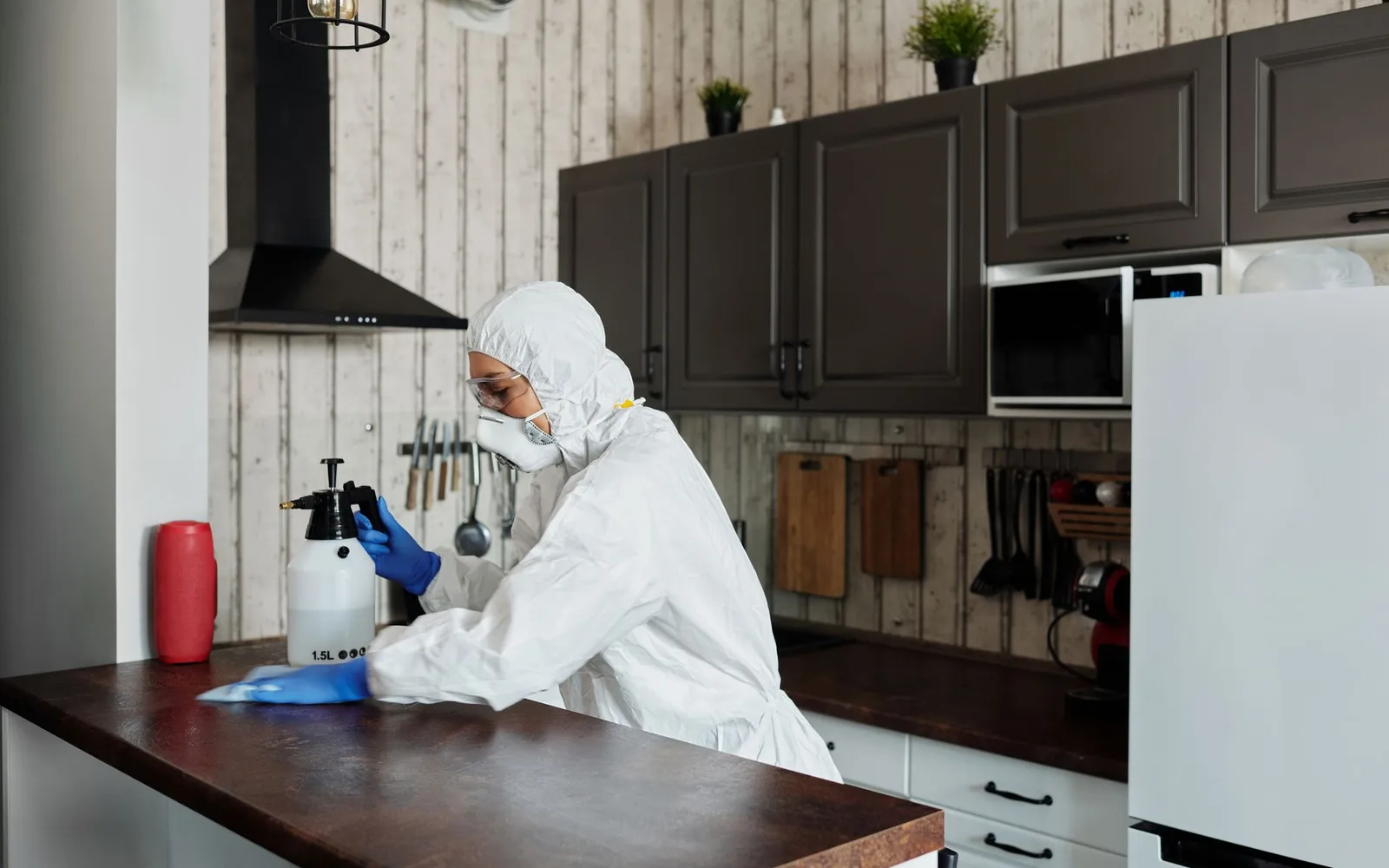
Disinfection in Al Balad Jeddah
Al Balad is Jeddah's historic heart, a UNESCO World Heritage site where coral stone tower houses and wooden rawashin latticework demand unique, specialist treatment. Narrow lanes and crowded souqs, combined with centuries of layered occupation, mean disinfection must protect the architectural fabric while removing the accumulated microbial load on every surface.
-
Targeted, not broadcast
Product goes into cracks and runways, never sprayed across open surfaces.
-
Told before we start
What we will use, where it goes, and what to cover or move before we arrive.
-
A follow-up visit
We return after the first treatment, because what survives it does not show on the day.
-
Homes and businesses
Apartments and villas, and kitchens and stores that need a record of each visit.
Why they keep coming back in Al Balad
Coral stone in the houses and markets holds deep moisture from salty sea air and occasional rain, making disinfectant contact times longer here than in modern buildings to reach microbes hidden within the stone. The method is set out in full on what Disinfection involves.
Coral stone and original wooden latticework need careful chemistry
Reef stone and aged timber demand gentle treatment because strong chemicals can damage historic fabric. We select disinfectants proven safe on heritage surfaces and apply them by method chosen for that stone type, timber age and preservation condition. A surface that has survived four centuries needs protection, not aggressive chemicals.
Souqs and markets with relentless daily movement
Souq Al Alawi and Souq Al Badu and the markets around Bab Makkah and Bab Sharif see hundreds of feet, hands and voices daily. Disinfection concentrates on the surfaces touched hundreds of times a day and on the storage rooms and behind-counter spaces where humidity and dust collect far from direct sunlight.
Very tight lanes and extremely old drainage below
Streets and alleys are so narrow that moisture never dries, and the drainage below ground is so old that returning odours are common. We treat floor traps and passages with extreme care to avoid damaging the historic structures beneath street level, which are irreplaceable.
Al Balad on the map
Al Balad sits about 1 km from Al Sahifah and about 1 km from Al Ammariyah.
Open in Google MapsWhat we look at before the product is chosen
Tightly packed ancient buildings with dense popular markets, moisture trapped in shadowed narrow lanes and continuous foot traffic create conditions where contaminants accumulate rapidly and resist simple cleaning.
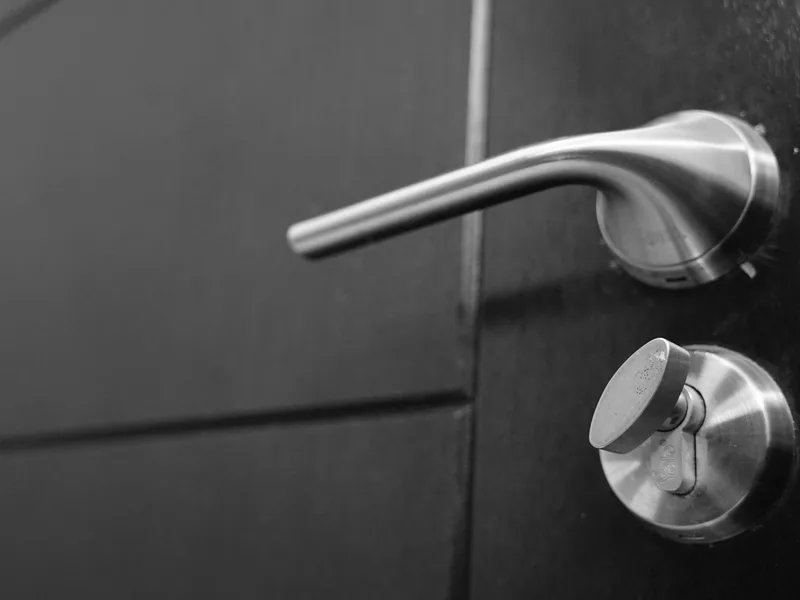
The touch points
Souqs and markets see extremely heavy daily foot traffic, so we prioritise surfaces touched most often such as merchandise shelves, shop doors and sales counters far more than distant walls or high corners.
Porous surfaces
Ancient stone and wood surfaces absorb moisture deeply, so we leave disinfectant working longer than on modern buildings, but we dry rapidly to avoid over-wetting original timber that could weaken or rot.
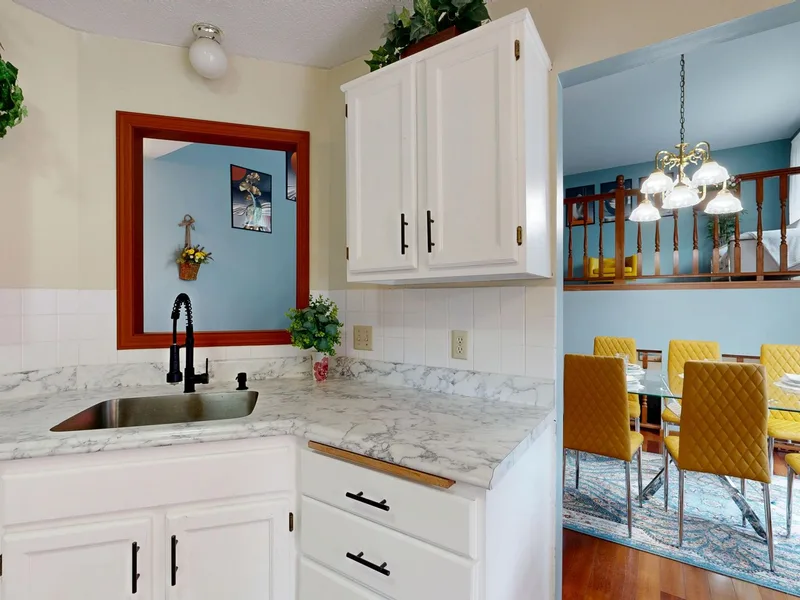
The finish itself
Surface finishes and paint on ancient stone may be fragile, so we test the disinfectant on a hidden patch first before full application to confirm it will not damage historic colours or layered original coatings.
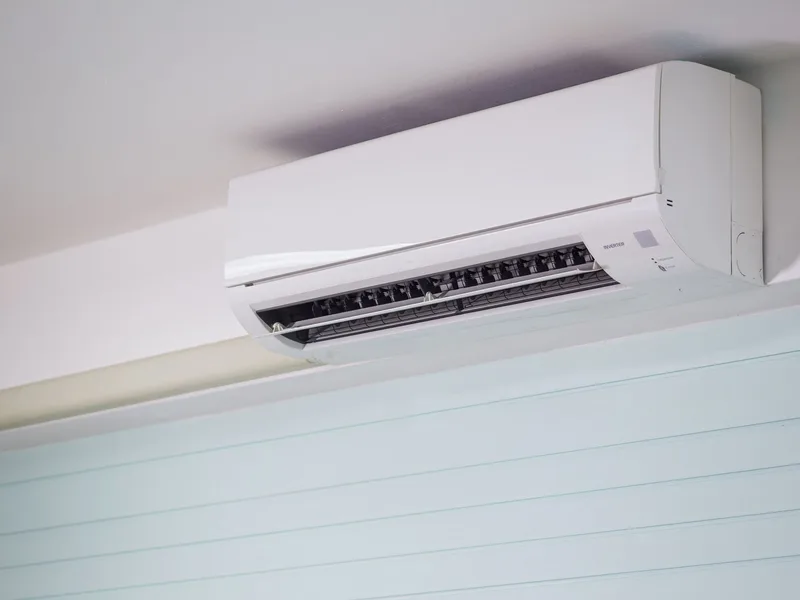
The air conditioning unit
Air conditioning in old shops and houses may be rudimentary or non-functional, so we inspect carefully and may treat drainage and pipes manually rather than spray broadly where systems cannot distribute treatment effectively.
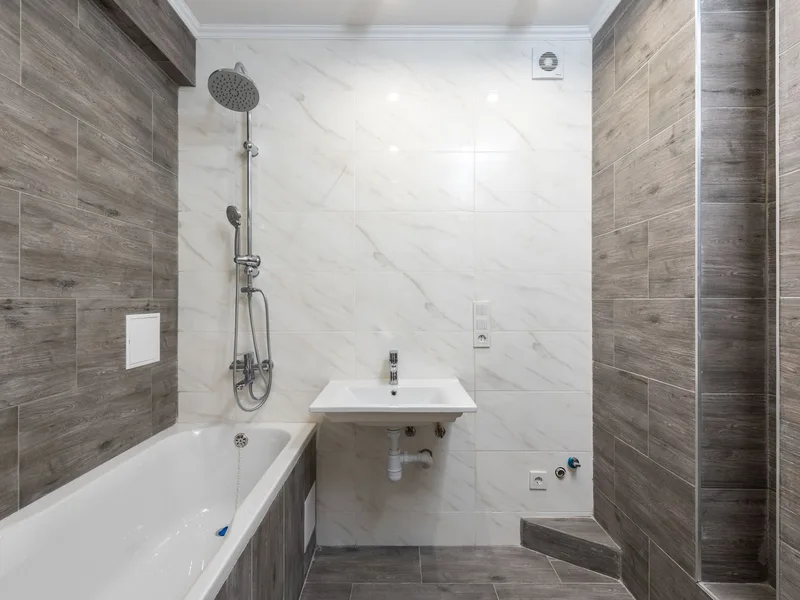
Floor traps
Floor traps in tight alleyways may be very old and structurally weak, so we treat them with extreme care and use minimal disinfectant volume to avoid damaging ancient stone or failing early cement below street level.
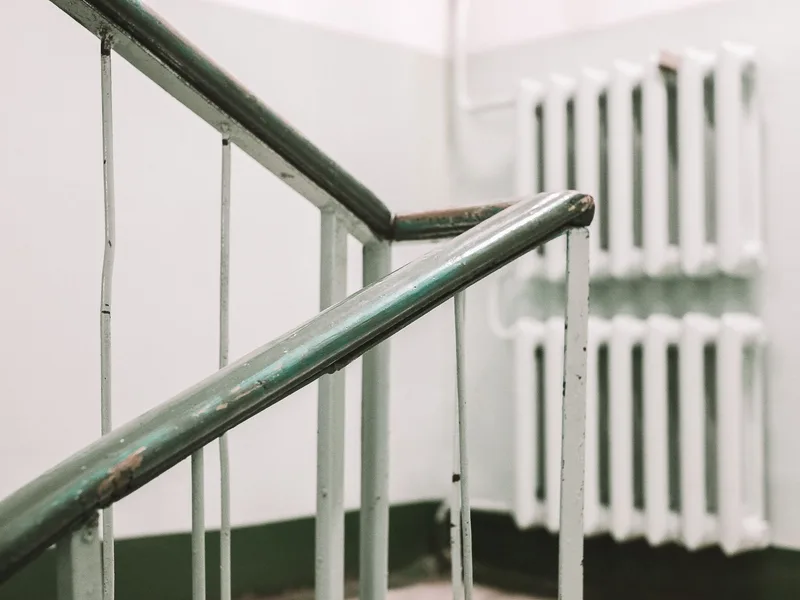
Shared entrances and stairs
Shared passages and steps in the old quarter have uneven surfaces and may be permanently slippery from constant dampness, so we treat carefully and dry quickly to prevent hazards for foot traffic and residents passing through.
How we work
-
1
Walk the space and list the surfaces
We go through the rooms and mark the touch points, the porous surfaces and the finishes, then ask what prompted the call: illness at home, moving into a new place, building work, or a smell that arrived out of nowhere.
-
2
Clean what we are about to treat
We take the film of dust and grease off the surfaces that are in scope, so the product reaches the surface itself. This is preparation for the treatment, not general house cleaning.
-
3
Apply it, and hold the contact time
Hand work on the touch points, a product matched to each surface, and the surface left visibly wet for as long as that material needs before it is dried off. Cold fogging comes last, for what a cloth cannot reach.
-
4
Ventilate and hand back
We open the place up, rinse food preparation surfaces with water, and tell you when each room goes back into use. We give you that timing on the call, because it changes with the product and the space.
What a disinfection visit includes
-

A surface and touch point survey
What gets treated, and with what, settled before anything is opened.
-

Soil off first, then the disinfectant
The greasy film comes off first, then a product that stays wet for the contact time it needs.
-

Floor traps and the air conditioning drain
Floor traps, sink outlets and the drain tray, which is where most smells actually begin.
-
Cold fogging for the space
For upward faces and corners a cloth never reaches, done as the last thing before we leave a room.
-

Ventilation and use instructions
What gets rinsed with water, what is left alone, and when each room goes back into use.
-

A scheduled repeat when it is needed
For shared entrances and places people pass through every day, because a disinfectant leaves nothing behind to stop the next contact.
Landmarks of Al Balad
The quarter is centred on Souq Al Alawi and Souq Al Badu with markets around Bab Makkah and Bab Sharif, where we treat these vital commercial areas and navigate the tight internal lanes that demand precise knowledge of access routes through the ancient street network.
- Nassif House
- Al Shafi'i Mosque
- Souq Al Alawi
- Souq Al Badu
- Bab Makkah
- Bab Sharif
Questions about this district
Is chemical disinfection safe on original coral stone and wooden latticework?
Yes. We use approved disinfectants certified safe on heritage surfaces and apply them judiciously with caution. Old timber needs rapid drying after treatment to prevent excess water absorption that could weaken original timber fibres and create future rot.
The souqs are caked with grease and debris from traders and goods, is disinfectant enough alone?
No. Mechanical cleaning before disinfection is essential. Grease and soil isolate the surface from the disinfectant, so we wash and clean first, then apply the product to clean surfaces so it reaches microbes beneath the outer layer, not just around it.
Do we disinfect the shared passages and courtyards in the historic quarter?
Yes, shared passages and courtyards need regular treatment, but we apply sparingly because drainage here is slow and over-wetting can leave stains or discolouration on ancient stone that absorbs and holds water.
Old houses and shops mixed together in the heritage district: how often yearly do they need disinfection?
Mixed residential and commercial zones need disinfection at least quarterly, especially souqs with high foot traffic and food shops that leave grease and organic debris that accelerate microbial growth.
The wooden latticework screens and traditional mashrabiyah windows: do we treat them directly or cover them?
We disinfect wood directly with extreme care, wetting it briefly then drying it fast. Covering could trap moisture in timber that may be fragile from age, so direct careful application is the only safe method for irreplaceable heritage wood.
Do we disinfect the artefacts and historic pieces in Nassif House and Al Shafi'i Mosque?
No. We treat the buildings and architectural surfaces only. Historic artefacts, archives and documents need specialist conservation treatment by heritage restoration experts, not routine disinfection services designed for occupied homes and shops.
How much does disinfection in Al Balad cost?
It is set after the inspection, because the price follows the type of infestation, the size of the space, how far it has spread and the number of visits it needs. Send a photo and a description on WhatsApp and we will give you an estimate before we reach Al Balad.
Nearby districts we cover
Other services in Al Balad
Other services we provide to residents of Al Balad.
-
 Residential
Cockroach control
Residential
Cockroach control
-
 Residential
Bed bug control
Residential
Bed bug control
-
 Residential
Termite control
Residential
Termite control
-
 Residential
Rodents and mice
Residential
Rodents and mice
-
 Residential
Mosquito control
Residential
Mosquito control
-
 Residential
Fly control
Residential
Fly control
-
 Residential
Ant control
Residential
Ant control
-
 Residential
Gecko control
Residential
Gecko control
-
 Residential
Scorpion control
Residential
Scorpion control
-
 Residential
Snake control
Residential
Snake control
-
 Residential
Flea control
Residential
Flea control
-
 Residential
Bird and pigeon control
Residential
Bird and pigeon control
-
 Residential
Preventive treatment
Residential
Preventive treatment
-
 Commercial
Annual contracts
Commercial
Annual contracts
-
 Commercial
Restaurants and cafes
Commercial
Restaurants and cafes
-
 Commercial
Hotels and apartments
Commercial
Hotels and apartments
-
 Commercial
Warehouses and factories
Commercial
Warehouses and factories
-
 Commercial
Schools and nurseries
Commercial
Schools and nurseries
-
 Commercial
Retail and malls
Commercial
Retail and malls
-
 Commercial
Rest houses and farms
Commercial
Rest houses and farms
-
 Commercial
Fumigation
Commercial
Fumigation
-
 Water tanks
Water tank cleaning
Water tanks
Water tank cleaning
-
 Water tanks
Water tank sterilization
Water tanks
Water tank sterilization
-
 Water tanks
Water tank sealing
Water tanks
Water tank sealing
-
 Water tanks
Tank leak repair
Water tanks
Tank leak repair
Need disinfection in Al Balad? Tell us what you saw and we will tell you what it needs
We reach Al Balad at a time we agree, and you get the full cost before we start.