
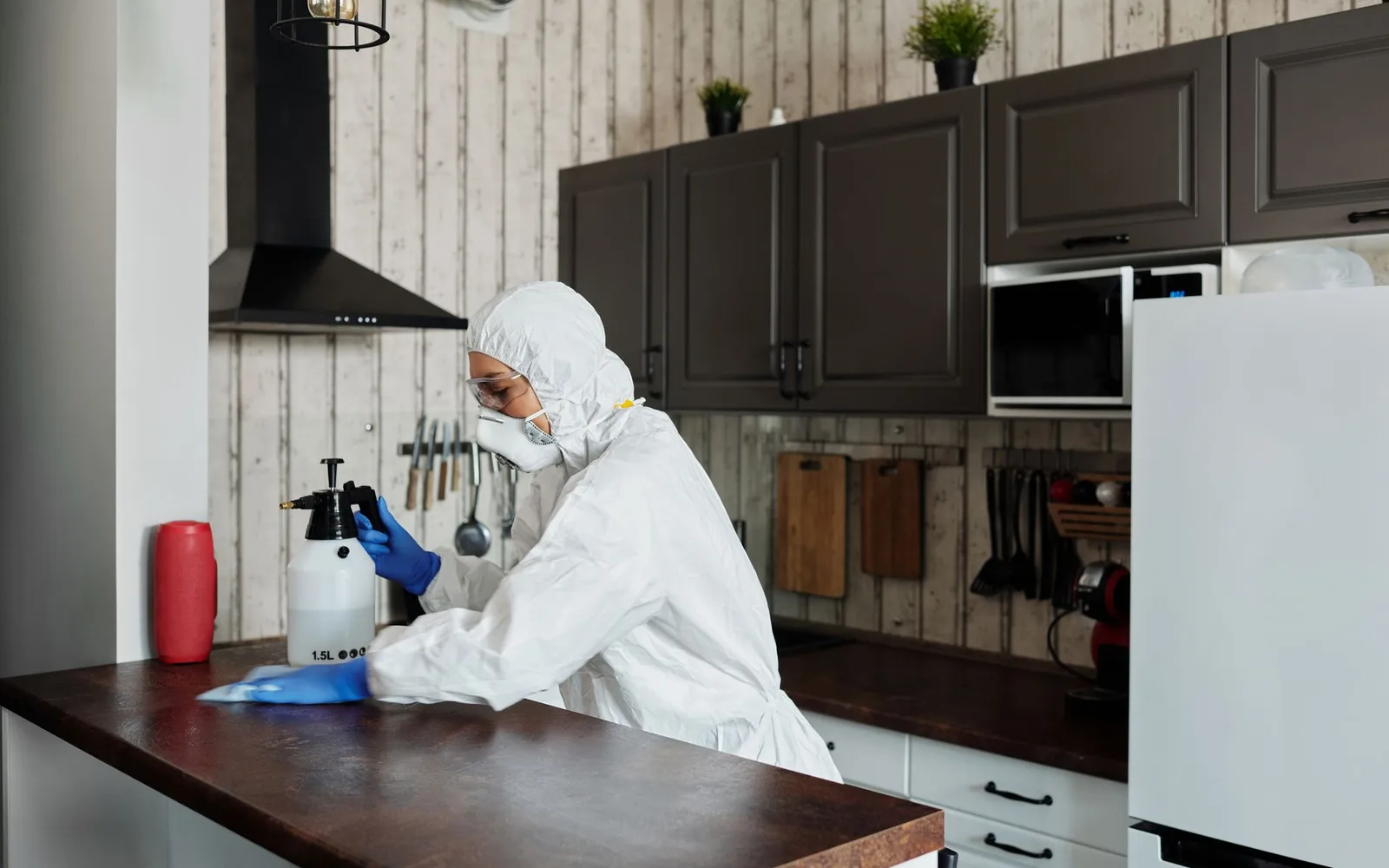
Disinfection in Al Hajlah Makkah
Al Hajlah is a narrow apartment quarter crowded along Ibrahim Al Khalil Street south west of the Grand Mosque, squeezed between two hills where pilgrim hotels and rented apartment blocks climb towards the mosque courtyards. Daily and seasonal traffic is intense and the guest population changes constantly. We treat the apartment buildings and hotels in ways that reckon with the very high turnover and the relentless foot traffic.
-
Targeted, not broadcast
Product goes into cracks and runways, never sprayed across open surfaces.
-
Told before we start
What we will use, where it goes, and what to cover or move before we arrive.
-
A follow-up visit
We return after the first treatment, because what survives it does not show on the day.
-
Homes and businesses
Apartments and villas, and kitchens and stores that need a record of each visit.
Why they keep coming back in Al Hajlah
Daily and seasonal traffic is extremely heavy, with pilgrims and worshippers constantly entering and leaving. The buildings house no permanent residents, only guests changing every few days or weekly, creating continuous recontamination from new arrivals. The method is set out in full on how we approach Disinfection.
Hotels and rented apartment blocks with constantly changing guests
Hotels and rented flats receive different guests every week or every few days, and infection returns rapidly from each new arrival. Touch surfaces carry contacts from strangers passing through, and the guest population is so mobile that immunity or disease history cannot be assumed.
Mountains confining the quarter and poor natural air movement
The district is squeezed between two high hills and the street is extremely narrow, so air movement is poor and humidity lingers in cracks and corners. Shadows and trapped moisture create ideal conditions for moulds that grow very rapidly in confined quarters.
Seasonal peaks bringing vast numbers of pilgrims and worshippers at once
Major hajj and umrah seasons bring enormous visitor numbers and intense daily footfall, while other seasons are quieter. The infection load surges and fades seasonally, but regular disinfection on an annual schedule is essential across both busy and quiet months.
Al Hajlah on the map
Al Hajlah sits about 0.5 km from Ajyad and about 0.5 km from Al Shubaikah.
Open in Google MapsWhat we look at before the product is chosen
A narrow quarter along Ibrahim Al Khalil Street south west of the Grand Mosque, squeezed between two hills. Once the firewood market, it is now a wall of pilgrim hotels and rented blocks climbing towards the courtyards, bordered by Al Shubaikah to the east and Al Misfalah to the south, with Jabal Omar rising on the west.
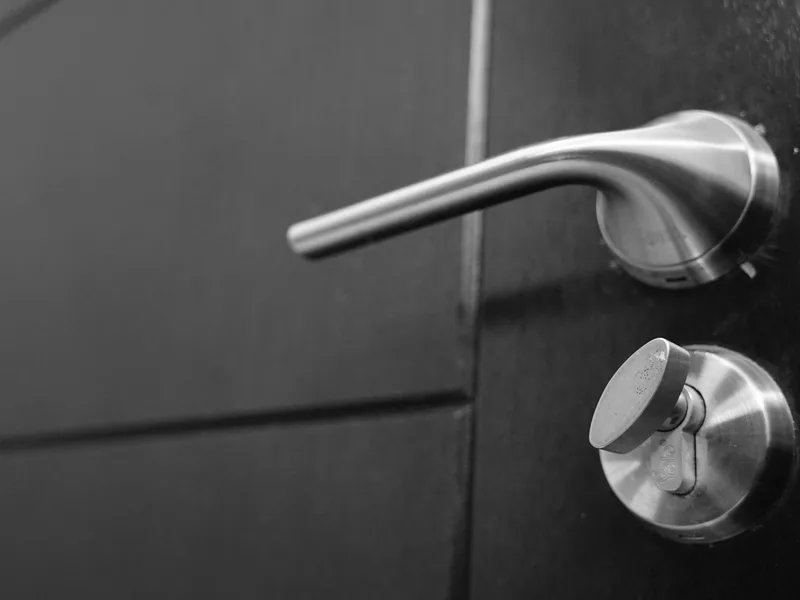
The touch points
Touch surfaces in hotels and corridors carry contacts from huge numbers of different guests changing constantly, creating continuous recontamination pressure.
Porous surfaces
Porous surfaces of stone and concrete absorb moisture and mould rapidly in the narrow confined street with poor natural ventilation.
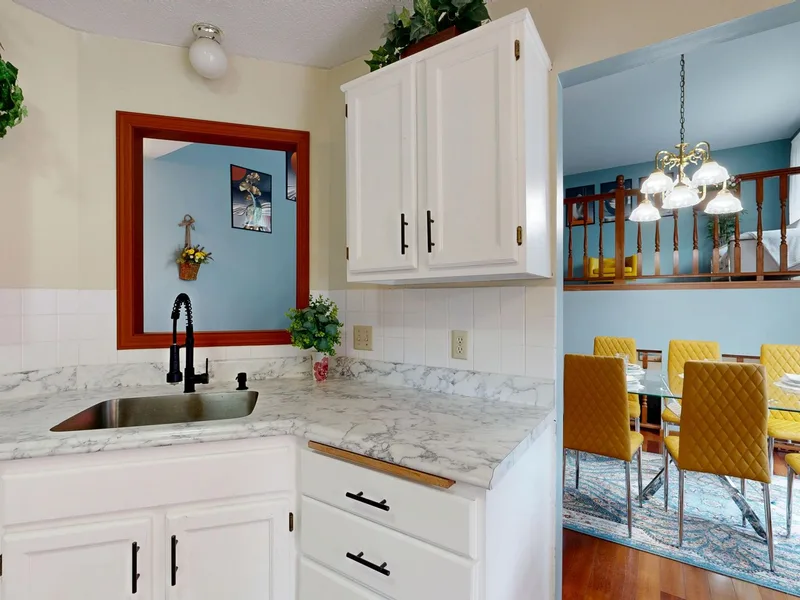
The finish itself
Interior paint in corridors is exposed to high humidity and mould; failures allow contamination to penetrate below the surface layer.
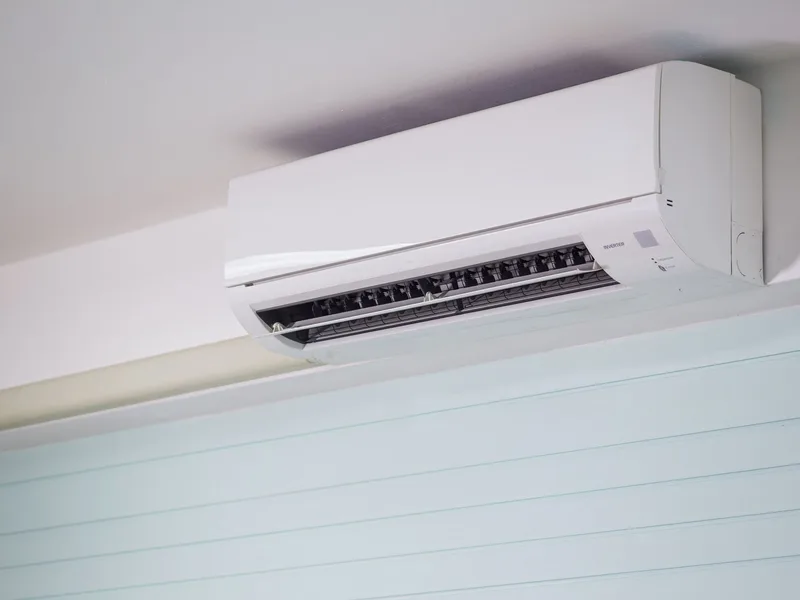
The air conditioning unit
Air conditioning units in hotels run constantly and high outside humidity means condensation and mould accumulate rapidly in drain outlets and lines.
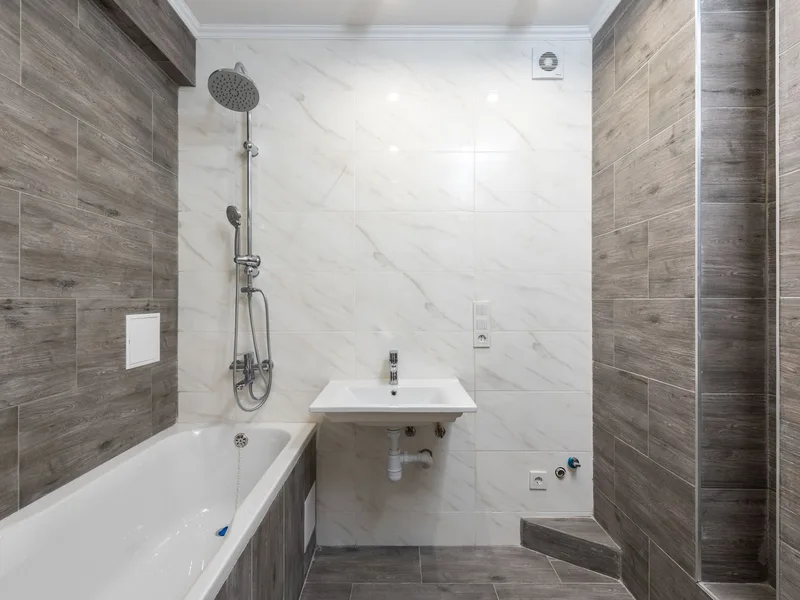
Floor traps
Floor drains in corridors and guest areas collect debris and can cause smells when blocked, adding to the complexity of managing a high turnover space.
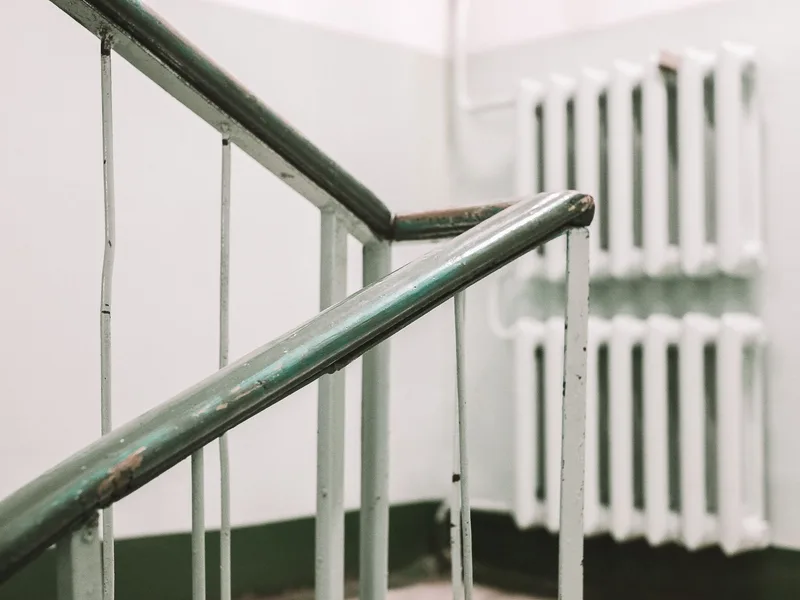
Shared entrances and stairs
Lifts and shared corridors carry dense foot traffic from constantly changing guests with luggage and personal items, so touch points are very heavily contaminated.
How we work
-
1
Walk the space and list the surfaces
We go through the rooms and mark the touch points, the porous surfaces and the finishes, then ask what prompted the call: illness at home, moving into a new place, building work, or a smell that arrived out of nowhere.
-
2
Clean what we are about to treat
We take the film of dust and grease off the surfaces that are in scope, so the product reaches the surface itself. This is preparation for the treatment, not general house cleaning.
-
3
Apply it, and hold the contact time
Hand work on the touch points, a product matched to each surface, and the surface left visibly wet for as long as that material needs before it is dried off. Cold fogging comes last, for what a cloth cannot reach.
-
4
Ventilate and hand back
We open the place up, rinse food preparation surfaces with water, and tell you when each room goes back into use. We give you that timing on the call, because it changes with the product and the space.
What a disinfection visit includes
-

A surface and touch point survey
What gets treated, and with what, settled before anything is opened.
-

Soil off first, then the disinfectant
The greasy film comes off first, then a product that stays wet for the contact time it needs.
-

Floor traps and the air conditioning drain
Floor traps, sink outlets and the drain tray, which is where most smells actually begin.
-
Cold fogging for the space
For upward faces and corners a cloth never reaches, done as the last thing before we leave a room.
-

Ventilation and use instructions
What gets rinsed with water, what is left alone, and when each room goes back into use.
-

A scheduled repeat when it is needed
For shared entrances and places people pass through every day, because a disinfectant leaves nothing behind to stop the next contact.
Landmarks of Al Hajlah
Work in Al Hajlah is organised along Ibrahim Al Khalil Street where buildings climb toward the Grand Mosque from the south, bounded by Jabal Omar on the west and Al Shubaikah Cemetery on the east. We schedule disinfection cycles to cover the shared corridors, lifts and common areas connecting these reference points through the hotel and apartment complex.
- Ibrahim Al Khalil Street
- The Grand Mosque
- Jabal Omar
- Al Shubaikah Cemetery
- Al Hijrah Street
Questions about this district
Do hotels and rented apartments need disinfection between each guest or each group?
Yes, hotels need daily or every other day treatment of shared corridors and common areas. Rented flats should be disinfected between each guest group, as the turnover is rapid and continuous.
Do international guests arriving from many countries carry more types of infection?
Guests arrive from very varied environments and may carry pathogens unfamiliar locally. Constant turnover means regular scheduled disinfection is essential to manage the changing infection risk.
How much more often is disinfection needed during hajj season compared to quieter times?
During peak seasons we treat daily or every other day. In quieter periods we maintain a weekly schedule, but the routine must be consistent year round to manage the cyclical surge and lull in guest traffic.
Does disinfection include the guest rooms or only the corridors and common areas?
Comprehensive treatment covers corridors, lifts, lobbies and shared areas. Individual guest rooms are disinfected by hotel housekeeping between each occupancy, following their own protocols.
Do the steep hills around Al Hajlah cause humidity and mould problems?
Yes, the hills trap air and the street is extremely narrow, so humidity stays high and mould grows very rapidly in shaded corners and crevices. Ventilation is poor and drying is very slow.
Are there special insect or rodent problems in Al Hajlah because of the food markets and crowds?
The combination of markets, hotels and very high foot traffic can attract insects. We recommend regular coordinated pest control schedules alongside disinfection cycles.
How much does disinfection in Al Hajlah cost?
It is set after the inspection, because the price follows the type of infestation, the size of the space, how far it has spread and the number of visits it needs. Send a photo and a description on WhatsApp and we will give you an estimate before we reach Al Hajlah.
Nearby districts we cover
Other services in Al Hajlah
Other services we provide to residents of Al Hajlah.
-
 Residential
Cockroach control
Residential
Cockroach control
-
 Residential
Bed bug control
Residential
Bed bug control
-
 Residential
Termite control
Residential
Termite control
-
 Residential
Rodents and mice
Residential
Rodents and mice
-
 Residential
Mosquito control
Residential
Mosquito control
-
 Residential
Fly control
Residential
Fly control
-
 Residential
Ant control
Residential
Ant control
-
 Residential
Gecko control
Residential
Gecko control
-
 Residential
Scorpion control
Residential
Scorpion control
-
 Residential
Snake control
Residential
Snake control
-
 Residential
Flea control
Residential
Flea control
-
 Residential
Bird and pigeon control
Residential
Bird and pigeon control
-
 Residential
Preventive treatment
Residential
Preventive treatment
-
 Commercial
Annual contracts
Commercial
Annual contracts
-
 Commercial
Restaurants and cafes
Commercial
Restaurants and cafes
-
 Commercial
Hotels and apartments
Commercial
Hotels and apartments
-
 Commercial
Warehouses and factories
Commercial
Warehouses and factories
-
 Commercial
Schools and nurseries
Commercial
Schools and nurseries
-
 Commercial
Retail and malls
Commercial
Retail and malls
-
 Commercial
Rest houses and farms
Commercial
Rest houses and farms
-
 Commercial
Fumigation
Commercial
Fumigation
-
 Water tanks
Water tank cleaning
Water tanks
Water tank cleaning
-
 Water tanks
Water tank sterilization
Water tanks
Water tank sterilization
-
 Water tanks
Water tank sealing
Water tanks
Water tank sealing
-
 Water tanks
Tank leak repair
Water tanks
Tank leak repair
Need disinfection in Al Hajlah? Tell us what you saw and we will tell you what it needs
We reach Al Hajlah at a time we agree, and you get the full cost before we start.