
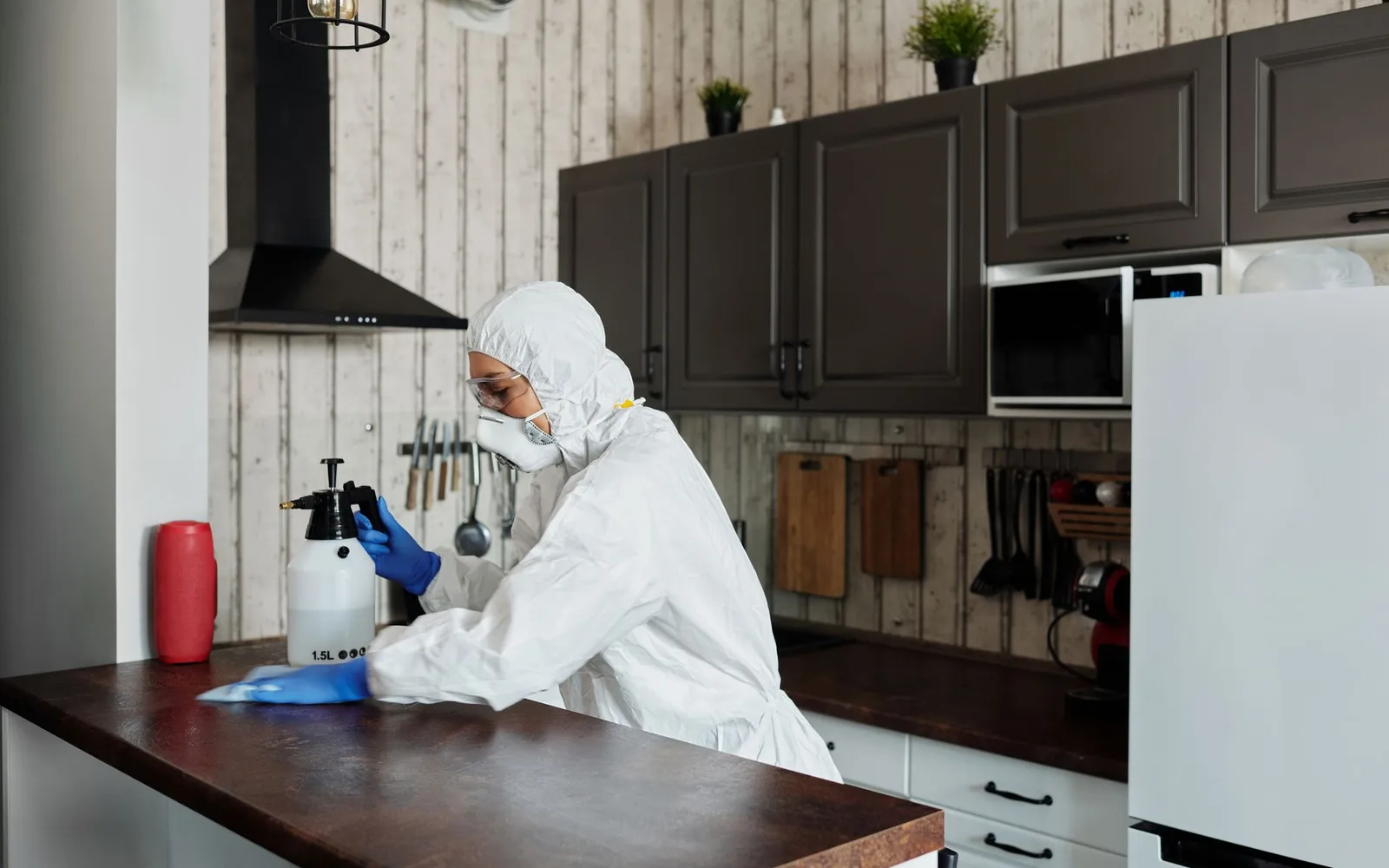
Disinfection in Al Salamah Jeddah
Al Salamah is a mixed district where shops occupy the ground floor and homes rise above them, creating multiple touch points that demand different care. We treat the shared entrances, the street frontages and the apartment blocks in ways that account for the overlap between commercial activity and residential life. The interplay between daily footfall and stable occupation shapes how we choose and apply the disinfectant.
-
Targeted, not broadcast
Product goes into cracks and runways, never sprayed across open surfaces.
-
Told before we start
What we will use, where it goes, and what to cover or move before we arrive.
-
A follow-up visit
We return after the first treatment, because what survives it does not show on the day.
-
Homes and businesses
Apartments and villas, and kitchens and stores that need a record of each visit.
Why they keep coming back in Al Salamah
Shops at street level and flats above mean different ventilation and different dust accumulation on each floor, and shared entrances carry a very heavy daily load from both commercial and residential traffic. The method is set out in full on the full Disinfection page.
Shared entrances, staircases and continuous passage zones
One entry point serves shoppers, visitors, business users and residents, each arriving from different environments. Stairs between floors collect moisture and different types of dust as they rise, and treating them demands careful timing and application from top to bottom, with dwell time measured for the porous surfaces in between.
Street frontages and shop-level pavements
Storefronts face constant contact from foot traffic, and pavements become a public walkway. Moisture sits in cracks and joints between stone and metal, and the film of dust and hand contact builds faster here than on a pure residential street. Pre-treatment of the surface is essential before the disinfectant will work.
Mixed finishes, varied materials and incompatible surfaces
Shops may use glazed tile or quick-clean metal while flats carry paint and varied domestic surfaces. The choice of disinfectant differs from surface to surface, and mixing the wrong product with the wrong finish cancels the effect entirely. We check before we treat.
Al Salamah on the map
Al Salamah sits about 2 km from Al Zahra and about 3 km from Al Rawdah.
Open in Google MapsWhat we look at before the product is chosen
The district lies between Prince Sultan Road and Madinah Road, with hospitals, a university campus and a public walkway adding to the variety of daily users and daily pressure on shared surfaces.
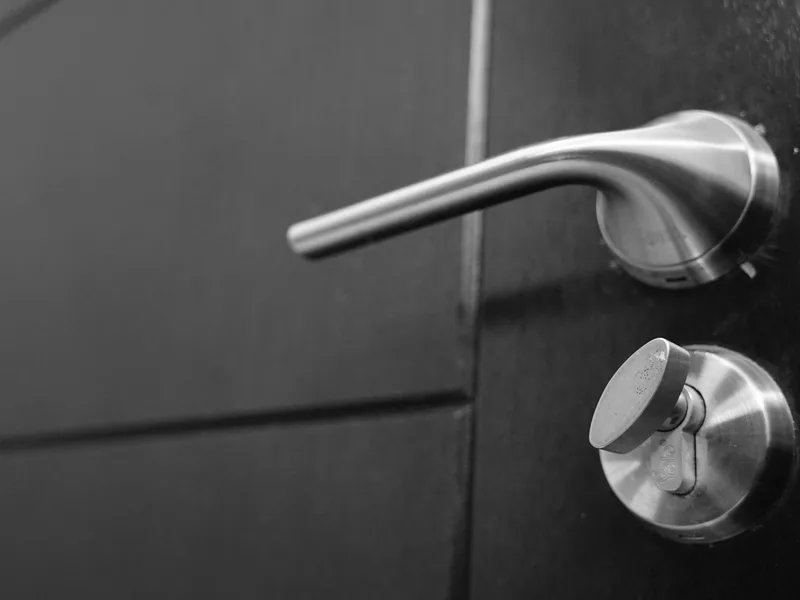
The touch points
The shared entry, stairs and shop frontages receive varied touch from morning to closing, with each contact point needing different attention as footfall changes through the day.
Porous surfaces
Stone and metal in the frontages and doors trap moisture in joints and cracks; quick washing does not reach into the depth where dampness stays.
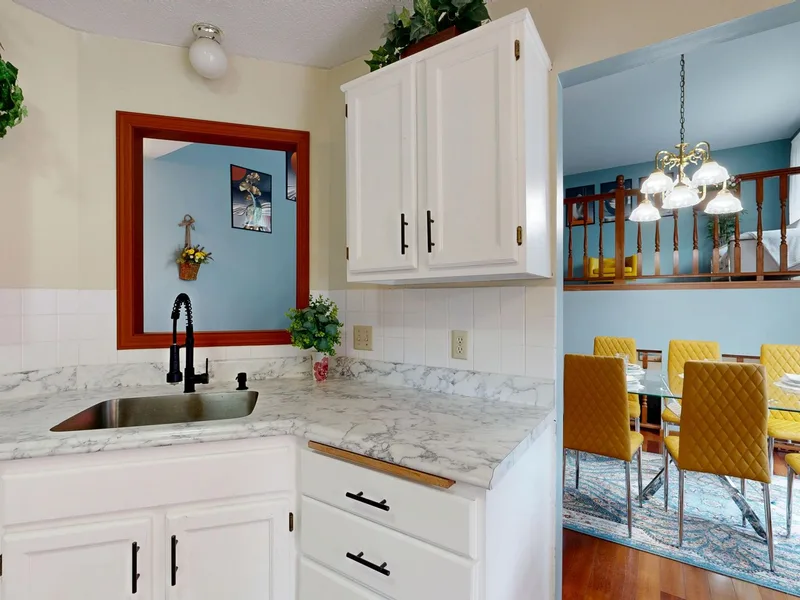
The finish itself
Shops use wipe-clean finishes while flats carry paints that may be sensitive to harsh products; the disinfectant must suit each surface type without bleaching or streaking.
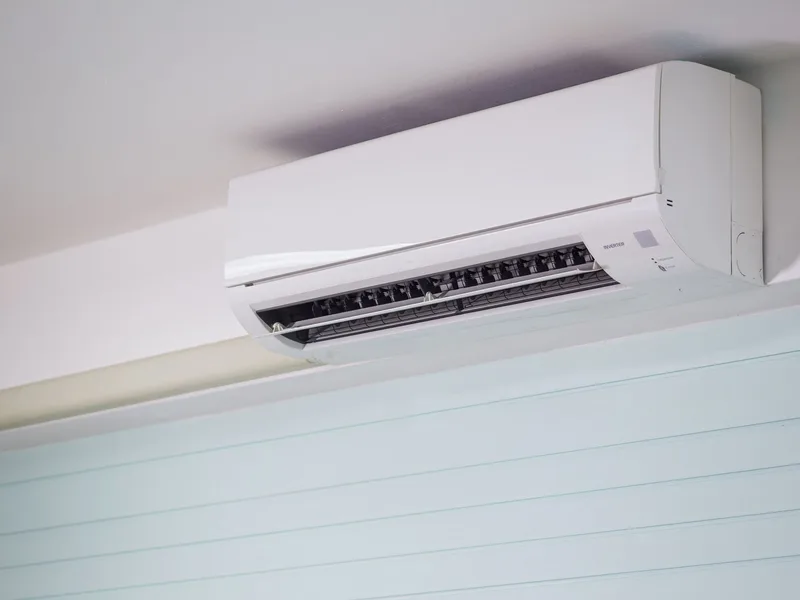
The air conditioning unit
Air conditioning units drip onto shared stairs and corridors, and the moisture from cooling systems deposits on the step edges where people walk.
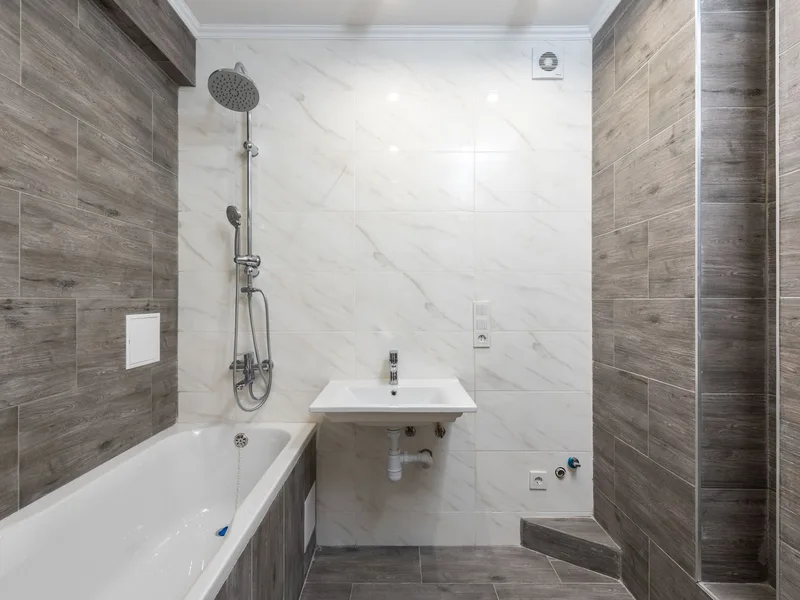
Floor traps
Floor traps on the stairs collect dust and moisture; odour returns from these sources if we do not treat them as part of the job.
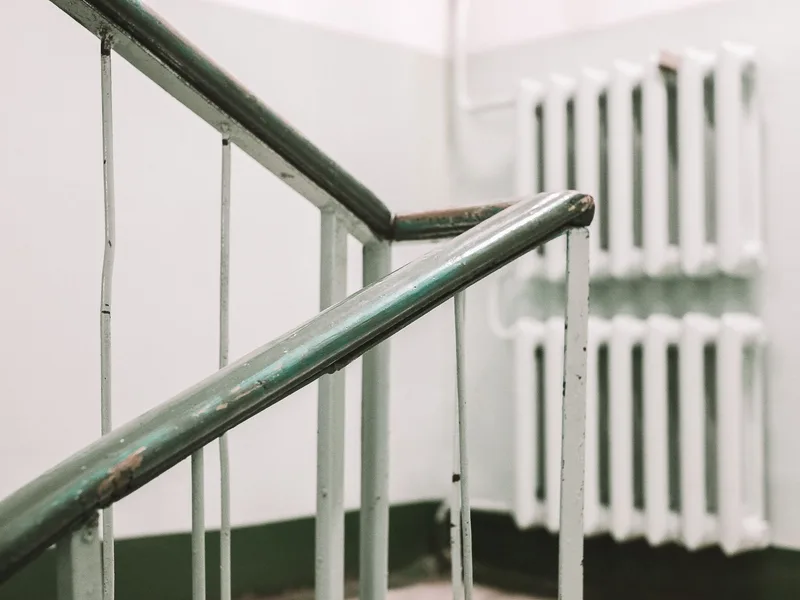
Shared entrances and stairs
Each floor has its entry from the stair and may have a secondary way out; infection moves through these connection points, so we treat each one.
How we work
-
1
Walk the space and list the surfaces
We go through the rooms and mark the touch points, the porous surfaces and the finishes, then ask what prompted the call: illness at home, moving into a new place, building work, or a smell that arrived out of nowhere.
-
2
Clean what we are about to treat
We take the film of dust and grease off the surfaces that are in scope, so the product reaches the surface itself. This is preparation for the treatment, not general house cleaning.
-
3
Apply it, and hold the contact time
Hand work on the touch points, a product matched to each surface, and the surface left visibly wet for as long as that material needs before it is dried off. Cold fogging comes last, for what a cloth cannot reach.
-
4
Ventilate and hand back
We open the place up, rinse food preparation surfaces with water, and tell you when each room goes back into use. We give you that timing on the call, because it changes with the product and the space.
What a disinfection visit includes
-

A surface and touch point survey
What gets treated, and with what, settled before anything is opened.
-

Soil off first, then the disinfectant
The greasy film comes off first, then a product that stays wet for the contact time it needs.
-

Floor traps and the air conditioning drain
Floor traps, sink outlets and the drain tray, which is where most smells actually begin.
-
Cold fogging for the space
For upward faces and corners a cloth never reaches, done as the last thing before we leave a room.
-

Ventilation and use instructions
What gets rinsed with water, what is left alone, and when each room goes back into use.
-

A scheduled repeat when it is needed
For shared entrances and places people pass through every day, because a disinfectant leaves nothing behind to stop the next contact.
The character of Al Salamah
Mixed district: shops at street level with homes above them
Mixed use means touch points are shared between traders, visitors and residents, so the disinfectant must protect against multiple infection routes and mask odour sources that come from the business below residential homes.
Questions about this district
Does the service cover both the shops and the flats, or separately?
We treat the whole building, but choose the disinfectant to match the use of each part. Shops need protection from outside contamination and flats from internal pressure, and we focus on the shared entry, the stairs and the common corridors that join them.
Is the disinfectant safe around shop staff and residents living above?
The products we use are approved for occupied spaces. We time the work outside shop hours and allow time before the shops reopen, and we treat residential floors with the householders' agreement and presence, using products with short drying times in living areas.
Does disinfection reduce infection from shoppers coming and going all day?
Disinfection cuts the load on the shared surfaces, but does not stop new visitors bringing new contamination. We advise regular scheduled treatment of the entrances and stairs in mixed districts, weekly rather than monthly, because the turnover is high.
How often should the staircase and entry be treated in a mixed building?
Frequency depends on foot traffic and which flats are occupied. In busy commercial-residential blocks, we recommend weekly treatment of entries and stairs; purely residential buildings may need it less often. We can advise after a first visit.
Does it cover the air conditioning and plumbing in the shared parts?
We inspect the AC drain outlets and fan openings on the staircase and treat them. Interior plumbing in individual shops and flats is the owners' responsibility, but we do check the shared floor traps and clear any odour source there.
Do you disinfect parked vehicles or scooters in the yard?
We treat the yard floor, the common area and the outer walls. Vehicles and scooters are not included unless the building manager requests it as a separate job. We focus on the surfaces where people walk and touch.
How much does disinfection in Al Salamah cost?
It is set after the inspection, because the price follows the type of infestation, the size of the space, how far it has spread and the number of visits it needs. Send a photo and a description on WhatsApp and we will give you an estimate before we reach Al Salamah.
Nearby districts we cover
Other services in Al Salamah
Other services we provide to residents of Al Salamah.
-
 Residential
Cockroach control
Residential
Cockroach control
-
 Residential
Bed bug control
Residential
Bed bug control
-
 Residential
Termite control
Residential
Termite control
-
 Residential
Rodents and mice
Residential
Rodents and mice
-
 Residential
Mosquito control
Residential
Mosquito control
-
 Residential
Fly control
Residential
Fly control
-
 Residential
Ant control
Residential
Ant control
-
 Residential
Gecko control
Residential
Gecko control
-
 Residential
Scorpion control
Residential
Scorpion control
-
 Residential
Snake control
Residential
Snake control
-
 Residential
Flea control
Residential
Flea control
-
 Residential
Bird and pigeon control
Residential
Bird and pigeon control
-
 Residential
Preventive treatment
Residential
Preventive treatment
-
 Commercial
Annual contracts
Commercial
Annual contracts
-
 Commercial
Restaurants and cafes
Commercial
Restaurants and cafes
-
 Commercial
Hotels and apartments
Commercial
Hotels and apartments
-
 Commercial
Warehouses and factories
Commercial
Warehouses and factories
-
 Commercial
Schools and nurseries
Commercial
Schools and nurseries
-
 Commercial
Retail and malls
Commercial
Retail and malls
-
 Commercial
Rest houses and farms
Commercial
Rest houses and farms
-
 Commercial
Fumigation
Commercial
Fumigation
-
 Water tanks
Water tank cleaning
Water tanks
Water tank cleaning
-
 Water tanks
Water tank sterilization
Water tanks
Water tank sterilization
-
 Water tanks
Water tank sealing
Water tanks
Water tank sealing
-
 Water tanks
Tank leak repair
Water tanks
Tank leak repair
Need disinfection in Al Salamah? Tell us what you saw and we will tell you what it needs
We reach Al Salamah at a time we agree, and you get the full cost before we start.